Cross Country Running Shoes For Youth: Top Picks

Youth cross country shoes should be lightweight, grippy, and fit with room to grow for comfort and speed.
I’ve spent years coaching middle and high school runners and testing shoes with young athletes. This guide on cross country running shoes for youth brings together hands-on experience, research, and practical advice so you can pick the right shoe confidently. I’ll explain how youth cross country shoes differ from regular trainers, what features matter most, how to size correctly, budget-friendly options, and care tips that extend shoe life. Read on to make a smart, safe purchase that helps young runners perform and enjoy the sport.

How cross country running shoes for youth differ from regular running shoes
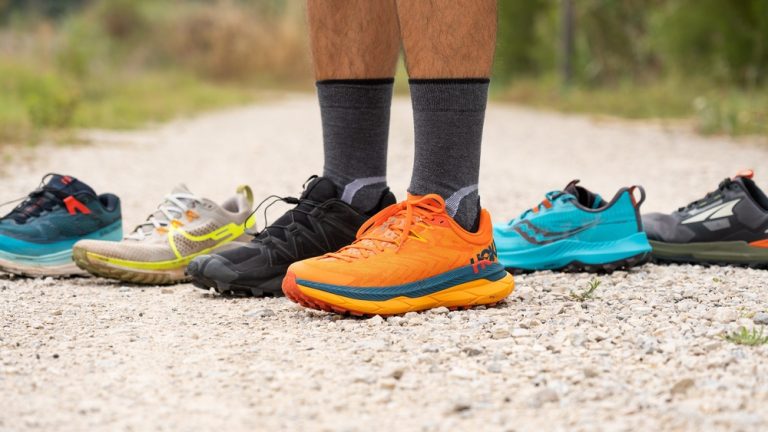
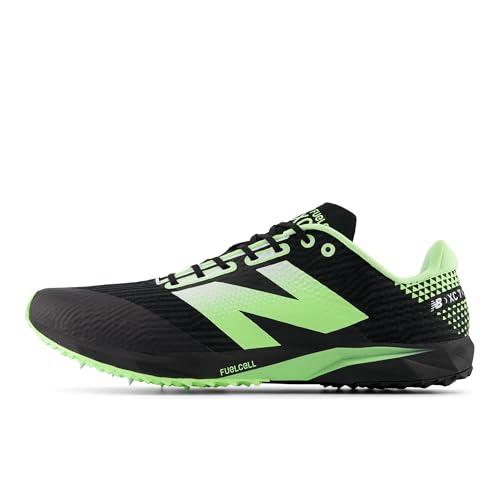
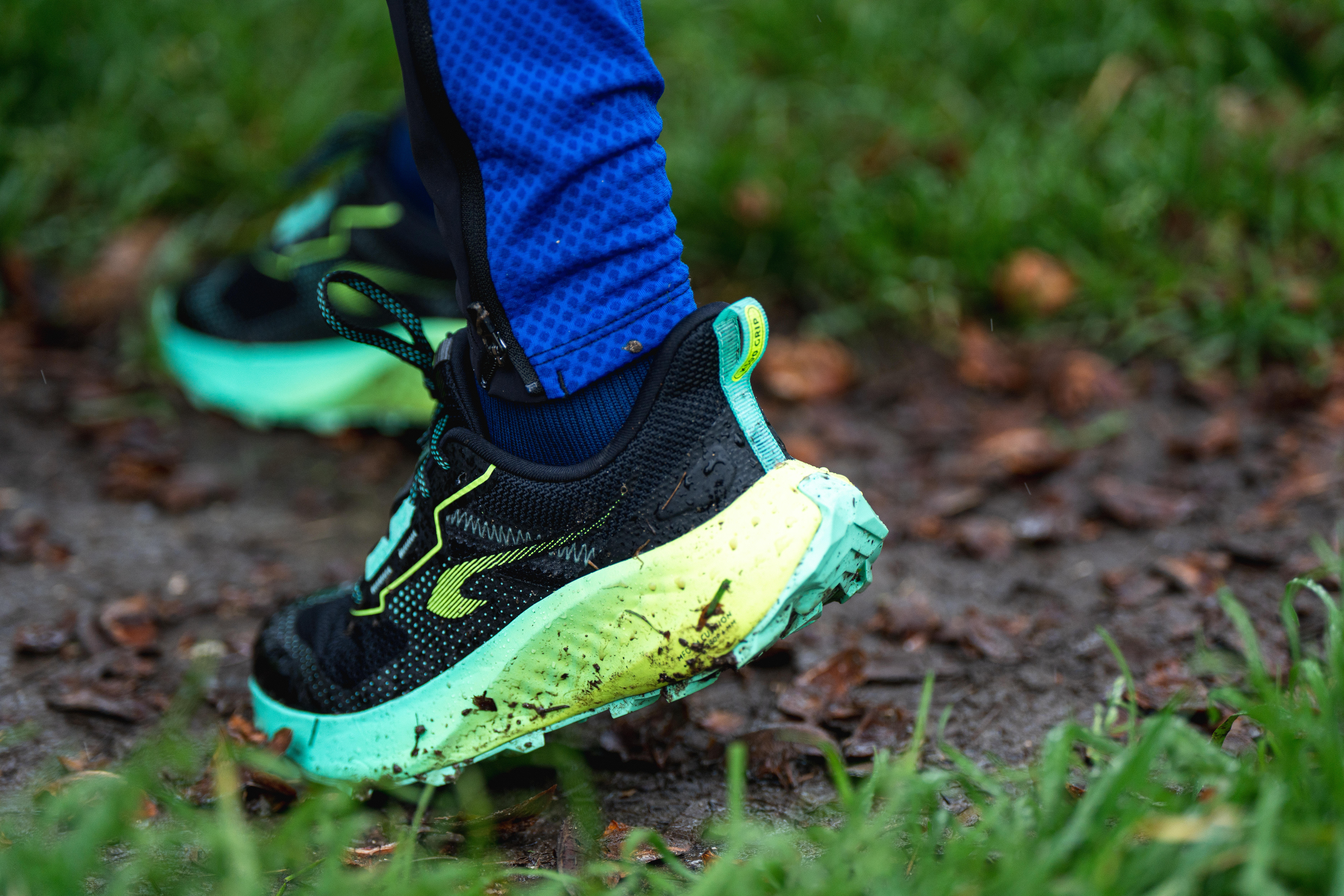
Cross country running shoes for youth are built for grass, mud, trails, and hard-packed dirt. They focus more on grip, stability, and quick responsiveness than road shoes. Youth shoes also weigh less and use softer, flexible soles so young feet can move naturally.
Key differences:
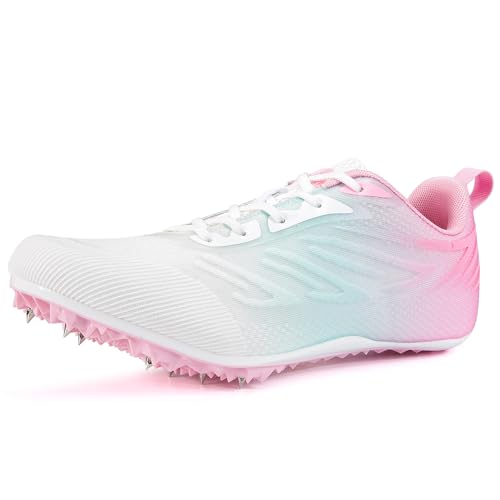
- Traction built for mixed terrain, often with metal or molded spikes
- Lighter uppers for breathability and speed
- Firmer heel or midfoot for stability on uneven ground
- Durable toe caps to resist abrasion from rocks and branches
Young runners need shoes that match their developing bodies. A shoe that’s too stiff or heavy can slow a kid down or cause blisters. I’ve seen runners improve stride and confidence after switching from a heavy trainer to a proper pair of cross country running shoes for youth.
Key features to look for in cross country running shoes for youth
When shopping, focus on features that protect, perform, and fit growing feet.
Essential features:
- Traction: Look for molded spikes or rubber lugs suited to local course conditions.
- Weight: Lighter shoes aid turnover. Aim for the lightest shoe that still offers protection.
- Fit: A secure midfoot and roomy toe box prevent blisters and black toenails.
- Cushioning: Moderate cushioning balances comfort with ground feel. Too much cushion reduces control.
- Stability: A slightly firmer midsole or supportive overlays help on uneven terrain.
- Durability: Reinforced toe, durable mesh, and strong stitching resist wear.
Practical tip from experience: buy shoes that match the typical course. If the season has many muddy races, choose shoes with aggressive spikes. For dry, packed courses, low-profile lugged shoes work best.
Sizing and fit tips for youth runners
Kids’ feet grow fast. Fit and sizing matter more than brand names. Use these steps to find the right size.
Fit checklist:
- Measure feet at the end of the day. Feet swell and this ensures a true fit.
- Leave about a thumb’s width (roughly 0.5–1.0 cm) between the longest toe and the toe box.
- Check heel lock. Heel slip leads to blisters.
- Try shoes with the socks the athlete will wear for races.
- If using spikes, try both spike plates and no-spike setups for comfort.
Buy for current fit, not future growth. If shoes are too loose, performance suffers. I once bought a size up for a middle-school runner to “grow into” and it caused ankle instability during races. Better to replace more often than compromise fit.
Types of cross country shoes and spike options
There are several styles. Choose by course and experience level.
Common types:
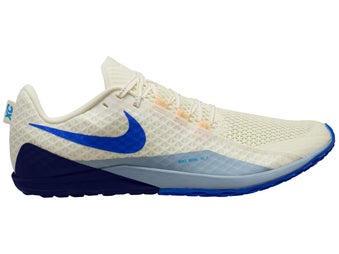
- Molded-lug shoes: Good for varied, dry courses. No spike plate. Easy to use.
- Removable-spike shoes: Offer flexibility. Add or remove spikes to match conditions.
- Full-spike racing shoes: Extremely light and fast for racers. Best for experienced runners on softer ground.
- Trail-cross hybrids: More cushioning and protection for rough trails and longer meets.
Spike tips:
- 1/4 inch spikes work for hard-packed courses.
- 3/8 inch or 1/2 inch metal spikes dig into mud and soft turf.
- Use plastic spikes to meet rules where metal is restricted.
I recommend a removable-spike shoe for most youth athletes. It covers a range of conditions and keeps the shoe useful through varying courses.
Materials and technologies to know about
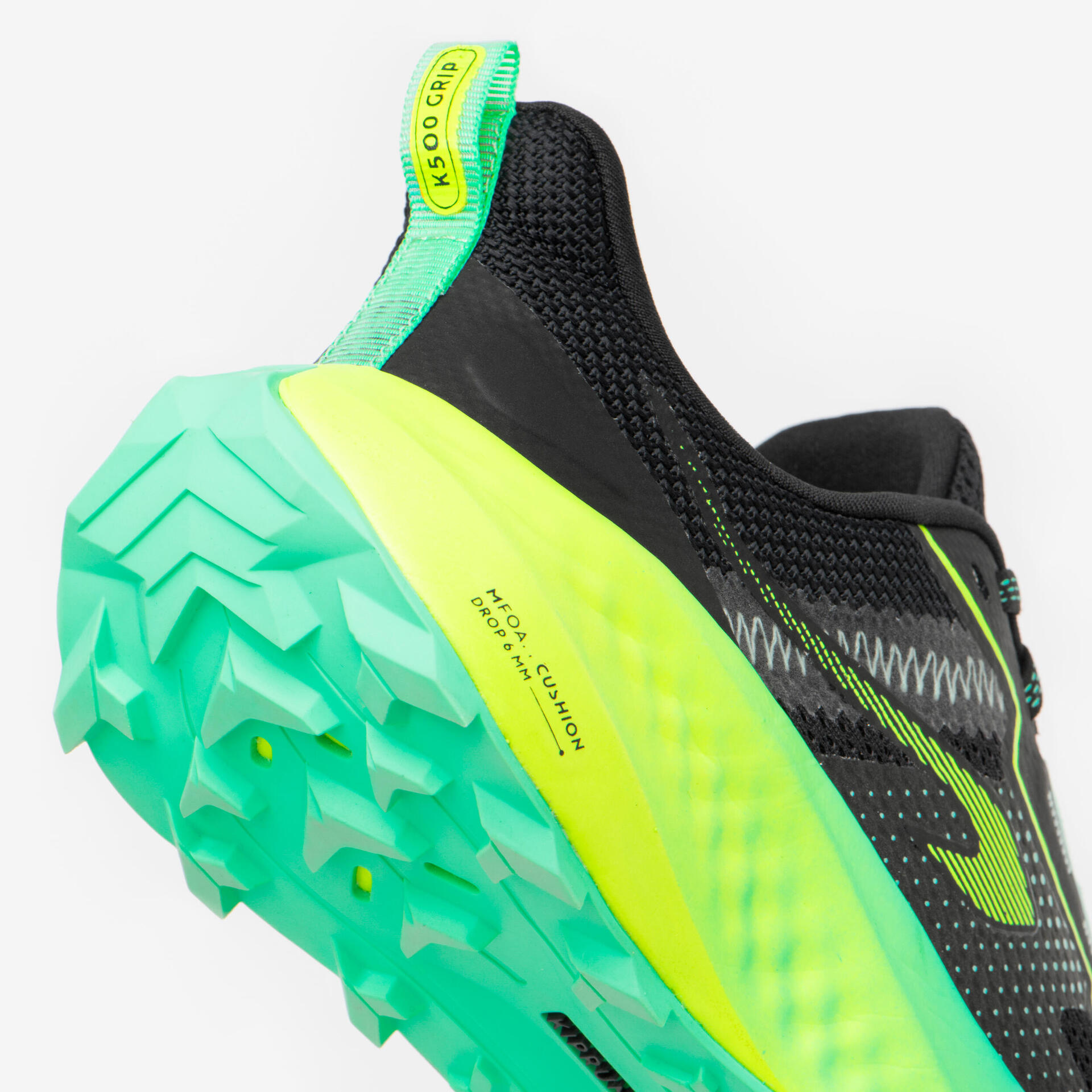
Modern cross country running shoes for youth use simple tech that improves comfort and performance.
Materials and tech:
- Engineered mesh: Breathable and lightweight.
- TPU overlays: Add support without much weight.
- EVA midsole foam: Classic cushioning with good shock absorption.
- Pebax or TPU plates: Provide responsiveness in higher-end spikes.
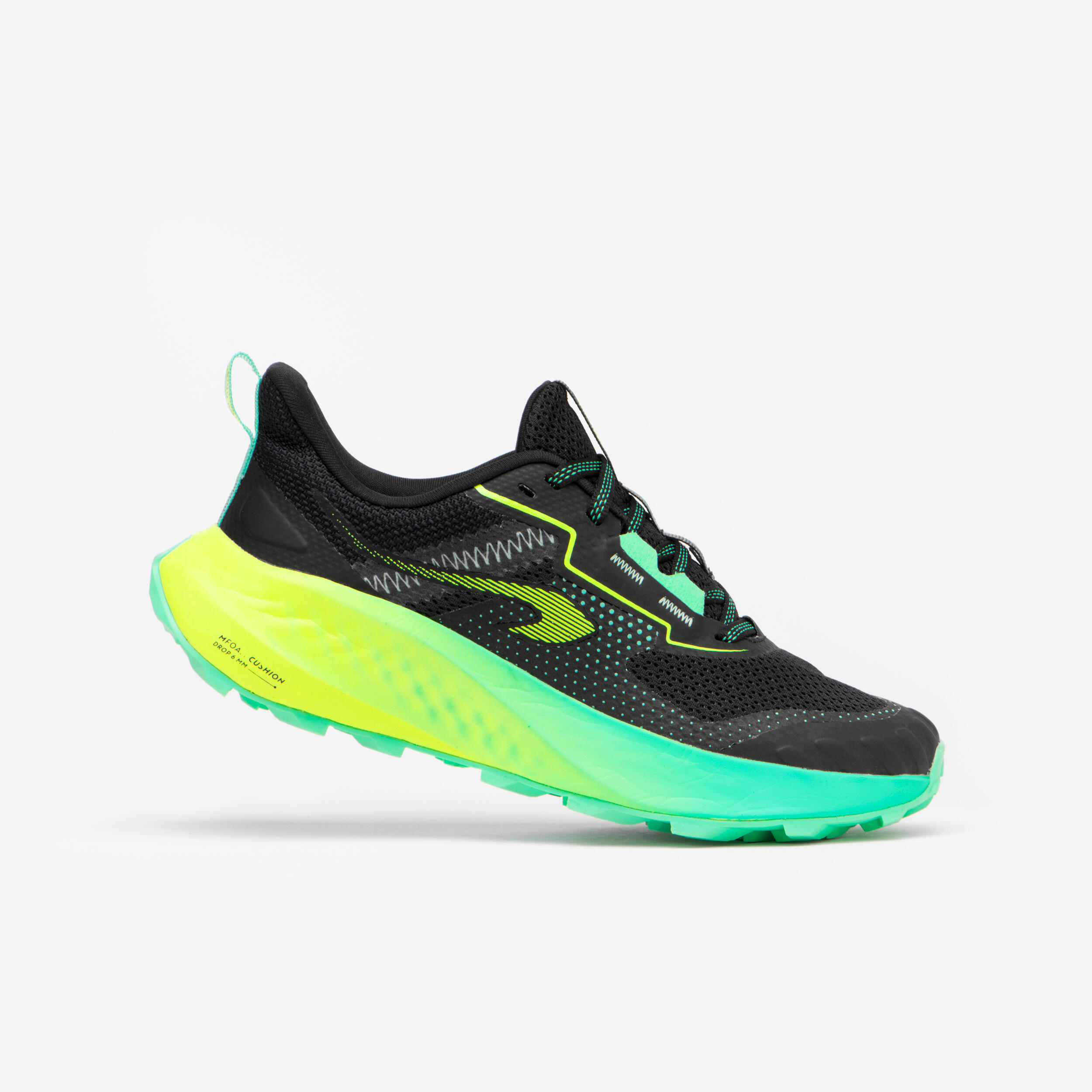
- Rubber lug compounds: Balance grip and wear-resistance.
Avoid overhyped tech for youth. Simpler materials often work best because they’re lighter and more durable for developing runners.
Set a budget before you shop. Youth shoes come in many price points.
Budget picks:
- Basic molded-lug shoes with good grip.
- Durable synthetic uppers and simple EVA midsoles.
- Best for beginners or casual runners.
Mid-range picks:
- Removable-spike plates and lighter uppers.
- Better fit options and improved traction.
- Great for regular competitors.
Premium picks:
- Lightweight race flats with advanced foam and plates.
- Ideal for experienced youth racers aiming for best times.
Buying tips:
- Check team rules about spikes.
- Consider second-hand high-end shoes if budget is tight, but inspect condition closely.
- Buy from stores with good return policies to test fit after a run.
From my coaching work, mid-range shoes hit the sweet spot for most youth athletes. They deliver performance without the fragility of some premium racing flats.
Care and maintenance to extend shoe life
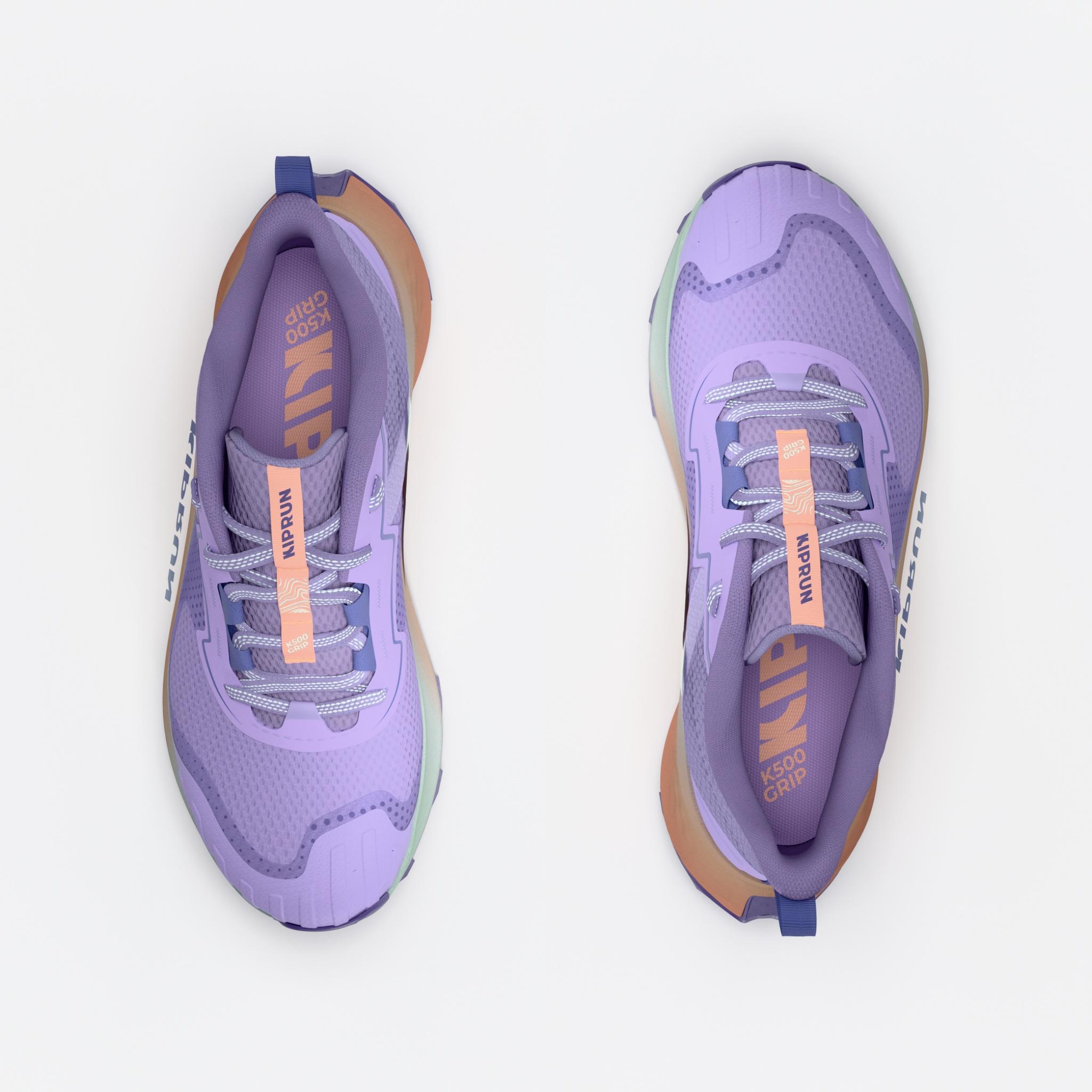
Simple care makes shoes last and keeps them safe for young runners.
Care steps:
- Rinse off mud after a race and let shoes air dry at room temperature.
- Remove spikes and clean spike threads occasionally.
- Avoid machine drying or direct heat; it breaks down glue and foam.
- Rotate between two pairs to let foam recover.
- Inspect for worn traction and replace when grip drops.
I once had a team that left shoes caked in mud overnight. The shoes degraded and became uncomfortable. A 10-minute clean after meets avoids that.

Common race-day and training tips
Small choices on race day can make a big difference.
Race-day tips:
- Break in shoes before race day with a few runs.
- Use the same socks for training and racing to avoid surprises.
- Pack spare spikes and a small wrench for quick changes.
- Warm up on similar terrain to the race course.
Training tips:
- Use more cushioned trainers for high-mileage days.
- Save spikes for tempo workouts and races.
- Teach kids to lace properly to avoid hot spots.
These habits improve comfort and performance. I coach young runners to test every change well before a meet.
Frequently Asked Questions of cross country running shoes for youth
What is the difference between cross country shoes and track spikes?
Cross country shoes have more traction and protection for varied terrain. Track spikes are lighter and focus on speed for a flat, consistent surface.
Are metal spikes allowed in youth races?
Rules vary by event and organization. Check your league’s rules; many allow metal spikes except where banned for safety.
How often should youth replace cross country shoes?
Replace when traction wears or cushioning feels flat, usually every 300–500 miles depending on use. For fast-growing kids, size changes may force more frequent replacements.
Can kids use road running shoes for cross country in a pinch?
They can, but performance and safety may suffer on mud and trails. Road shoes lack the grip and stability needed for many cross country courses.
Should youth runners size up for growth?
Do not size up more than half a size. Proper current fit matters most. Shoes that are too large can cause slipping and injury.
How do I choose the right spike length for muddy races?
Use 3/8 inch or 1/2 inch spikes for very muddy, soft courses. Shorter spikes like 1/4 inch work better on firm or packed ground.
Are lightweight racing shoes safe for beginners?
Lightweight racing shoes are fine for novice runners, but they offer less protection. Beginners should balance weight with durability and comfort.
Conclusion
Choosing the right cross country running shoes for youth matters. Pick shoes that fit now, match the course, and balance traction, weight, and durability. Test shoes on similar terrain, maintain them, and replace when worn. With the right pair, young runners stay comfortable, safe, and faster. Try options in person, use these tips, and help the athlete find shoes that build confidence and speed. Share your questions or experiences below, subscribe for more gear guides, or ask for a custom recommendation for your runner.