Best Running Shoes For Morton’s Toe: Comfortable Picks

The best running shoes for Morton’s toe need a wide toe box, firm support, and enough room for natural toe movement.
If your second toe feels sore after a run, your shoes may press the front of your foot too hard. Morton’s toe means the second toe looks or feels longer than the big toe. A narrow shoe can push that toe against the front or force it down. I reviewed one trail shoe and two carbon fiber insoles to find practical options for runners who need more forefoot room and support. The ALTRA Lone Peak 8 is the strongest shoe choice here, while the insoles may help in a compatible pair of shoes.
See the differences between my top picks at a glance.
| Product | Best use | Forefoot help | Main caution | Buy |
|---|---|---|---|---|
| ALTRA Lone Peak 8 | Trail running and walking | Foot-shaped toe area | Trail shoe, not a soft road racer | View on Amazon |
| TEGA Carbon Fiber Insole | Rigid support in a roomy shoe | Limits toe bend | May feel stiff for daily running | View on Amazon |
| 1.2 mm Carbon Fiber Insole | Low-profile rigid support | Helps reduce forefoot flex | Fit and size need close checking | View on Amazon |
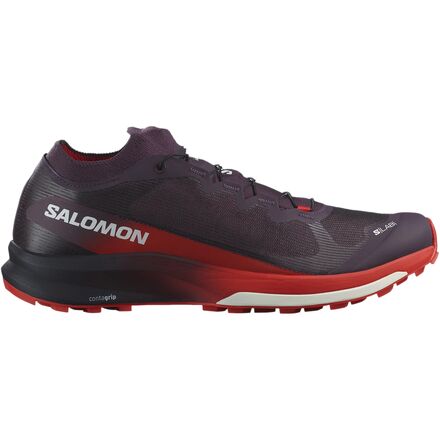
ALTRA Lone Peak 8 Trail Running Shoe

The ALTRA Lone Peak 8 stands out because its foot-shaped design gives the toes more space to spread. That shape can suit runners with Morton’s toe, especially when a regular shoe squeezes the second toe. The shoe is made for trails, so it also brings useful grip and a more secure feel on uneven ground. I like this model most for runners who want one complete shoe solution instead of adding an insert.
The roomy front does not mean every foot will feel perfect in this shoe. You still need the right length, width, and sock thickness. The Lone Peak 8 may feel different from a narrow road shoe because the platform encourages a more natural stance. Break it in with short walks and easy runs before using it for a long trail day.
Pros:
- Foot-shaped toe area gives the second toe more room
- Useful choice for trail running and hiking
- Helps reduce pressure from a narrow front fit
- Trail outsole offers grip on dirt and uneven paths
- Wide platform can feel stable under the forefoot
- Works without needing a special insole
- Good option for runners who dislike cramped shoes
Cons:
- Trail design may feel less smooth on hard roads
- Roomy fit may feel loose for narrow feet
- Some runners may need time to adjust to the shape
- It may not provide the softest ride for long road races
What Amazon Buyers Are Saying
Amazon buyers commonly focus on the roomy toe area, trail grip, and overall comfort. Those points matter to runners who feel pressure at the front of the foot. Buyers also tend to discuss fit, since the wide front can feel ideal for some feet but too open for others. As with any shoe, reviews can vary by foot shape, sock choice, and personal size.
Some customers may also mention the change from a traditional narrow running shoe. That change can affect how the shoe feels during the first few outings. I recommend reading the newest size comments before ordering, and I would check the return terms if you are unsure about width.
My Recommendation
I recommend the ALTRA Lone Peak 8 as the best complete shoe in this guide. It directly addresses the main problem that many Morton’s toe runners face: too little room near the toes. It is worth buying if you run on trails, walk often, or prefer a broad, natural front fit. My overall rating is 4.5 out of 5.
| Category | Rating |
|---|---|
| Toe-box comfort | 4.8/5 |
| Trail grip | 4.6/5 |
| Stability | 4.5/5 |
| Running versatility | 4.1/5 |
| Overall Rating | 4.5/5 |
TEGA Carbon Fiber Insole
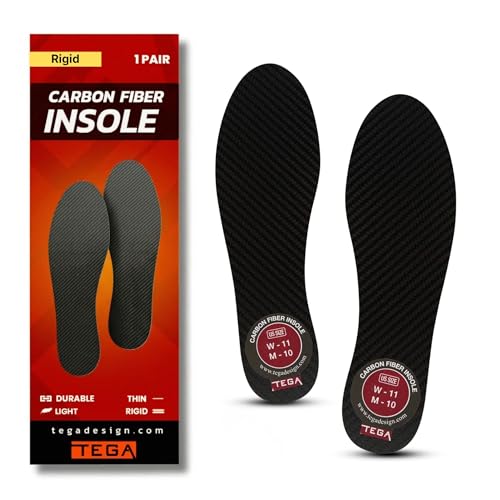
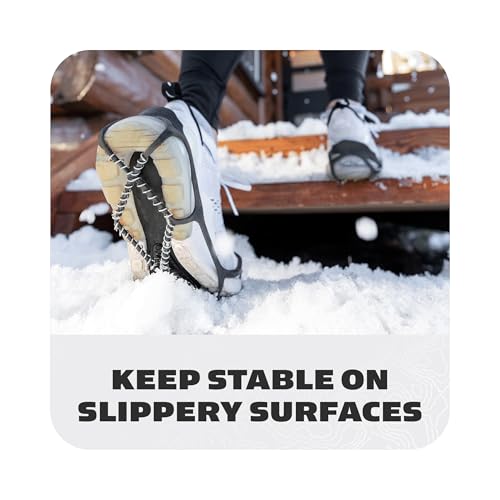
The TEGA Carbon Fiber Insole takes a different approach from a wide running shoe. It uses a rigid carbon fiber plate to limit how much the foot bends. That feature may help when toe movement causes pain, but it does not create more space inside a tight shoe. For that reason, I see it as a support insert rather than a replacement for the best running shoes for Morton’s toe.
This insole may work best in a shoe with a removable footbed and enough internal volume. A stiff insert can make a snug shoe feel even tighter. It can also change the way your foot meets the ground. Start with short periods of wear, and stop if you notice new pain, numbness, or pressure.
Pros:
- Rigid design can limit painful forefoot bending
- Useful for runners who need a firm insert
- Can fit into compatible athletic shoes
- May help protect the front of the foot from excess flex
- Can support walking, hiking, and selected sports
- Offers an alternative to a post-op style shoe in some cases
- Useful for testing a firmer setup before changing shoes
Cons:
- Does not solve a cramped toe box
- May feel too stiff for normal daily running
- Can reduce the space inside a shoe
- Requires careful sizing and shoe compatibility
- Not a direct treatment for Morton’s toe
What Amazon Buyers Are Saying
Buyer feedback for rigid carbon inserts usually centers on support, stiffness, and fit. Customers who need less toe motion may value the firm feel. Others may find the plate too hard for regular walking or running. The same insert can feel very different in a flexible shoe than in a firm shoe.
Fit comments deserve close attention. An insert that sits too long or too wide can curl at the front or crowd the toes. I would compare the listed size with your current insole and check whether your shoe has a removable liner before ordering.
My Recommendation
The TEGA insole is worth considering when your main need is reduced toe bend, not extra toe space. I would not use it as the first answer for a runner with a narrow shoe and Morton’s toe. Pair it with a roomy shoe only if a foot-care professional agrees that a rigid insert suits your needs. My overall rating is 3.8 out of 5.
| Category | Rating |
|---|---|
| Rigid support | 4.4/5 |
| Toe-motion control | 4.3/5 |
| Running comfort | 3.4/5 |
| Fit flexibility | 3.5/5 |
| Overall Rating | 3.8/5 |
1.2 mm Carbon Fiber Insole
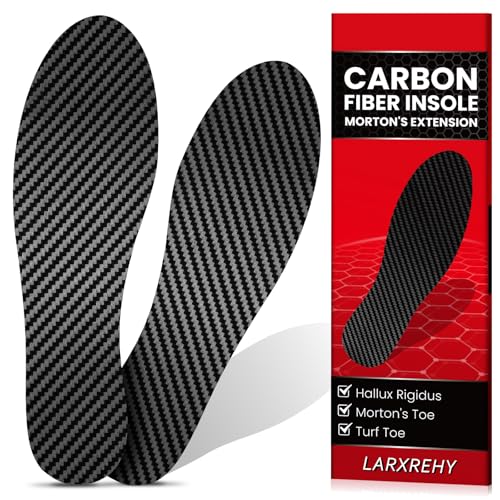
This 1.2 mm carbon fiber insole offers a low-profile way to add firm support. Its rigid build may reduce the amount of bending at the toes during each stride. That can appeal to runners who want a stronger platform without a bulky insert. Still, a thin profile does not guarantee a soft or flexible feel.
I would use this insert only in a shoe with enough room and a stable base. The product may suit sports, walking, and short test runs when the fit feels right. It cannot widen the toe box, so the shoe itself remains very important. If your second toe already touches the front, choose a larger or wider shoe before adding this insert.
Pros:
- Thin profile may take up less space than a bulky insert
- Firm plate can reduce forefoot flex
- Suitable for users seeking rigid support
- May work in athletic shoes with removable insoles
- Can support walking and selected sports
- Simple design is easy to test in a compatible shoe
- Potentially useful for runners who prefer a firm platform
Cons:
- Rigid feel may not suit every running style
- Does not add width to the front of the shoe
- Incorrect sizing can cause pressure points
- May need trimming or careful placement, depending on the shoe
- Not ideal for people who need soft cushioning
What Amazon Buyers Are Saying
Buyers of thin carbon inserts tend to look for a balance between support and shoe space. Some may like the firm feel and low profile. Others may find that the insert changes the ride more than expected. These differences often come from the original shoe, foot shape, and the amount of toe pain.
I suggest reading recent comments about size, stiffness, and long-term comfort. Those details matter more than the product photo. If you have a history of foot injury or ongoing pain, ask a qualified clinician before using a rigid plate for running.
My Recommendation
This insert can be a reasonable add-on for a roomy shoe when you need less toe flex. It is not my first choice for Morton’s toe because the key issue often involves front-of-shoe space. Choose it only after you solve the fit problem. My overall rating is 3.7 out of 5.
| Category | Rating |
|---|---|
| Low-profile design | 4.2/5 |
| Firm support | 4.2/5 |
| Toe-box compatibility | 3.5/5 |
| Everyday comfort | 3.6/5 |
| Overall Rating | 3.7/5 |
How to Choose Best Running Shoes for Morton’s Toe
Choosing the best running shoes for Morton’s toe starts with fit, not brand name. Your shoe should let the second toe rest without hitting the front. It should also hold the heel well and keep the foot stable. A good fit can lower pressure, but shoes cannot diagnose or cure a foot problem. If pain stays, see a podiatrist or another qualified health professional.
1. Measure Length and Toe-Box Width
Measure both feet at the end of the day. Feet can swell after walking or running. Stand up while you measure, and use the larger foot when choosing a size. Leave a small amount of space in front of the longest toe. Do not rely only on your usual size, since brands use different shapes.
For Morton’s toe, the second toe may need the most room. A shoe that slopes sharply toward the front can press that toe down. Look for a rounded or foot-shaped toe box. Wide sizing can help, but width alone does not always mean the front has the right shape.
Try shoes with the socks you use for running. Walk, bend, and climb a few steps. Your toes should move without rubbing. If the second toe touches the end while standing, the shoe is too short for running.
2. Match the Shoe to Your Running Surface
A trail shoe and a road shoe do not feel the same. Trail shoes often use deeper tread and a more protective upper. Road shoes usually focus on a smooth stride and lighter movement. The ALTRA Lone Peak 8 makes the most sense for trails, paths, hiking, and daily walking.
If you run mostly on pavement, check whether a trail outsole feels too firm or heavy for your style. You may prefer a road shoe with a broad front and a flexible, comfortable midsole. The best running shoes for Morton’s toe should match both your foot and your route.
Do not choose a stiff carbon insole just because your toe hurts. A rigid insert may help some problems, but it can also change your stride. Test any insert for short periods. New pain in the arch, heel, knee, or hip means you should stop and reassess the setup.
3. Check Support, Cushioning, and Return Value
Support should feel steady, not harsh. A stable heel can keep your foot from sliding forward. That matters because forward movement can make the second toe hit the front. A secure lace system also helps you hold the heel without crushing the toes.
Cushioning depends on your comfort and running goals. More cushioning does not always mean better protection. Too-soft foam can feel unstable for some runners, while a firm platform may feel more controlled. Try to balance comfort, ground feel, and stability.
Return value matters when you buy online. Read the seller’s current return policy before ordering. Check the product page for size details, user photos, and recent comments. I also suggest keeping the shoes clean indoors until you confirm the fit.
Insoles need extra care. First check if the factory footbed comes out. Then compare its length and shape with the replacement insert. Do not force a rigid insole into a shoe that already feels tight. A roomy shoe is still the foundation of the best running shoes for Morton’s toe.
Common Morton’s Toe Running Problems
Runners with Morton’s toe may notice pain below the second toe, rubbing at the front, or a sore spot after longer runs. Some feel pressure when they push off. Others notice that the second toe hits the shoe even when the listed size seems correct.
These signs can come from several causes. The shoe may be too short, too narrow, or shaped poorly for your foot. Your socks may also add pressure. Swelling, a change in training, or a different running surface can make symptoms worse.
I do not recommend running through sharp pain, numbness, or lasting swelling. A shoe review can help you shop, but it cannot replace a medical exam. A foot specialist can check your toe alignment and rule out other problems.
How I Evaluated These Products
I focused on the features that matter most for runners with a longer second toe. These include room at the front, the way the product controls foot movement, fit flexibility, and use on real running surfaces. I also separated shoes from insoles because they solve different problems.
The ALTRA Lone Peak 8 received the highest rating because it offers a complete shoe design with a foot-shaped front. The TEGA and 1.2 mm carbon inserts received lower ratings because they cannot fix a narrow toe box. They may still help the right user in the right shoe.
I also considered value in daily use. A product must feel comfortable enough to use, not just look useful on paper. Always check the current Amazon listing for price, size options, seller details, and updated buyer feedback before you order.
Final Verdict: Which Should You Buy?
The ALTRA Lone Peak 8 is my top pick because its foot-shaped toe area gives Morton’s toe more room. It works best for trails, walking, and runners who like a broad front fit.
The TEGA and 1.2 mm carbon insoles suit specific support needs. For most runners, the best running shoes for Morton’s toe start with the right shoe shape, not a rigid insert.
FAQs Of best running shoes for morton’s toe
What are the best running shoes for Morton’s toe?
The ALTRA Lone Peak 8 is the strongest option in this review because its foot-shaped toe area gives the front of the foot more room.
Should I buy a wide shoe for Morton’s toe?
A wide shoe may help, but shape matters too. Look for enough length and a rounded toe box that does not press the second toe.
Can carbon fiber insoles help Morton’s toe?
They may reduce toe bending for some users, but they do not create more toe-box space. Use them only in a compatible, roomy shoe.
How much space should running shoes have in front of the toes?
Your longest toe should not touch the front when you stand. Leave enough room for normal foot movement and mild swelling during a run.
Can I run with Morton’s toe pain?
Do not run through sharp pain, numbness, or swelling. Change the fit and seek professional advice if symptoms continue.
Are trail shoes good for Morton’s toe?
They can be helpful when they offer a broad toe box and a secure heel. Choose a trail shoe only if it suits your running surface and stride.