Spikeless Cross Country Running Shoes: Ultimate Guide for Runners

Spikeless Cross Country Running Shoes: An In-depth Guide
Every cross country runner knows how much their shoes matter. The right pair can help you run faster, protect your feet, and stay comfortable over rough terrain. But there’s a growing trend in the sport: spikeless cross country running shoes. These shoes are changing the game, offering new benefits and options for runners of all levels. If you’re curious about spikeless shoes, or you’re wondering if they’re right for you, this guide will help you understand everything you need to know.
Why Spikeless Shoes Are Becoming Popular
Traditionally, cross country runners wore shoes with metal spikes. These spikes give grip on muddy and slippery ground. However, spikes have downsides: they can be uncomfortable, damage tracks, and are not allowed in some races. Spikeless shoes use clever design and rubber soles to provide grip without the need for spikes. As cross country courses change, and more runners train on mixed surfaces, spikeless shoes are becoming a smart alternative.
Spikeless shoes are also popular for younger runners, those new to the sport, and anyone who wants a more versatile shoe. They can be used for training, races, and even road running. Let’s explore what makes spikeless cross country shoes special, how to choose the best pair, and what to expect from them.
What Are Spikeless Cross Country Running Shoes?
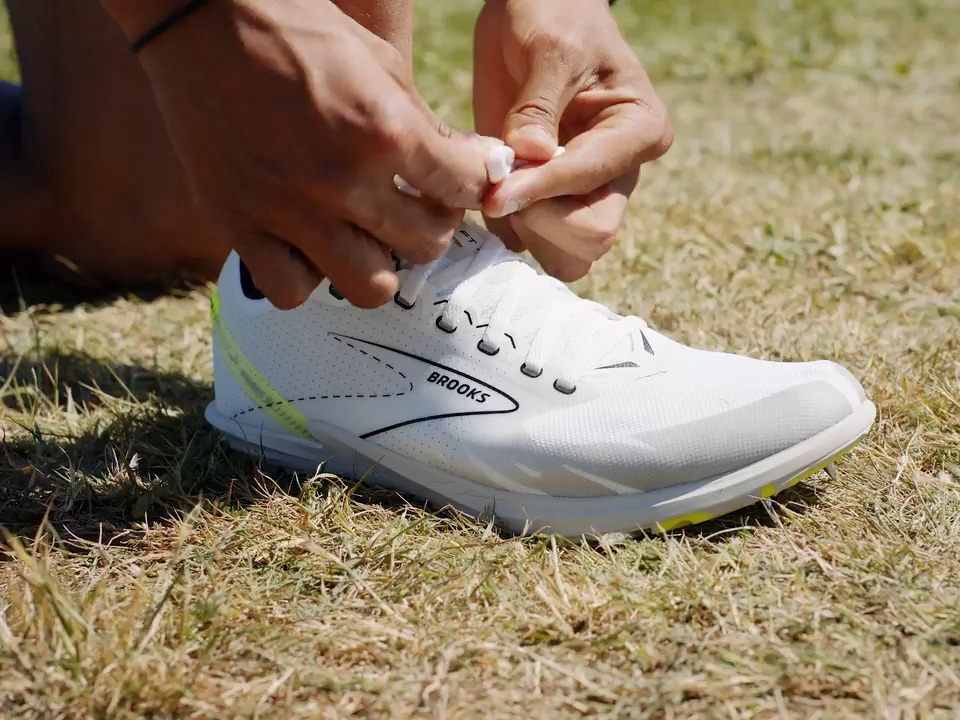
Spikeless cross country shoes look similar to traditional running shoes, but they are designed for off-road use. They have special outsoles, unique materials, and features that help runners handle grass, mud, gravel, and more.
Key Features
- Aggressive rubber outsole: Instead of spikes, these shoes have rubber lugs or patterns that grip the ground.
- Lightweight build: Most spikeless shoes are lighter than regular trainers, helping runners move faster.
- Low-profile design: They sit closer to the ground for better stability.
- Flexible soles: Allow natural foot movement, which is important on uneven surfaces.
- Durable uppers: Made to withstand mud, water, and abrasion.
How They Differ From Traditional Spiked Shoes
Traditional shoes use metal spikes that dig into the ground. Spikeless shoes rely on the shape and pattern of the rubber outsole. This means they don’t pierce the ground, so they’re safer for indoor tracks and mixed surfaces. Spikeless shoes are also usually more comfortable for longer runs and training.
Who Should Use Spikeless Shoes?
- Runners who train on varied surfaces (grass, dirt, gravel, road)
- Athletes in races where spikes are banned
- Beginners who want a versatile, easy-to-use shoe
- Anyone wanting more comfort during training
Benefits Of Spikeless Cross Country Running Shoes
Switching to spikeless shoes offers several advantages. Understanding these benefits can help you decide if they’re right for your running style.
1. Versatility
Spikeless shoes work well on different surfaces. You can use them for cross country, road running, and even light trail runs. This saves money and makes training easier.
2. Comfort
Without spikes, there’s less pressure on the bottom of your foot. The cushioning and flexible sole are better for longer distances. Many runners find spikeless shoes reduce foot pain and fatigue.
3. Safety
Spikes can cause injuries, especially if you trip or kick another runner. Spikeless shoes are safer for crowded races and group training. They also won’t damage indoor tracks or gym floors.
4. Durability
Rubber lugs last longer than metal spikes, which can bend or break. Spikeless shoes often survive more miles, making them a good investment.
5. Easy Maintenance
No need to replace spikes or worry about losing them. Spikeless shoes are simple to clean and maintain.
6. Legal In All Races
Some races don’t allow spikes. Spikeless shoes are always legal, so you never have to worry about being disqualified.

Credit: gazellesports.com
Key Factors To Consider When Choosing Spikeless Cross Country Shoes
Choosing the right spikeless shoe can be tricky. There are many brands and models, and each offers different features. Here are the most important factors to think about.
Terrain
The type of course you run will affect your choice. Shoes with deep lugs are best for muddy or soft ground. If you run mostly on dry grass or gravel, look for shoes with smaller, more numerous lugs.
Fit
A good fit is essential. The shoe should hug your foot without squeezing. It should feel secure, but allow your toes to move. Try shoes on before buying, or check sizing guides carefully.
Weight
Lighter shoes help you run faster, but very light shoes may lack durability or support. Balance weight with comfort, especially if you run long distances.
Cushioning
Some runners want a soft, cushioned shoe. Others prefer a firmer, more responsive feel. Consider your own comfort and injury history.
Flexibility
Flexible shoes help you adapt to uneven terrain. Stiff shoes can make running harder and increase injury risk.
Protection
Look for shoes with reinforced uppers or toe guards if you run on rocky or rough ground. This will protect your feet from bumps and scrapes.
Price
Spikeless shoes range from $60 to $150 or more. Higher prices often mean better materials, but you don’t always need the most expensive model. Compare features and reviews.
Brand Reputation
Some brands specialize in cross country footwear. Check reviews and ask other runners for advice. Trusted brands often offer better durability and fit.
Comparing Spikeless Vs. Spiked Cross Country Shoes
Choosing between spikeless and spiked shoes depends on your needs. Here’s a clear comparison to help you decide.
| Feature | Spikeless Shoes | Spiked Shoes |
|---|---|---|
| Grip | Rubber lugs, good for mixed terrain | Metal spikes, best for soft ground |
| Comfort | More cushioning, less pressure | Can be less comfortable, especially on hard surfaces |
| Durability | Rubber lasts longer, easy maintenance | Spikes can bend or break, need replacement |
| Safety | Safer for group runs, less risk of injury | Risk of injury from spikes |
| Versatility | Usable on road, track, trail | Mostly for soft, muddy ground |
| Legal Restrictions | Allowed everywhere | Not allowed on some tracks or races |
Credit: runrepeat.com
Top Spikeless Cross Country Running Shoe Brands
Several brands are leading the way in spikeless shoe design. Each has its own strengths and style.
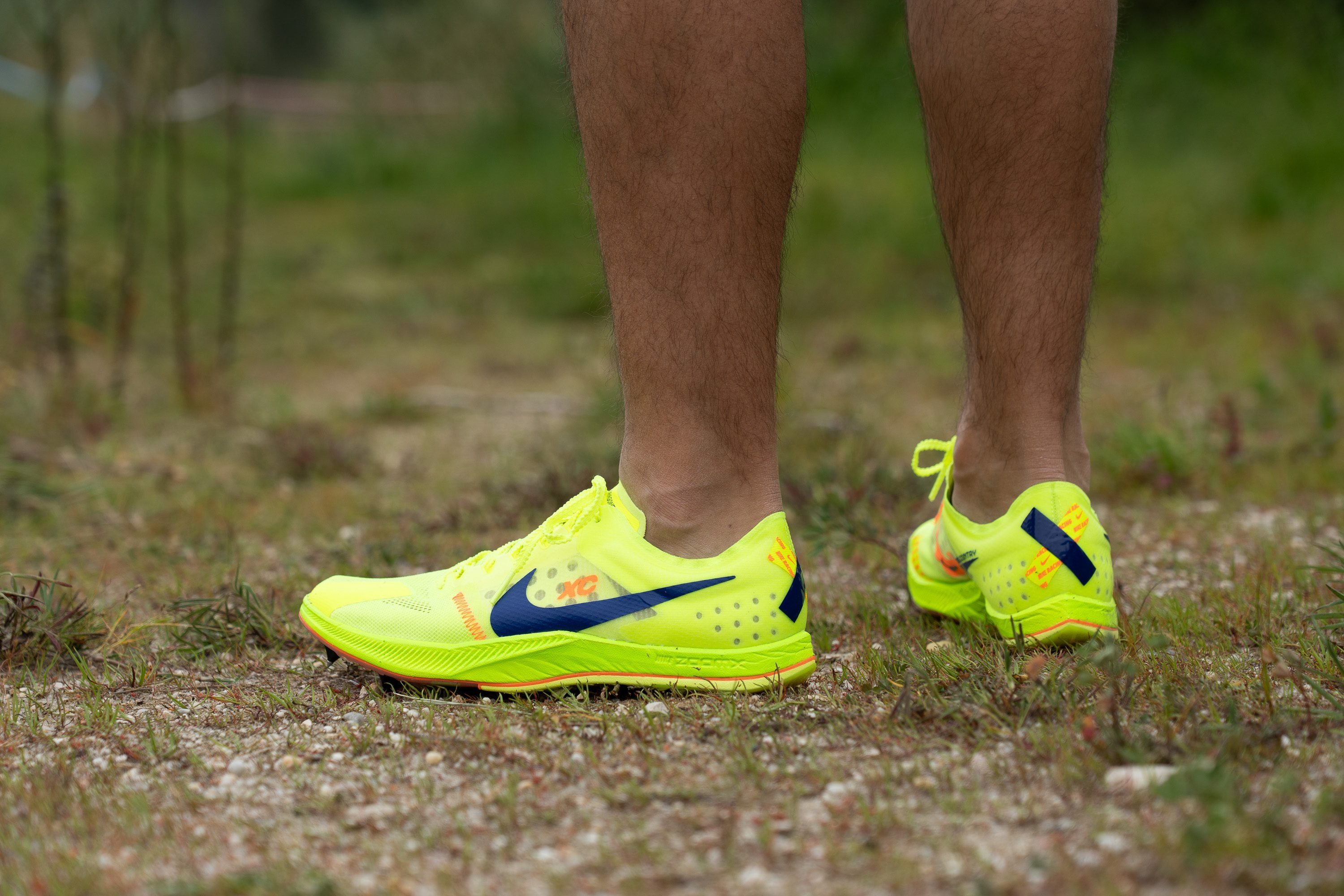
1. Nike
Nike’s Zoom Rival and Terra Kiger models are popular for their lightweight design and strong grip. Nike uses special rubber patterns to give traction on wet and dry surfaces.
2. New Balance
New Balance offers the XC Seven v4 and Fresh Foam Gobi. These shoes have comfortable cushioning and durable uppers, ideal for tough conditions.
3. Saucony
Saucony’s Kilkenny XC is known for its flexible sole and comfortable fit. The outsole uses small, aggressive lugs to grip grass and mud.
4. Brooks
Brooks makes the Cascadia and PureGrit series. These shoes are good for runners who want a balance between road and trail performance.
5. Adidas
Adidas’ Adizero XC models are lightweight and fast. The shoes are built for speed and agility, with strong rubber outsoles.
6. Asics
ASICS offers the Gel-Fujitrabuco and other models. These shoes focus on durability and stability, perfect for rough terrain.
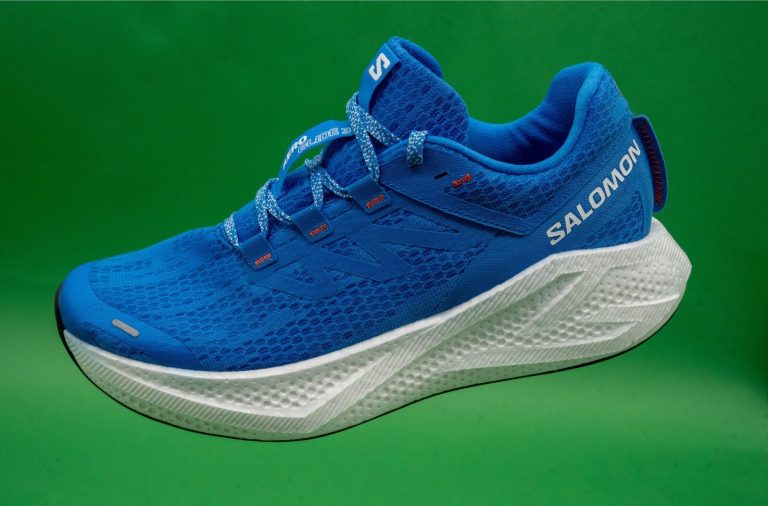
7. Salomon
Salomon is famous for trail shoes, like the Speedcross. Their spikeless models work well for cross country, offering deep lugs and strong protection.
How To Get The Best Fit: Practical Tips
Getting the right fit is more than just picking your size. Here’s how to make sure your spikeless shoes fit perfectly:
- Try shoes on at the end of the day, when feet are slightly swollen. This is how they will feel during a race.
- Wear your usual running socks when testing shoes.
- Check for about a thumb’s width of space at the toe. Your toes should not touch the front.
- Make sure the heel is snug but not tight. The shoe should not slip when you walk.
- Walk and jog in the store. Test how the shoe bends and feels on your foot.
- If buying online, check return policies and reviews about sizing.
Many beginners miss the importance of arch support. Some spikeless shoes have more support than others. If you have flat feet or high arches, look for models with extra support.
Another insight: Don’t rely only on brand sizing. Different models can fit differently even within the same brand. Always double-check.
How Spikeless Shoes Perform On Different Surfaces
Spikeless shoes are designed for versatility, but their performance varies depending on the ground.
Grass
The rubber lugs grip well on dry and wet grass. Shoes with deeper lugs are best for thick or slippery grass.
Mud
Mud is one of the hardest surfaces. Spikeless shoes with aggressive patterns can handle light mud, but very deep mud may still require spikes. Some models have self-cleaning lugs that shed mud as you run.
Gravel
Most spikeless shoes handle gravel well. The rubber helps prevent slipping, and the flexible sole adapts to rocks.
Road
Spikeless shoes can be used for road running, but they may wear out faster on asphalt. Shoes with smaller lugs work best.
Indoor Track
Spikeless shoes are safe and allowed on indoor tracks. They won’t damage the surface, and their grip is usually strong enough.
Common Mistakes When Choosing Spikeless Shoes
Choosing the wrong shoe can affect your performance and comfort. Here are mistakes to avoid:
- Picking a shoe based only on looks or brand.
- Ignoring fit—choosing a size too small or too big.
- Forgetting about terrain—using shoes with small lugs in heavy mud.
- Skipping arch support—leading to foot pain or injury.
- Not considering weight—very light shoes may lack durability.
- Buying without testing—always try before you buy if possible.
An extra tip: Many runners forget to replace shoes when the outsole wears down. Worn lugs mean less grip and higher injury risk. Check your shoes every few months.
Data: Spikeless Shoe Performance Compared To Spiked Shoes
Recent studies show spikeless shoes are closing the gap with spiked shoes. Here’s a summary of performance data.
| Surface | Average Grip (Spikeless) | Average Grip (Spiked) | Comfort Rating |
|---|---|---|---|
| Dry Grass | 8/10 | 9/10 | Spikeless: 9/10 Spiked: 7/10 |
| Wet Grass | 7/10 | 9/10 | Spikeless: 8/10 Spiked: 6/10 |
| Gravel | 8/10 | 7/10 | Spikeless: 8/10 Spiked: 7/10 |
| Road | 7/10 | 3/10 | Spikeless: 9/10 Spiked: 5/10 |
This data shows that while spikes are best for wet grass and mud, spikeless shoes perform well on most surfaces and offer much better comfort.
How To Care For Spikeless Cross Country Shoes
Proper care will extend the life of your shoes and keep them performing well.
Cleaning
- After each run, brush off dirt and mud.
- Use warm water and mild soap to clean the upper and outsole.
- Let shoes dry naturally; avoid direct sunlight or heaters.
Storage
- Keep shoes in a cool, dry place.
- Avoid storing them in closed bags if wet; let them air out.
Checking For Wear
- Inspect the outsole lugs regularly.
- Check for holes or tears in the upper.
- Replace shoes when grip is noticeably reduced.
Extra Insight
Many runners don’t realize that washing shoes in a machine can damage the glue and materials. Always wash by hand.
Credit: www.brooksrunning.com
Spikeless Shoes For Youth And Beginners
Youth runners often benefit from spikeless shoes. Here’s why:
- Easier to use—no spikes to change or lose.
- Safer for group races and school events.
- More comfortable for growing feet.
- Suitable for training, racing, and other sports.
If you’re a beginner, start with spikeless shoes to build confidence and avoid injuries. You can always try spikes later if needed.
Spikeless Shoes For Advanced Runners
Experienced runners may wonder if spikeless shoes are fast enough. The answer: yes, for most races and training.
Many elite runners use spikeless shoes for training, and some even race in them. Modern designs are lightweight, fast, and grippy. If you need maximum traction in deep mud, spikes may be better, but for most conditions, spikeless shoes are a strong choice.
Recent Innovations In Spikeless Shoe Design
Brands are investing in new technologies to improve spikeless shoes.
New Outsole Patterns
Some shoes use multi-directional lugs for better grip on slopes and turns. Others use self-cleaning designs to shed mud.
Lightweight Materials
Companies are using engineered mesh and lighter foams to reduce weight without losing durability.
Eco-friendly Materials
More brands use recycled materials and eco-friendly production. This is good for the environment and appeals to younger runners.
Example: Nike’s “sticky Rubber”
Nike’s latest shoes use a sticky rubber compound for extra grip. This helps runners stay steady on wet grass and rocks.
Comparing Popular Spikeless Models
To help you choose, here’s a direct comparison of three leading spikeless cross country shoes:
| Model | Weight (oz) | Outsole Type | Cushioning | Best For |
|---|---|---|---|---|
| Nike Zoom Rival | 6.5 | Rubber lugs | Moderate | Mixed terrain, fast races |
| New Balance XC Seven v4 | 7.2 | Aggressive lugs | Soft | Muddy courses, training |
| Saucony Kilkenny XC | 6.8 | Small lugs | Firm | Dry grass, road |
How To Transition From Spiked To Spikeless Shoes
Switching from spikes to spikeless shoes can take some adjustment. Here’s how to do it smoothly:
- Start by using spikeless shoes for easy runs and training.
- Gradually increase distance and intensity.
- Pay attention to grip and comfort.
- Test spikeless shoes on your race course before the event.
- If you notice slipping, try a model with deeper lugs.
Runners often miss the need to adjust their running style. Spikeless shoes encourage a more natural stride, so focus on landing mid-foot rather than heel or toe.
The Future Of Spikeless Cross Country Shoes
Spikeless shoes are here to stay. As courses become more varied and runners demand versatility, brands will keep innovating. Expect lighter shoes, better grip, and more sustainable materials in the next few years.
Research shows spikeless shoes are popular among youth and casual runners, but their use is growing at all levels. For more details, you can check this Wikipedia article.
Frequently Asked Questions
Are Spikeless Cross Country Shoes Good For Muddy Courses?
Spikeless shoes work well in light mud, but deep mud can be tricky. Choose models with deep, aggressive lugs for best grip. For very muddy races, spikes may still have an advantage.
Can I Use Spikeless Shoes For Road Running?
Yes, spikeless shoes can handle road running. They are comfortable and safe for pavement, but the lugs may wear down faster. If you run mostly on roads, consider a shoe with smaller lugs.
How Long Do Spikeless Cross Country Shoes Last?
Most spikeless shoes last 300–500 miles. Check the outsole regularly. When the lugs are worn smooth or the upper is damaged, it’s time to replace them.
Do Spikeless Shoes Prevent Injuries?
Spikeless shoes are safer for group runs and reduce risk of spike-related injuries. They offer good support and cushioning, which can help prevent foot pain and fatigue. However, proper fit and training are still important.
Are Spikeless Shoes Allowed In All Races?
Yes, spikeless shoes are legal in all cross country races, including those where spikes are banned. Always check race rules, but spikeless shoes are a safe choice.
Spikeless cross country running shoes offer a modern solution for runners who want comfort, safety, and versatility. Whether you’re just starting out or you’re an experienced athlete, these shoes can help you perform your best in training and competition. With new designs and improved technology, spikeless shoes are a smart choice for today’s cross country runner.