Running Shoes for High Volume Feet: Best Picks for Comfort

Finding the right running shoes can be a challenge for anyone, but for those with high volume feet—feet that are wide, tall, or both—the search can feel even more complicated. If you’ve ever tried on running shoes that squeeze your toes, press on the top of your foot, or feel tight even in wide sizes, you’re not alone. Many runners face this issue but don’t realize how much it can affect comfort and performance.
Choosing the best running shoes for high volume feet isn’t just about picking a wide size. The right fit can help prevent injuries, improve efficiency, and make running more enjoyable. Understanding what makes a shoe suitable for high volume feet, and learning how to spot key features, can transform your running experience.
This guide will walk you through everything you need to know—features to look for, common pitfalls, shoe recommendations, fit strategies, and practical solutions for unique foot shapes.
Understanding High Volume Feet
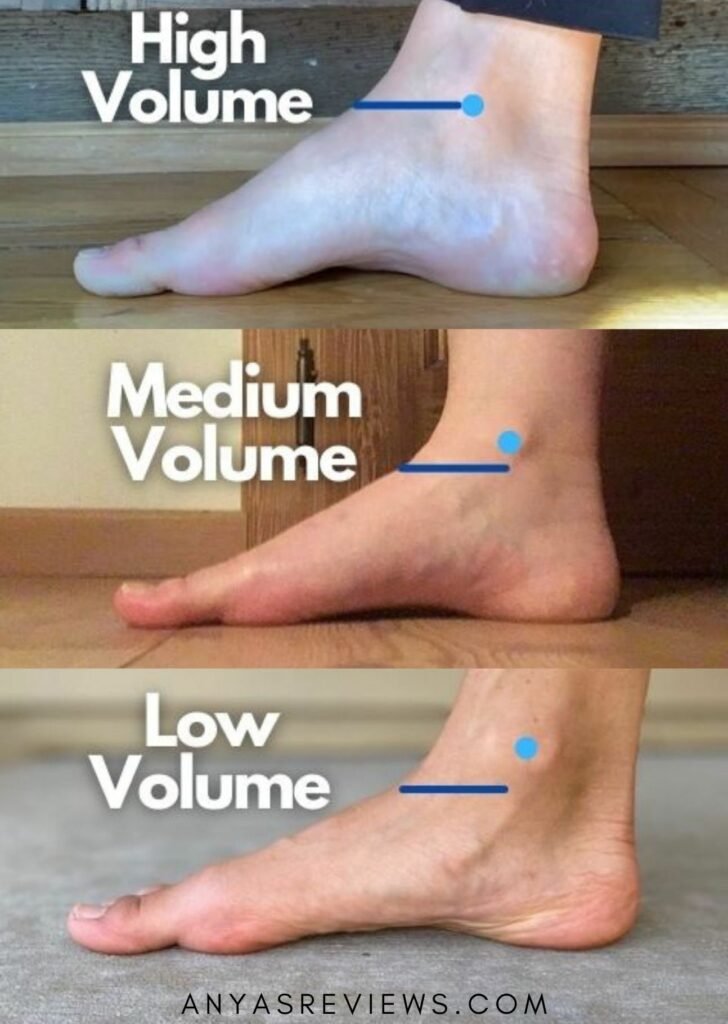
The term high volume feet refers to feet that have more width, height, or overall size than average. While many people think only about width, foot volume also includes the height of the arch, the thickness from the sole to the top of the foot (instep), and even the shape of the toes.
Common Signs Of High Volume Feet
- Shoes feel tight across the top or sides, even in larger sizes
- Toes are cramped or overlap inside the shoe
- You experience numbness or tingling during runs
- Standard lacing doesn’t relieve pressure
- Red marks or blisters on the instep or sides after running
It’s important to note that high volume feet aren’t always extra-wide—they might have a high instep, a thick midfoot, or splay outward at the toes. Some runners have all three. This complexity means that not every “wide” or “extra wide” shoe will work.
Why Volume Matters In Running Shoes
Runners with high volume feet face unique challenges. Shoes that are too tight can cause:
- Blisters and calluses on the sides or top of the foot
- Reduced blood flow, leading to numbness or pain
- Toe injuries, such as black toenails or hammertoes
- Altered gait, increasing the risk of overuse injuries
Wearing shoes that accommodate your foot’s true shape allows for natural movement, improved comfort, and better long-term foot health.
Key Features In Running Shoes For High Volume Feet
When shopping for running shoes, certain features become especially important for high volume feet. Let’s break down what you should look for:
1. Wide And Extra-wide Options
Many brands now offer wide (D for women, 2E for men) and extra-wide (2E for women, 4E for men) versions. But foot volume isn’t just about width, so don’t focus on this feature alone.
2. High Toe Box
A high toe box gives your toes room to splay and move. This is vital for both comfort and stability. A shoe might be wide enough, but if it’s too shallow, your toes and nails will still suffer.
3. Roomy Midfoot And Instep
Some shoes are built with a higher instep or more space over the midfoot. Look for shoes described as having a voluminous fit or “generous instep.”
4. Removable Insoles
Shoes with removable insoles allow for customization. You can swap the original insole for a thinner one to create more space, or add an orthotic if needed.
5. Stretchy Or Flexible Uppers
Shoes with engineered mesh or knit uppers can stretch to accommodate high volume feet. This is especially helpful if your feet swell during long runs.
6. Adjustable Lacing Systems
A shoe with multiple eyelets or creative lacing options lets you relieve pressure on certain areas and fine-tune the fit.
7. Straight Or Anatomical Lasts
The “last” is the mold the shoe is built on. Straight lasts and anatomical lasts (which follow the natural shape of the foot) tend to fit high volume feet better than curved or pointy lasts.
Comparing Key Features
Here’s a quick comparison of features found in popular running shoe models for high volume feet:
| Feature | Standard Shoe | High Volume Shoe |
|---|---|---|
| Width Options | Medium (B/D) | Wide/Extra Wide (2E/4E) |
| Toe Box | Medium Height | High & Spacious |
| Upper Material | Stiff Mesh | Stretchy Knit |
| Lacing System | Standard | Multiple Eyelets |
| Removable Insoles | Not Always | Often Removable |
Understanding these features helps you narrow down options quickly when shopping.

Credit: www.reddit.com
Top Running Shoes For High Volume Feet
No single shoe fits everyone with high volume feet, but some models stand out for their generous fit, comfort, and adaptability. Here are ten top choices, each with unique strengths:
- Brooks Ghost 15 (Wide/Extra Wide)
- Known for its wide platform and roomy toe box. The engineered mesh upper stretches well, and the removable insole adds customization. Many runners with high volume feet find relief in this model.
- New Balance 1080v13 (2E/4E)
- Offers both width and volume. The Fresh Foam midsole provides a soft ride, while the upper is forgiving for wide and tall feet. It’s a favorite among those who need extra space without sacrificing cushioning.
- Altra Torin 7
- Famous for its FootShape toe box and zero-drop platform, which let the toes spread naturally. While not officially “wide,” the standard fit is often enough for many with high volume feet.
- Hoka Clifton 9 (Wide)
- Combines a high instep with soft cushioning and a stretchy upper. The wide version is especially suitable for feet that are both wide and tall.
- Saucony Echelon 9 (Wide/Extra Wide)
- Built on a straight last with a broad base. The high-volume fit works well for orthotics and thick feet.
- Asics Gel-Kayano 30 (Wide)
- The engineered mesh upper adapts to foot shape, and the wide size increases volume. Good for runners needing both support and space.
- Topo Athletic Ultrafly 4
- Topo shoes have a naturally wide toe box and a slightly higher instep. The Ultrafly is lightweight yet offers a surprising amount of room.
- Mizuno Wave Rider 27 (Wide)
- Offers a well-cushioned ride with a wide option that increases instep and forefoot volume.
- Nike Air Zoom Vomero 17
- While Nike shoes are often narrow, the Vomero stands out for its relatively roomy forefoot and adaptable mesh.
- Brooks Addiction GTS 15 (Wide/Extra Wide)
- This stability shoe has a high, wide profile and is designed to accommodate orthotics and high volume feet.
Shoe Comparison Chart
Here’s a side-by-side look at how these shoes stack up for high volume features:
| Model | Widths Available | Toe Box | Upper Material | Removable Insole |
|---|---|---|---|---|
| Brooks Ghost 15 | Wide, Extra Wide | High | Engineered Mesh | Yes |
| New Balance 1080v13 | 2E, 4E | Medium-High | Mesh | Yes |
| Altra Torin 7 | Standard | Very High | Knit Mesh | Yes |
| Hoka Clifton 9 | Wide | Medium-High | Engineered Mesh | Yes |
| Saucony Echelon 9 | Wide, Extra Wide | High | Mesh | Yes |
| Asics Gel-Kayano 30 | Wide | Medium-High | Mesh | Yes |
| Topo Ultrafly 4 | Standard | Very High | Mesh | Yes |
| Mizuno Wave Rider 27 | Wide | Medium | Mesh | Yes |
| Nike Vomero 17 | Standard | Roomy | Mesh | Yes |
| Brooks Addiction GTS 15 | Wide, Extra Wide | High | Mesh | Yes |
How To Choose The Right Fit
Even the best shoe model won’t work if the fit is wrong. Here are some essential steps to get the best results:
1. Measure Both Feet
Many people have one foot larger or wider than the other. Always fit your shoes to the larger foot.
2. Try On Shoes In The Evening
Feet swell during the day, especially after walking or running. Trying on shoes when your feet are largest helps avoid buying shoes that are too tight.
3. Wear Your Running Socks
Bring the same type of socks you plan to run in. Thicker socks can make a big difference in fit.
4. Check For Toe Space
You should have a thumb’s width (about 1/2 inch) between your longest toe and the end of the shoe. Your toes should be able to wiggle freely.
5. Test The Instep
With high volume feet, the top of the shoe (instep area) is a common pressure point. Make sure you can comfortably flex your foot, and that the tongue doesn’t dig in.
6. Walk And Run In The Store
Most specialty running stores let you jog inside. Pay attention to any pressure points or slipping.
7. Try Different Lacing Techniques
Sometimes, a simple change in lacing can relieve pressure and improve fit. For high insteps, try “parallel lacing” or skipping eyelets over pressure points.
8. Don’t Rely On Breaking In
Running shoes should feel comfortable right away. If they feel tight or painful in the store, they won’t magically become perfect after a few runs.
Customization Tricks For High Volume Feet
Sometimes, even shoes labeled as “wide” or “high volume” need a little tweaking. These practical solutions can help:
Swap Insoles
Many shoes come with thick insoles. Swapping for a thinner insole or a custom orthotic can add needed space.
Stretch The Uppers
Some running stores offer shoe stretching services, especially for the forefoot and instep. This works best with mesh or knit uppers.
Use Special Lacing
Techniques like window lacing or gap lacing can remove pressure from the instep or create more volume over the top of the foot.
Choose Minimalist Shoes
Minimalist or barefoot-style shoes often have a wider toe box and less upper structure, making them suitable for some high volume feet. However, transition slowly to avoid injury.
Buy Men’s Versions
Women with high volume feet sometimes find a better fit in men’s shoes, which are naturally wider and higher in the instep.
Common Mistakes And How To Avoid Them
When shopping for running shoes for high volume feet, certain mistakes are easy to make. Avoiding these can save you time, money, and discomfort.
Mistake 1: Only Looking For “wide” Sizes
Not all wide shoes have a higher instep or enough toe space. Always check the toe box height and midfoot volume.
Mistake 2: Ignoring The Upper Material
Shoes with stiff uppers won’t stretch much. Prioritize models with engineered mesh or knit construction for flexibility.
Mistake 3: Buying Shoes That Are Too Long
Sizing up to gain width or volume can cause heel slippage and blisters. Focus on models designed for volume rather than just buying a bigger size.
Mistake 4: Overlooking Lacing Options
Customizing your lacing can make a big difference. Don’t settle for discomfort before trying alternative lacing techniques.
Mistake 5: Not Getting Professionally Fitted
A professional fitting at a specialty running store can reveal insights about your foot shape and needs that you may miss on your own.
When To See A Specialist
If you continue to struggle with running shoe fit, it might be time to consult a podiatrist or pedorthist. These specialists can:
- Analyze your foot structure and gait
- Recommend orthotics or custom footwear
- Identify underlying conditions like bunions or hammertoes
A few sessions with a specialist can solve issues that years of trial-and-error shopping cannot.
Caring For High Volume Running Shoes
Because high volume shoes often stretch more and have more material, they need a little extra care to last. Here’s how to get the most out of them:
- Rotate shoes: Alternate between two pairs to allow each to dry out and rebound after runs.
- Hand wash uppers: Machine washing can break down mesh and glue. Use a gentle brush and mild soap.
- Air dry only: Never put running shoes in the dryer. Stuff them with newspaper to draw out moisture.
- Inspect for wear: High volume feet put extra stress on seams and mesh. Repair small holes quickly to prevent them from growing.
- Replace regularly: Most running shoes last 300-500 miles. If you notice loss of support or increased discomfort, it’s time for a new pair.
Credit: anyasreviews.com
Insights Most Runners Miss
1. Foot Volume Changes Throughout The Year
Your foot volume isn’t static. Swelling from heat, hydration, or even weight gain can change how shoes fit. What works in winter may feel tight in summer.
2. Not All Brands Use The Same “wide”
A “wide” in one brand can be narrower than a “standard” in another. Always try shoes on, even if the width code matches. Reading online reviews or brand size charts can help clarify differences.
3. Shoe Fit Changes With Use
As shoes break in, the upper may stretch and the insole compress, subtly changing the fit. If a shoe feels just barely comfortable out of the box, it may become perfect—or too loose—after a few runs.
4. Orthotics Add Volume
Custom orthotics or thick insoles can eat up room in your shoes. Factor this in when trying on new pairs, and look for models with especially deep footbeds.
5. Lacing Makes A Bigger Difference Than You Think
Simple lacing changes can transform a shoe’s fit. Many runners overlook this, but it’s a free and effective way to improve comfort.
Resources For Further Learning
If you want to dive deeper into shoe technology, foot anatomy, or running biomechanics, the American Academy of Podiatric Sports Medicine offers excellent articles and guidance. Check their site for detailed information on shoe selection, injury prevention, and foot care: American Academy of Podiatric Sports Medicine.

Credit: www.runnersworld.com
Frequently Asked Questions
What Is The Difference Between Wide And High Volume Shoes?
Wide shoes provide more space across the ball of the foot, while high volume shoes are designed to be roomier overall—including the instep and toe box. Not all wide shoes have a high instep, so if your foot is both wide and tall, look for shoes described as having a high volume or generous fit.
Can I Use Orthotics With High Volume Running Shoes?
Yes. In fact, many high volume shoes are designed with removable insoles and deep footbeds to accommodate custom orthotics. Always bring your orthotics when trying on new shoes to ensure a good fit.
How Do I Know If My Running Shoes Are Too Tight?
Signs that shoes are too tight include numbness, tingling, blisters, or red marks on the top or sides of the foot. If your toes can’t wiggle, or you feel pressure across the instep, the shoe is likely too small in volume.
Are Men’s Shoes A Good Option For Women With High Volume Feet?
Often, yes. Men’s shoes are generally wider and higher in the instep than women’s versions. Women with high volume feet sometimes find a better fit in men’s shoes of the same length.
How Often Should I Replace My Running Shoes?
Most running shoes last 300-500 miles. If you notice new aches, less support, or visible wear, it’s time to replace them—especially if you have high volume feet, which can stress shoes more quickly.
Finding running shoes for high volume feet may take extra effort, but the payoff is worth it. A comfortable, well-fitted shoe can make every mile more enjoyable and reduce the risk of injury. Remember to consider both width and height, try multiple brands, and use fit tricks like lacing and insole swaps.
With the right knowledge and a little patience, you’ll find a shoe that fits your foot—and your goals—perfectly.