Running Shoes for Underpronation Womens: Top Picks for Comfort

Finding the right running shoes can feel like a challenge, especially for women with underpronation (also called supination). If you notice your feet rolling outward when you run, or you see extra wear on the outside edges of your shoes, you may be an underpronator. While this is less common than overpronation, it can lead to pain and injury if not addressed with proper footwear. The good news is that with the right shoes, you can run comfortably and reduce your risk of problems like shin splints, ankle sprains, and stress fractures.
Understanding how underpronation affects your stride is the first step to making a smart shoe choice. This article will guide you through everything you need to know about running shoes for underpronation womens—from the science behind supination, to how to spot the best features, to a detailed look at top models and tips for a smoother run. If you’re ready to feel the difference that the right shoes make, keep reading.
What Is Underpronation (supination)?
Underpronation, also called supination, is a type of foot motion that happens when you run or walk. Normally, your feet should roll slightly inward (pronate) to help absorb shock. But if your feet roll outward instead, it means you supinate. This puts extra pressure on the outside of your foot and can make your running stride less stable.
Why Does Underpronation Happen?
Several factors can cause underpronation:
- High arches: People with high arches have less natural shock absorption.
- Stiff ankles: Limited ankle mobility makes it harder for the foot to roll inward.
- Genetics: Some people are simply born with foot structures that promote supination.
- Footwear: Wearing unsupportive shoes can worsen the problem.
If you often feel pain in your ankles, outer knees, or hips after running, or if you see uneven wear on your shoe soles, underpronation could be the reason.
How Underpronation Affects Runners
Supination might seem minor, but it can lead to:
- Increased impact: Less shock is absorbed by the foot, so joints take more force.
- Injury risk: Higher chance of ankle sprains, plantar fasciitis, and stress fractures.
- Foot fatigue: Muscles and ligaments work harder to keep you stable.
Women, in particular, may be at higher risk of injuries from underpronation because of differences in foot structure, joint flexibility, and gait patterns compared to men.
Key Features In Running Shoes For Underpronation
Choosing a running shoe for underpronation is different from picking a shoe for flat feet or overpronation. Here’s what matters most:
1. Enhanced Cushioning
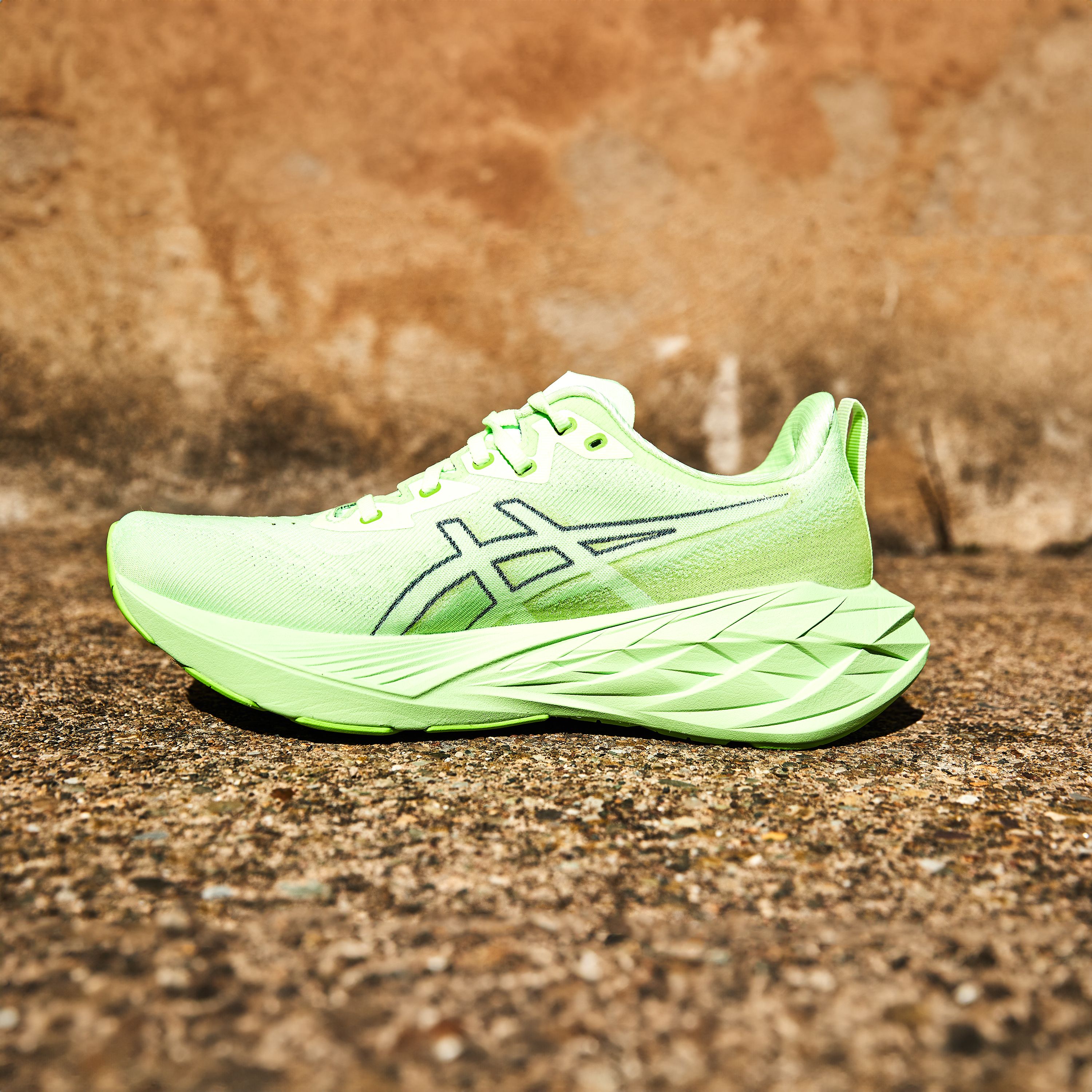
Since supinators don’t roll inward enough to absorb shock, extra cushioning is crucial. Look for shoes with thick midsoles made from soft, responsive foam. This helps protect your joints and makes running more comfortable.
2. Flexible Midsoles
A flexible sole allows your foot to move naturally. Stiff shoes can make underpronation worse, so look for models that bend easily at the forefoot.
3. Neutral Or Slightly Curved Last
Shoe “last” is the shape of the sole. Neutral or semi-curved lasts are best for supinators because they match the natural shape of a high-arched foot. Avoid shoes designed for overpronators, as these can push your feet even further outward.
4. Lightweight Construction
Heavy shoes can add strain to your stride. Lightweight designs help maintain proper form and reduce fatigue, especially during long runs.
5. Durable Outer Edge
Since underpronators put more pressure on the outer edge of their shoes, reinforced outsoles in this area can help shoes last longer.
6. Good Heel Support
A snug, supportive heel prevents excessive outward rolling and keeps your ankle stable.
Non-obvious Insights
Many beginners overlook these two points:
- Arch height matters: Some high-cushion shoes are made for flat feet. Make sure to choose models for high arches, not just ones with lots of padding.
- Try before you buy: Shoe size and fit can vary between brands. Always try on shoes in the afternoon or evening, as feet swell during the day.
Credit: www.runnersworld.com
How To Know If You Underpronate
Before investing in new shoes, it’s good to confirm your foot type. Here’s how:
The Wet Test
- Wet the bottom of your foot.
- Step onto a piece of cardboard or a paper bag.
- Look at the footprint:
- Narrow, curved print with little connection between heel and toe: Likely a high arch, which suggests underpronation.
- Wide, full print: Flat foot, more likely overpronation.
Shoe Wear Patterns
Check your old running shoes:
- Outer edge wear: More wear on the outer sole means you probably underpronate.
- Even wear: You likely have a neutral gait.
- Inner edge wear: More wear on the inside means overpronation.
Professional Gait Analysis
Many running stores offer a gait analysis. This quick test uses video or sensors to show how your feet move when you walk or run. It’s the most accurate way to know if you supinate.
Top 10 Running Shoes For Underpronation (women’s)
Finding the right pair can be overwhelming with so many options. Here are ten of the best running shoes for underpronation in women, based on expert reviews, user feedback, and the features discussed above.
| Shoe Model | Key Feature | Best For |
|---|---|---|
| ASICS Gel-Nimbus 25 | Maximum cushioning, flexible sole | Long-distance comfort |
| Brooks Ghost 15 | Soft, adaptive fit | Daily training |
| New Balance Fresh Foam 1080v13 | Plush foam, roomy toe box | High arches |
| Saucony Ride 16 | Responsive cushioning | Versatility |
| HOKA Clifton 9 | Lightweight, balanced cushion | Recovery runs |
| Nike Air Zoom Pegasus 40 | Springy ride, breathable mesh | Tempo runs |
| Mizuno Wave Rider 27 | Wave plate for stability | Road running |
| Brooks Glycerin 20 | Ultra-soft DNA LOFT cushioning | Maximum comfort |
| Adidas Ultraboost Light | Energy return, soft upper | Style and performance |
| Altra Torin 7 | Zero drop, natural foot shape | Natural running feel |
Below, you’ll find more details about each model and why it’s a strong choice for women with underpronation.
1. Asics Gel-nimbus 25
A classic favorite, the Gel-Nimbus 25 is known for its plush cushioning, which makes it ideal for high-mileage runners. The soft midsole absorbs impact, while a flexible forefoot allows for a natural stride. This model is also praised for its roomy toe box and supportive heel.
2. Brooks Ghost 15
The Ghost 15 offers a smooth, balanced ride thanks to its DNA LOFT midsole. It’s a neutral shoe, which means it won’t force your foot inward, and the upper adapts to different foot shapes. Many women find it comfortable for both short and long runs.
3. New Balance Fresh Foam 1080v13
This shoe stands out for its Fresh Foam X midsole, which feels soft but not mushy. The 1080v13 also has a wider toe box than many competitors, which is great for high arches. The mesh upper keeps feet cool and reduces hot spots.
4. Saucony Ride 16
The Ride 16 is a versatile, lightweight shoe with responsive foam that absorbs shock without feeling heavy. The flexible sole helps prevent the foot from rolling outward and encourages a more natural gait.
5. Hoka Clifton 9
Known for its thick, cloud-like midsole, the Clifton 9 is surprisingly light. It’s a great choice for recovery days or anyone who needs maximum protection from impact. The early-stage Meta-Rocker helps guide your stride forward.
6. Nike Air Zoom Pegasus 40
The Pegasus 40 is famous for its springy, responsive ride. The Air Zoom unit in the forefoot adds bounce, while the engineered mesh upper keeps things cool. It works well for tempo runs or faster paces, and the neutral platform is ideal for supinators.
7. Mizuno Wave Rider 27
Mizuno’s Wave Rider 27 uses a unique wave plate to spread impact and add a touch of stability. This makes it a popular choice for runners who want a responsive, not too soft ride. The shoe’s design supports high arches and encourages natural motion.
8. Brooks Glycerin 20
If you want a truly soft feel, the Glycerin 20 is hard to beat. Its DNA LOFT v3 cushioning is ultra-plush but still responsive. It’s a bit heavier than some options but provides excellent comfort for long distances.
9. Adidas Ultraboost Light
The Ultraboost Light combines style and performance with its energy-returning Boost midsole. The knit upper molds to your foot, providing both security and breathability. It’s a good pick for runners who want cushioning with a fashionable look.
10. Altra Torin 7
For women interested in a more natural feel, the Torin 7 offers a zero drop platform and foot-shaped toe box. This encourages natural foot splay and a more balanced stride. It’s best for runners who already have some experience with minimal drop shoes.
How These Shoes Compare
Here’s how some of the most popular models stack up for cushioning, flexibility, and weight:
| Shoe | Cushioning | Flexibility | Weight (Women’s, oz) |
|---|---|---|---|
| ASICS Gel-Nimbus 25 | Maximum | High | 9.0 |
| Brooks Ghost 15 | High | Moderate | 9.1 |
| HOKA Clifton 9 | Maximum | Moderate | 7.6 |
| Nike Pegasus 40 | Moderate | High | 8.2 |
| Altra Torin 7 | Moderate | High | 7.7 |
Tips For Choosing The Right Running Shoe For Underpronation
It’s not just about picking a well-known brand. Here’s how to find the best shoe for your unique needs:
1. Know Your Foot Shape
Feet come in all shapes and sizes. High arches are common among underpronators, but some have medium arches. Make sure the shoe fits your arch comfortably and doesn’t pinch or gap.
2. Prioritize Comfort Over Trend
Trendy shoes aren’t always the best for your feet. Focus on comfort, cushioning, and fit above all else.
3. Try On Shoes Later In The Day
Feet swell during the day. Try on shoes in the afternoon or evening for the most accurate fit.
4. Wear Your Running Socks
Bring the socks you’ll use for running when trying on new shoes. This gives you a true sense of fit and comfort.
5. Check The Return Policy
Sometimes, a shoe feels good in the store but not during a run. Choose retailers with a good return policy, so you can exchange shoes if they don’t work out.
6. Replace Old Shoes Regularly
Even the best shoes wear out. Most running shoes last between 300–500 miles. If you notice pain, less cushioning, or obvious wear, it’s time for a new pair.
7. Don’t Rely On Shoe Inserts Alone
While custom orthotics can help, they’re not a cure-all. Shoes designed for supinators provide a better overall solution.
Two More Insights Many Miss
- Heel-to-toe drop matters: Lower drop shoes can help some supinators, but if you’re new to this style, transition slowly to avoid injury.
- Outsole materials: Durable rubber on the outer edge extends shoe life, which is important for underpronators who wear this area down quickly.
The Science Behind Shoe Design For Underpronation
Understanding why certain shoes help underpronators can give you confidence in your choice. Here’s a closer look at the technology:
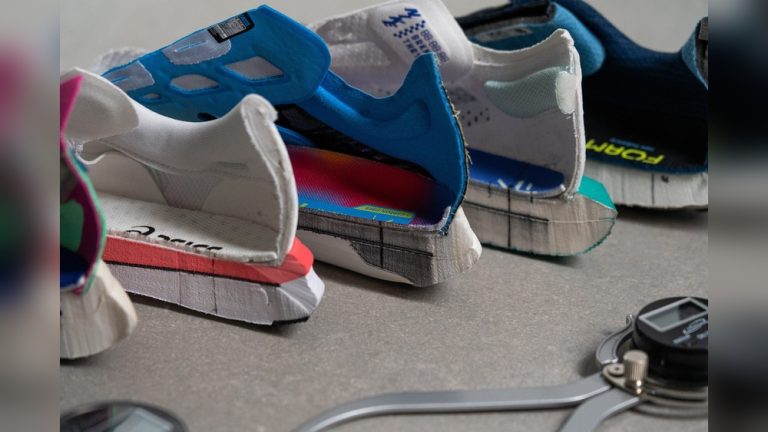
Cushioning Materials
Running shoes use different types of foam for shock absorption:
- EVA (Ethylene Vinyl Acetate): Lightweight and springy, common in many shoes.
- PU (Polyurethane): Denser, lasts longer but is heavier.
- Proprietary foams: Brands like ASICS’ FlyteFoam or Brooks’ DNA LOFT offer extra softness or bounce.
The best shoes for underpronation use a mix of these materials to balance comfort and durability.
Outsole Patterns
A shoe’s outsole isn’t just for grip—it can guide your stride. Shoes for supinators use:
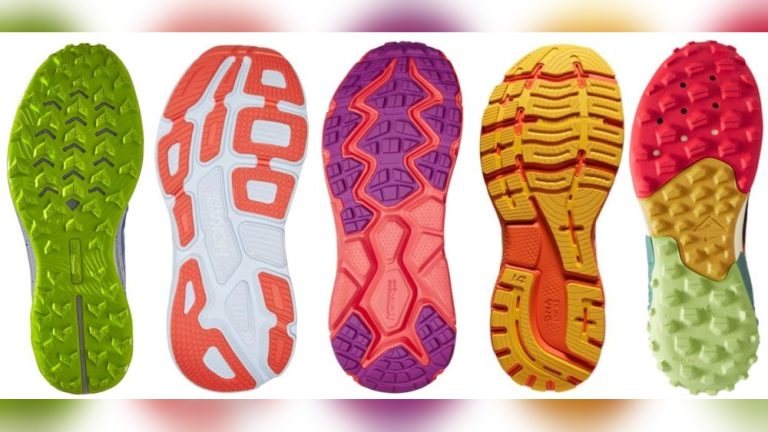
- Extra rubber on the outer edge for durability.
- Flex grooves in the forefoot for natural movement.
- Softer compounds in high-impact zones.
Upper Construction
The upper should be:
- Breathable: To keep feet cool and dry.
- Supportive: To hug the midfoot and heel without feeling tight.
- Flexible: To allow the foot to move naturally.
Heel And Arch Support
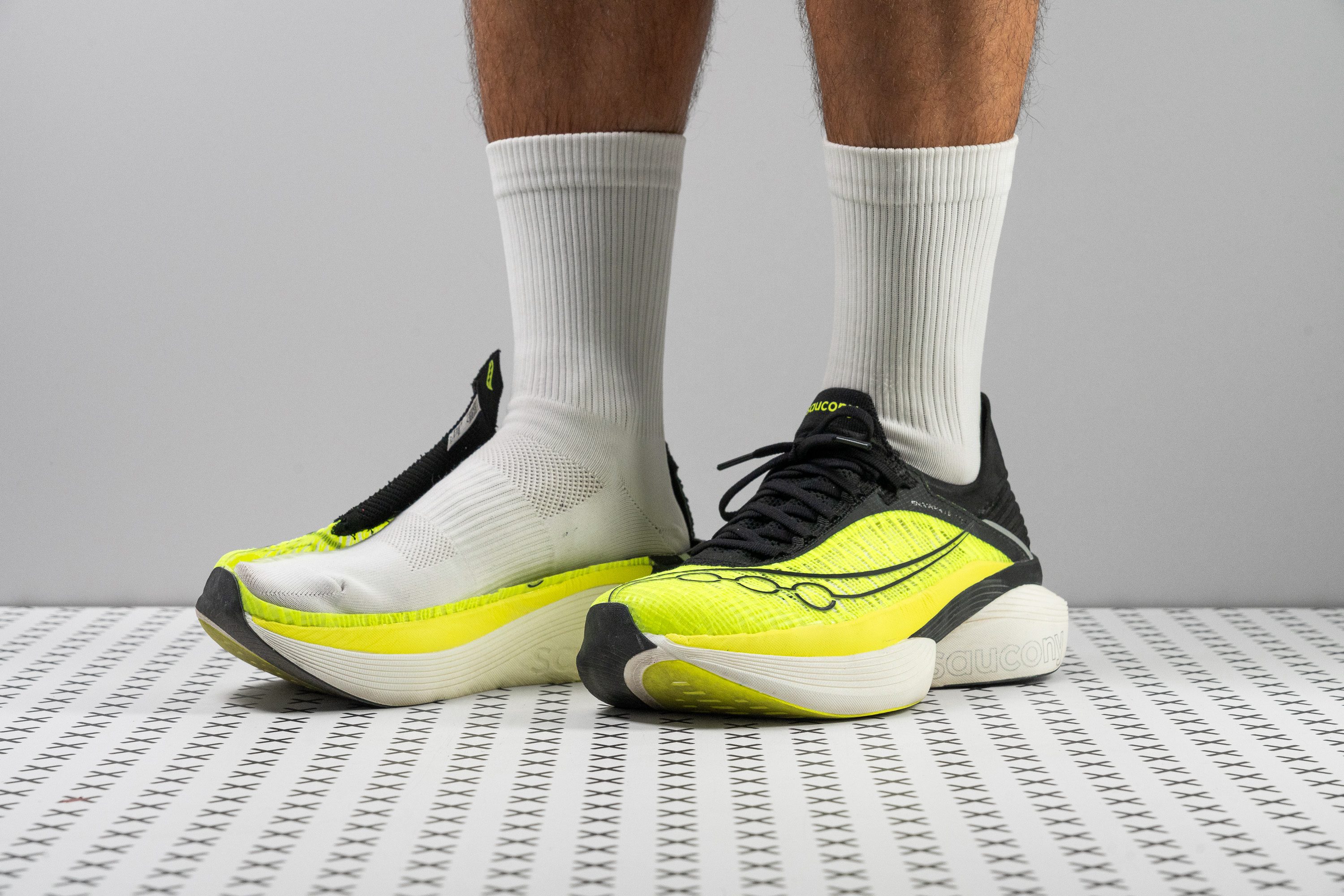
Shoes for underpronators need to support the heel without pushing the foot inward. The arch should provide just enough lift for comfort, not correction.
Credit: runrepeat.com
Common Mistakes When Buying Running Shoes For Underpronation
Even experienced runners make errors when choosing shoes. Here are some pitfalls to avoid:
1. Choosing Stability Or Motion Control Shoes
These are made for overpronators and can make underpronation worse. Stick to neutral or cushioned models.
2. Ignoring Shoe Weight
Heavy shoes may seem more protective but can add strain over long distances. Lightweight models reduce fatigue.
3. Overlooking Fit
A shoe that’s too narrow can cause blisters, while one that’s too loose may lead to sliding and instability.
4. Focusing Only On Brand
Well-known brands make great shoes, but their models vary. Always check if the shoe is meant for neutral or supinating runners.
5. Not Considering Terrain
Trail shoes and road shoes have different support and grip. Choose based on where you run most.
6. Forgetting About Socks
Thick or thin socks can affect fit. Try shoes with the socks you’ll wear for running.
7. Skipping Break-in
Even soft shoes need a few runs to mold to your foot. Don’t judge comfort on the first wear alone.
Running Form Tips For Underpronators
Shoes are only part of the solution. Improving your running form can further reduce injury risk:
1. Land Softly
Focus on landing with a bent knee and a soft, midfoot strike. Avoid heavy heel striking, which increases shock.
2. Strengthen Ankles And Calves
Exercises like calf raises, ankle circles, and balance work can improve stability and reduce rolling.
3. Stretch Regularly
Tight calves and Achilles tendons are common in supinators. Daily stretching helps prevent injuries.
4. Increase Mileage Gradually
If you’re switching to new shoes or changing your running form, build up your distance slowly to avoid overuse injuries.
Comparing Women’s Running Shoes For Underpronation: Price And Value
Price is a big factor for many runners. Here’s a look at how some popular models compare for value, based on average retail prices in the US:
| Shoe Model | Average Price (USD) | Best Value For |
|---|---|---|
| ASICS Gel-Nimbus 25 | $160 | High-mileage runners |
| Brooks Ghost 15 | $140 | Daily training |
| New Balance 1080v13 | $160 | Arch support |
| HOKA Clifton 9 | $145 | Lightweight cushion |
| Adidas Ultraboost Light | $190 | Style and comfort |
While price can reflect technology and materials, the most expensive shoe isn’t always the best for your needs. Consider your running habits, comfort, and fit.
How To Break In Your New Running Shoes
Once you’ve chosen your perfect pair, breaking them in correctly helps ensure comfort and prevents blisters.
- Start slow: Wear your new shoes for short walks or easy runs before using them for long distances.
- Watch for hot spots: If you feel rubbing, try adjusting the laces or switching socks.
- Rotate with old shoes: Use your old and new shoes on alternate days until your feet adjust.
- Monitor wear: Check for signs of discomfort or uneven wear after a few runs.
Most shoes feel fully broken in after 20–30 miles.
When To See A Specialist
If you have persistent pain, recurring injuries, or trouble finding a comfortable shoe, consider seeing a podiatrist or sports medicine specialist. Custom orthotics may help in some cases, but most underpronators do well with the right off-the-shelf shoes. A professional can also check your running form and suggest exercises to improve stability.
Frequently Asked Questions

Credit: www.runnersworld.com
What Is The Difference Between Underpronation And Overpronation?
Underpronation (supination) means your foot rolls outward when you run or walk, putting pressure on the outer edge. Overpronation means your foot rolls inward, which is more common. Both can lead to injuries, but they need different types of shoes. Underpronators should choose neutral, cushioned shoes, while overpronators often need stability or motion control shoes.
Can I Use Custom Insoles With Running Shoes For Underpronation?
Yes, you can use custom insoles or orthotics if recommended by a specialist. However, the best results usually come from shoes designed for underpronation, as they offer the right support and flexibility. Insoles can add comfort but should not replace proper shoe structure.
How Often Should I Replace Running Shoes For Underpronation?
Most running shoes should be replaced every 300–500 miles. Underpronators often wear out the outer edge faster, so check for uneven wear. If you notice less cushioning, discomfort, or visible damage, it’s time for a new pair.
Are There Special Brands That Make Shoes Only For Underpronation?
No major brand makes shoes exclusively for underpronators, but brands like ASICS, Brooks, New Balance, and HOKA have many models suitable for supination. Always look for neutral or cushioned shoes, not stability models.
Where Can I Learn More About Running Injuries From Underpronation?
For more in-depth medical information, visit the Mayo Clinic’s foot pain resources. They provide details on foot types, injuries, and treatment options.
Choosing the right running shoes for underpronation can make a big difference in your comfort, performance, and injury risk. With so many great options for women, you don’t have to settle for pain or discomfort. Focus on cushioning, fit, and flexibility, and don’t be afraid to try a few models to see what feels best for your unique feet.
Happy running!
One Comment