
Difference between Running and Tennis Shoes: Key Features Explained

Most people know that the right shoes matter for sports. But do you really need different shoes for running and tennis? The answer is yes—and the difference goes far beyond style or brand. Wearing the wrong type can lead to discomfort, poor performance, or even injury.
Yet, many beginners buy shoes based only on looks or price, missing key details that affect safety and enjoyment.
This article will explore the difference between running and tennis shoes. You’ll learn what sets each type apart, why it matters, and how to choose wisely based on your needs. We’ll break down the science, design, and real-world impact—so you can make smart decisions and avoid common mistakes. Whether you run, play tennis, or do both, this guide will give you a clear understanding and practical tips to help you move with confidence.
Why Shoe Design Matters
Choosing the right shoe isn’t just about comfort. It’s about supporting your body’s movement. The wrong shoe can cause problems like blisters, knee pain, or even twisted ankles. Every sport demands certain movements—jumping, stopping, sprinting, or sliding. Shoes are designed to help (or protect) you during these actions.
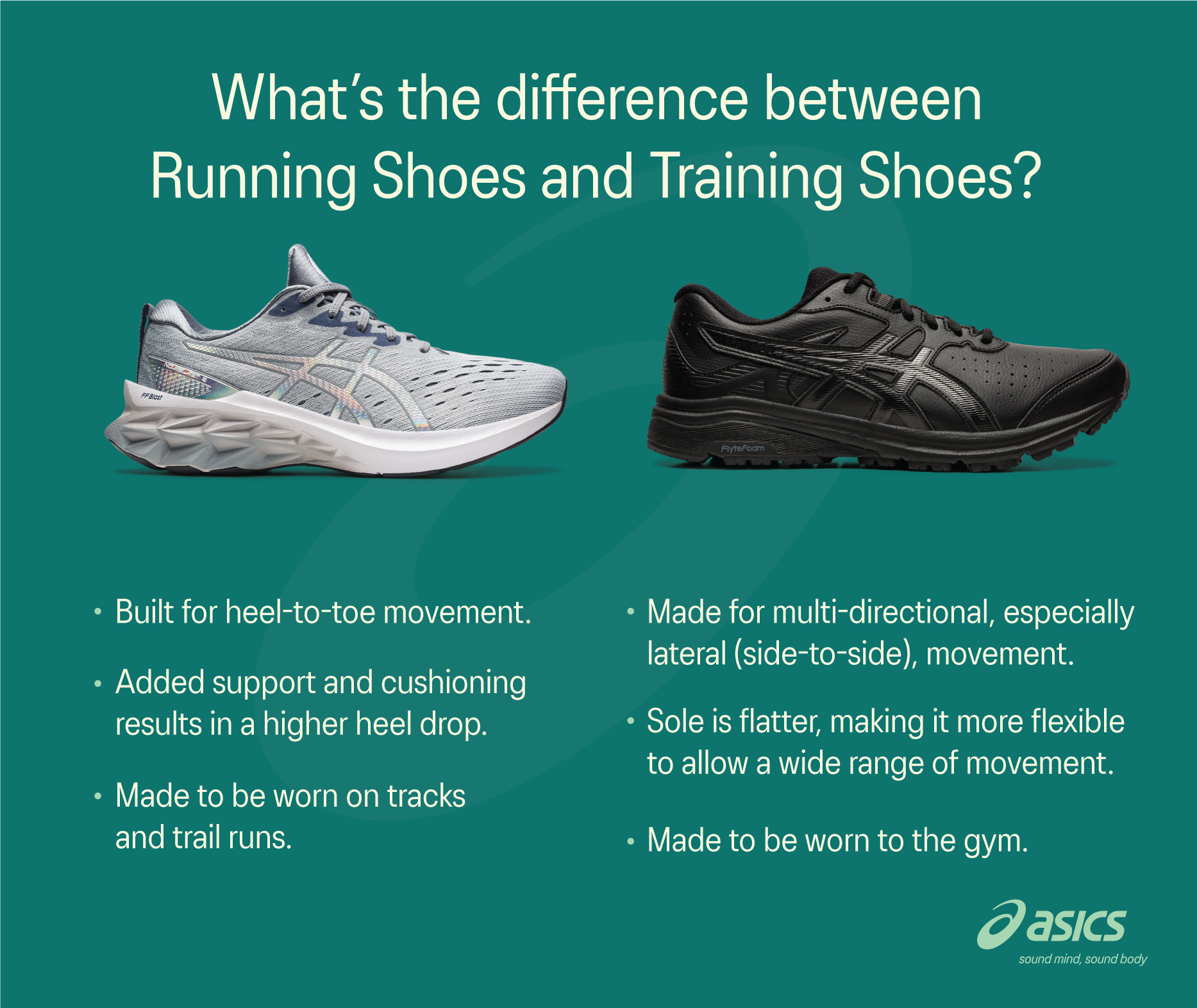
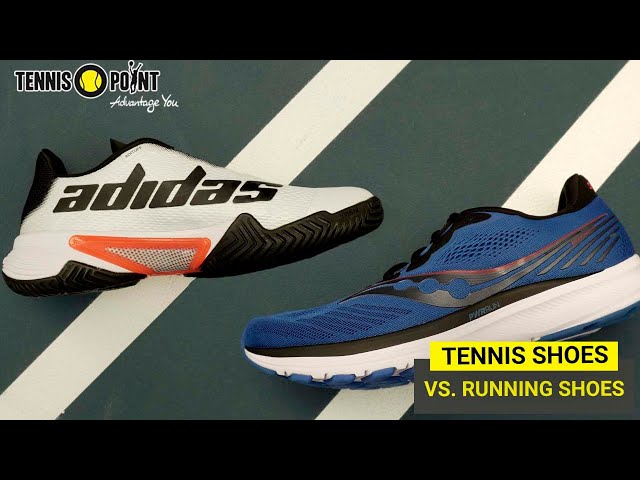
Running shoes and tennis shoes are built for very different tasks. Running is mostly forward motion, while tennis involves sudden stops, starts, and side-to-side movement. Each shoe type is a response to these needs.
Key Differences: Running Vs Tennis Shoes
Let’s get straight to the main differences. Here’s a quick comparison to set the stage:
| Feature | Running Shoes | Tennis Shoes |
|---|---|---|
| Main Motion | Forward (heel-to-toe) | Multi-directional (side-to-side, diagonal, forward, backward) |
| Cushioning | More, especially in heel and midsole | Moderate, balanced throughout sole |
| Stability | Less lateral support | Strong lateral support |
| Sole Design | Flexible, curved, smooth tread | Flat, durable, patterned for grip |
| Upper Material | Lightweight, breathable mesh | Heavier, reinforced for durability |
| Weight | Lighter | Heavier |
| Durability | Designed for forward wear | Reinforced for toe dragging and lateral movement |
These differences are not just technical—they affect your comfort, performance, and safety. Let’s dig deeper into each aspect.
Anatomy Of A Running Shoe
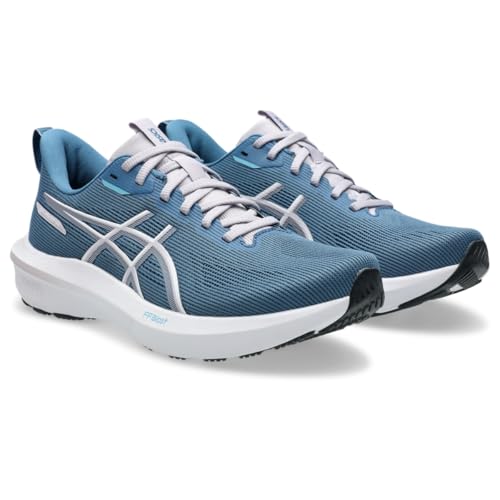
Running shoes are made for repetitive, straight-ahead movement. They focus on shock absorption and efficiency.
Cushioning: Soft Landings
Most running shoes use thick midsoles with foam or gel to absorb the impact of each step. The heel often has extra padding, because runners strike the ground with the heel or midfoot. For example, the popular Nike Pegasus has a 12mm heel-to-toe drop, meaning the heel sits higher than the toe for a smooth roll forward.
Sole Shape: Curved For Roll
Look at a running shoe from the side. You’ll see a slight upward curve at the toe and heel—known as a “rocker.” This helps your foot roll naturally from heel to toe. The sole is often narrower and more flexible, making it easier to move quickly in one direction.
Upper: Lightweight And Breathable
The top part (the “upper”) is usually made from mesh or knit. This keeps the shoe light and lets heat escape, which is important over long distances. Running shoes are rarely reinforced on the sides because runners don’t make sudden side moves.
Outsole: Smooth And Grippy
The bottom (outsole) has simple tread patterns for road, track, or trail grip. Road shoes are smoother, while trail running shoes have deeper lugs for dirt and mud.
Weight: Lightness Matters
Most running shoes weigh 8–10 ounces (225–285 grams) for men’s size 9. Lighter shoes mean less fatigue over long runs.
Durability: Designed For Repetition
Running shoes are expected to last 300–500 miles (480–800 km), depending on the runner’s weight, style, and surface.
Anatomy Of A Tennis Shoe
Tennis puts unique demands on your feet. You’re constantly stopping, starting, pivoting, and sliding. Shoes must protect you in all directions.
Stability: Side-to-side Support
Tennis shoes feature sturdy sidewalls and reinforced uppers. This stops your foot from rolling out during quick lateral (side) moves. Some models have extra straps or overlays for added security.
Cushioning: Balanced, Not Plush
The cushioning is firmer and evenly spread across the shoe. Too much softness would make you unstable on court. The goal is to absorb shock from jumps and sprints, but still let you “feel” the ground.
Outsole: Durable And Grippy
Tennis shoes have thicker, tougher outsoles. The tread pattern depends on the court type:
- Herringbone (zigzag) for hard courts
- Circular or nubs for clay courts (to grip loose dirt)
- Flat with small pimples for grass (to prevent slipping)
The outsole often wraps up over the toe to protect against dragging during serves and volleys.
Upper: Reinforced And Heavy Duty
Tennis shoes use leather, synthetic leather, or thick mesh. This resists wear from sliding and sudden stops. Breathability is important, but not as much as durability.
Weight: Sturdy But Heavier
Tennis shoes usually weigh 12–15 ounces (340–425 grams) for men’s size 9. The extra weight comes from reinforced parts.
Durability: Built For Abuse
Tennis shoes last 45–60 hours of court play. That’s less than running shoes in miles, because court movement is so demanding.
Credit: www.romantik-chalets.com
How Movement Shapes Shoe Design
The biggest difference comes from how each sport moves your body:
- Running: Forward motion, repetitive steps, little side movement.
- Tennis: Quick bursts, stops, jumps, and lots of lateral moves.
Running shoes help you move efficiently in a straight line. Tennis shoes protect you from twisting or sliding as you move in all directions. Here’s how that plays out:
| Movement | Ideal Feature | Running Shoe | Tennis Shoe |
|---|---|---|---|
| Forward Sprint | Cushioned heel, flexible sole | Excellent | Good, but less soft |
| Sudden Stop | Firm midsole, stable base | Average | Excellent |
| Lateral Slide | Sturdy sides, grippy edge | Poor | Excellent |
| Jump & Land | Even cushioning, reinforced upper | Good | Excellent |
Injury Risks: Using The Wrong Shoe
Wearing the wrong shoe type isn’t just a comfort issue. It’s a real risk. Here’s what can happen:
- Running in tennis shoes: The shoes are heavier, stiffer, and less cushioned. Over time, this can lead to knee pain, shin splints, or sore feet. You’ll feel slower, too.
- Playing tennis in running shoes: The lack of side support makes it easy to roll an ankle. The mesh upper can tear if you slide or drag your toe. The soles wear out faster, and you lose grip.
One non-obvious insight: Most running injuries from the wrong shoes are “overuse injuries” (pain that builds up over time), while tennis injuries tend to be sudden accidents (like ankle sprains). The right shoe helps prevent both.
Real-world Examples
Let’s imagine two athletes:
- Anna is a casual runner who wants to try tennis with her running shoes.
- Luis is a tennis player who starts running for fitness, wearing his court shoes.
Anna finds her shoes slide on the court, and the mesh starts to tear after a few games. She feels unstable when reaching sideways. Luis, on the other hand, feels tired quickly when running. His tennis shoes feel “slappy” and heavy, and he gets shin splints after a few weeks.
Both would benefit from using the right shoes for each activity. These are not rare stories. Many beginners make this mistake, thinking “a sports shoe is a sports shoe. ” It’s not true.
Key Features To Look For
If you’re shopping for shoes, focus on features that match your sport:
Running Shoes
- Heel Cushioning: More for heel strikers
- Arch Support: Matched to your foot type (flat, neutral, high arch)
- Breathability: Mesh for hot weather runs
- Weight: Lighter for speed, more cushioned for long runs
Tennis Shoes
- Lateral Support: Sturdy sides and overlays
- Durable Upper: Reinforced toe and midfoot
- Outsole Type: Matched to your court (hard, clay, grass)
- Fit: Snug, not loose, to avoid slipping
Credit: www.youtube.com
The Role Of Foot Type And Gait
Not all feet are the same. Your arch height and the way you walk or run (your “gait”) matter when choosing shoes.
- Overpronators (feet roll in): Need more support in running shoes, and stable tennis shoes.
- Neutral runners: Can wear most shoe types, but should still match shoe to sport.
- High arches: Need extra cushioning.
A professional fitting or a “gait analysis” (offered by many running stores) can help you pick the right model. This is often missed by beginners, who buy by size alone.
Price And Value Comparison
Quality shoes are an investment in your health. But prices vary:
| Shoe Type | Average Price (USD) | Lifespan | Best For |
|---|---|---|---|
| Running Shoes | $100–$180 | 300–500 miles | Runners, walkers |
| Tennis Shoes | $80–$160 | 45–60 court hours | Tennis, pickleball, paddle sports |
A $120 tennis shoe may seem expensive, but if it prevents one ankle injury, it pays for itself. Don’t buy by price alone—fit and function are more important.
Common Myths And Mistakes
Beginners often believe:
- “Any sneaker will do.” Not true. Modern sports shoes are specialized for a reason.
- “Running shoes have more cushion, so they’re better for tennis.” Actually, too much cushion makes you unstable on court.
- “I can use tennis shoes for running.” They’re too heavy and stiff, leading to fatigue and overuse injuries.
- “I need the most expensive shoe.” Not always. The best shoe is the one that fits your foot and sport.
Another insight: Many people buy shoes too small, causing blisters and black toenails. Always try shoes on at the end of the day (when your feet are largest) and wear your sport socks.
When You Can Use One Shoe For Both
Is it ever OK to use one shoe for both sports? Sometimes. If you only play tennis or run occasionally (once a month), a “cross-trainer” shoe can work. These are designed for gym workouts, light jogging, and some court play. But for regular runners or tennis players, specialized shoes are much better.
How To Pick The Right Shoe For You
Here’s a practical step-by-step guide:
- Identify your main activity: Are you running or playing tennis more often?
- Know your foot type: Flat, neutral, or high arch?
- Try on shoes at the end of the day: Feet swell during the day.
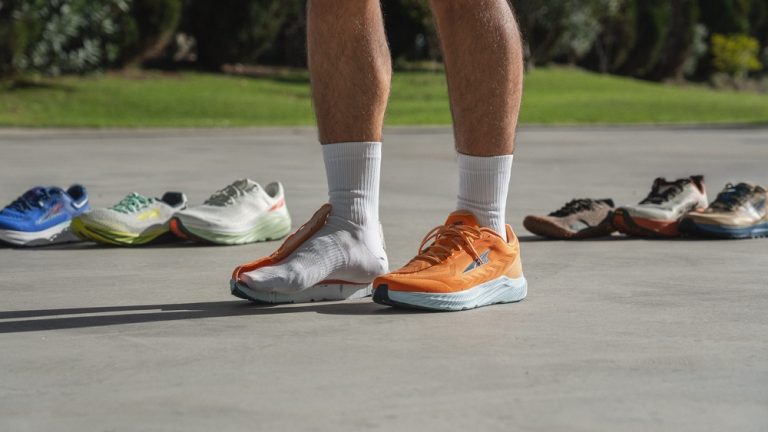
- Wear sport socks: The socks you use in your sport affect fit.
- Test for fit: There should be a thumbnail’s width between your longest toe and the end of the shoe.
- Walk, run, or mimic your sport in the store: Jump, slide, or jog in place.
- Check for pressure points: The shoe should feel secure, not tight.
- Ask about return policies: Some stores let you test at home.
Remember: The best shoe is the one that feels right for your foot, sport, and style.
Innovation And Technology Trends
Shoe technology changes fast. Here are some trends:
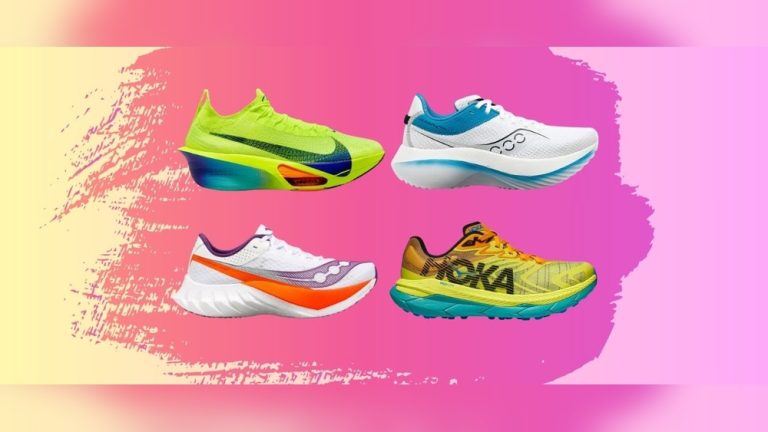
- Foam Types: Running shoes now use lightweight, energy-return foams (like Nike ZoomX or Adidas Boost). Tennis shoes use denser, more stable midsoles.
- Carbon Plates: Some running shoes have stiff plates for “spring” and speed. These are not used in tennis shoes (too unstable for side moves).
- Knitted Uppers: Both types now use engineered mesh, but tennis shoes reinforce it more.
- 3D Printing: Some brands use 3D-printed parts for precise fit and support.
- Sustainable Materials: Recycled plastics and plant-based foams are becoming common.
Always try new tech in-store if possible. Not every innovation works for every foot or sport.
Care And Maintenance
Shoes last longer if you care for them:
- Rotate pairs: Don’t wear the same pair every day. Let them air out.
- Clean after use: Brush off dirt; use mild soap for stains.
- Dry naturally: Never put shoes in direct heat or a dryer.
- Check for wear: Replace shoes when the tread is worn or the cushioning feels flat.
A well-cared-for shoe protects your feet and wallet.
Environmental And Lifestyle Impact
Shoe manufacturing leaves a footprint. Some brands are making efforts to reduce waste and use recycled materials. If you care about sustainability, look for brands with eco-friendly lines or certifications.
Another lifestyle point: If you walk a lot, you might choose running shoes for comfort. But if you play tennis even once a week, it’s worth having a dedicated pair to avoid injury.
How Professionals Choose
Top athletes work with shoe specialists. They often custom-fit shoes based on foot scans, movement analysis, and even past injury data. While most people don’t need this level of detail, it shows how much thought goes into “just a shoe.
”
If you have chronic pain or past injuries, consult a podiatrist or sports shoe expert for advice.
Key Takeaways
- Running and tennis shoes are designed for different movements. Running shoes prioritize forward motion and cushioning; tennis shoes focus on lateral stability and durability.
- Wearing the wrong shoe increases injury risk and reduces performance.
- Fit, support, and sole design are more important than brand or price.
- Don’t use running shoes for tennis or vice versa if you play or run regularly.
- Try shoes on with your sport socks and test them with real movements.
For more in-depth science on shoe design and injury risk, see this Wikipedia article on athletic shoes.

Credit: www.youtube.com
Frequently Asked Questions
What Happens If I Use Running Shoes For Tennis?
Running shoes lack side support and durable soles. You may slip, roll your ankle, or wear out the shoes quickly. This increases your risk of injury, especially during fast side movements.
Can I Use Tennis Shoes For Jogging?
It’s possible for very short runs, but tennis shoes are heavier and less cushioned. Over time, you’ll feel more fatigue and may develop shin or knee pain. For regular running, choose proper running shoes.
How Often Should I Replace My Tennis Or Running Shoes?
Replace running shoes every 300–500 miles (or when the sole looks worn, or cushioning feels flat). Replace tennis shoes after 45–60 hours of court play or when the tread is smooth.
What’s The Main Difference In Sole Design?
Running shoes have a curved, flexible sole for forward motion, with more heel cushioning. Tennis shoes have a flat, durable sole with patterns for grip and reinforced edges for lateral movement.
Are Cross-trainers A Good Option?
Cross-trainers are a compromise—they’re ok for light running and casual court sports, but not ideal for serious runners or tennis players. They lack the specialized support needed for frequent, intense activity.
Choosing the right shoe for your sport can prevent injuries, improve your performance, and make exercise more enjoyable. Take your time, try different options, and listen to your body. Your feet will thank you.
One Comment