
Zero Drop Running Shoes Women: Top Picks & Guide 2026

Zero drop running shoes women encourage natural form, even load, and a balanced stride.
If you are curious about how zero drop running shoes women can change comfort, speed, and injury risk, you are in the right place. I test shoes for a living and coach runners from 5K to ultra. In this guide, I explain how zero drop works, who thrives in it, who should be careful, and how to pick and use the right pair with confidence.
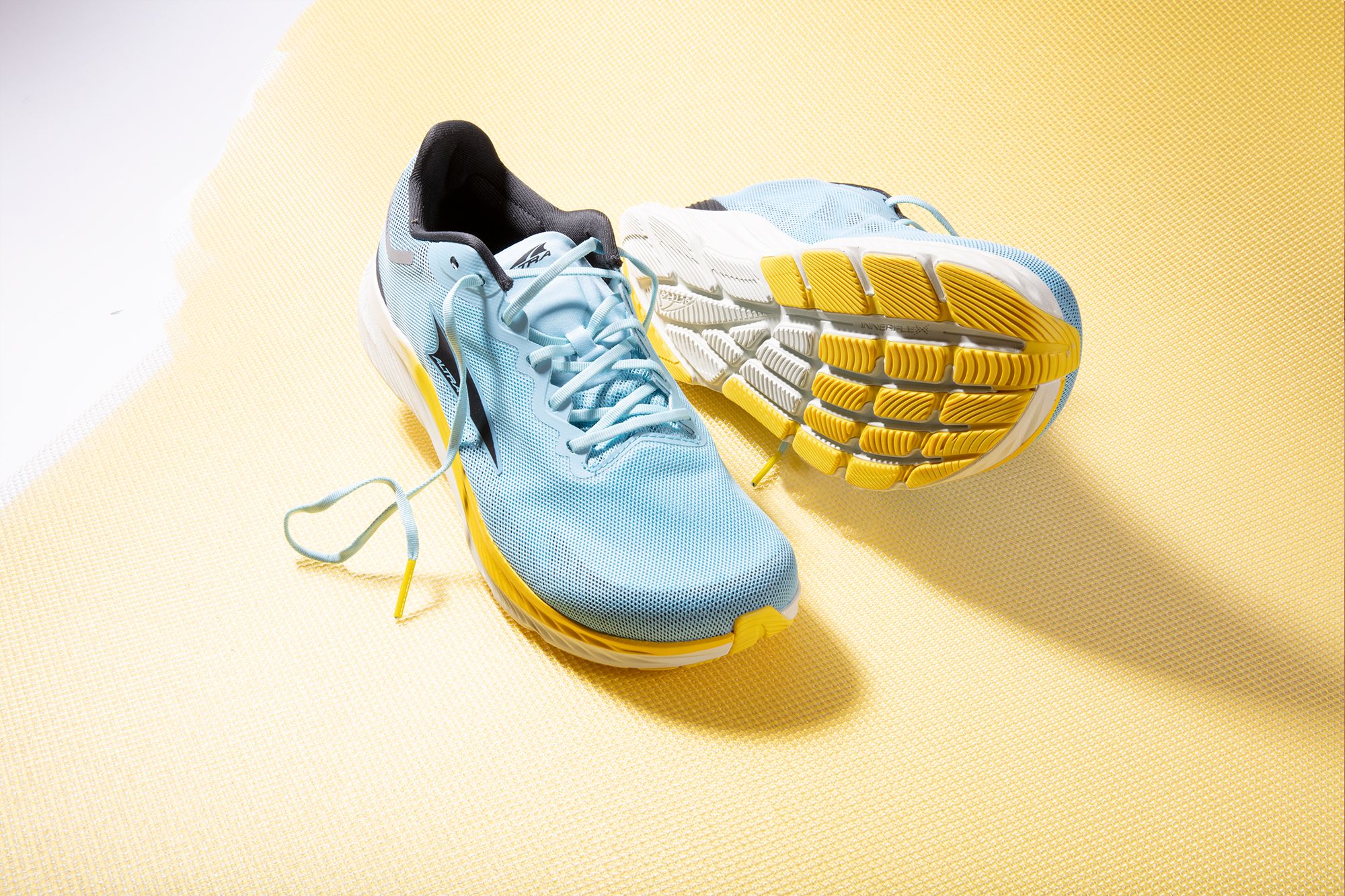
What are zero-drop shoes, exactly?
Zero drop means the heel and forefoot sit at the same height from the ground. There is no heel lift. Many people think zero drop equals barefoot. Not always. Some zero drop shoes have thick cushioning. Others are very thin.
When people say zero drop running shoes women, they often want a natural feel and a roomy toe area. The goal is better posture and a smooth, midfoot strike. This can help balance load from knees to ankles and feet.
Key terms you will see:
- Heel-to-toe drop The height difference between heel and forefoot.
- Stack height The total cushioning under your foot.
- Flex point Where the shoe bends with your foot.
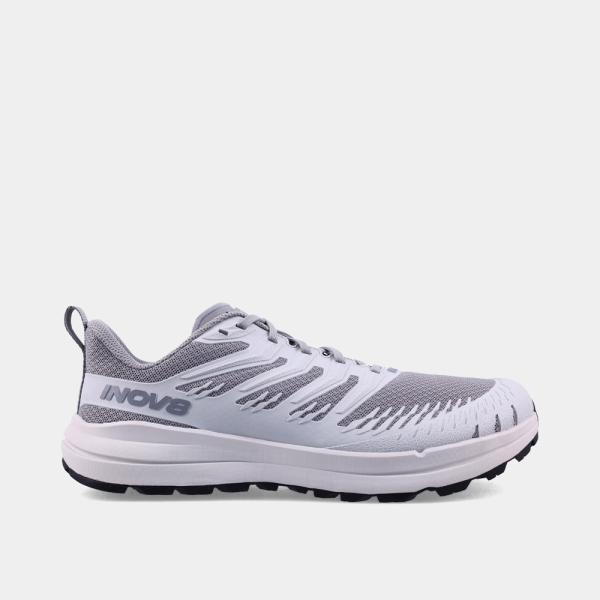
Benefits for women who run in zero drop
Zero drop running shoes women can improve alignment from head to toe. With no heel lift, your body sits upright. Your steps get light. Cadence often rises a bit, which can reduce overstriding.
Potential gains I see in athletes:
- More stable landings A midfoot strike can spread impact.
- Better foot strength Small muscles wake up and help more.
- Calf and glute engagement You feel the work in the right places.
- Less knee load Some runners feel less patellar stress with lower drop.
Research shows lower drop shifts load from the knee to the ankle and foot. That can help knee pain for some. It can also stress the calf for others. Zero drop running shoes women are a tool. The value depends on your body, history, and pace.

Limits, risks, and who should be careful
Zero drop running shoes women are not a cure-all. They change how forces move. If you jump in fast, you can get sore or hurt.
Common risks with a rushed switch:
- Tight calves and Achilles The tendon works harder with less heel lift.
- Plantar pain If your foot is not used to the load, it may flare.
- Metatarsal stress Thin shoes can press forefoot bones more.
- Too much too soon Volume spikes cause more issues than shoes do.
Who should be careful:
- Runners with active Achilles tendinopathy or plantar fasciitis.
- New runners who lack base strength.
- High-mileage racers right before goal events.
If you are in one of these groups, go slow. Or use a small drop shoe first. Zero drop running shoes women can still work for you, but your plan must be smart.
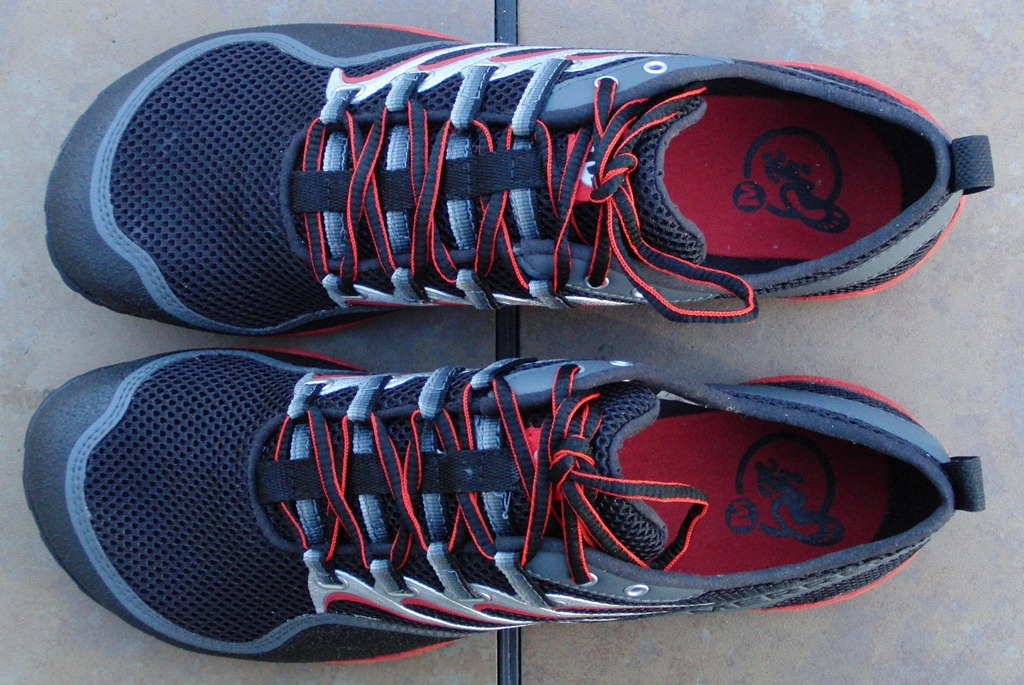
A safe transition plan
I ask my athletes to earn their zero drop time. The goal is calm, steady change. Use this simple four-stage plan. Move on only if you feel good for two days after each step.
Week 1 to 2
- Wear zero drop for short walks and errands.
- Add 5 to 10 minutes of easy running at the end of your normal run, twice a week.
Week 3 to 4
- Do one full easy run in zero drop per week.
- Keep two runs in your old shoes.
- Add calf raises and toe yoga three times a week.
Week 5 to 6
- Two easy runs in zero drop each week.
- One run in your old shoes.
- Keep strength work and add light hops on soft ground.
Week 7+
- Move most easy runs to zero drop if all feels good.
- Keep one run per week in your old drop. Rotation is smart.
This approach helps zero drop running shoes women feel natural. Your muscles adapt while you keep training.

Fit and sizing tips for women
Foot shape matters. Many women have a narrower heel, higher arches, and toes that need room. A good match makes or breaks the ride.
Fit guide I use:
- Length Aim for a thumb’s width at the toe in standing.
- Width The toe box should let toes splay. No pinch at the pinky.
- Heel hold The heel should feel snug without rub.
- Arch support Choose neutral if you can. Add support only if needed.
- Socks Test with the socks you run in.
Note on insoles You can use custom orthotics in many zero drop shoes. But test for stability. The combo should not raise the heel too high.
As you shop for zero drop running shoes women, try pairs late in the day when feet are a bit swollen. That mimics long-run size.

When zero drop shines: road, trail, and daily life
Zero drop running shoes women can fit many tasks. Pick the right stack and grip for the job.
Great use cases:
- Road easy runs A soft zero drop trainer can feel smooth and kind.
- Trail runs A stable, zero drop trail shoe keeps you low and secure.
- Speed drills A light, flexible shoe helps quick turnover.
- Strength days Flat shoes help lifts feel grounded.
- Walking and travel Feet love space on long days.
Match the shoe to your surface. Slick roads call for sticky rubber. Rocky trails need lugs and a firm base. Thin shoes on hard ground can tire feet fast. Thicker zero drop helps on long days.
:max_bytes(150000):strip_icc()/vwt-walking-shoes-test-altra-lone-peak-7-jaylyn-pruitt-03-2bf78419ba75488f83ac14f12e23e022.jpeg)
How to choose the right pair
Use this checklist to pick zero drop running shoes women with care.
What to look for:
- Purpose Daily miles, speed, trail, or hybrid.
- Stack height Thicker for long runs, thinner for feel and form work.
- Flex Easy bend at the forefoot, stable at the heel.
- Outsole Grip that matches your terrain.
- Upper Fit A secure heel and a roomy forefoot.
- Weight Light helps speed, but cushion adds comfort.
- Rocker shape Some zero drop have a slight rocker to ease toe-off.
Try a slow jog in the store. Note any hot spots, heel slip, or forefoot pinch. Your first steps should feel natural. If you fight the shoe, it is not your shoe.
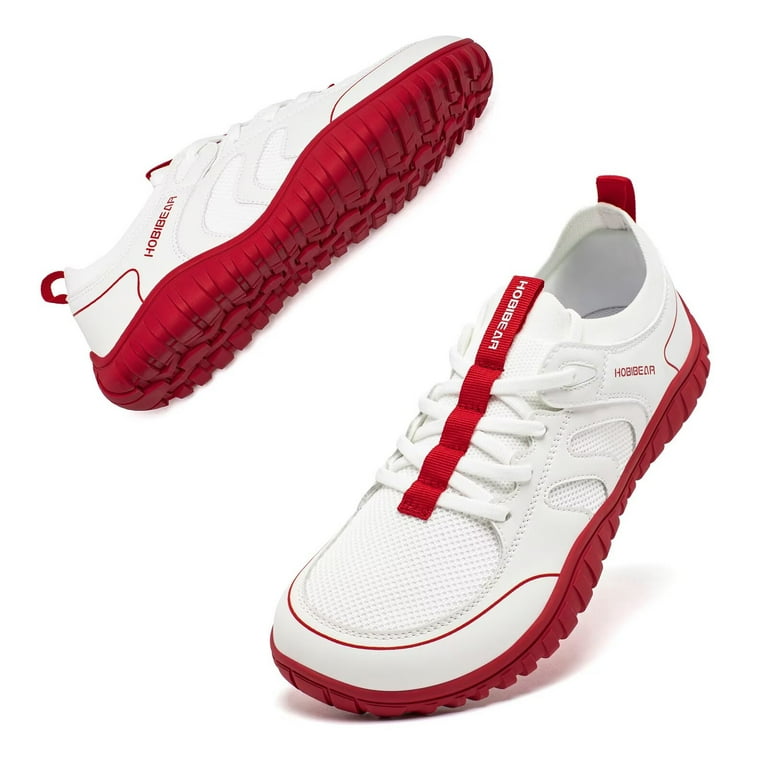
Care, rotation, and lifespan
Zero drop running shoes women last about 300 to 500 miles, based on foam and use. Track miles, not just months.
Care tips:
- Rotate pairs Change loads on your body and let foam rebound.
- Air dry Remove insoles. Stuff with paper if soaked.
- Avoid heat Do not bake in sun or a dryer.
- Inspect the outsole Look for bald spots or uneven wear.
- Watch for new aches If pain rises, your shoe may be done.
Replace when the midsole feels flat, traction fades, or small pains creep in. Your body is the best sensor you have.
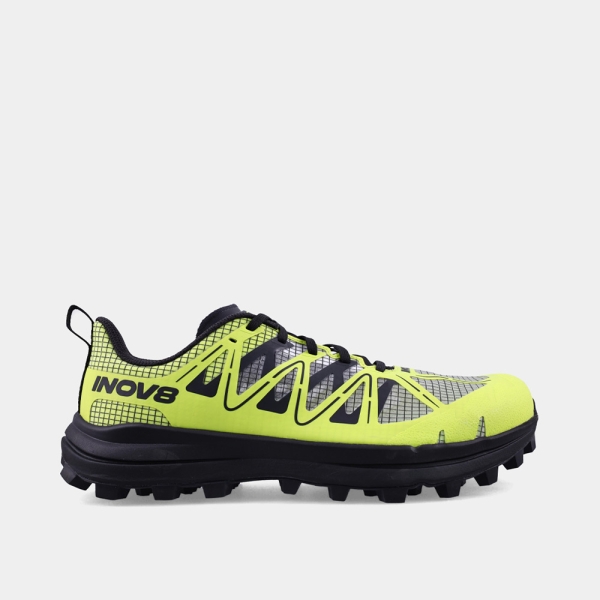
My field notes and lessons learned
I moved to zero drop after years in 8 to 10 mm drop shoes. The first week, my calves barked. I cut the dose and did daily calf raises. By week four, my stride felt smooth and light. My knees also felt calmer on easy runs.
With athletes, I see two patterns. The patient switch works well. The rushed switch backfires. The winners treat zero drop running shoes women like a new strength plan. They build slow. They pick the right stack for the job. And they keep one higher-drop shoe for hard days when calves are tired.
Mistakes to avoid:
- Doing all runs in zero drop on day one.
- Ignoring calf and foot strength.
- Choosing a thin shoe for long, hard roads too soon.
- Sizing too small. Toes need space to work.
Zero drop is a tool. Use it well, and it can help you run free.
Frequently Asked Questions of zero drop running shoes women
Are zero drop shoes good for beginners?
They can be, with a slow plan. Start with walks and short runs, and keep most miles in your current shoes for a few weeks.
Will zero drop help knee pain?
It might by shifting load away from the knee. It can add load to the calf and Achilles, so progress with care.
How long does the transition take?
Most runners need 6 to 8 weeks to feel normal. Some need longer if they run high volume or have a pain history.
Can I use insoles in zero drop shoes?
Yes, but test the stack and feel. Some insoles raise the heel and change the shoe’s balance.
Are zero drop running shoes women good for trails?
They can be great on trails due to a low, stable base. Look for lugs and a rock plate if your trails are rocky.
Do zero drop shoes make you faster?
They can help cadence and form for some runners. Speed gains come from training first, then the shoe.
What socks work best with zero drop?
Use thin to medium socks that do not crowd the toe box. Seamless socks help prevent hot spots.
How often should I replace zero drop shoes?
Every 300 to 500 miles for most foams. Heavier runners or harsh terrain may shorten that range.
Conclusion
Zero drop running shoes women can boost form, balance load, and build strong feet. They are not magic, but when matched to your needs and used with a smart plan, they feel natural and help you run with ease.
Try a slow, steady switch. Pick the right stack for your runs. Listen to your body and log your miles. If this guide helped, share it with a running friend, subscribe for more tips, or drop your questions in the comments.

One Comment