Extra Wide Running Shoes For Men: Top Picks 2026

Extra wide running shoes for men give more room, reduce pressure, and improve comfort.
If you have wide feet, bunions, or swelling, the right shoe can change your run. I have spent years fitting runners and testing gear. I also run in 4E shoes for long days. In this guide, I break down extra wide running shoes for men with clear steps, real picks, and fit tips you can use today.
What “extra wide” really means
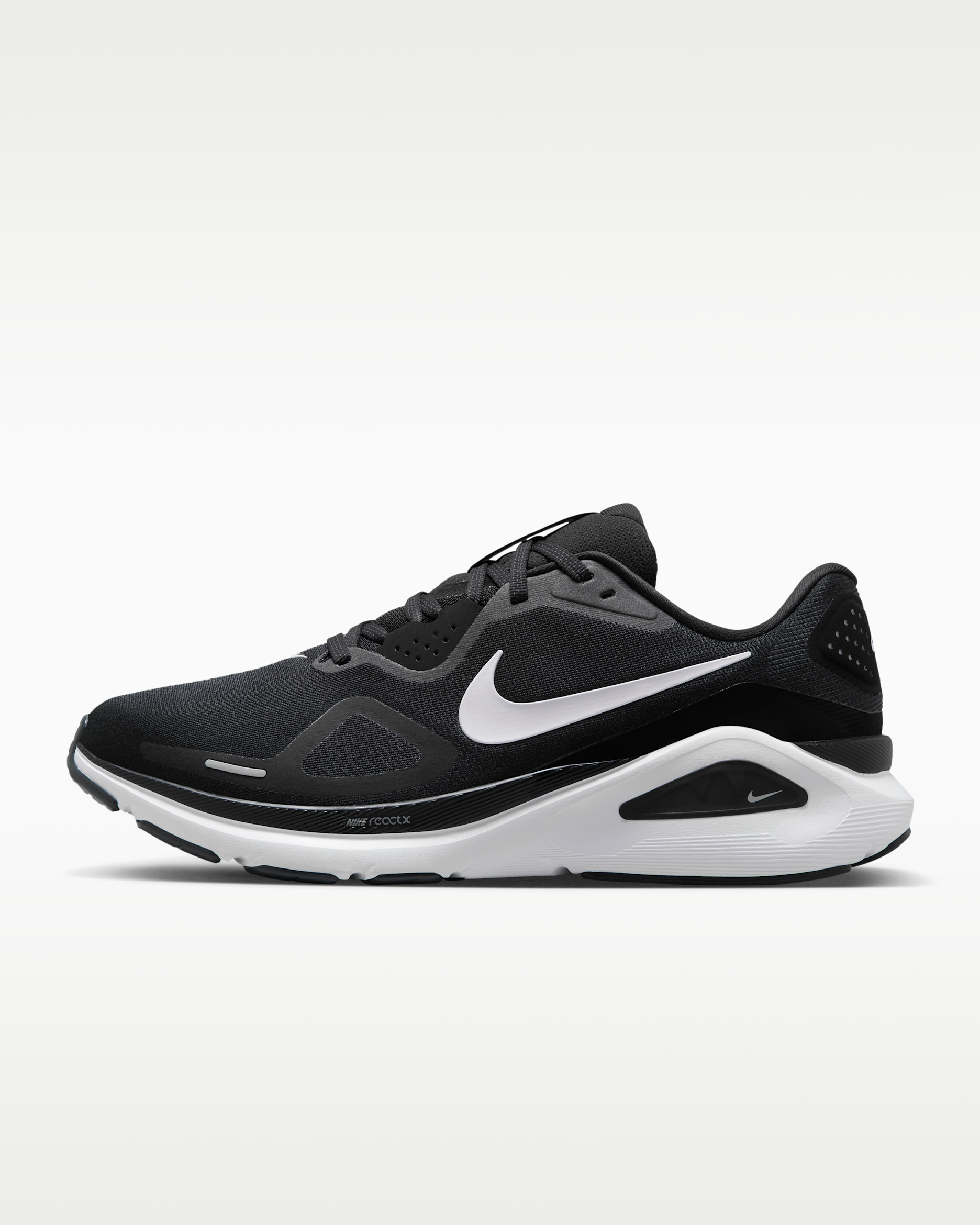
Extra wide running shoes for men are not just wider at the toes. They also add volume across the midfoot and ball of the foot. They use a wider last, a roomier toe box, and more upper stretch. The goal is space without sloppy feel.
Most brands use width codes. For men, D is standard, 2E is wide, and 4E is extra wide. Some shoes run roomy even in D, but true extra wide running shoes for men list 4E on the box. Fit still varies by brand and model, so always test.
Expect more forefoot width and a higher roof over the toes. This helps when feet swell late in a run. It also helps if you wear thick socks or custom orthotics.

Who needs extra wide running shoes for men
You may need extra wide running shoes for men if you see these signs:
- Toes feel cramped or overlap in standard shoes.
- You get numbness or tingling on the top of the foot.
- You see bunion pain or red spots on the big toe joint.
- The upper bubbles over the laces from pressure.
- Your orthotics tilt or ride up on the sides.
Common foot shapes that do well in extra wide running shoes for men include square or splay toes, wide forefoot with a normal heel, and flat feet that spread under load. Medical reasons also count. Bunions, tailor’s bunions, Morton’s neuroma, and edema often need more room.
As a run coach and fitter, I have seen fewer blisters, less hot foot, and better form once runners move to the right width. The change can be night and day.
Benefits and trade‑offs
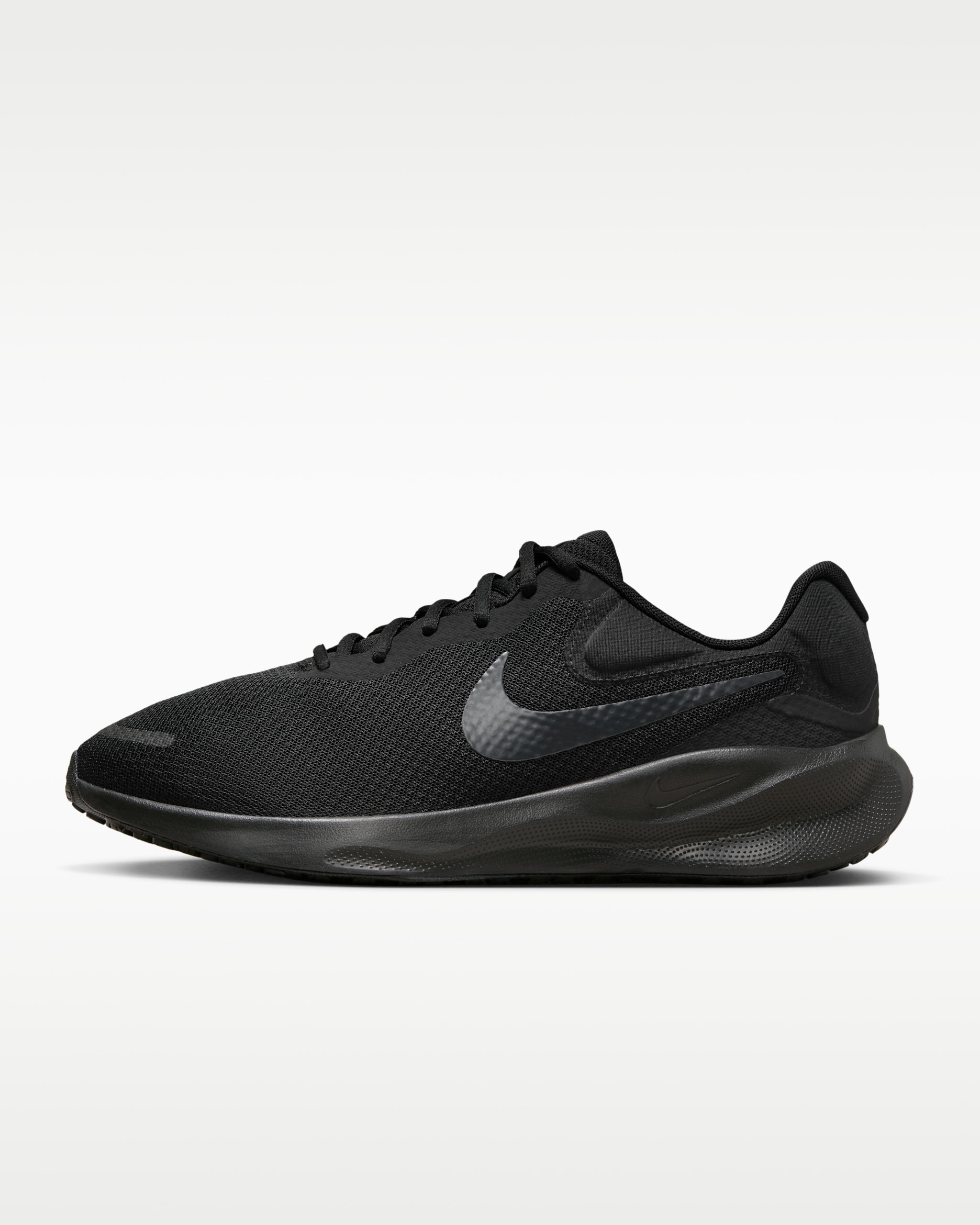
The big win with extra wide running shoes for men is simple. Your foot can sit flat and move free. That lowers pinch, heat, and friction. It also helps natural toe splay, which can improve balance and push off.
There are trade‑offs. With more room, a shoe may feel less locked in on sharp turns. Very soft uppers can stretch over time. Extra width can add a few grams of weight.
You can manage this with lacing and model choice. Pick a stable base and a firm heel. Use heel lock lacing for hills or speed days. Keep the toe box roomy but the midfoot secure.

How to measure and test your fit at home
You can check your size in minutes. Use a paper sheet, a pen, and a ruler.
- Trace each foot late in the day when feet are largest.
- Measure length from heel to the longest toe. Add 10 to 12 mm for running.
- Measure width at the widest part. Compare with brand charts that list width per size.
In a shoe, do these tests:
- Thumb test: You want a thumb nail of space at the front.
- Pinch test: Pinch the upper over the big toe. You should grab a bit of fabric.
- Wiggle test: Toes should move up and open sideways with no rub.
- Heel test: Walk and jog. The heel should not slip more than a hair.
- Lacing test: If the sides of the eyelets touch, you likely need more width.
If you use orthotics, test them in the shoe. Remove the stock insole first, then add the orthotic.
Key features to look for when shopping
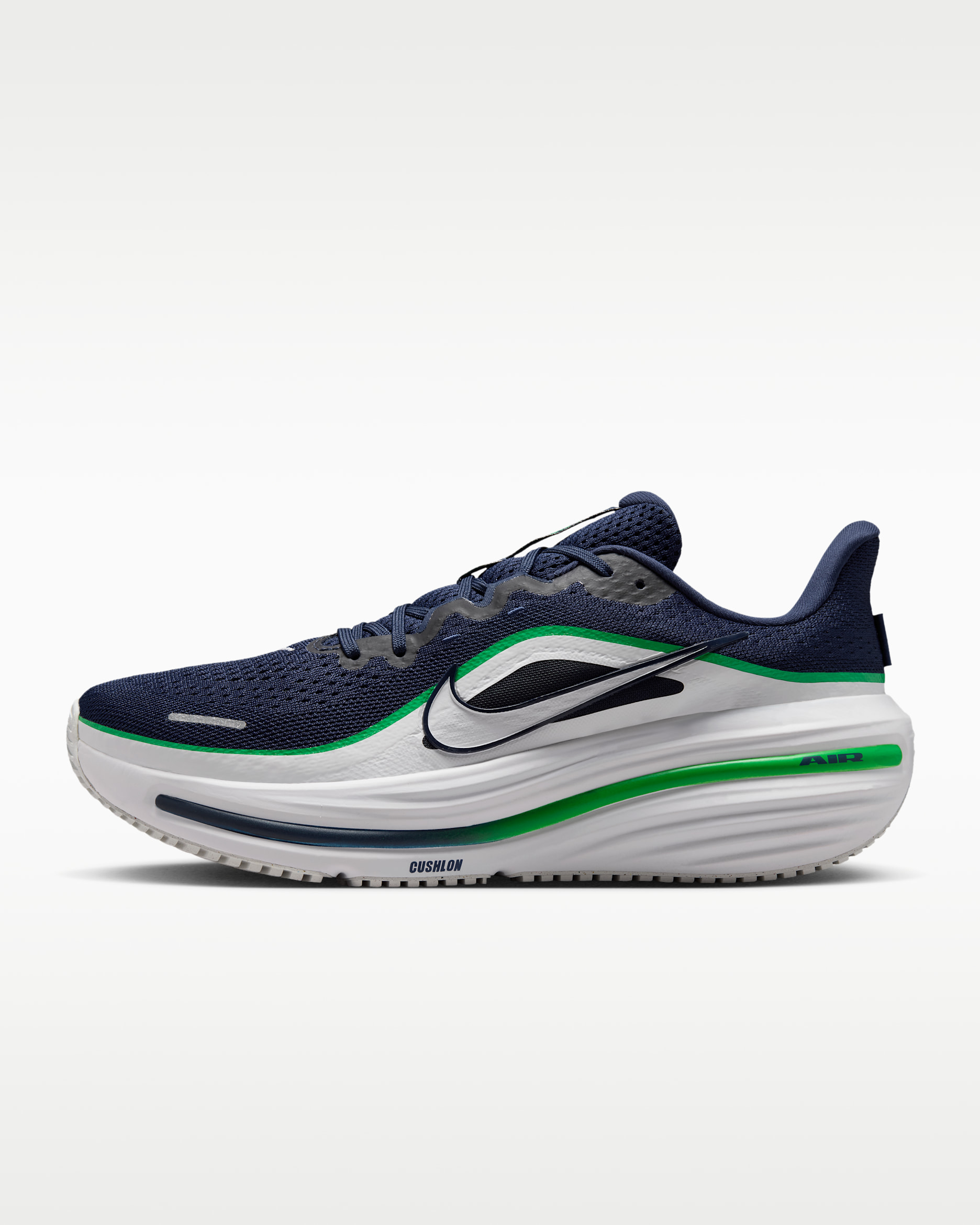
When you shop for extra wide running shoes for men, look for these features:
- True width options: The box should show 4E for extra wide.
- Toe box shape: Rounded or anatomical shapes help. A high toe bumper avoids rub.
- Upper material: Engineered mesh or knit with minimal seams reduces hot spots.
- Midsole foam: Choose the feel you like. Softer for easy miles. Firmer for tempo work.
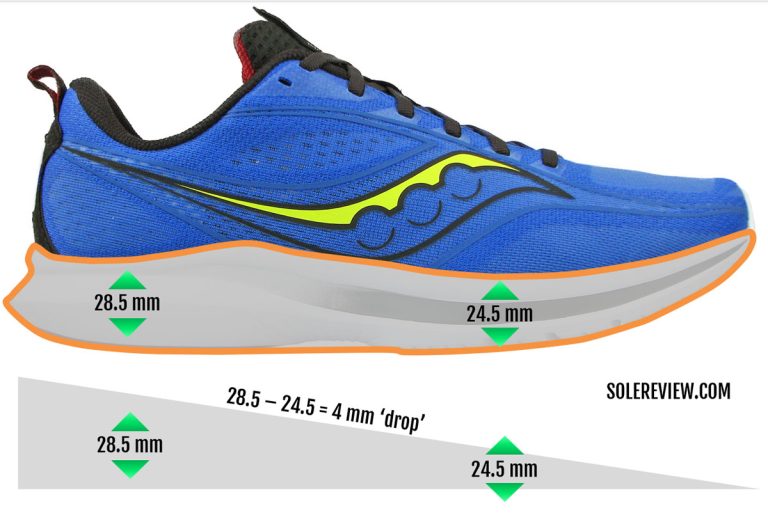
- Heel drop: If you have tight calves or Achilles pain, a higher drop can help.
- Platform width: A wider base under the forefoot boosts stability without posting.
- Lacing system: Extra eyelets help heel lock. A gusseted tongue reduces lace pressure.
- Outsole: Durable rubber in high wear zones adds life for broader feet.
- Return policy: Fit can be tricky. Favor brands with a run‑and‑return window.
Extra wide running shoes for men should feel secure at the heel and midfoot, yet free at the toes. Aim for that mix.

Brands and models that offer real width
Availability changes by season, but these patterns hold:
- New Balance: Strong in widths. Many daily trainers and stability shoes come in 4E for men. Models like the 860, 880, 1080, and 1540 often have options.
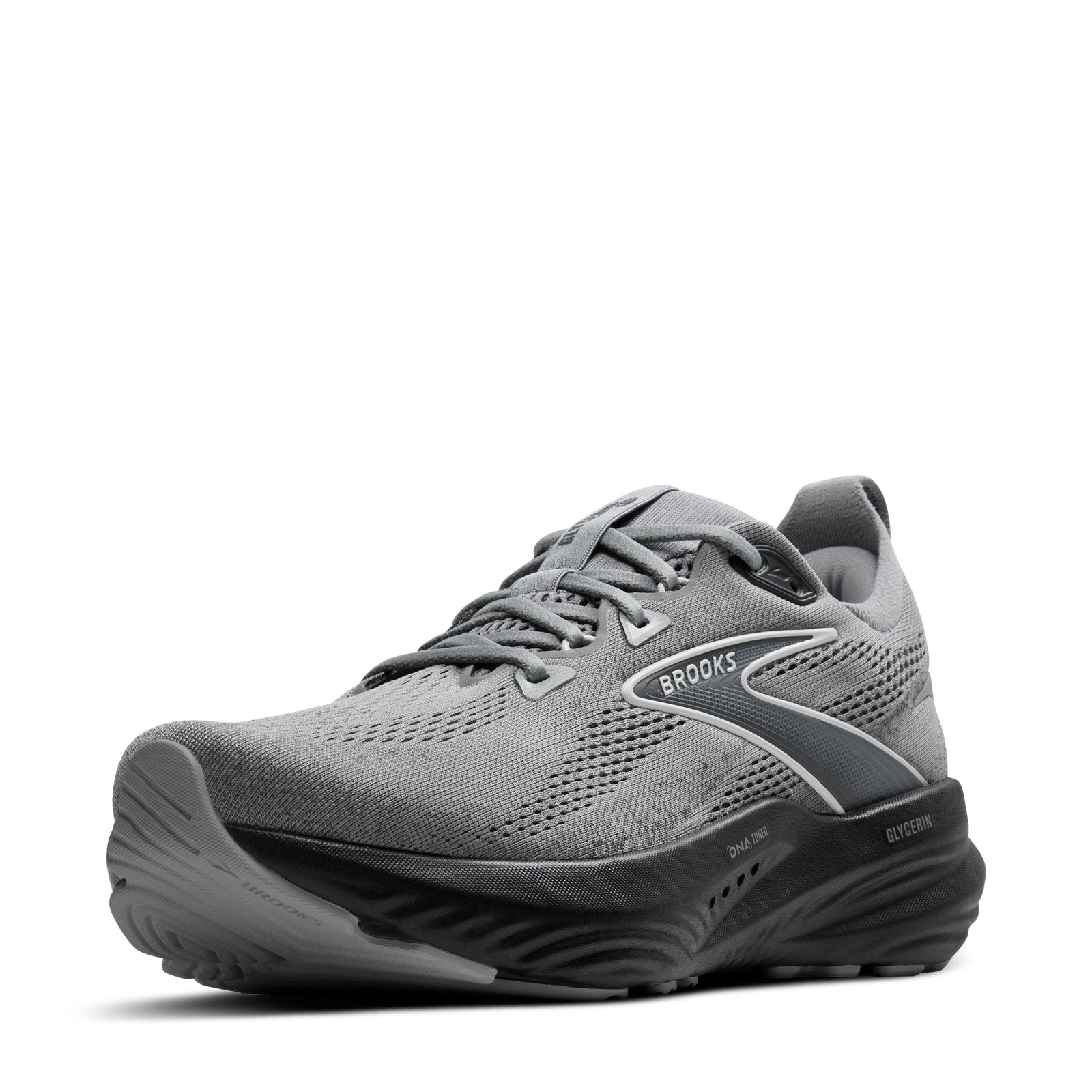
- Brooks: Select models come in 2E and some in 4E for men. Ghost, Glycerin, Adrenaline, and Addiction are common choices.
- ASICS: Offers 2E and 4E in key shoes for men in some seasons. Look at Gel‑Nimbus, Gel‑Cumulus, and Gel‑Kayano.
- Saucony: Wide and at times extra wide in models like Echelon or Ride depending on year.
- Altra: FootShape toe box by design. Not always sold as 4E, but many feel extra roomy.
- Hoka: Often 2E in men. Some models run roomy in the forefoot even if not 4E.
Tip from the fitting bench: Try two sizes and two widths side by side. Your feet will vote fast. Extra wide running shoes for men vary a lot by brand and model.
Fit hacks and lacing for extra wide running shoes for men
Small tweaks can fix big issues.
- Heel lock lacing stops slip on descents and speed work.
- Window lacing removes lace pressure over a high instep.
- Skip‑eyelet lacing creates space for a tender bunion.
- Use thin, smooth socks for race day to reduce bulk.
- Swap to a thinner insole for more volume if toes rub on top.
I learned this the hard way in my first marathon. My feet swelled at mile 18. A quick window lace at an aid tent saved the day. Since then, I always practice race‑day lacing in advance.
Care, rotation, and lifespan
Extra wide running shoes for men last 300 to 500 miles for most runners. Wide platforms may show wear on the outer edge first. Track miles or time. Replace when the midsole feels flat or the outsole is smooth.
Care is simple:
- Air dry after wet runs. Never use high heat.
- Pull the insole and stuff with paper to speed drying.
- Brush off grit to protect mesh and stitching.
- Rotate two pairs to let foam rebound.
A rotation can also mix cushion and support. Your feet and calves will thank you.
Budget and value tips
You can save a lot on extra wide running shoes for men.
- Buy last year’s model. The fit often stays the same.
- Check factory outlets and official online stores.
- Use fit guarantees to test at home.
- Spend where it matters. A good fit beats fancy foam if you have to choose.
Sustainable moves help too. Rotate pairs to extend life. Recycle worn shoes through local programs when done.
Common mistakes to avoid
I see these errors all the time:
- Sizing up length to get width. This can cause heel slip and black toenails.
- Ignoring midfoot hold. A loose midfoot can cause blisters under the arch.
- Picking softest foam only. Stable geometry matters as much as cushion.
- Skipping a late‑day try‑on. Feet swell, so test when they are largest.
- Not testing with your socks and orthotics. Always bring your kit.
Get the basics right, and extra wide running shoes for men will feel great from day one.
Frequently Asked Questions
How do I know if I need 2E or 4E?
Try both. If the eyelets touch when laced or your toes still rub in 2E, move to 4E. Your foot should feel free at the front and secure at the heel.
Are extra wide running shoes for men good for flat feet?
They can help. Extra width allows natural splay, and a stable base reduces collapse. Pair with the right support level if you overpronate.
Do extra wide shoes affect speed or race times?
Not if they fit well. A proper fit improves comfort and form, which helps pace. Sloppy fit can cost time, so lock the heel and midfoot.
Can I use orthotics in extra wide running shoes for men?
Yes. Many extra wide shoes have removable insoles and more volume. Test with your orthotics to ensure no edge lift or toe rub.
How much space should I have in the toe box?
Aim for 10 to 12 mm in front of the longest toe. You should wiggle and spread your toes without pressure on the sides or top.
What socks work best with extra wide running shoes for men?
Choose thin to medium socks with smooth seams. Avoid thick padding that can change fit, unless you plan for it.
How long do extra wide running shoes for men last?
Most last 300 to 500 miles. Replace when the foam feels dead, the outsole wears flat, or you feel new aches.
Conclusion
The right fit can change how you run, recover, and enjoy each mile. Extra wide running shoes for men give your feet space to work as they should, while smart lacing and the right model keep you secure. Measure well, test with your own gear, and pick shoes that match your goals.
Ready to find your pair? Use this guide on your next try‑on, share what worked for you, and subscribe for more fit tips and tested shoe picks.