Trail Running Shoes For Flat Feet: Top Picks 2026

Pick stable trail shoes with firm midsoles, guidance, wide base, and arch support for flat feet.
Finding the right trail running shoes for flat feet can change your runs fast. I have fit hundreds of trail runners and tested many models on rocky, muddy, and steep paths. In this guide, I break down how to choose trail running shoes for flat feet, what tech matters, and how to dial your fit. You will get clear steps, honest tips, and real examples that make buying easy.

Understanding flat feet on the trail
Flat feet means your arches sit low or drop under load. On trails, that can cause extra inward roll, called overpronation. The foot and ankle may work harder to stay aligned on uneven ground.
Why it matters for trail runs is simple. Uneven paths add twist and tilt to each step. If your arch has less lift, your knee and hip can drift. Good trail running shoes for flat feet help resist that drift without feeling stiff or clunky.
From years of shoe fits, I see three common needs. Many runners want a stable base. Many need a locked-in midfoot. Some do best with a mild arch shape or insole for guidance. The right trail running shoes for flat feet give you all three in balance.
What to look for in trail running shoes for flat feet
Think in layers: platform, midsole, upper, and outsole. Each layer adds support in a different way. Put them together and you get trail running shoes for flat feet that feel stable and smooth.
Key features to check:
- Platform width: A wider base boosts side-to-side balance on rocks and roots.
- Torsional control: Twist the shoe. It should not wring like a towel.
- Midsole feel: Choose firm to moderate foam. Very soft foam can collapse under the arch.
- Guidance rails or sidewalls: Raised foam walls help center the foot on off-camber ground.
- Heel counter: A firm heel cup reduces wobble at foot strike.
- Rock plate: A plate spreads pressure and keeps the arch from folding over sharp stones.
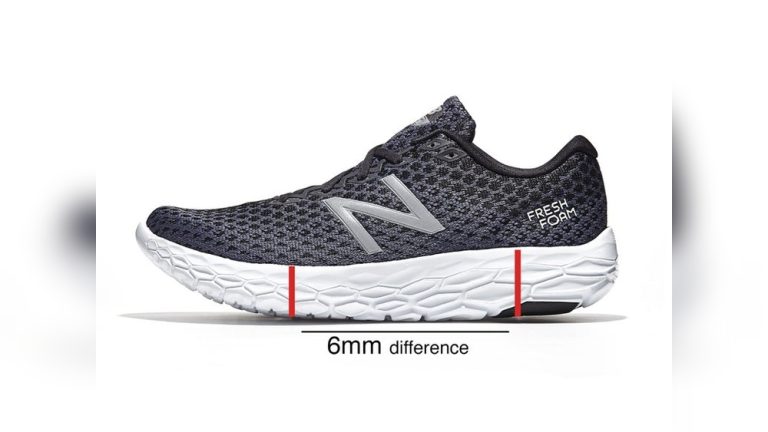
- Drop: A moderate heel-to-toe drop, often 6–10 mm, eases calf load and helps many flat feet.
- Upper lockdown: Look for midfoot straps or cords that pull the foot into the platform.
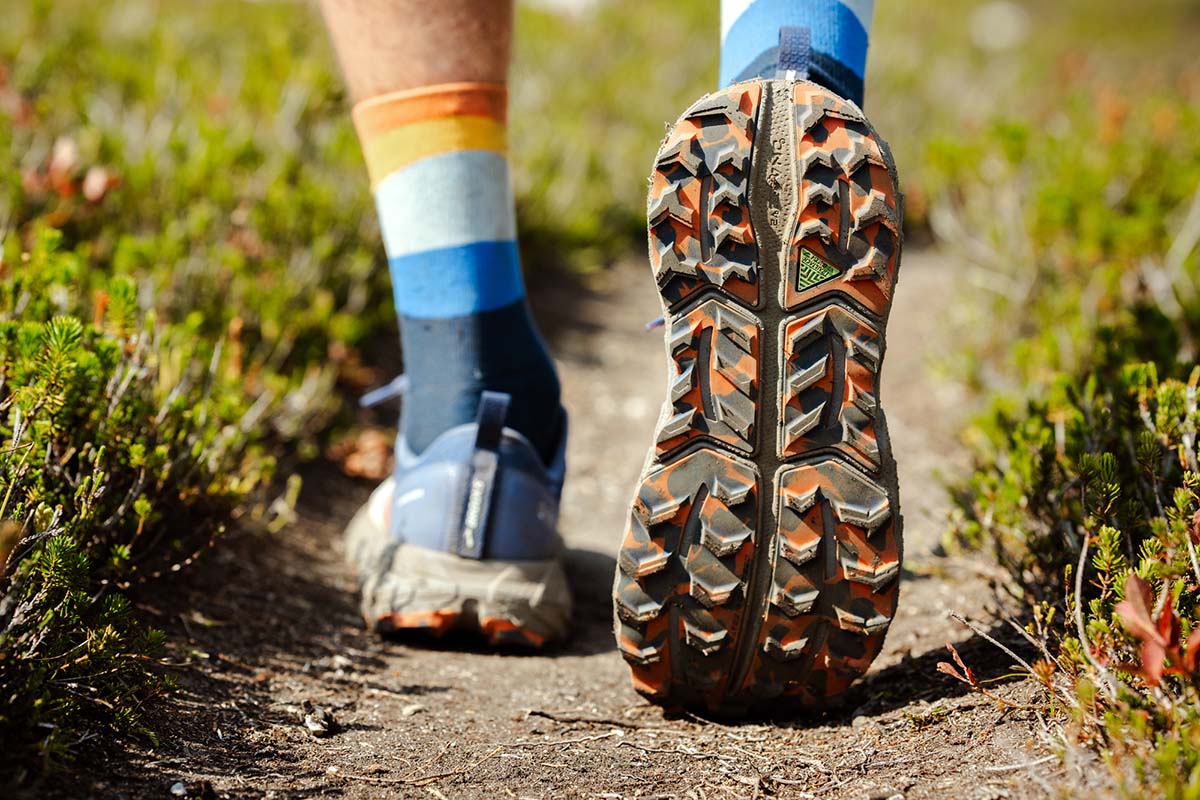
- Outsole grip: Lugs with mixed patterns give traction without forcing odd angles.
Do you need strong arch support? Many flat-footed runners do well with light to moderate support. Too much can feel pokey on uneven trails. The best trail running shoes for flat feet guide rather than push.
Support technologies and how they feel
True posting is rare in trail shoes. Brands use other tools for stability. Know how each one rides so you can choose with confidence.
Common systems:
- Medial sidewalls: Foam walls hug the arch side and reduce inward roll.
- Chassis or shank: A plastic piece adds midfoot stiffness and keeps the shoe from twisting.
- Dual-density foam: Firmer foam on the inside edge slows pronation.
- 3D overlays: Upper overlays lock the foot to the platform in tight turns.
- Rock plates: Nylon or TPU plates add protection and help the shoe track straight.
On technical climbs, these parts keep your foot aligned. On descents, they stop the ankle from folding in. Well-tuned trail running shoes for flat feet blend these parts so the ride feels natural.
Fit and sizing tips for flat feet runners
Fit is the first line of support. A great shoe will fail if the fit is off. Here is a simple plan.
- Length: Leave a thumb’s width in front of your big toe for descents.
- Width: Pick standard, wide, or extra wide based on midfoot and forefoot volume.
- Arch feel: You should feel gentle contact, not a hard bump.
- Lacing: Use runner’s loop at the top eyelets to lock the heel.
- Socks: Test with the socks you will race or train in.
Many flat-footed runners swell on long trail days. Try late-day fits. Lace from the midfoot first for security. The right trail running shoes for flat feet should feel snug in the heel and midfoot, with free toes.
Testing protocol and break-in plan
Do quick, repeatable tests. This saves time and reduces guesswork.
- Indoor test: Jog, cut side to side, and do single-leg balance for 30 seconds.
- Hill test: If possible, walk a ramp or stairs up and down.
- Rock test: Step on a rolled towel under the arch to mimic a root.
For break-in:
- Start with 2–3 short runs.
- Watch for hot spots around the arch and heel.
- Adjust lacing before blaming the shoe.
If pain shows up, stop and review fit and support. Trail running shoes for flat feet should feel better, not worse, as miles add up.

Common mistakes and how to fix them
I see the same errors over and over. Here is how to avoid them.
- Going ultra soft: Plush foam can feel nice at first, then cave on rocks. Pick firmer midsoles.
- Ignoring lockdown: Loose uppers let the foot slide and overpronate. Use runner’s loop.
- Zero-drop jump: Switching fast to zero-drop can stress calves and arches. Ease in or pick mid-drop.
- Skipping insoles: A trim insole can add shape without adding bulk. Try a trail-specific insole if needed.
- Wrong size for descents: Too short leads to black toenails and tense feet. Size with downhill room.
Fix these and trail running shoes for flat feet will carry you longer with less fuss.

Top picks and examples by use case
I do not push one brand for all. Feet vary. These patterns have worked well for many flat-footed trail runners I have fit.
Stable and protective for rough trails:
- ASICS Gel-Trabuco: Guidance foam and rock plate. Secure hold on off-camber paths.
- Salomon XA Pro 3D: Sturdy chassis and locked-in midfoot. Great for heavy packs and long days.
- La Sportiva Bushido: Firm platform and torsional control. Precise on technical rock.
Balanced daily trainer for mixed terrain:
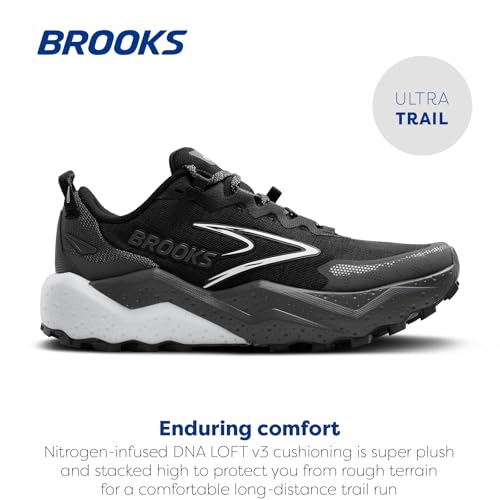
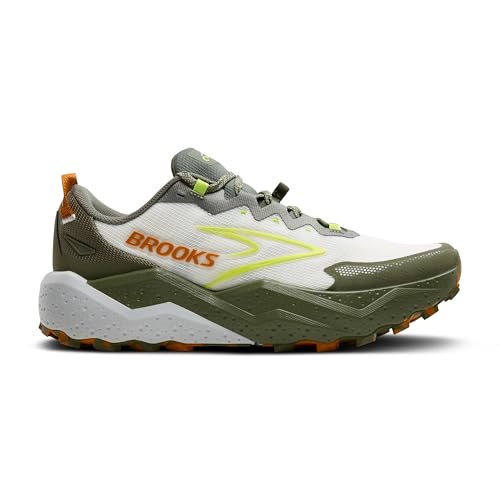
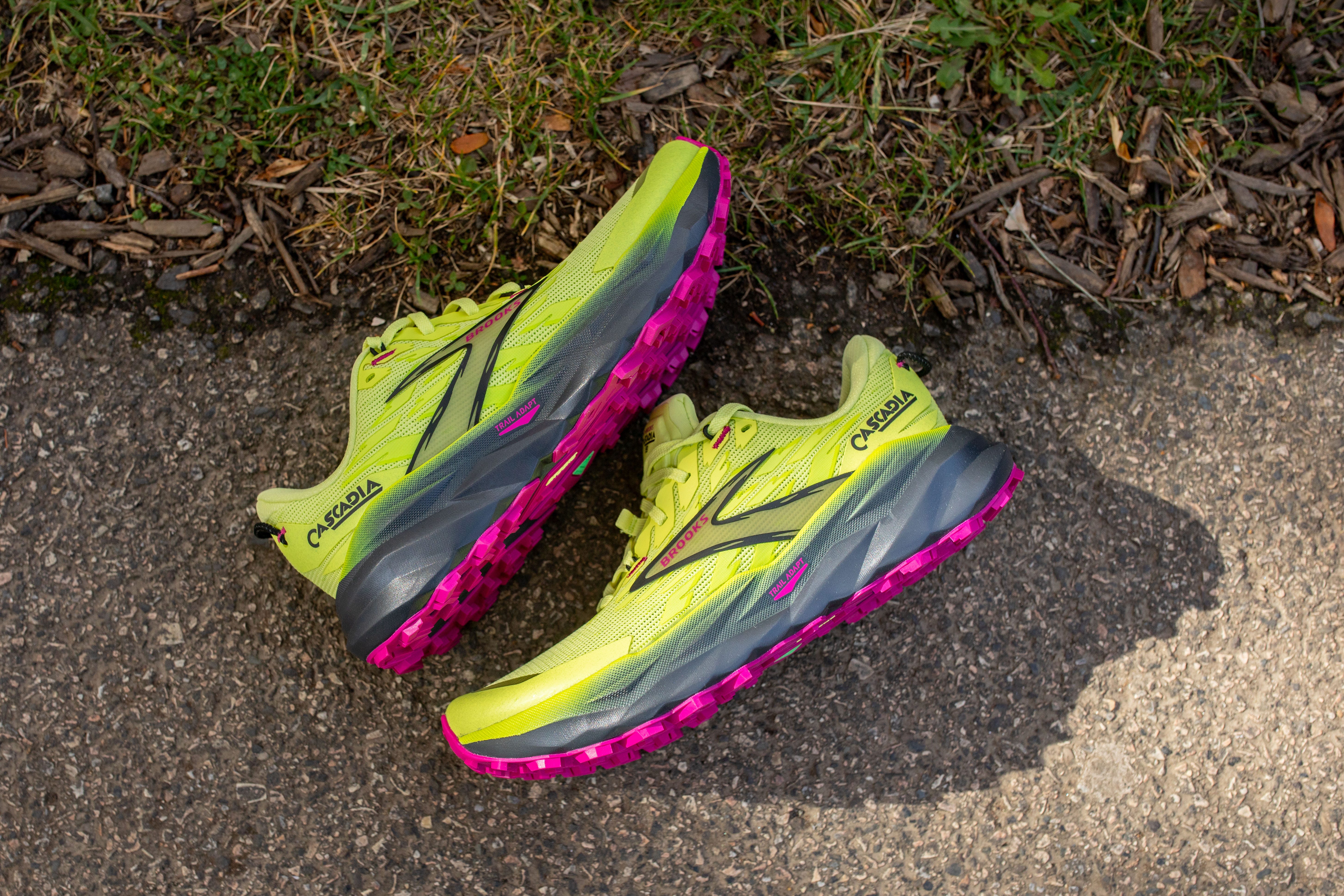
- Brooks Cascadia: Broad base, stable ride, and smooth rocker. Good all-round choice.
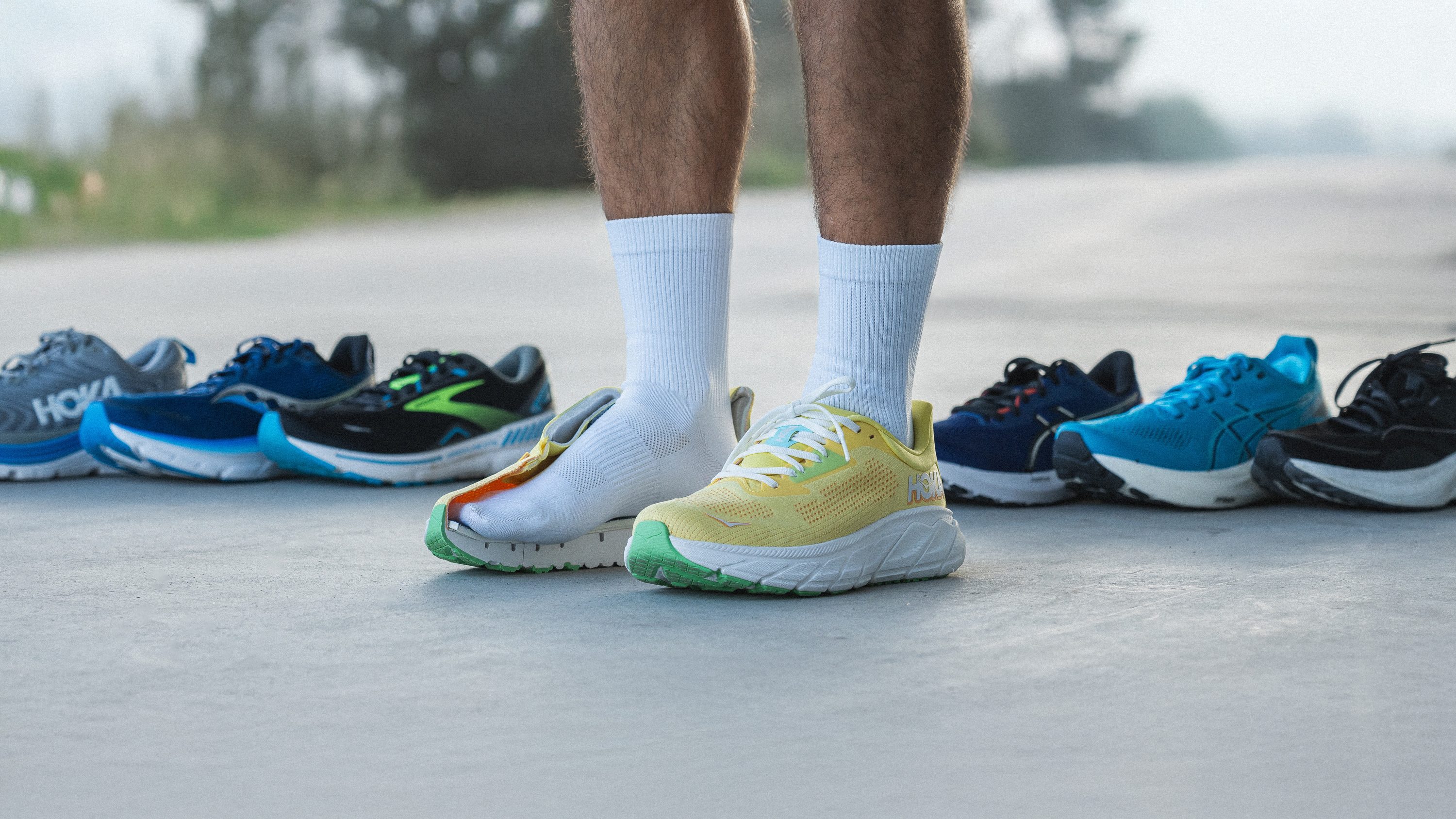
- Hoka Challenger ATR: Wide platform with gentle sidewalls. Road-to-trail friendly.
- Saucony Xodus: Firm protection and strong grip for long miles.
Wide forefoot options:
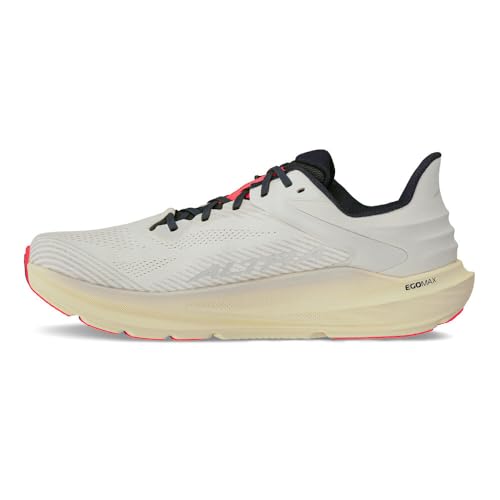
- Altra Lone Peak: Wide toe box, neutral ride. Works if paired with a supportive insole.
- Topo Athletic MT series: Roomy front, secure midfoot. Add an insole for more arch shape.
If you need more structure, try a supportive insole. Many runners pair neutral models with a trail insole like a firm, shaped insert. That combo turns neutral shoes into effective trail running shoes for flat feet.
Care, maintenance, and lifespan
Support fades as foam breaks down. Grip also wears with miles. A little care goes a long way.
- Rotate pairs: Let foam rebound for a day between runs.
- Clean gently: Rinse mud, then air dry away from heat.
- Inspect often: Check for midsole creases on the inside edge and stretched uppers.
- Replace timing: Many trail shoes last 300–500 miles, based on terrain and body weight.
When the platform feels wobbly or the arch sags mid-run, it is time to refresh. Fresh trail running shoes for flat feet protect joints and keep form clean.

Training tips to pair with the right shoes
Shoes help, but strong feet and hips seal the deal. Add simple drills two to three times a week.
- Single-leg balance: 30–60 seconds per side, eyes open then closed.
- Heel raises: Straight and bent knee, 3 sets of 12–15.
- Short foot drill: Gently draw the arch up without curling toes.
- Monster walks: Band around knees. Step side to side to wake up glutes.
- Calf and ankle mobility: Easy daily calf stretch and ankle circles.
These moves support the tibialis posterior and plantar fascia. With practice, your body and your trail running shoes for flat feet will share the work.
Budget and sustainability considerations
You can build a smart kit without overspending. Focus on value, not hype.
- Prioritize fit and support first. Extras can wait.
- Last-season colors often cost less with the same build.
- Repair laces and insoles to extend life.
- Choose brands with resoling programs or recycled materials if that matters to you.
Well-chosen, durable trail running shoes for flat feet save money over time. They also keep you running more and worrying less.
Frequently Asked Questions
How do I know if I have flat feet for trail running?
Look at your wet footprint or get a quick gait check at a run shop. If the arch looks low and the foot rolls in, you likely need more guidance.
Are stability trail shoes better than neutral for flat feet?
Not always. Many trail shoes use platform width and sidewalls, which can be enough for mild flat feet.
Should I use custom orthotics on trails?
If a clinician prescribed them and they work on roads, try them in trail shoes. Make sure the shoe has enough volume and a stable base.
What heel-to-toe drop is best for flat feet on trails?
A moderate drop, often 6–10 mm, works for many runners. It eases calf strain and can help control pronation on descents.
Can zero-drop trail shoes work for flat feet?
Yes, for some. You may need time to adapt and a supportive insole to add guidance.
How tight should I lace trail shoes for flat feet?
Snug in the heel and midfoot, free in the toes. Use a runner’s loop to stop heel slip without crushing the forefoot.
How long do trail shoes keep their support?
About 300–500 miles, depending on terrain and load. Replace when grip fades and the inside edge feels soft or wobbly.
Conclusion
Flat feet do not have to limit your trail days. Pick a stable platform, firm midsole, secure upper, and smart grip. Add a simple strength plan, lace well, and test on real terrain. With the right trail running shoes for flat feet, you can climb, descend, and cruise with comfort and control.
Take the next step. Try two or three pairs side by side, and use the testing plan above. Share your fit wins or questions in the comments, and subscribe for more trail tips and gear guides.