How To Choose Running Shoes Arch Support: Expert 2026 Guide

Match your arch type to the right support, then choose the most comfortable fit.
If you want to know how to choose running shoes arch support, start here. I’ve fit thousands of runners in-store and on the track. This guide turns shoe jargon into clear steps, so you can run pain-free and confident. You’ll learn how your arch works, what support you need, and how to test shoes like a pro.
Understand your arch and pronation
Your arch is a spring. It stores energy and protects your joints. When your foot lands, it rolls in or out. That roll is pronation. A small roll in is normal and helpful.
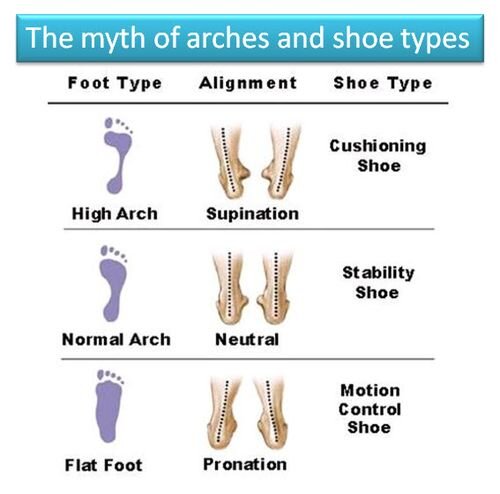
There are three common arch types:
- Low or flat arch. Your foot looks wide and makes a full print.
- Medium or normal arch. Your print shows a clear curve.
- High arch. Your print shows a thin band or a split look.
Pronation patterns often match arch types:
- Overpronation. Your foot rolls in too much. It can stress the knee.
- Neutral pronation. Your foot rolls in a bit. This is ideal for many.
- Underpronation or supination. Your foot rolls out. This can stress the ankle.
Why this matters for support:
- Low arches often do well with stability or guidance features.
- Medium arches often prefer neutral shoes.
- High arches often like cushioned shoes with gentle support.
Knowing how to choose running shoes arch support starts with this simple map. Still, comfort rules. Your body gives the best feedback within a few miles.
How to assess your arch and gait at home
You can learn a lot without a lab. Try these quick checks.
Wet test:
- Wet your foot. Stand on a brown paper bag.
- Trace the print. Full print suggests low arch. Thin band suggests high arch.
Mirror and video check:
- Stand barefoot in front of a mirror. Look at your heels.
- If your ankles tilt in, that hints at overpronation.
- Film your feet from behind while jogging in place for 30 seconds.
Single-leg balance:
- Stand on one foot for 30 seconds.
- If your knee dives in or your arch collapses, you may need guidance.
Soreness map:
- Arch or inner knee aches may point to overpronation.
- Outer shin or ankle aches may point to supination.
This home scan gives a clear start for how to choose running shoes arch support. Bring notes when you shop.
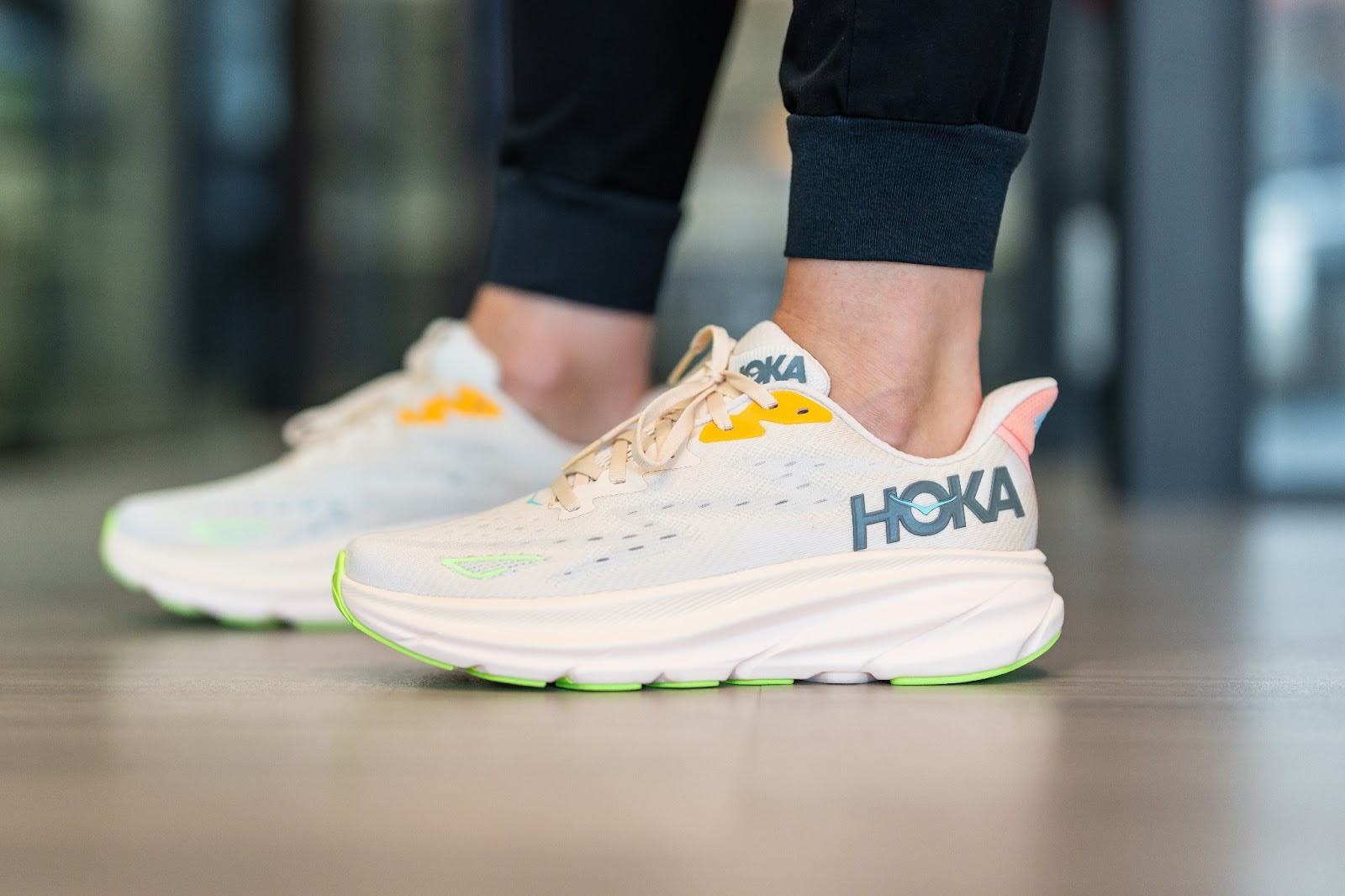
Types of arch support in running shoes
Modern shoes guide the foot in many ways. The parts work together.
Common support styles:
- Neutral cushioning. Even foam. Suits many with neutral gait.
- Stability or guidance. Uses firmer foam or rails to slow extra roll.
- Motion control. Strongest guidance. Best for severe overpronation or heavy loads.
Key features to know:
- Medial post or dual-density foam. Firmer foam under the arch slows inward roll.
- Guide rails. Side walls that keep your foot centered in soft ways.
- Torsion shank or plate. Adds midfoot control without bulk.
- Heel counter. A firm shell that stabilizes the heel.
- Rocker geometry. Smooths the transition and reduces arch strain.
- Stack and drop. More stack cushions. Heel-to-toe drop changes calf load.
Insoles and orthotics:
- Removable insoles fine-tune comfort.
- Custom orthotics can pair well with neutral shoes.
- If you use orthotics, remove the stock insole to keep fit true.
Understanding these parts helps with how to choose running shoes arch support for your needs.
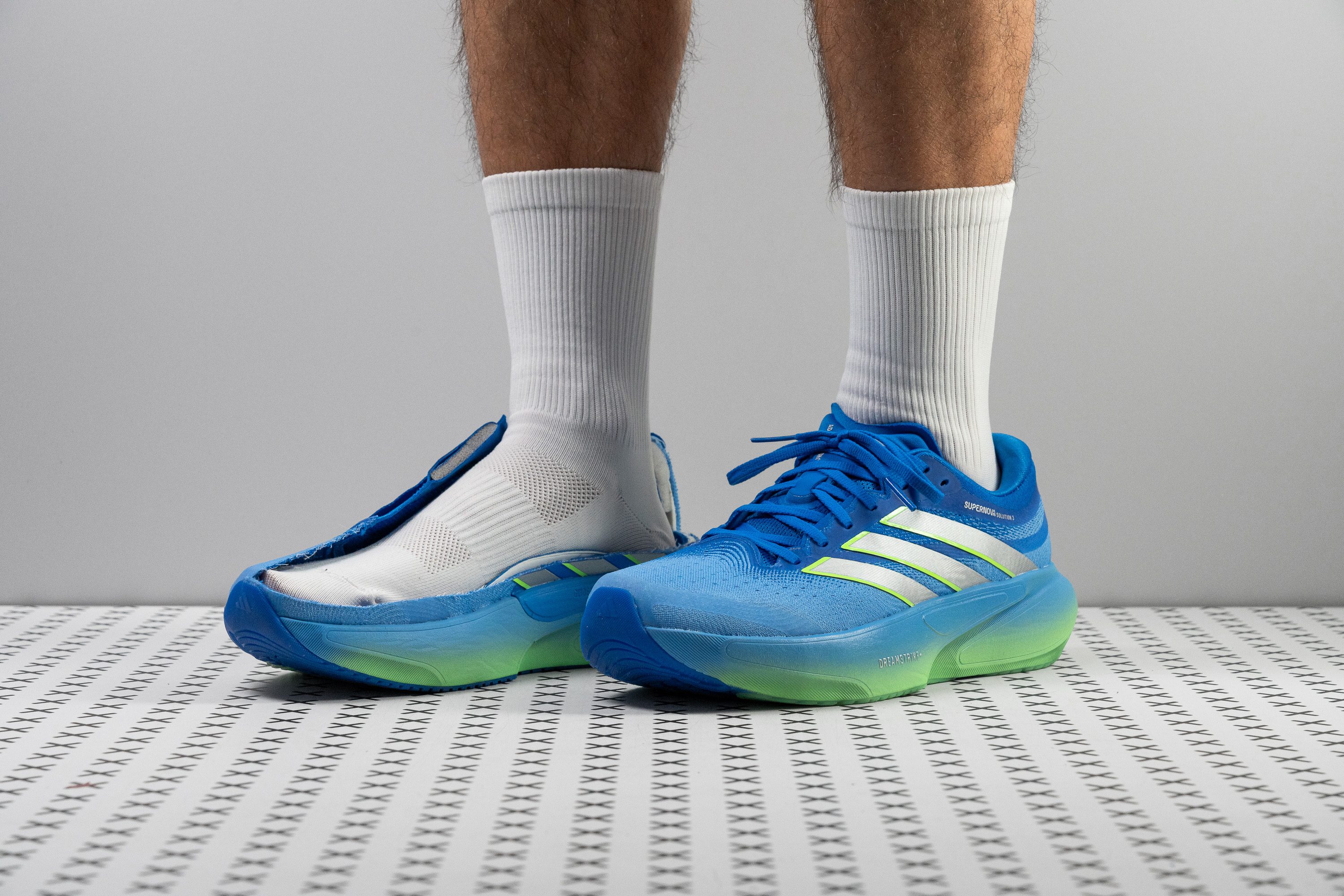
How to choose running shoes arch support: a step-by-step checklist
Here is how to choose running shoes arch support without guesswork. Use this simple plan the next time you shop.
- Define your goals. Long runs, 5Ks, trail, or daily wear.
- Note your arch and gait. Use the tests above or a store analysis.
- Match support class. Neutral for many. Stability for clear overpronation. Motion control for severe cases.
- Check fit length. Leave a thumb width at the big toe after a short jog.
- Check width and volume. The upper should hug, not squeeze. No hot spots.
- Test comfort under load. Jog 5 to 10 minutes. Comfort should improve, not decline.
- Compare two pairs. Alternate on each foot. Keep the one that disappears on the run.
- Mind the midsole. Softer foams feel plush but may be less stable. Firmer foams feel quick and can guide better.
- Tune lacing. Use runner’s loop to lock the heel. Try midfoot skip-lacing for high arches.
- Review return policy. Aim for a 30-day run guarantee if possible.
Final filter:
- If two shoes tie, pick the one that feels best at mile two. That is the most honest signal in how to choose running shoes arch support.
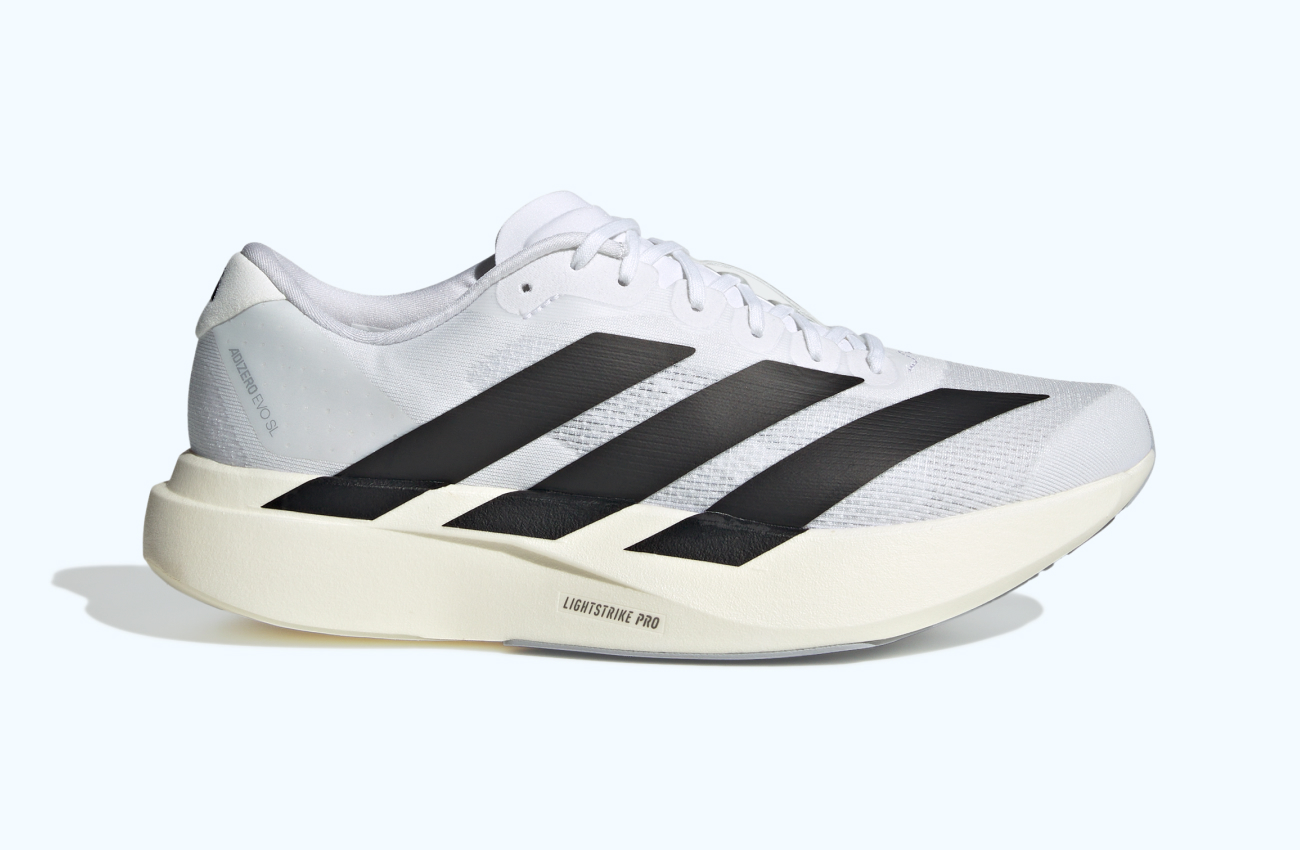
Source: infinibandta.org
Fit, comfort, and wear-testing tips
Fit is key. A good support system will fail if the fit is wrong.
What to feel:
- Heel is secure with no slip on hills.
- Midfoot feels snug but not tight.
- Toes have room to splay on landing.
Testing routine I use with athletes:
- Warm up for 5 minutes at an easy pace.
- Add 3 short strides to feel stability under speed.
- Run a bend or gentle turn to sense guidance.
If any joint aches show up fast, try another model. Fit is central to how to choose running shoes arch support that you can trust.
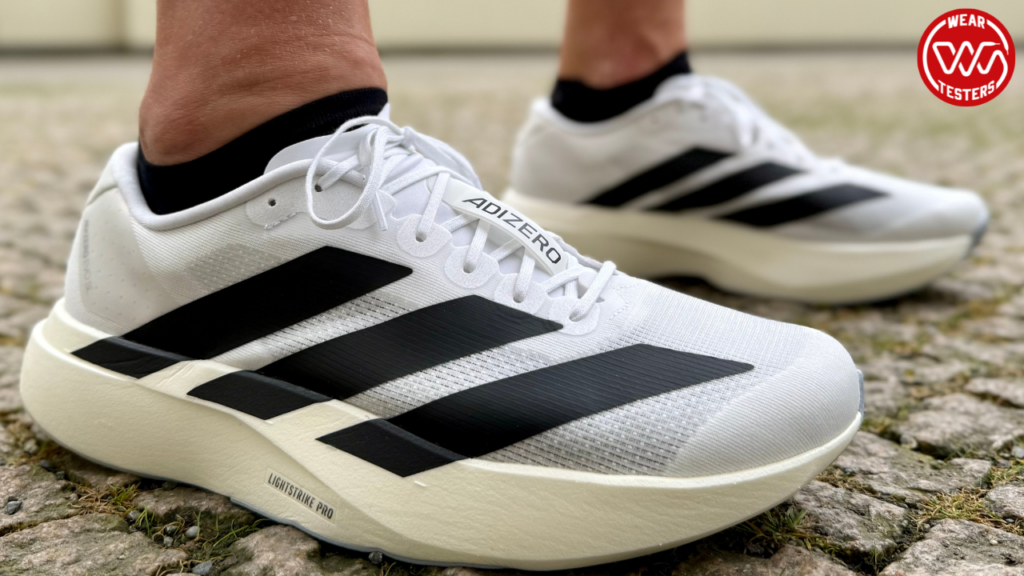
Common mistakes and myths
Avoid these traps. They cost time and money.
- More support is always better. Not true. Too much can shift stress elsewhere.
- Arch pain means flat feet. Not always. Tight calves or form issues can also cause pain.
- Shoes need a long break-in. No. They should feel right out of the box on a short run.
- Your size is the same in all brands. It varies. Measure both feet and try on late in the day.
- Insoles fix everything. They help, but training load and strength matter more.
A big myth in how to choose running shoes arch support is that support alone prevents injury. Smart load and good sleep still lead the list.

Care, lifespan, and when to replace
Good care keeps support true and stable.
Signs it is time to replace:
- Outsole is smooth in key zones.
- Midsole feels flat or creased.
- New aches show up late in runs.
Make them last longer:
- Rotate two pairs if you run often.
- Air-dry. Keep them out of heat and sun.
- Hand wash with mild soap. Avoid harsh cycles.
Mileage is a guide, not a rule. Many shoes last 300 to 500 miles. Heavier runners, hot climates, and rough roads shorten that. Even after you learn how to choose running shoes arch support, watch your body. It always tells the truth.

Frequently Asked Questions of how to choose running shoes arch support
How do I know my arch type for running shoes?
Try the wet test and a quick mirror check. If you want more detail, ask for a gait video at a run shop.
Do high arches need special support?
High arches often like soft cushioning and gentle guidance. A shoe with a stable heel and smooth rocker can help spread load.
Are stability shoes bad for neutral runners?
Not always. Light guidance can feel fine for some runners, but pick what feels best on a 10-minute test run.
Can insoles replace a stability shoe?
Sometimes. A neutral shoe plus a firm insole can mimic light stability. Test both setups to see which feels better.
How often should I replace running shoes for arch support?
Most runners replace pairs every 300 to 500 miles. Go by feel: if support feels flat or aches return, it is time.
What if I have flat feet and knee pain?
Start with a stable shoe and a secure heel fit. If you ask how to choose running shoes arch support for flat feet, pair the shoe with calf strength and gradual mileage.
Do heavier runners need more arch support?
They often benefit from firmer foam and a strong heel counter. Try guidance features that feel stable without harsh pressure.
Conclusion
Choosing arch support is simple when you match your arch and gait to the right shoe, then trust comfort on the run. Use the tests, compare two pairs, and keep notes on how your body feels. You now know how to choose running shoes arch support with confidence.
Take your checklist to a run shop, test two models side by side, and log a short run today. Ready for deeper dives? Subscribe for more fit guides, gear tests, and training tips.