
Kids Cross Country Running Shoes: Best 2026 Picks

Kids cross country running shoes protect growing feet and grip trails for safe, fast races.
If you want your young runner to feel fast and stay safe, start at the ground. I’ve coached youth XC for years and have tested more pairs than I can count. In this guide, I break down kids cross country running shoes in clear steps, so you can choose with confidence, avoid common mistakes, and help your child love every mile.

What Makes Kids Cross Country Running Shoes Different
Kids cross country running shoes are built for dirt, grass, gravel, and hills. They use sticky rubber, stronger uppers, and a secure fit. Good pairs balance grip, cushion, and light weight.
They are not just small adult shoes. Kids need room for growth and softer foams. The best kids cross country running shoes have flexible midsoles, a stable base, and toe guards for roots and rocks.
Expect clear labels like XC, trail, or cross country. Spikes may be an option for race day. For school practices, many runners use lugged rubber outsoles.

Fit and Sizing for Growing Feet
A good fit beats any fancy tech. Measure both feet at the end of the day. Feet can swell after school or a workout.
Aim for a thumb’s width (about 0.3–0.5 inches) from the longest toe. Check width too. The shoe should hug the midfoot but not pinch.
Try socks they will race in. Walk, jog, and do a few side steps. If the heel slips, try a runner’s loop lacing. Kids’ feet can grow fast, so recheck size each season.
Personal tip: My rule is snug midfoot, relaxed toes. If my athlete curls toes to hold the shoe, it is too small. If I see heel lift on a hill, it is too big.
Cushioning, Support, and Stability
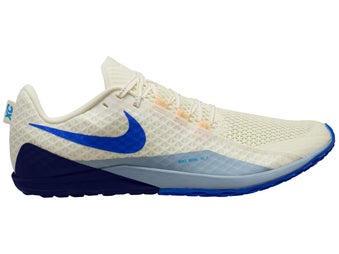
Cross country brings hard pack, ruts, and surprise stones. Cushion helps, but too much can feel wobbly. Look for balanced foam. Many kids cross country running shoes use EVA for a soft, light ride.
Support matters, but skip stiff motion-control unless advised by a pro. A wide base and gentle side walls add stability without bulk. Check the heel-to-toe drop. A mid drop, about 6–10 mm, works well for most kids.
If your child has aches, note where they feel them. Forefoot pain may need a bit more cushion in the front. Heel pain may call for a softer crash pad and rest.
Traction: Lugs vs Spikes for Kids
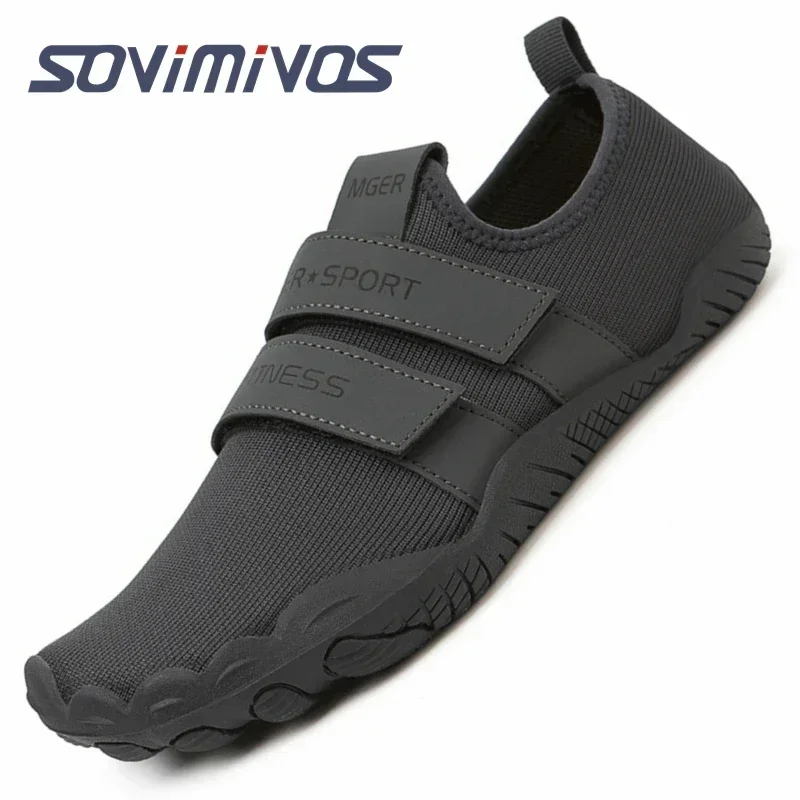
Grip is the heart of kids cross country running shoes. Lugged rubber outsoles shine on mixed trails. Look for 3–5 mm lugs that shed mud and bite into grass.
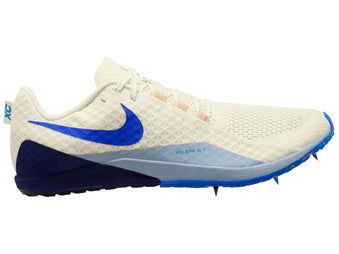
Spikes boost grip on wet grass or steep slopes. Many youth meets allow 1/4-inch spikes. Check meet rules before you buy. For beginners, rubber lugs are enough for most practices and many races.
I give new runners a rubber-lug shoe for daily runs, and a light spike for big meets. This keeps legs fresh and adds a race-day boost without extra risk.
Durability and Materials
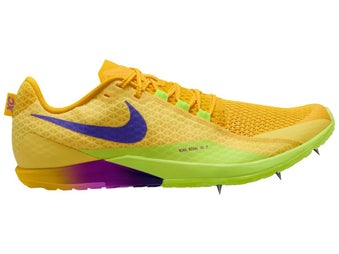
Kids are tough on gear. Choose ripstop or engineered mesh uppers. Look for welded overlays at the toe and sides. A reinforced toe bumper saves nails on rocky paths.
Outsoles with carbon rubber last longer on gravel. Check stitching at stress points. If your runner drags toes, add a bit of toe guard glue to extend life.
Watch for midsole flattening. When foam packs out, legs feel heavy. Rotate pairs if your child runs most days.

Match Shoes to Course and Weather
Think about where your child runs most.
- Dry grass and hard dirt: Low to mid lugs, light shoe, moderate cushion.
- Mud and wet fields: Deeper lugs or spikes, water-friendly upper.
- Rocky paths: Strong rubber, toe guard, a touch more cushion.
- Cold days: Grippy rubber that stays soft in low temps.
On race week, preview the course. If it is slick, use fresh laces and better grip. If it is dry and fast, a lighter shoe helps turnover.
Break-In, Care, and Rotation
New shoes need a short break-in. Start with 2–3 short runs. Watch for hot spots. Adjust socks or lacing if needed.
Keep shoes dry and clean. Remove insoles and air them out. Brush off mud after runs. Do not machine dry. Heat can harm glue and foam.
Rotate pairs if budget allows. One trainer plus a race shoe works well. This cuts wear and lowers injury risk.
Budget, Value, and When to Replace
You do not need the most expensive pair. Look for value in fit, grip, and a safe ride. Kids cross country running shoes in the mid-price range often hit the sweet spot.
Replace shoes when you see flat foam, torn uppers, or smooth lugs. Listen to your runner. New aches can mean worn shoes. Many kids will need a new pair each season due to growth alone.
Deal tip: Last season’s color is often cheaper. Fit and outsole matter more than looks.
Safety and Injury Prevention
Healthy miles beat hard miles. Add rest days. Mix in bodyweight work for hips and calves. Warm up with skips and short strides.
Teach smart pacing on hills. Downhill control saves knees. On race day, double-knot laces and check spike length rules.
If pain lasts more than a few days, ease off and ask a pro. A good fit and the right kids cross country running shoes support growth and cut stress.
Buying Checklist for Kids Cross Country Running Shoes
Use this short list to choose fast and safe.
- Fit: Thumb’s width at toes, snug heel, no pinch at midfoot.
- Grip: 3–5 mm lugs for training; spikes for muddy races if allowed.
- Cushion: Soft yet stable foam; not too thick.
- Upper: Reinforced toe and sides; breathable mesh.
- Weight: Light enough to feel quick; sturdy enough for trails.
- Drop: Mid range works for most; avoid drastic changes.
- Feel test: Jog, cut sideways, and do a few short hills in the store.
Sample picks by need:
- New to XC: Lugged rubber trainer with moderate cushion.
- Mud-heavy course: Deeper lugs or short spikes.
- Rocky course: Strong rubber, toe bumper, a bit more foam.
- Speed-focused racer: Light race shoe or spike with secure fit.
Frequently Asked Questions of kids cross country running shoes
How are kids cross country running shoes different from trail shoes?
XC shoes focus on race speed and grip on grass and dirt. Trail shoes add more protection and may be heavier for rough, rocky routes.
Should my child wear spikes or rubber-lug shoes?
Spikes help on wet grass and steep hills. For daily runs and many races, rubber lugs are safer and more flexible for kids.
How much toe room should there be?
Aim for a thumb’s width at the longest toe. This prevents black toenails on downhills and allows room for growth.
How often should we replace kids cross country running shoes?
Replace when lugs are smooth, foam feels flat, or your child grows out of them. Many young runners need a new pair each season.
What sock type works best with XC shoes?
Thin to medium technical socks reduce blisters and wick sweat. Use the same socks for fitting, practice, and race day to keep the fit consistent.
Are zero-drop shoes good for kids?
Most kids do better with a mid drop while they build strength. Switch slowly if you try lower drop to avoid calf and Achilles strain.
Can my child train and race in one pair?
Yes, if the course is not too muddy and the shoe grips well. For frequent races or muddy meets, consider a second pair or spikes.
Conclusion
The right kids cross country running shoes help young runners feel safe, fast, and happy on every course. Focus on fit, grip, and a steady ride, then match the shoe to your weather and terrain. Add smart care and a slow break-in, and you set your child up for a strong season.
Take the next step today. Check fit at the end of the day, test grip with a few strides, and build a simple rotation plan. If this guide helped, share it with another XC parent or coach, and subscribe for more youth running tips.
One Comment