Black And Orange Running Shoes: Top Picks & Style Tips

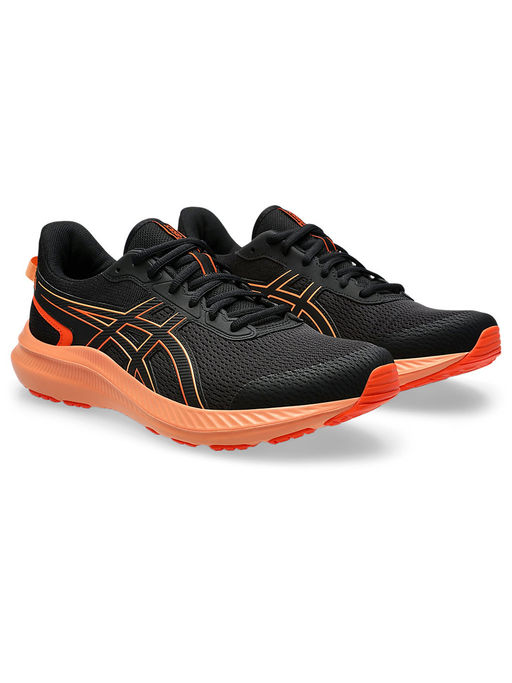
Black and orange running shoes blend bold style with high visibility and performance.
I’ve tested shoes for daily miles, race prep, and trail days for years. Black and orange running shoes keep popping up because they hit both form and function. They look sharp, stand out in low light, and often come in proven models. In this guide, I’ll show you how to choose the right pair, avoid common mistakes, and get the most from black and orange running shoes.
Why black and orange running shoes are more than a bold look
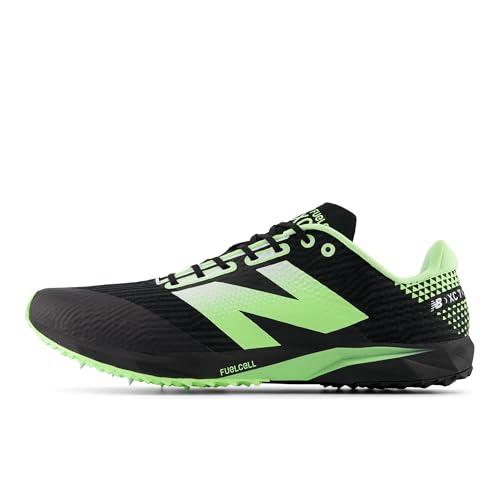
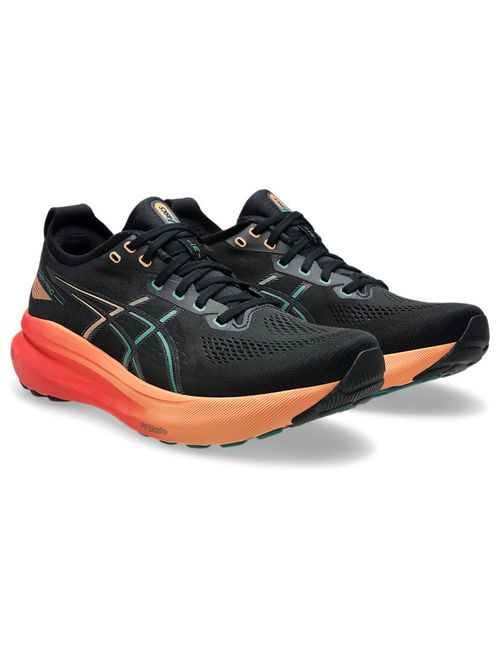
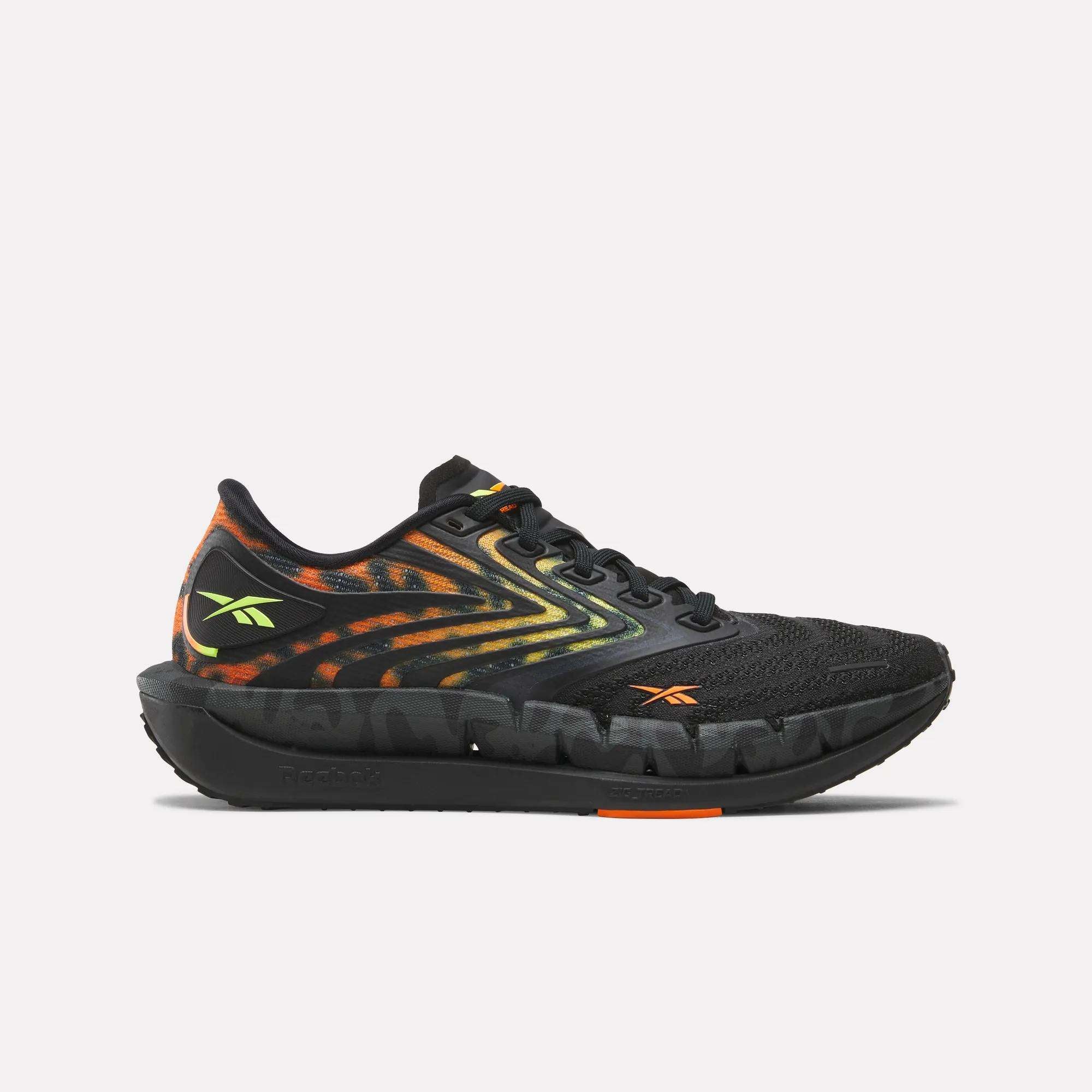
Black grounds the shoe. It hides dirt and gives a clean, sharp frame. Orange adds pop. It is bright, fun, and easy to spot. That is great for city runs at dawn or dusk. It can also boost mood and energy for some runners. Many brands use orange on midsoles or logos for a quick, striking contrast.
Color is not only style. Contrast can help visibility. Reflective hits add even more pop at night. On trails, black and orange running shoes stand out in photos and make it easy to spot your feet on rough paths. I like that quick glance check in rocky zones. It helps foot placement and rhythm.
From a performance view, colorways often land on top-tier models. Brands test hot color drops on popular lines. That means you can get top foam compounds, solid uppers, and proven outsoles in a black and orange build. You do not have to pick between tech and style.
Key features to look for
When you shop for black and orange running shoes, focus on fit and function first. The color is the cherry on top. Here is what matters most.
- Cushioning: EVA foams feel stable. PEBA or super foams feel springy and light. Pick based on your pace and goal.
- Stack height and drop: Higher stack gives more cushion for long miles. A 6–10 mm drop suits most runners. A lower drop can feel more natural but may stress calves.
- Stability: If your foot rolls in, look for gentle guidance rails or a firmer medial side. If you are neutral, a simple, balanced midsole works.
- Outsole grip: Road shoes need durable rubber and flex grooves. Trail shoes need real lugs. Wet grip matters if you run in rain.
- Upper and lockdown: Engineered mesh breathes and holds shape. Knits can feel soft but may stretch. Look for a secure heel and midfoot wrap.
- Weight: Daily trainers can be a bit heavier and still feel fine. For speed days, aim light.
- Breathability and heat: Dark uppers can run warmer in summer sun. Venting and thin socks help.
- Reflectivity: Orange is bright, but add reflective hits for night runs.
- Sustainability: Recycled mesh and bio-based foams are now common. This can guide your pick too.
I log shoe notes in a simple phone doc. I track comfort by mile 1, mid-run, and end. This quick habit has saved me from bad buys more than once.
Fit, sizing, and foot type
Fit can make or break your run. Here is a fast, clear plan to dial it in.
- Length: Leave a thumb’s width from your big toe to the tip. Feet swell during runs.
- Width: Many brands sell wide or narrow options. If your pinky rubs or the midfoot pinches, try a different width.
- Arch and pronation: If you overpronate, try guidance features. If you supinate, look for softer lateral foam and a stable base.
- Lacing: Use a runner’s loop for heel slip. Skip an eyelet if your instep is high.
- Socks: Try the socks you race or train in when you fit-test shoes.
Personal note: I have a narrow heel and a wide forefoot. In black and orange running shoes, I use a heel lock and keep the forefoot laces a touch loose. That setup stops heel rub and keeps my toes free on long runs.
Best use cases and training scenarios
Black and orange running shoes work across many runs. Pick the right setup for the job.
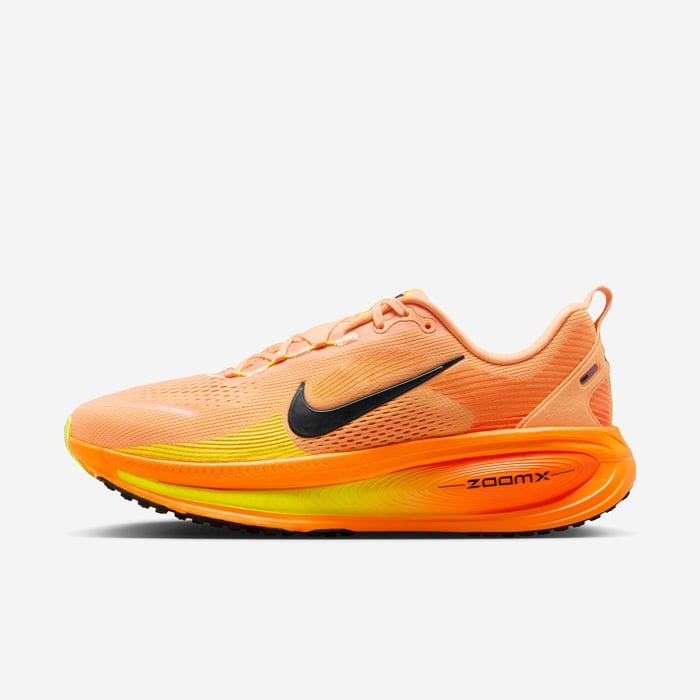
- Daily trainer: Cushioned, durable, and stable for easy miles and long days.
- Speed sessions: Lighter shoes with snappy foams and a rocker shape for intervals and tempos.
- Race day: Super foam and a plate can give bounce and quick turnover.
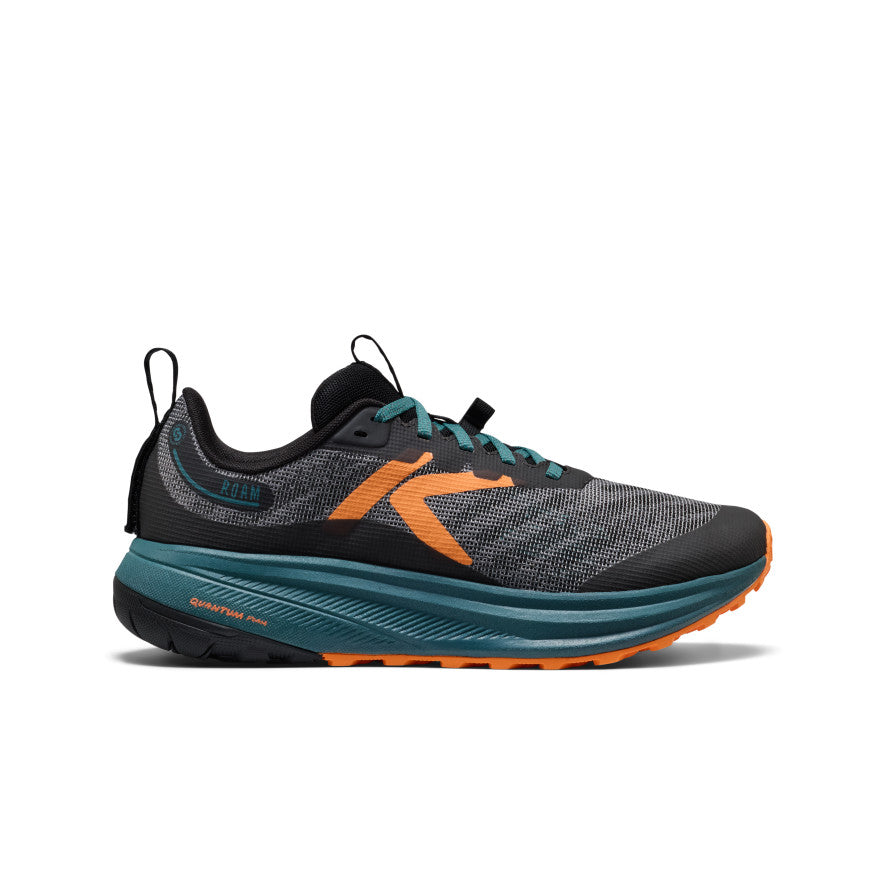
- Trail runs: Saw-tooth lugs, a toe bumper, and a snug midfoot. Orange accents help you spot footing on roots and rocks.
- Gym and cross-training: Look for a firmer forefoot and grip for strength work and short treadmill runs.
My routine: A cushioned black and orange daily trainer for most days. A lighter orange-accented speed shoe for track. A rugged black and orange trail shoe for weekends. The color theme makes it easy to grab the right pair fast.
Style and outfit tips
Yes, you can pair bold shoes with simple kit and still look clean.
- Keep the outfit neutral: Black shorts or tights, gray or white tops. Let the shoes shine.
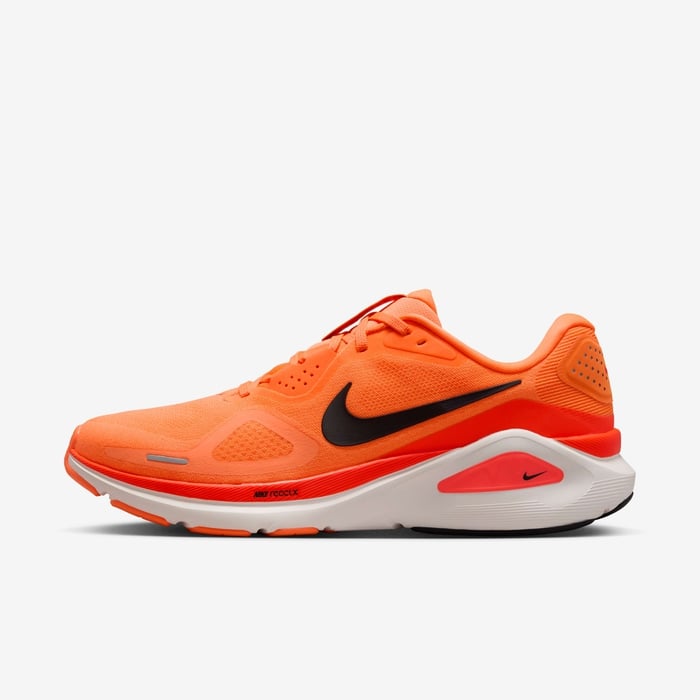
- Add a hint of orange: A cap, a watch band, or socks. Keep accents small.
- City runs and travel: Black hides scuffs. Orange keeps the look fresh for casual wear.
- Race day: Bright shoes look fast in photos. It is a small mindset boost.
A small trick I love: swap in black laces for a sleeker look on work days, then switch back to orange laces for weekend runs.
Care, cleaning, and longevity
Take care of black and orange running shoes and they will take care of you.
- Clean after muddy runs: Remove insoles. Rinse with cool water. Use mild soap and a soft brush. Do not machine wash.
- Dry with airflow: Stuff with paper towels. Air dry away from heat or sun.
- Rotate pairs: Two pairs last longer. Foams rebound better with rest days.
- Track mileage: Most shoes last 300–500 miles. If the midsole feels dead or the outsole is smooth, it is time to retire.
I once stretched a pair to 600 miles. My knee told me it was a bad idea. Respect the signs: new aches, flat feel, or frayed uppers.
Mistakes to avoid and pro tips
A smart buy starts with clear goals.
- Buying for color only: Start with fit and ride. Then pick the best black and orange colorway in that model.
- Ignoring terrain: Road outsoles slip on wet trails. Trail lugs feel harsh on pavement.
- Skipping test runs: Use stores with try-on treadmills or liberal return windows for indoor tests.
- Over-tight lacing: It can numb toes. Secure the heel and keep the forefoot relaxed.
- No break-in: Give new shoes 20–30 easy miles before race pace.
Pro tip: Take a side photo of your shoes every 100 miles. You can spot midsole compression and outsole wear early.
Top picks and notable models
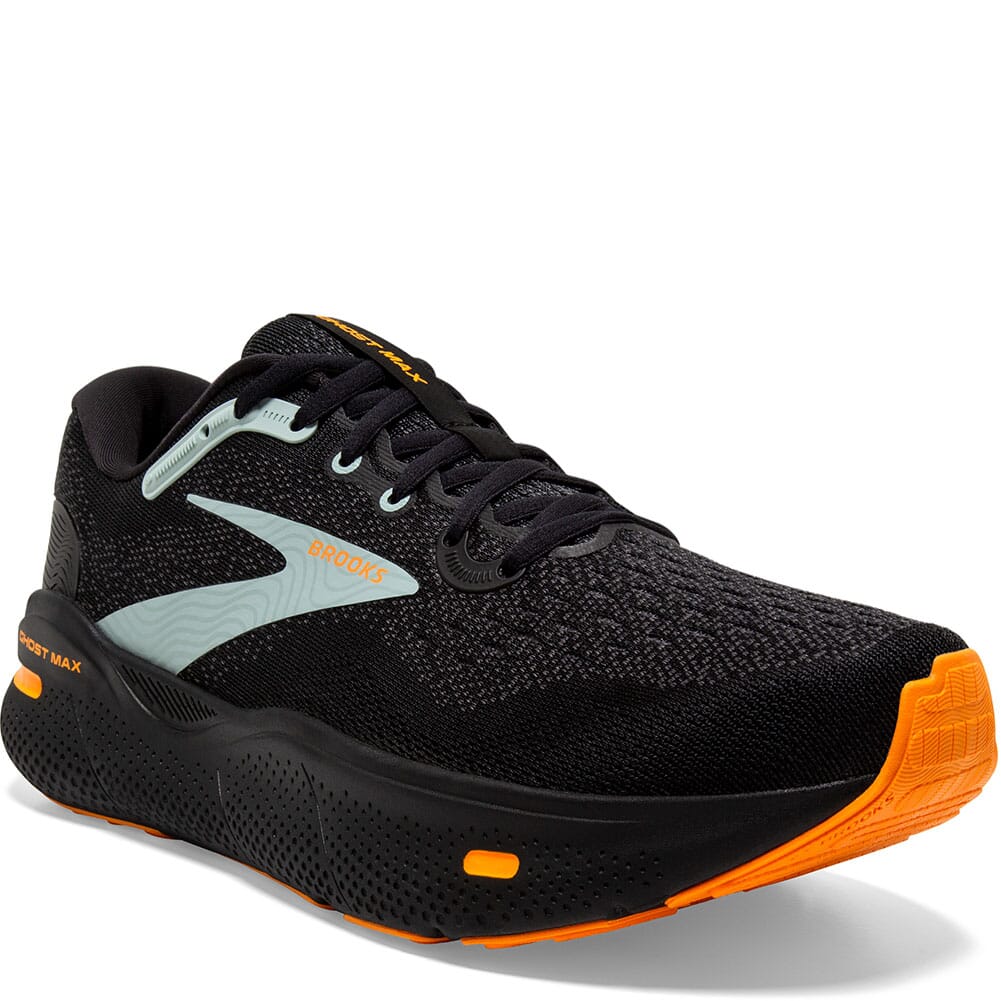
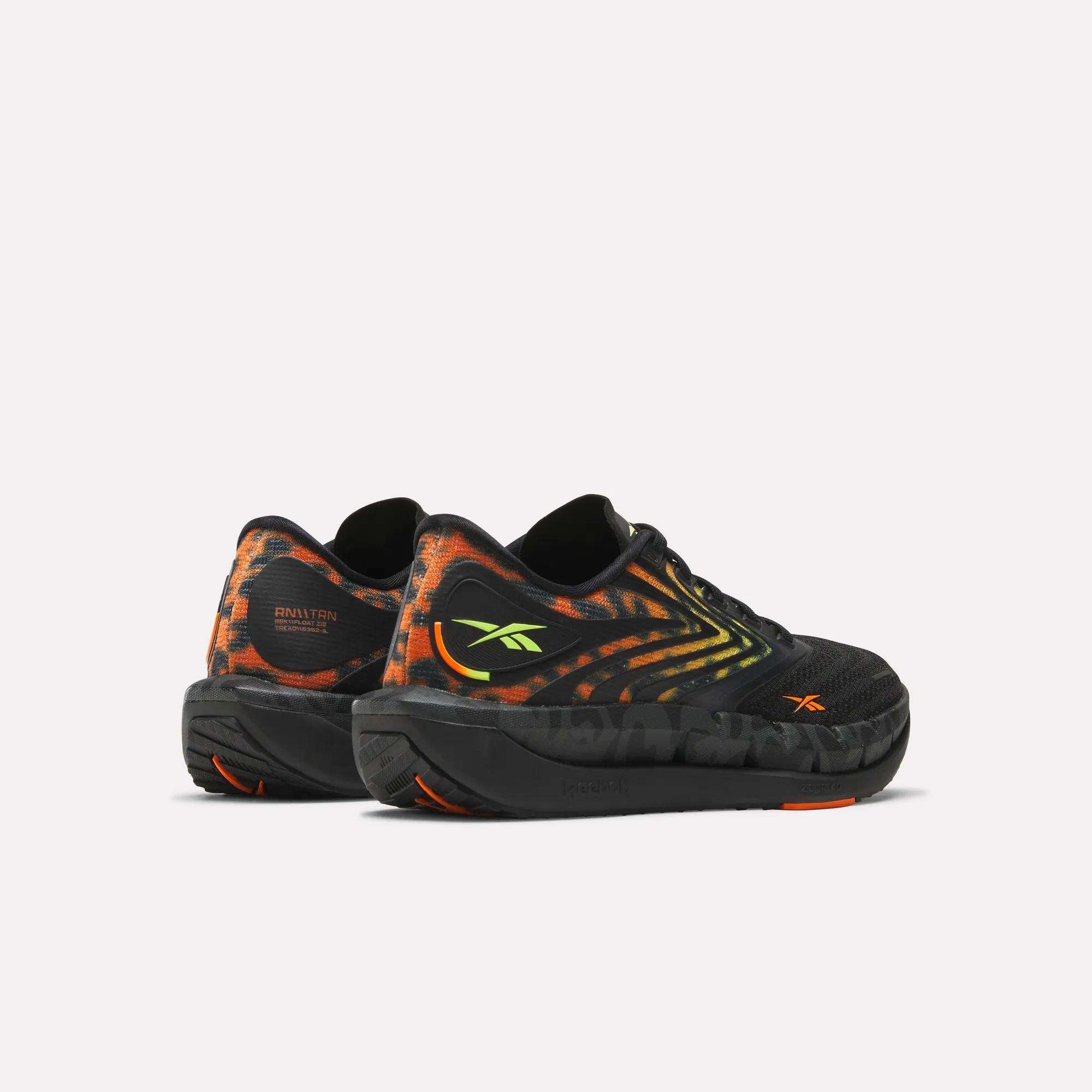
You can find black and orange running shoes across many trusted lines. Colorways change each season, but these model types are a good start.
- Daily trainers: Look for classics like neutral cushioned lines from major brands. They balance comfort, durability, and value.
- Stability picks: Flagship support shoes offer guidance without harsh posts. Great for mild to moderate overpronation.
- Tempo and race: Super foam, rocker shapes, and sometimes plates. They feel poppy and fast.
- Trail: Aggressive lugs, toe caps, and rock plates on select models. Choose lug depth based on mud or hardpack.
Check current seasons for black and orange drops. Many brands release limited runs tied to events or fall races. If you love a colorway, grab it before sizes sell out.
Budget and value checklist
Get the best bang for your buck and keep things simple.
- Set a price range: Daily trainers often give the best value. Speed shoes cost more. Trails vary by lug tech.
- Hunt prior colorways: Last season’s black and orange running shoes can be cheaper yet still fresh.
- Look for warranty and returns: Aim for at least 30 days of test time.
- Plan the cycle: Rotate pairs to extend life. Replace before pain shows up.
I like a two-shoe plan. One daily trainer, one speed or trail shoe. It controls spend and keeps training sharp.
Frequently Asked Questions of black and orange running shoes
Are black and orange running shoes good for night runs?
Yes, the contrast stands out, and many pairs add reflective hits. Still use a light or vest for full safety.
Do darker uppers run hotter in summer?
They can on bright days. Pick shoes with vented mesh and wear thin socks to improve airflow.
Can I use them for the gym and runs?
Yes, if the shoe has a stable base and good grip. For heavy lifts, very soft foams may feel wobbly.
How many miles will they last?
Most last 300–500 miles, based on foam and your stride. Watch for midsole flattening and outsole wear.
Are they okay for wide feet?
Many models come in wide sizing. Check brand charts and try on with your usual socks.
What socks pair best with black and orange running shoes?
Neutral black, gray, or white work well. A small orange accent can tie the look together.
Do colorways affect performance?
Color does not change foam or plates. Pick the model for your needs, then choose the color you like.
Are black and orange running shoes good for trails?
Yes, if you buy a trail model with real lugs and toe protection. Road models are not ideal off-road.
How do I stop heel slip?
Use a runner’s loop and snug the top two eyelets. Make sure you have the right length and heel shape.
Will they stain less than lighter shoes?
Black hides scuffs and dust better than white. Clean after muddy runs to keep orange accents bright.
Conclusion
Black and orange running shoes mix style, safety, and proven tech. Start with fit, ride, and your main terrain. Then choose the colorway that fires you up. Keep them clean, track miles, and rotate pairs to stay fresh and injury free.
Now it is your turn. Try on two to three models, test them on a short run, and note how your feet feel at mile one and mile three. If the shoe disappears under you, you found your match. Share your pick or questions in the comments, and subscribe for more real-world gear guides.