Best Trail Running Shoes Plantar Fasciitis: Comfort Guide

The best trail running shoes for plantar fasciitis combine firm arch support, soft cushioning, secure fit, and reliable trail grip.
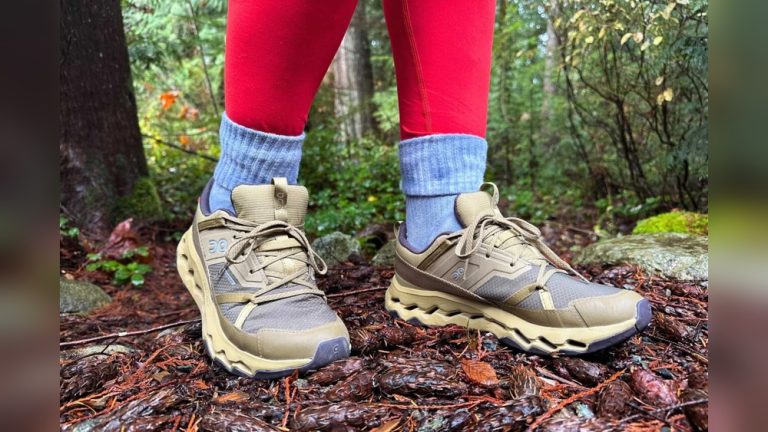
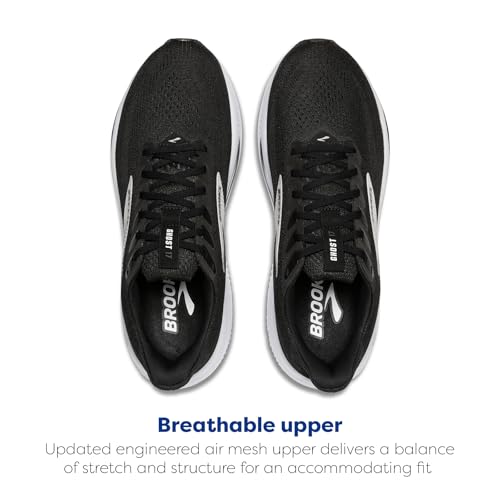
A sore heel can turn a short trail run into a slow, painful walk home. Plantar fasciitis often feels worse on uneven ground because your foot works harder to stay stable. The right shoe can reduce strain, improve comfort, and help you enjoy trails again. I compared five options for support, cushioning, traction, fit, and daily value. My picks include orthopedic trail sneakers for strong arch support and the Brooks Caldera 8 for runners who want a more traditional trail shoe. Shoe choice cannot cure plantar fasciitis, so see a health professional if pain lasts or gets worse.
See the differences between my top picks at a glance.
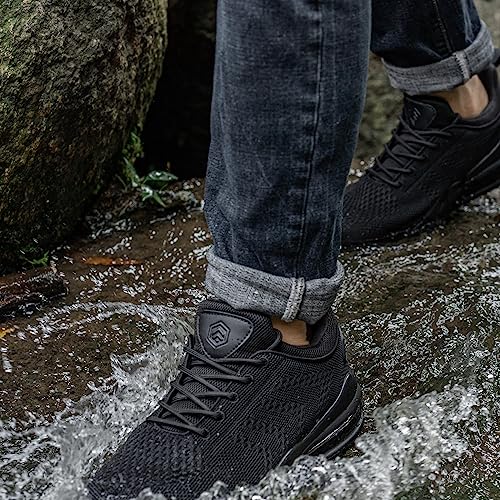
OrthoComfoot Men’s Waterproof Trail Shoe

The OrthoComfoot men’s sport sneaker targets runners and walkers who want more structure under the arch. Its product listing highlights an orthopedic support design, a waterproof upper, and a non-slip outsole for rough terrain. That combination makes it a useful choice for damp paths, park trails, and mixed outdoor use. It also looks more like a daily sneaker than a highly technical racing shoe.
I like the clear focus on comfort and foot support. A stable base may help reduce excess foot motion, which can matter when heel pain flares on uneven ground. Still, arch support feels different from person to person, so I would start with short walks before a long run. Check the size chart and make sure the heel stays secure without pressing on the back of your foot.
Pros:
- Orthopedic arch support suits many walkers with sore arches.
- Waterproof construction may help keep feet drier in wet conditions.
- Non-slip outsole is made for rough-terrain use.
- Sport sneaker shape works for trails, errands, and daily walks.
- Structured support can feel more stable than a soft casual shoe.
- Black color hides dirt better than many light trail shoes.
Cons:
- Firm arch support may feel too strong for some feet.
- The listed size is a specific men’s size, so sizing must be checked carefully.
- It may not feel as light or flexible as a dedicated race shoe.
What Amazon Buyers Are Saying
Buyer feedback should be checked on the live Amazon page because reviews and stock can change. The main points to look for are comfort during long walks, the feel of the arch insert, grip on wet ground, and true-to-size fit. Some buyers may prefer the firm support, while others may find that orthopedic shoes need a short break-in period. Pay close attention to recent reviews from people with a foot shape like yours.
My Recommendation
I recommend this model for men who want one supportive shoe for light trail use and everyday walking. It is a strong option when arch structure and weather protection matter more than a low race weight. I would not choose it first for technical mountain running without confirming the tread and fit in person.
| Category | Rating |
|---|---|
| Arch support | 4.5/5 |
| Trail traction | 4/5 |
| Weather protection | 4.5/5 |
| Comfort and fit | 4/5 |
| Value | 4/5 |
| Overall rating | 4.2/5 |
OrthoComfoot Men’s Army Green Trail Shoe
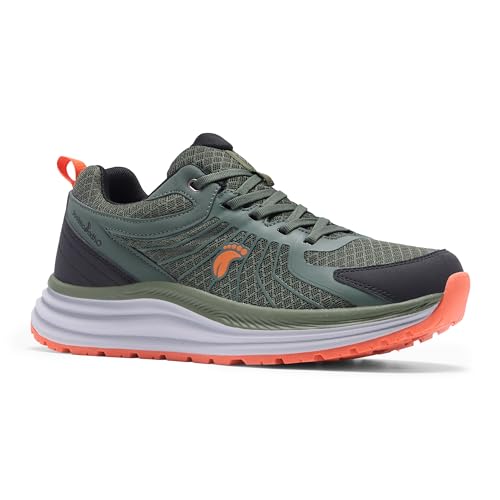
This Army Green version shares the same basic product focus as the black model. It is designed as a waterproof orthopedic sport sneaker with arch support and a non-slip outsole. The color gives it a more outdoorsy look, which may appeal to hikers who want a shoe that does not look like a formal orthopedic model. It suits trail walks, easy jogs, and active daily wear.
For plantar fasciitis, I look for a shoe that holds the heel well and does not let the foot slide inside the upper. A secure fit can make uneven paths feel less tiring. The outsole should also give enough confidence on packed dirt and mild rocky ground. As with any supportive shoe, test the arch feel indoors first and stop if the shoe increases heel pain.
Pros:
- High-visibility outdoor color fits hiking and trail wear.
- Orthopedic support may help users who dislike flat casual shoes.
- Waterproof design is useful for damp grass and light rain.
- Non-slip outsole supports confident walking on rough paths.
- Can serve as a walking shoe after a trail session.
- Room for personal socks may improve comfort in cool weather.
Cons:
- It may feel bulky beside lightweight trail trainers.
- Waterproof uppers can feel warm in hot weather.
- Arch height and overall fit may not suit low-arch or very wide feet.
What Amazon Buyers Are Saying
When reading the Amazon review page, I would focus on repeated comments rather than one very positive or negative review. Look for patterns about width, heel hold, water resistance, and traction. Buyers who use the shoe for long walks can offer more useful comfort clues than buyers who only wear it for short errands. Also check the latest size comments before ordering, since fit feedback can vary by color or size.
My Recommendation
This version is worth considering if you want orthopedic support with a casual outdoor style. It makes the most sense for trail walking, easy jogging, and mixed daily use. I would select it over a thin lifestyle sneaker, but I would choose a lighter technical shoe for fast, steep, or highly rocky trails.
| Category | Rating |
|---|---|
| Arch support | 4.5/5 |
| Trail traction | 4/5 |
| Weather protection | 4.5/5 |
| Breathability | 3.8/5 |
| Everyday value | 4.2/5 |
| Overall rating | 4.2/5 |
Women’s Orthopedic High-Arch Trail Shoe

This women’s orthopedic trail shoe is built around high-arch support and shock absorption. The listing also positions it for plantar fasciitis, arthritis, diabetes-related comfort needs, sports, and walking. That broad use makes it appealing to shoppers who need one pair for fitness walks and easy trail outings. The purple color adds a more noticeable style than many plain orthopedic shoes.
I would view this shoe as a comfort-first option rather than a specialized ultra-running shoe. A supportive footbed may reduce the harsh feel of each step, especially on firm paths. The fit still matters most; high arch support should meet your arch rather than press into it. If you have diabetes, reduced sensation, swelling, or skin concerns, ask a medical professional about safe footwear and inspect your feet often.
Pros:
- High-arch design targets users who want more underfoot structure.
- Shock-absorbing construction may feel comfortable on hard paths.
- Designed for trail runs, fitness walks, and everyday activity.
- Women’s sizing gives shoppers a more focused fit starting point.
- Purple color offers a clear style choice.
- Useful for people who need a supportive walking and exercise shoe.
Cons:
- High arch support can feel uncomfortable if your arch is low or sensitive.
- Its broad comfort focus may not match the needs of technical runners.
- The listed product example is a specific women’s size, so sizing remains important.
What Amazon Buyers Are Saying
Review the current Amazon comments for fit, toe space, heel comfort, and arch pressure. The most helpful buyer reports will explain how the shoe feels after several hours, not only how it feels when first opened. Look for comments from walkers and runners with similar support needs. If reviews mention a short adjustment period, use gradual wear rather than starting with a long trail session.
My Recommendation
I recommend this model for women who want strong arch support for walks, fitness, and mild trails. It can be a practical pick for plantar fasciitis when a soft, flat sneaker does not provide enough structure. I would pass if the high arch feels sharp or if you need a lightweight shoe for technical racing.
| Category | Rating |
|---|---|
| High-arch support | 4.5/5 |
| Shock comfort | 4.2/5 |
| Trail usefulness | 3.9/5 |
| Fit flexibility | 4/5 |
| Daily value | 4.1/5 |
| Overall rating | 4.1/5 |
Brooks Women’s Caldera 8 Trail Running Shoe

The Brooks Caldera 8 is the most running-focused shoe in this guide. It is listed as a women’s ultra trail running shoe, so it targets longer off-road efforts rather than only casual walking. Brooks is known for making running footwear with a planned fit and cushioned ride, but this model is not an orthopedic shoe in the same way as the other picks. Runners with plantar fasciitis may value its running platform, while some may still need a separate insert.
The main benefit here is balance. A dedicated trail shoe should feel more natural at running speed than a heavy comfort sneaker. It can also make more sense for runners who spend many miles on dirt, gravel, and uneven paths. However, cushioning alone does not guarantee arch relief. Test the shoe with your preferred socks and orthotic, and increase distance slowly.
Pros:
- Designed specifically for ultra trail running.
- Better match for runners who need a true performance trail shoe.
- Cushioned platform may reduce the harsh feel of long trail miles.
- Women’s medium fit offers a clear starting point for sizing.
- Black and pearl color scheme works well for regular running use.
- More suitable for sustained running than a casual orthopedic sneaker.
Cons:
- It may not provide the firm orthopedic arch support some buyers need.
- A women’s medium width may not suit very wide feet.
- Performance trail shoes can cost more than basic walking sneakers.
- Exact fit and support should be confirmed before a long ultra run.
What Amazon Buyers Are Saying
On Amazon, compare comments about sizing, toe room, grip, cushioning, and long-run comfort. A trail runner’s review may tell you more about performance than a short casual-wear review. Also separate normal break-in notes from true fit problems, such as heel lift or toe pressure. Since individual foot shape varies, use the return policy and current seller terms as part of your buying decision.
My Recommendation
This is my top choice for women who want the most traditional trail-running feel in the group. It is worth buying when you run longer distances and already know that a performance shoe suits your foot. It may need an orthotic for some plantar fasciitis cases, so I would not call it the best choice for shoppers seeking built-in high-arch support.
| Category | Rating |
|---|---|
| Running platform | 4.7/5 |
| Long-run cushioning | 4.5/5 |
| Built-in arch support | 3.8/5 |
| Trail suitability | 4.6/5 |
| Value for runners | 4.2/5 |
| Overall rating | 4.4/5 |
Women’s Wide Orthopedic Trail Walking Shoe

This women’s orthopedic sport shoe focuses on a wide, relaxed fit and arch support. The listing mentions plantar fasciitis, heel spurs, walking, trekking, biking, and recovery. That makes it a strong candidate for people who need comfort more than speed. The purple design also works for shoppers who want an active shoe with a casual look.
A wider toe area can help when narrow shoes squeeze the forefoot or when feet swell during a long walk. It should not feel loose at the heel, though. I would use this model for packed trails, park paths, recovery walks, and light trekking. For steep or wet technical terrain, confirm that the outsole has enough grip for your route.
Pros:
- Wide design may help reduce pressure on the toes.
- Arch support targets common comfort needs linked to heel pain.
- Useful for walking, light trekking, biking, and daily errands.
- Relaxed shape can suit feet that dislike narrow athletic shoes.
- Recovery-friendly design may work well after harder activities.
- Casual styling makes it easy to wear beyond the trail.
Cons:
- A wide fit may feel loose for narrow feet.
- It is better suited to walking and light trails than fast technical running.
- The listed size is a specific women’s size, so check the complete size range.
- Heel-spur or plantar fasciitis relief will vary by foot shape and cause.
What Amazon Buyers Are Saying
Check current buyer comments for width, toe room, heel hold, and comfort after several hours. Reviews can help show whether the shoe feels truly wide or only moderately roomy. Look for reports about walking on pavement as well as dirt paths. If several buyers mention slipping at the heel, consider a different shape or use a careful lace adjustment.
My Recommendation
I recommend this shoe for women who need extra room and plan to walk, hike lightly, or use a supportive shoe during recovery. It offers a practical comfort profile for plantar fasciitis, especially when tight footwear causes pressure. I would not make it my first pick for speed work or rough mountain trails.
| Category | Rating |
|---|---|
| Wide-foot comfort | 4.6/5 |
| Arch support | 4.2/5 |
| Walking comfort | 4.5/5 |
| Technical trail use | 3.6/5 |
| Overall value | 4.2/5 |
| Overall rating | 4.2/5 |
How to Choose the Best Trail Running Shoes Plantar Fasciitis
Choosing the best trail running shoes plantar fasciitis requires more than picking the softest foam. Your foot needs support, room, grip, and a stable fit. Plantar fasciitis involves pain in the band of tissue that runs along the bottom of the foot. Shoes may improve comfort, but they do not replace diagnosis or care. The American College of Foot and Ankle Surgeons and major medical centers commonly advise proper footwear, stretching, activity changes, and professional care when symptoms continue.
1. Match Arch Support to Your Foot
Start with the arch. Some runners feel better with a firm, shaped footbed. Others feel worse when a high arch presses into the sole. The support should contact your arch without creating a sharp hot spot. If you use custom orthotics, select a shoe with enough removable or internal space for that insert.
Do not assume “orthopedic” means the shoe will fit every foot. Read the product details, then wear the shoe indoors for a short time. If pain rises, numbness appears, or the arch feels forced, stop and reassess. A podiatrist or physical therapist can help you find the right level of support.
2. Look for Cushioning, Heel Control, and a Secure Fit
Soft cushioning can make hard ground feel kinder, but too much softness may reduce control on rocks and roots. I prefer a balanced midsole for most trail runners with heel pain. The heel should stay in place when you walk uphill. Your toes should have room to spread and should not touch the front when you move downhill.
Try shoes late in the day, when feet often swell. Wear the socks you use on the trail. Walk, climb stairs, and make a few turns before judging the fit. For plantar fasciitis, a stable heel counter and smooth step can matter as much as a thick cushion.
3. Match the Outsole to Your Trail and Running Goal
Trail shoes need grip that matches the ground. A shoe for a dry park path does not need the same tread as one for wet mud or steep rock. Look for a lug pattern that fits your route, but do not buy based on tread alone. A heavy, stiff shoe may protect the foot but feel tiring during a long run.
Also compare breathability and water protection. Waterproof shoes help in rain and wet grass, yet they can feel warm. A breathable mesh shoe may work better in summer. Think about how often you run, how far you go, and whether you need one shoe for both trail and daily wear. The best trail running shoes plantar fasciitis are the ones that meet your terrain and your foot needs together.
Final Verdict: Which Should You Buy?
For long trail runs, I favor the Brooks Caldera 8. For built-in orthopedic support, the OrthoComfoot Black is my top men’s pick, while the women’s high-arch model is the strongest support-focused choice.
Choose the best trail running shoes plantar fasciitis by fit, arch comfort, heel security, and trail grip. Start slowly, and seek care for lasting pain.
FAQs Of best trail running shoes plantar fasciitis
What are the best trail running shoes for plantar fasciitis?
The best pair should offer a secure heel, useful arch support, comfortable cushioning, and trail-ready grip. The Brooks Caldera 8 suits longer runs, while orthopedic OrthoComfoot models focus more on built-in support.
Can trail running shoes cure plantar fasciitis?
No. Shoes may reduce strain and improve comfort, but they do not cure the condition. See a qualified health professional if pain continues, limits activity, or gets worse.
Should plantar fasciitis shoes have high arch support?
Not always. Some feet benefit from firm support, while others feel better with less arch pressure. The arch should feel supported, not pushed or pinched.
Are cushioned trail shoes good for heel pain?
They can help reduce the feel of hard ground, but cushioning alone is not enough. A good fit, stable heel, suitable support, and proper trail grip also matter.
How should trail shoes fit when I have plantar fasciitis?
Your heel should stay secure, your toes should have room to move, and the arch should feel smooth. Try shoes with trail socks and test them indoors before a long run.