
Are Trail Running Shoes Good for Snow? Expert Guide & Tips

Trail running shoes have exploded in popularity, and for good reason. They offer lightweight comfort, grip on uneven terrain, and a freedom that heavy boots can’t match. But as winter arrives and trails disappear under snow, a new question comes up: Are trail running shoes good for snow? Many runners and hikers wonder if their favorite shoes can handle icy, slushy, or powdery paths, or if they need specialized footwear. This article takes a deep dive into how trail running shoes perform in snowy conditions, the science behind their design, and when you might need something more.
We’ll examine real experiences, analyze construction features, and compare them to alternatives. If you’re considering a snowy adventure, or you just want to know if your current shoes will keep you safe and warm, you’re in the right place. Let’s break down the realities of trail running shoes in snow—what works, what doesn’t, and how to make smart choices for winter trails.
Understanding Trail Running Shoes
Trail running shoes are designed for off-road running—dirt, rocks, roots, and mud. Their main features set them apart from regular running shoes:
- Aggressive outsole lugs for grip on loose or slippery ground
- Protective toe caps and rock plates to shield your feet
- Reinforced uppers to resist abrasion from sticks and stones
- Water-resistant or waterproof materials in some models
Compared to road running shoes, trail runners are tougher, heavier, and often stiffer. They balance traction, protection, and flexibility, aiming to keep you agile but safe.
But snow brings new challenges: cold, wetness, ice, and hidden hazards. While trail shoes are built for rough terrain, snow is a different story. The materials and design that help on dirt can sometimes work against you in winter. Let’s explore how.
Types Of Snowy Conditions
Not all snow is the same. Your shoes’ performance changes depending on the type of snow and the environment. Here’s a breakdown:
- Fresh powder – Soft, fluffy, and often deep. Hard to get traction; feet sink in easily.
- Packed snow – Firm, often found on well-trodden trails. Can be slippery, especially if icy.
- Slush – Wet, melting snow. Causes shoes and socks to get soaked quickly.
- Ice – Hard, slick, and dangerous. Needs special traction.
Understanding these conditions matters because no one shoe can do it all. Trail running shoes will perform differently in each setting, and your safety depends on matching gear to the environment.
Key Features Of Trail Running Shoes For Snow
Not all trail running shoes are equal in snowy conditions. Certain features make a bigger difference when temperatures drop and terrain gets slick.
Traction
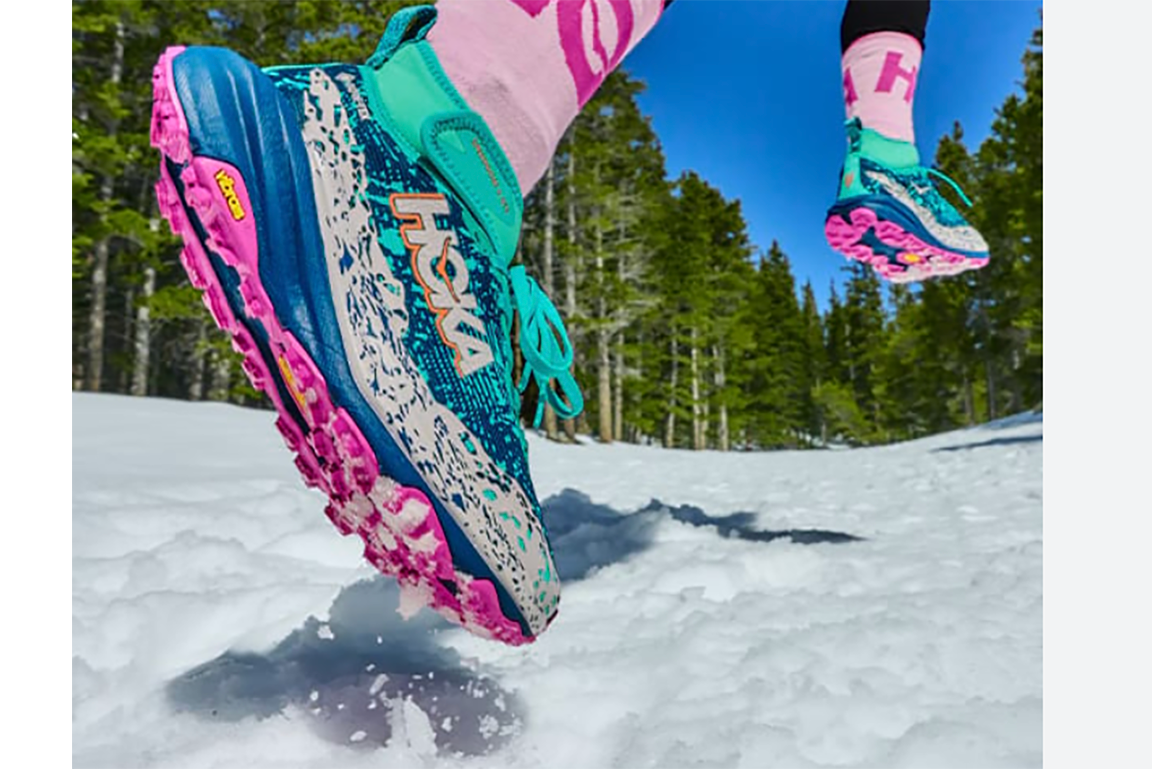
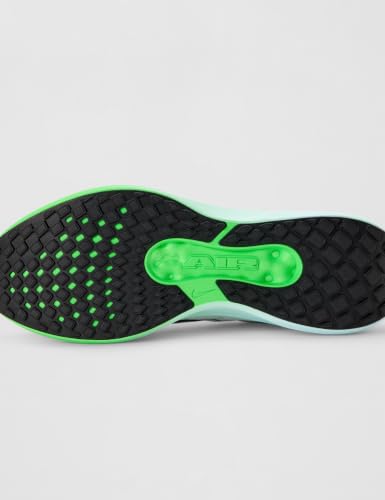
Trail shoes have lugs (small rubber spikes) on the sole. For snow, deeper and wider lugs (4-6mm) help grip better, especially on packed snow. But on ice, even aggressive lugs can slip. Some shoes use sticky rubber compounds, but without metal spikes, they can’t match specialized winter traction.
Water Resistance
Many trail running shoes use water-resistant membranes (like GORE-TEX). These keep feet dry in light snow but can trap sweat, leading to cold toes. Non-waterproof shoes dry faster but let snow in. It’s a tradeoff: waterproof for wet conditions, breathable for dry, cold snow.
Insulation
Most trail shoes lack insulation. Your feet generate heat while moving, but if you stop or get wet, they chill quickly. There are a few insulated trail runners, but most rely on socks for warmth.
Flexibility And Comfort
Trail shoes are flexible for running, but in deep snow, stiffer boots may give more support. Comfort is usually excellent, but wet or frozen shoes can cause blisters.
Weight
Trail running shoes are light—usually 8-12 ounces (225-340 grams) per shoe. This helps prevent fatigue, but lighter shoes offer less protection from the cold and from hidden ice or rocks.
Pros Of Trail Running Shoes In Snow
Trail running shoes do offer real advantages for winter adventures, especially in certain conditions.
- Lightweight agility – You can move quickly, even in snow, without heavy boots slowing you down.
- Good grip on packed snow – Aggressive lugs bite into firm snow better than regular sneakers.
- Comfort and flexibility – Softer uppers and flexible soles feel better during long runs.
- Quick drying – Non-waterproof models dry fast if they get wet, reducing the risk of cold feet.
- Great for running, not just hiking – If you want to run on winter trails, boots may be too stiff.
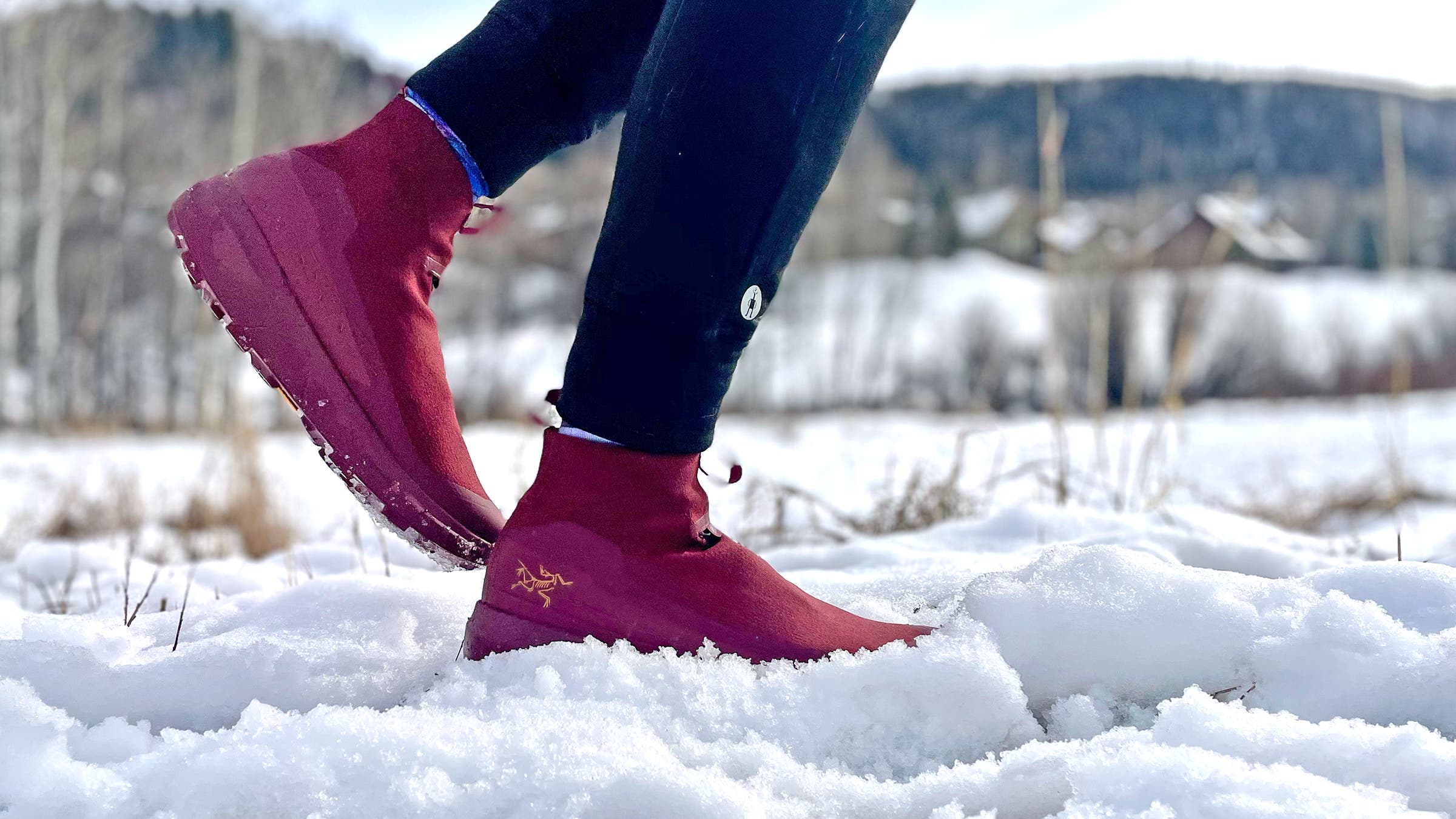
Experienced runners often prefer trail shoes for short, active trips in light or packed snow. They’re also popular for snow races and winter trail runs, where speed matters more than warmth.
Credit: ardmorerotary.org
Cons Of Trail Running Shoes In Snow
However, trail running shoes are not perfect for all snowy situations.
- Poor insulation – Most trail shoes are not warm enough for long periods in cold, especially if you stop often.
- Limited water protection – Deep snow quickly soaks low-cut shoes, and waterproof membranes have limits.
- Slippery on ice – Rubber lugs help, but without metal spikes, ice is still dangerous.
- Low ankle coverage – Snow can get inside easily, leading to wet, cold feet.
- Less protection from hidden hazards – Snow hides rocks, ice, and branches. Thin soles can mean bruises or slips.
If you plan to be out for hours, or in very cold/wet conditions, trail runners might not be enough.
When Trail Running Shoes Work Well In Snow
To get the most from trail running shoes in winter, match them to the right conditions:
- Short runs or hikes (1-2 hours)
- Temperatures above 20°F (-6°C)
- Packed or shallow snow (under 6 inches/15 cm)
- Active movement (you’re running, not standing still)
- Well-groomed trails
In these situations, the speed and comfort of trail shoes often outweigh their drawbacks.
Example: Winter Trail Race
Many winter trail races use packed routes where spikes are not allowed. Here, trail shoes with aggressive lugs offer the best balance of grip and comfort. Runners use wool socks for warmth and add gaiters to keep snow out. After the race, shoes dry quickly and are ready for the next outing.
When Trail Running Shoes Fall Short
Trail running shoes are not always the best choice for snow. Avoid them if:
- Snow is deep (over 6 inches/15 cm)
- Temperatures are below 10°F (-12°C)
- You plan to walk slowly or stop often
- Terrain is icy or has hidden obstacles
- You need to carry a heavy pack
In these cases, your feet will likely get wet and cold. A winter boot or insulated hiking shoe may be safer.
Example: Multi-hour Snow Hike
On a six-hour hike in wet, deep snow, a runner’s trail shoes soaked through by mile two. Wet feet led to blisters and mild frostbite. Insulated boots, though heavier, would have kept feet dry and warm.
How Trail Running Shoes Compare To Other Options
To make the best choice, compare trail running shoes with other common winter footwear.
| Feature | Trail Running Shoes | Winter Hiking Boots | Microspikes/Crampons |
|---|---|---|---|
| Weight | Light | Heavy | Varies (added to other shoes) |
| Traction on Snow | Good (packed) | Very Good | Excellent (ice/snow) |
| Waterproofing | Some models | Yes | N/A |
| Insulation | Poor | Good | N/A |
| Agility | Excellent | Fair | Depends on base shoe |
| Best Use | Short, fast, light snow | Long, cold, deep snow | Ice or steep slopes |
Trail running shoes are best for agility and speed in light snow. Winter boots win for warmth and water protection. Microspikes or crampons (which can be added to either shoe) are critical for ice.
How To Improve Trail Running Shoes For Snow
If you want to use trail running shoes in snow, some upgrades can help:
- Waterproof socks – These keep feet dry even if shoes soak through.
- Gaiters – Cover the ankle opening to keep snow out.
- Wool socks – Insulate even when wet, and reduce blisters.
- Traction devices – Slip-on spikes or chains improve grip on ice.
- Choose shoes with deep lugs – More bite means less slipping.
Smart Layering Example
A runner uses non-waterproof trail shoes, waterproof socks, and short gaiters. In packed snow, feet stay mostly dry and warm for a 90-minute run. Traction is good, and the shoes dry fast afterward.
Common Mistakes People Make
Beginners often underestimate snow’s impact. Here are mistakes to avoid:
- Wearing cotton socks – Cotton soaks up water and chills feet.
- Ignoring gaiters – Snow easily enters shoes, especially in deep powder.
- Choosing shallow lugs – Road shoes or minimalist trail shoes slip easily.
- Skipping traction devices on ice – Even the best lugs can’t grip glare ice.
- Expecting shoes to stay dry – Even waterproof shoes leak if snow is deep enough.
The result can be cold, wet feet or even frostbite. Always plan for the worst and carry backup gear.
Real-world User Experiences
Many runners and hikers have shared their stories about trail running shoes in snow. Patterns emerge:
- Light snow and active use – Most are happy, especially when using wool socks and gaiters.
- Deep snow or long outings – Wet, cold feet become a problem.
- Icy conditions – Slips and falls are common without added spikes.
A 2021 survey by the American Trail Running Association found that nearly 60% of winter trail runners use their regular trail shoes, but most add gaiters and traction devices. Only about 12% use full winter boots.
A Surprising Insight
Some runners actually prefer non-waterproof trail shoes in cold, dry snow. Their logic: snow that enters the shoe can escape, and the shoes dry fast. With good socks, feet stay warm. In contrast, waterproof shoes can trap sweat, leading to cold toes. This goes against common sense but works for some.
Trail Running Shoe Brands And Models For Snow
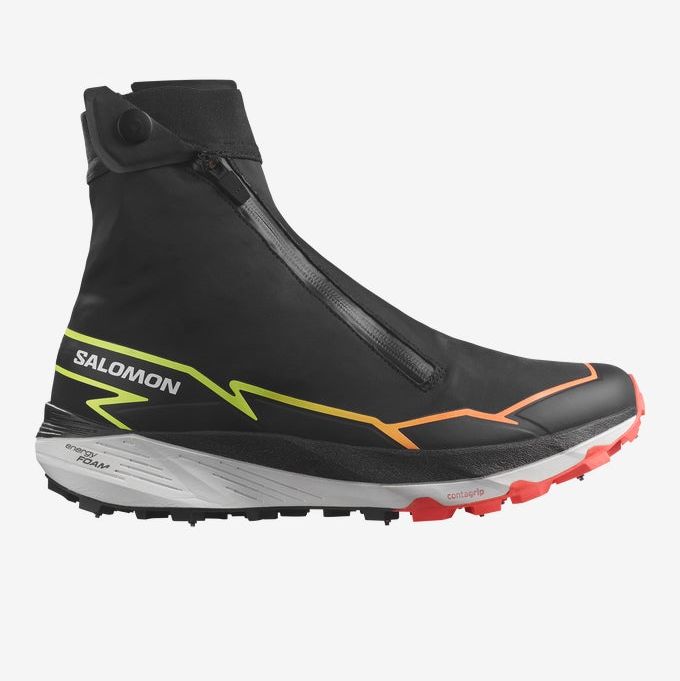
Not all trail shoes perform equally in snow. Some models are better suited due to deeper lugs, water resistance, or compatibility with spikes.
| Brand/Model | Lug Depth | Waterproof Option | Special Feature |
|---|---|---|---|
| Salomon Speedcross 6 | 6 mm | Yes | Super aggressive grip |
| La Sportiva Blizzard GTX | 7 mm | Yes | Built-in carbide spikes |
| Inov-8 Arctic Talon | 8 mm | No | Metal spikes for ice |
| Altra Lone Peak All-Wthr Low | 5 mm | Yes | Wide toe box |
| Hoka Speedgoat 5 | 5 mm | Yes | Cushioned for cold ground |
Models with built-in spikes are rare but excellent for icy trails. Most runners prefer deep-lug shoes with waterproofing and add their own traction devices as needed.
Credit: www.runnersworld.com
How To Choose Trail Running Shoes For Snow
If you want to use trail running shoes in snow, look for these features:
- Deep, widely spaced lugs for better grip
- Water-resistant upper (if you expect wet snow)
- Room for thick socks—consider sizing up half a size
- Compatibility with traction devices (like microspikes)
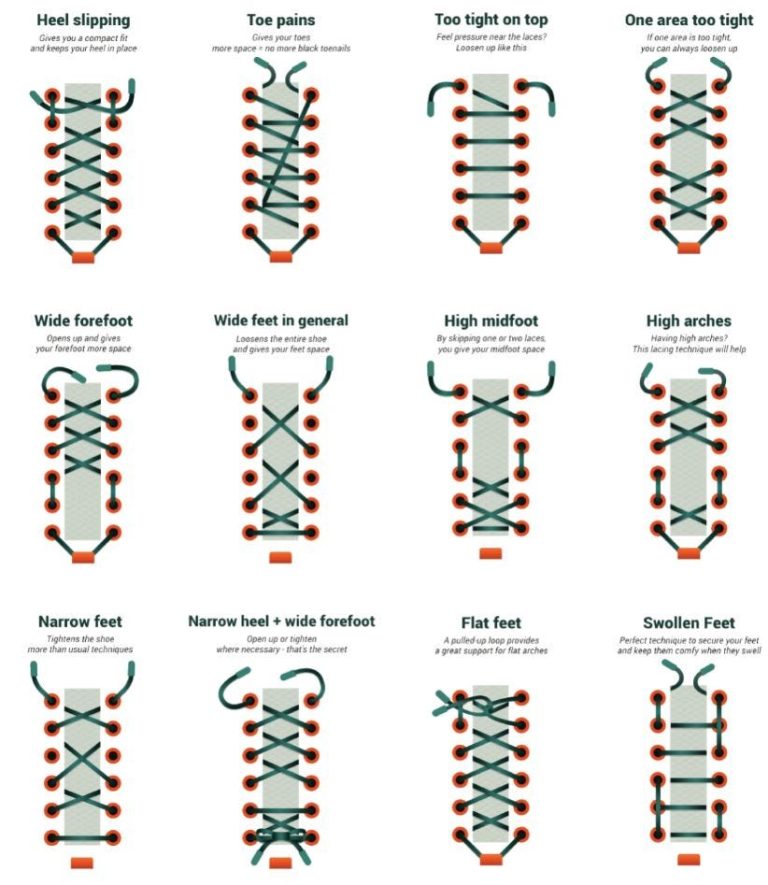
- Secure fit with locked-down laces (to prevent slipping inside the shoe)
- Reflective details for visibility in low winter light
Try shoes on with the socks you’ll wear in winter. Walk around to check fit and comfort. If possible, test grip on a snowy or icy surface before committing.
Alternatives: When To Choose Winter Boots Or Other Footwear
Trail running shoes are not your only option. Here’s when boots or other shoes are better:
- Multi-hour hikes in sub-freezing temperatures
- Deep snow (over 6 inches/15 cm)
- Standing still for long periods (ice fishing, wildlife watching)
- Heavy packs or rough, unmarked terrain
Insulated winter boots keep feet warm and dry, but are heavier and less flexible. Some boots also accept crampons for steep, icy trails.
If you’re on glare ice, use microspikes or crampons—these can fit over both trail shoes and boots.
Credit: trailhead.ultrasignup.com
Safety Tips For Snow Running And Hiking
Snow brings risks, especially in lightweight shoes. Here’s how to stay safe:
- Check the weather and trail conditions before you go.
- Tell someone your route and expected return time.
- Carry extra socks and a space blanket in case of emergencies.
- Watch for signs of frostbite or hypothermia (numbness, shivering, pale skin).
- Go with a friend—winter conditions can change fast.
Don’t be afraid to turn around if conditions worsen. Gear can’t replace good judgment.
Environmental Impact: Shoes Vs. Boots
Trail running shoes are usually made from synthetic materials that have a smaller manufacturing carbon footprint than big boots. They also cause less trail damage because they’re lighter. However, they wear out faster, especially in rough winter conditions, leading to more frequent replacement.
If you want to minimize your impact, choose durable shoes, repair them as needed, and recycle when possible. Brands like Salomon and Nike have recycling programs for worn-out shoes.
How To Care For Trail Running Shoes After Snow Use
Snow, ice, and road salt can damage shoes. Here’s how to keep them in top shape:
- Rinse off salt and mud with lukewarm water as soon as possible.
- Remove insoles and let shoes air dry—never use direct heat, which can damage glue.
- Stuff shoes with newspaper to absorb moisture.
- Apply a DWR (durable water repellent) spray to keep uppers water-resistant.
- Inspect lugs and soles—replace shoes if they’re worn flat.
Taking care of your shoes extends their life and keeps you safer on the next snowy run.
Non-obvious Insights About Trail Running Shoes In Snow
- Sweat matters more than you think – Even in cold weather, feet can sweat a lot. Waterproof shoes trap moisture, so sometimes non-waterproof models with good socks are warmer overall.
- Shoe color can affect drying time – Dark shoes absorb more sunlight and dry faster, which can help after wet runs.
- Fit changes in cold – Feet can shrink slightly in cold weather, so shoes that fit snugly in summer may feel loose in winter. Adjust laces or consider thicker socks.
Summary: Are Trail Running Shoes Good For Snow?
Trail running shoes can be good for snow—but only in the right conditions. They work best for short, active outings on packed or shallow snow, especially when paired with smart gear like gaiters, wool socks, and traction devices. They are light, comfortable, and offer solid grip.
However, for deep snow, long hikes, or icy trails, their lack of insulation and limited waterproofing become problems. For those situations, consider winter boots or add-on traction. Always check the weather, know your limits, and use the right gear for your safety.
If you love running or hiking year-round, trail running shoes can be part of your winter kit—but don’t expect them to do everything. Match your footwear to the adventure, and you’ll stay happy, safe, and moving fast.
For more on the science behind shoe traction in winter, see this Wikipedia page on snow boots.
Frequently Asked Questions
Can I Use Regular Trail Running Shoes In Deep Snow?
It’s not recommended. Trail running shoes lack insulation and high ankle protection. Deep snow will quickly soak your shoes and socks, leading to cold feet. For deep snow, insulated boots are safer.
Do I Need Waterproof Trail Running Shoes For Snow?
Waterproof shoes help in wet, slushy snow but can trap sweat in cold, dry conditions. Sometimes, breathable shoes with wool socks are warmer overall. Choose based on the snow type and your activity.
How Can I Get Better Traction With Trail Running Shoes On Ice?
Use slip-on traction devices like microspikes or chains. These add metal spikes under your shoes, greatly improving grip on ice and packed snow.
Are Insulated Trail Running Shoes Available?
A few models, like the La Sportiva Blizzard GTX, offer insulation and built-in spikes. Most trail shoes are uninsulated, so rely on warm socks instead.
Can I Run In Snow With Trail Running Shoes?
Yes, for short runs on packed or shallow snow. Use gaiters to keep snow out, wool socks for warmth, and traction devices if ice is present. Avoid very cold or deep snow unless you are experienced and prepared.

One Comment