Running Shoe Inserts for Overpronation: Ultimate Support Guide

If you have ever felt pain in your feet, ankles, or knees after a long run, you are not alone. Many runners struggle with overpronation, a common foot condition that can make running uncomfortable or even lead to injury. The good news? The right shoe inserts, also known as orthotics, can help correct your foot movement and make running much more enjoyable. But how do these inserts work, and which ones are best for overpronation? Let’s take a closer look at what overpronation is, how inserts can help, and what you need to know before you make a choice.
Understanding Overpronation
Overpronation happens when your foot rolls too far inward as you walk or run. Normally, your feet should roll slightly inward to help absorb impact. But with overpronation, this inward roll is exaggerated. This means your body’s weight shifts too much to the inside edge of your foot.
Why does this matter? When your feet roll in too much, your ankles, knees, and hips are forced out of alignment. Over time, this can cause pain, fatigue, and injuries such as plantar fasciitis, shin splints, or even knee problems. Overpronation is especially common among people with flat feet or low arches.
Some signs you might overpronate include:
- Worn-out shoes: Check the inside edge of your old running shoes. If the inner side is much more worn than the outer, you may be overpronating.
- Pain in feet, ankles, or knees: Especially after running or walking for long periods.
- Flat arches: Stand up straight and look at your feet. If your arches seem to collapse when you put weight on them, overpronation could be an issue.
How Running Shoe Inserts Help Overpronation
Shoe inserts are specially designed to support your foot’s natural shape and movement. For those with overpronation, orthotic inserts provide extra support along the arch and help keep the foot from rolling inward too much.
Here’s how they work:
- Arch support: Inserts for overpronation usually have a firmer arch. This helps hold up the middle of your foot so it does not collapse.
- Heel stabilization: Many inserts feature a deep heel cup. This keeps your heel in the right position and stops it from tilting inward.
- Even pressure distribution: Good inserts spread your body weight more evenly across your foot, reducing strain on any one part.
When used correctly, shoe inserts can lower your risk of injury and make running feel more comfortable. However, not every insert is the same, so it’s important to choose wisely.

Credit: www.amazon.com
Different Types Of Running Shoe Inserts
There are several kinds of inserts made for runners, but not all are helpful for overpronation. Here’s a breakdown of common types:
1. Over-the-counter (otc) Inserts
These are mass-produced and available at most shoe or sports stores. OTC inserts for overpronation are usually marked as “arch support” or “stability” inserts. They are affordable and easy to find, but may not fit every foot perfectly.
2. Custom Orthotics
Custom orthotics are made specifically for your feet, often after a podiatrist examines your foot shape and gait. These inserts are more expensive, but they offer personalized support for unique foot shapes and severe overpronation.
3. Cushioned Inserts
While these add extra comfort, they do not always provide enough support for people with serious overpronation. They’re best for mild cases or as a temporary solution.
4. Motion Control Insoles
These are designed for runners with severe overpronation. They are built with firm materials to limit excessive foot movement and provide maximum stability.
5. Gel Or Foam Inserts
These focus on absorbing shock, which can help with comfort. However, they may lack the firmness needed to control overpronation unless combined with proper arch support.
Key Features To Look For In Inserts For Overpronation
Not all inserts are created equal. To get the best results, focus on these important features:
- Firm arch support: A strong, supportive arch is critical for controlling overpronation.
- Deep heel cup: This cradles your heel and keeps it from rolling inward.
- Durability: Running puts a lot of stress on inserts, so choose ones made from long-lasting materials.
- Correct fit: The insert should match your shoe size and not slide around as you run.
- Breathability: Look for materials that allow air flow to keep your feet dry and comfortable.
- Shock absorption: While support is key, some cushioning can help reduce impact.
How To Tell If You Need Inserts For Overpronation
Many runners wonder if they actually need orthotics. Here are some signs that inserts might help you:
- You experience pain after running, especially in the arches, heels, ankles, or knees.
- Your running shoes wear out unevenly, with the inside edge showing more wear.
- Your feet feel tired or achy after standing or walking for long periods.
- You have been diagnosed with flat feet or low arches by a medical professional.
- You notice your ankles rolling inward when you stand or walk.
If several of these apply to you, it’s a good idea to try overpronation inserts or consult a podiatrist.
Benefits Of Using Shoe Inserts For Overpronation
The right inserts can make a big difference in your running experience. Here are some of the main benefits:
- Reduced pain and fatigue: Inserts help align your feet and legs, which can lower pain in the feet, ankles, knees, and hips.
- Lower risk of injury: By correcting your foot movement, inserts can prevent injuries like plantar fasciitis, shin splints, and runner’s knee.
- Improved running efficiency: With better alignment, you waste less energy and may even run faster or longer.
- Longer shoe life: Inserts can help your shoes wear more evenly, saving you money over time.
- Custom comfort: Many inserts have moisture-wicking materials and extra cushioning for a better fit and feel.
Comparing Popular Running Shoe Inserts For Overpronation
With so many products on the market, it’s easy to feel overwhelmed. To help you see the differences, here’s a comparison of some top inserts for overpronation:
| Brand & Model | Type | Arch Support | Heel Cup | Material | Approx. Price (USD) |
|---|---|---|---|---|---|
| Superfeet Green | OTC | High, Firm | Deep | High-density foam | $50 |
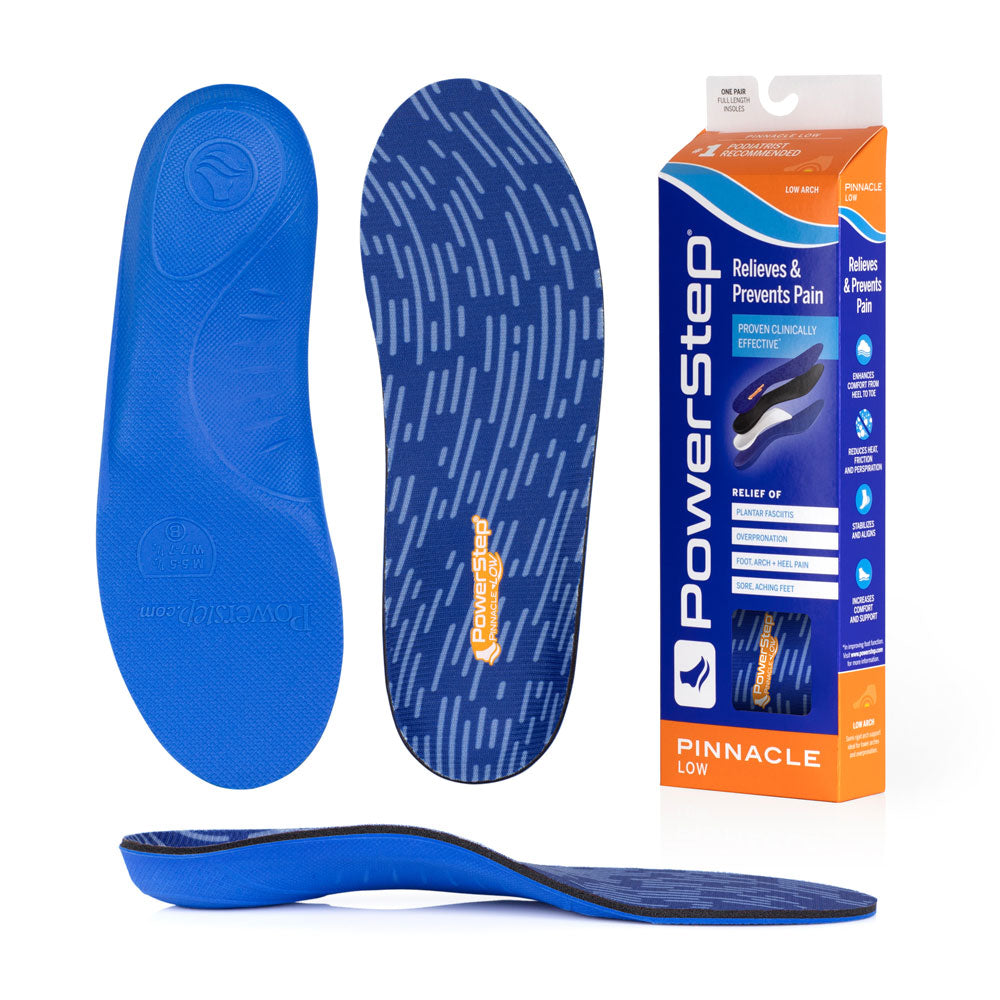
| Powerstep Pinnacle | OTC | Moderate | Deep | EVA foam, Polyester | $40 |
| Sole Active Thick | OTC | Customizable | Moderate | Moldable EVA | $50 |
| Protalus M100 | OTC | High, Firm | Extra Deep | Polyurethane | $70 |
| Custom Orthotics | Custom | Personalized | Custom | Varies | $200–$500 |
How To Choose The Right Insert For You
Selecting the best insert for overpronation isn’t just about picking the most expensive option. Consider these factors:
Your Level Of Overpronation
- Mild: OTC inserts with moderate support may be enough.
- Moderate to severe: Look for firm arch support and a deep heel cup, or consider custom orthotics.
Your Foot Shape And Arch Height
People with flat feet will need more arch support than those with medium arches. Some inserts are designed for specific arch heights—check the product details before buying.
Shoe Fit
Not all inserts fit every shoe. Running shoes with removable insoles are best, as you can replace the original insole with your orthotic. Make sure the insert doesn’t crowd your toes or lift your heel too high.
Activity Level
If you run long distances or train often, choose inserts with durable materials. If you run only a few times a week, comfort may be a bigger priority.
Budget
OTC inserts cost between $30 and $75, while custom orthotics can cost several hundred dollars. For most runners, a well-chosen OTC insert works very well. Custom orthotics are best for very severe cases or if you have other foot problems.
Trying Before You Buy
Some stores let you try inserts before buying. Walk around in them to check for comfort and support. If the insert feels awkward or changes your gait too much, it may not be the right one.
When To See A Specialist
If you have tried several inserts and still experience pain, or if your overpronation is severe, see a podiatrist. Specialists can assess your gait and foot structure, and may recommend custom orthotics or other treatments.
Sometimes, pain in your feet, knees, or hips can be caused by more than just overpronation. A medical professional can rule out other issues and help you find the best solution.
Tips For Using Shoe Inserts Effectively
To get the most out of your running shoe inserts, keep these tips in mind:
- Break them in gradually: Start by wearing your new inserts for short periods. Slowly increase the time each day until your feet get used to the new support.
- Replace worn-out inserts: Most inserts last 6–12 months, depending on usage. If they look flat or damaged, get a new pair.
- Check your shoes: Old or unsupportive running shoes can reduce the benefit of inserts. Use inserts in quality, well-fitting shoes.
- Keep them clean: Remove inserts after running to let them air out. Clean as recommended by the manufacturer.
- Monitor your body: If you notice new pain, check that your inserts are fitting correctly and providing the needed support.
- Use for all activities: If you overpronate, consider wearing supportive inserts in all your shoes, not just running shoes.
Real-world Examples: How Inserts Help Runners
Many athletes and everyday runners have found relief from pain and injury by using the right inserts. Here are two real-life examples:
- Emily, a marathon runner: Emily struggled with knee pain for years. After a gait analysis, she learned she overpronated. A podiatrist recommended custom orthotics. Within weeks, her pain reduced, and she was able to train for her next marathon.
- Mark, a weekend jogger: Mark had flat feet and often felt sore after jogging. He tried Powerstep Pinnacle inserts, which offered good arch support and a deep heel cup. His soreness improved, and he was able to enjoy running again.
These stories show that, for many people, the right insert can make a huge difference.
Comparing Over-the-counter Vs. Custom Orthotics
How do OTC and custom inserts really compare? Here’s a side-by-side look:
| Feature | OTC Inserts | Custom Orthotics |
|---|---|---|
| Cost | $30–$75 | $200–$500 |
| Fit | General sizing | Personalized |
| Support Level | Moderate to high | Maximum, tailored |
| Best For | Mild to moderate overpronation | Severe overpronation or unique foot shapes |
| Availability | Immediate | Requires appointment and fitting |
| Durability | 6–12 months | 1–2 years or more |
Most runners do well with OTC inserts, but if you have serious or ongoing problems, custom orthotics are worth considering.
Common Mistakes When Buying Shoe Inserts
Even with good intentions, it’s easy to make mistakes when choosing inserts for overpronation. Here are some common errors:
- Choosing too soft an insert: Comfort is important, but an insert that’s too soft won’t provide enough support for overpronation.
- Ignoring arch height: Not all inserts fit every arch type. Make sure the insert matches your foot’s needs.
- Not replacing old inserts: Worn-out inserts lose their support and can even cause new problems.
- Assuming one size fits all: Inserts come in different sizes and shapes. Don’t settle for a poor fit.
- Overlooking shoe compatibility: Some inserts are too thick for certain shoes and can make them uncomfortable.
If you’re unsure, ask for help at a specialty running store or consult a podiatrist.
How Running Shoe Inserts Compare To Stability Running Shoes
Some running shoes are designed for overpronators and come with extra stability features. So, do you need both stability shoes and inserts?
- Stability shoes: These have built-in support on the inner side of the shoe to limit overpronation. They work well for mild to moderate cases.
- Inserts: Provide additional or customized support, especially helpful if stability shoes alone aren’t enough.
Combining both can be beneficial for some runners. However, using both at the same time may feel too firm or unnatural for others. Test different combinations and see what works for your body.

Credit: powerstep.com
Scientific Evidence And Expert Opinion
Research supports the use of shoe inserts for overpronation. Studies show that orthotics can:
- Reduce foot and ankle pain in overpronators
- Improve alignment of the lower limbs
- Lower the risk of injuries like plantar fasciitis and knee pain
According to the American Podiatric Medical Association, both custom and OTC inserts can be effective if chosen and used correctly. Still, inserts are just one part of the solution. Strengthening exercises, proper footwear, and good running habits are also important.
For more on the science behind orthotics, the National Institutes of Health offers an in-depth review.
Two Insights Beginners Often Miss
- It’s not just about the feet: Overpronation affects your entire body’s alignment, from your ankles up to your hips and back. That’s why fixing foot motion can relieve pain elsewhere.
- Inserts are not a cure-all: They help a lot, but you should also focus on strengthening your foot and leg muscles. Over-reliance on inserts without exercise can limit long-term improvement.
Caring For Your Inserts
To get the best performance and value from your inserts:
- Wash inserts regularly: Use mild soap and water, and allow them to air dry completely before using them again.
- Rotate inserts: If you have more than one pair of running shoes, consider getting extra inserts or moving them between shoes.
- Watch for changes: If your running style or body weight changes, you may need to update your inserts.
Frequently Asked Questions
Credit: powerstep.com
What Is Overpronation And Why Does It Matter For Runners?
Overpronation happens when your foot rolls too far inward with each step. For runners, this can lead to pain or injury in the feet, ankles, knees, or hips. Over time, it can cause problems like shin splints, plantar fasciitis, or knee pain.
Proper support through inserts helps keep the body aligned and reduces risk.
Can I Use Running Shoe Inserts In Other Shoes?
Yes, most running shoe inserts can be used in walking shoes, work shoes, or even some casual footwear. Make sure the insert fits well and does not crowd your toes or lift your heel too much. For best results, use supportive inserts in all your daily shoes if you have overpronation.
How Long Do Running Shoe Inserts Last?
Most over-the-counter inserts last 6–12 months with regular use, while custom orthotics can last 1–2 years or longer. If you notice the insert losing shape, feeling flat, or causing discomfort, it’s time to replace it.
Are Custom Orthotics Always Better Than Otc Inserts?
Not always. Custom orthotics are best for people with very severe overpronation, unique foot shapes, or those who haven’t found relief with OTC options. For most runners, a high-quality OTC insert with proper support works very well and is more affordable.
Should I See A Podiatrist Before Buying Inserts?
If you have ongoing pain, severe overpronation, or other foot problems, it’s smart to see a podiatrist. They can perform a gait analysis and recommend the best solution. For mild to moderate overpronation, many runners find relief with OTC inserts.
Getting the right running shoe inserts for overpronation can change your running experience for the better. By understanding your own needs and following expert advice, you can run more comfortably, reduce pain, and protect your body from injury. Remember, inserts are just one part of a healthy running routine—support them with good shoes, regular strengthening exercises, and smart training habits. Happy running!