
Good Running Shoes for Heavy Guys: Top Picks for Comfort

Finding the right running shoes can feel tough, especially if you’re a heavy guy. When your weight is higher, your feet, knees, and hips take more impact with every step. The wrong shoes can cause pain, injuries, and even make you stop running. But the right pair can help you run longer, feel better, and enjoy your workout. Many brands offer shoes for all types of runners, but not all are made for bigger bodies. Let’s break down what matters most, how to choose, and which models work best. You’ll also see real-world data, comparisons, and answers to the most common questions.
Why Running Shoes Matter More For Heavy Guys
Running is a high-impact sport. When you weigh more, each step puts extra force on your joints. Studies show that ground force increases with body weight, sometimes up to 2-3 times more for runners over 200 lbs. This can lead to problems like plantar fasciitis, shin splints, or knee pain. Good running shoes absorb shock, support your foot, and reduce injury risk.
Heavy runners need shoes with:
- More cushioning
- Better stability
- Stronger support
- Durable outsoles
- Wider fit options
Shoes that lack these features wear out faster and may not protect you. That’s why picking the right pair is crucial.
Key Features To Look For
Not all running shoes are equal. Some focus on speed, others on comfort. If you’re a heavy guy, certain features matter more than others.
Cushioning
A shoe’s cushioning is its ability to absorb shock. Heavier runners need maximum cushioning, especially in the heel and forefoot. Too little cushion and you’ll feel every step; too much can make shoes unstable. Look for EVA foam, gel, or air pods.
Stability
Stability shoes help keep your foot from rolling inward (overpronation). Many heavier runners tend to overpronate because of the extra weight. Look for shoes with a wider base, firm midsole, and added arch support.
Support
Support is not just about arch shape. It’s the shoe’s ability to hold your foot in place. Features like heel counters, medial posts, and structured uppers help.
Durability
More weight means faster shoe wear. Check for reinforced outsoles, strong materials, and thick treads. Some brands use special rubber or carbon for extra life.
Fit And Width
Heavy guys often have wider feet. Brands like New Balance, Brooks, and Asics offer wide or extra-wide options. A snug fit avoids blisters but shouldn’t squeeze your toes.
Weight Of Shoe
Light shoes are good, but too light can mean less support. A shoe that’s too heavy can slow you down. Aim for shoes in the 10–13 oz range for balance.
Drop
Heel-to-toe drop is the height difference between the heel and forefoot. Most heavy runners do best with a moderate drop (8–12mm), which gives better heel cushioning.
Breathability
Sweaty feet cause blisters. Mesh uppers help keep your feet dry and cool.
Comparing Popular Running Shoe Models
Some shoes are famous for supporting heavy runners. Here’s a comparison of a few top models:
| Model | Cushion Level | Stability | Durability | Width Options | Weight (Men’s 10) |
|---|---|---|---|---|---|
| Brooks Glycerin 21 | High | Medium | Excellent | Wide | 10.5 oz |
| Asics Gel-Kayano 30 | High | High | Excellent | Wide/Extra-wide | 11.7 oz |
| New Balance 990v6 | Medium | High | Excellent | Wide/Extra-wide | 13 oz |
| Hoka Bondi 8 | Maximum | Medium | Good | Wide | 10.8 oz |
| Brooks Beast 20 | High | Maximum | Excellent | Wide/Extra-wide | 13.5 oz |
You’ll notice most top shoes are heavier, wider, and have more cushioning. They’re not the lightest, but they last longer and protect your feet.
Best Running Shoes For Heavy Guys: Top Choices
Each runner is different, but some models stand out for bigger bodies. Here’s a closer look at the best options.
1. Brooks Beast 20
This is the “tank” of running shoes. It’s known for maximum stability and support. The Beast 20 has a strong heel counter, wide base, and thick sole. It’s heavy (over 13 oz), but that’s because it’s built to last.
Why it’s good:
- Designed for overpronators
- Excellent arch support
- Available in wide and extra-wide
- Durable outsole and thick upper
- Works for flat feet
Downside:
- Price is high
- Bulky look
2. Asics Gel-kayano 30
A classic stability shoe, the Kayano series has been trusted by heavy runners for decades. The Gel-Kayano 30 uses gel cushioning and a medial post for support.
Why it’s good:
- Gel absorbs shock well
- Holds foot firmly
- Available in wide/extra-wide
- Good for long distances
Downside:
- Can feel stiff for some
- Pricey
3. Brooks Glycerin 21
If you want luxury cushioning without losing support, try the Glycerin 21. It’s softer, but still stable. The DNA Loft foam is thick and bouncy.
Why it’s good:
- Soft feel
- Wide fit
- Durable for heavy use
- Good for neutral runners
Downside:
- Not as stable as Beast
- May feel too soft for some
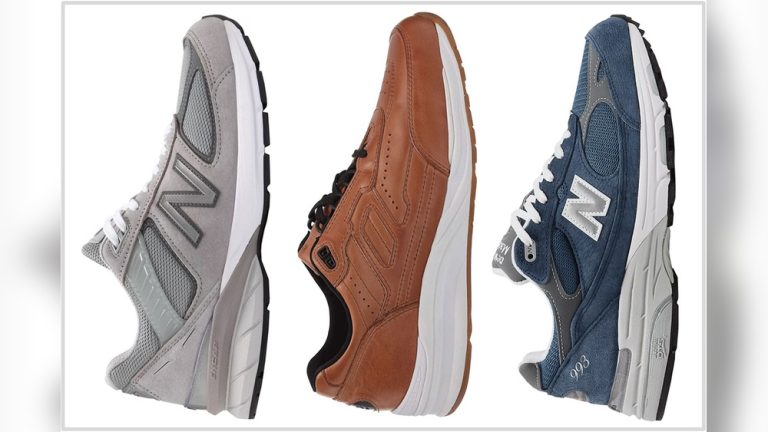
4. New Balance 990v6
The 990 series is famous for wide fit and durability. The v6 version has upgraded foam and a sturdy build.
Why it’s good:
- Extra-wide available
- Very durable
- Balanced support
- Good for walking and running
Downside:
- Heavy (over 13 oz)
- Less cushioning than others
5. Hoka Bondi 8
Hoka is known for max cushioning. The Bondi 8 has a thick midsole, soft ride, and comes in wide sizes.
Why it’s good:
- Plush cushioning
- Wide platform
- Lightweight for its size
- Good for recovery runs
Downside:
- Not as stable
- Some find it too bulky
6. Saucony Triumph 21
This shoe offers premium cushioning with a lightweight feel. It’s good for neutral runners who want comfort.
Why it’s good:
- Soft, bouncy foam
- Flexible upper
- Available in wide
- Good for long runs
Downside:
- Not for severe overpronators
- May wear out faster
7. Asics Gt-2000 11
A solid stability shoe for those who overpronate. The GT-2000 is lighter than Kayano, but still strong.
Why it’s good:
- Good arch support
- Wide sizes
- Gel cushioning
- Affordable
Downside:
- Less durable
- Not as plush
8. New Balance 1540v3
A motion control shoe, made for severe overpronators. It’s tough and comes in extra-wide.
Why it’s good:
- Maximum support
- Wide and extra-wide
- Thick outsole
- Great for flat feet
Downside:
- Heavy
- Not very flexible
9. Brooks Addiction 15
This shoe is built for big bodies with flat feet. It’s stable, supportive, and roomy.
Why it’s good:
- Wide fit
- Strong arch support
- Durable
- Good for walking too
Downside:
- Not very stylish
- Can feel stiff
10. Mizuno Wave Inspire 19
Mizuno uses Wave technology for shock absorption. The Inspire is stable but lighter.
Why it’s good:
- Good cushioning
- Stable ride
- Wide sizes
- Affordable
Downside:
- Less plush
- Not for severe overpronators
Buying Guide: Choosing The Right Shoe For You
Every runner’s needs are unique. Here’s how to pick the best shoe for your weight, foot shape, and running style.
Know Your Foot Type
- Flat feet: Need more arch support and motion control
- High arches: Look for flexible, cushioned shoes
- Normal arches: Balanced shoes work best
You can check your arch with a simple wet foot test. Wet your foot, step on paper, and see the shape. If the middle is mostly filled in, you have flat feet. If there’s a big gap, you have high arches.
Measure Your Width
Many heavy guys have wide feet. Try shoes in wide (D) or extra-wide (2E, 4E) sizes. Don’t squeeze your toes; a little room is better.
Consider Your Running Surface
- Road running: Needs grip and cushioning
- Trail running: Requires more traction and protection
- Treadmill: Can use lighter shoes
Pick a shoe that matches your main surface.
Don’t Ignore Weight
Shoes that are too light may not protect enough. But super heavy shoes can slow you down. Find a balance that feels comfortable.
Try Before You Buy
Go to a store, walk and jog in the shoes. Check for:
- No pinching
- Heel doesn’t slip
- Toes have room
- Midfoot feels snug
If buying online, check the return policy.
Replace Shoes Often
Heavier runners should replace shoes every 300–400 miles. Worn shoes lose support and may cause injuries.
Comparing Cushioning Technologies
Different brands use different cushioning. Here’s a look at the main types:
| Brand | Technology | Feel | Best For |
|---|---|---|---|
| Brooks | DNA Loft | Soft, plush | Heavy runners, long runs |
| Asics | Gel | Firm, shock-absorbing | Overpronators, joint pain |
| Hoka | Meta-Rocker, EVA | Very soft, thick | Recovery, max cushioning |
| New Balance | Fresh Foam | Balanced, supportive | Wide feet, walking/running |
| Saucony | PWRRUN+ | Springy, light | Long distances |
| Mizuno | Wave Plate | Firm, stable | Stability, midweight |
Some heavy runners prefer softer foam, others like firm support. Try both styles to see what feels best.
Common Mistakes Heavy Runners Make
Many runners make errors when picking shoes. Avoid these mistakes:
1. Choosing Style Over Function
Looks aren’t everything. Pick shoes for your needs, not just color or brand.
2. Buying Too Small
Shoes should have a thumb’s width in the toe box. Too tight causes blisters and pain.
3. Ignoring Arch Type
Flat feet need different shoes than high arches.
4. Skipping Wide Sizes
If your feet are wide, standard width will squeeze and cause discomfort.
5. Keeping Shoes Too Long
Old shoes lose support. Replace them every 300–400 miles.
6. Not Considering Weight
Light shoes may not have enough support for bigger bodies.
7. Missing Out On Stability
If you overpronate, you need stability features.
8. Buying Cheap Shoes
Budget models often lack durability and support.
9. Not Testing Shoes
Try them on, walk and jog before committing.
10. Ignoring Expert Advice
Running stores can analyze your gait and suggest the right shoe.
Real-world Tips For Heavy Runners
Getting the most from your shoes means more than buying the right pair. Here are some tips:
- Rotate two pairs if you run often. This lets each shoe recover and last longer.
- Use proper socks. Thick, moisture-wicking socks prevent blisters.
- Consider custom insoles if you have foot pain or special needs.
- Track your shoe mileage. Apps like Strava or Runkeeper can help.
- Listen to your body. If you feel pain, check your shoes first.
A non-obvious insight: Shoe choice affects not just feet, but also hips and back. Poor support can cause pain higher up the body. Another overlooked point: Weight distribution changes with fatigue. As you tire, your stride gets heavier, so shoes with strong midsole support matter more on long runs.
What Science Says About Running Shoes For Heavy Guys
Research backs up many of these ideas. A study from the University of Calgary found that extra cushioning reduces injury risk for runners over 200 lbs. Another study showed that wider bases and stability features help prevent knee pain. Shoe durability is also higher in models with carbon rubber outsoles.
The American College of Sports Medicine notes that heavier runners benefit from motion control shoes if they overpronate, and from neutral cushioned shoes if they don’t. Shoes with high cushioning and support lead to better comfort and lower injury rates.
For more research, check Wikipedia’s Running Shoe page.
Price Ranges: What To Expect
Top running shoes are not cheap, especially models for bigger bodies. Here’s what you’ll see:
- Entry level: $60–$90 (basic models, less support)
- Mid-range: $100–$140 (most good options, wide sizes)
- Premium: $150–$220 (max support, durability, special features)
Buying a premium shoe is usually worth it for heavy runners. It lasts longer and protects your body. Don’t forget to budget for good socks and possible custom insoles.
Credit: believeintherun.com
How To Make Your Shoes Last Longer
Durability matters more for heavier runners. Here’s how to extend shoe life:
- Alternate pairs: Don’t use the same shoe every day.
- Dry shoes after running: Wet shoes break down faster.
- Clean shoes regularly: Dirt and sweat damage materials.
- Store shoes in a cool, dry place.
- Replace insoles when worn.
- Avoid running on rough surfaces with road shoes.
A hidden tip: Don’t machine wash running shoes. It weakens glue and foam. Instead, clean with mild soap and air dry.
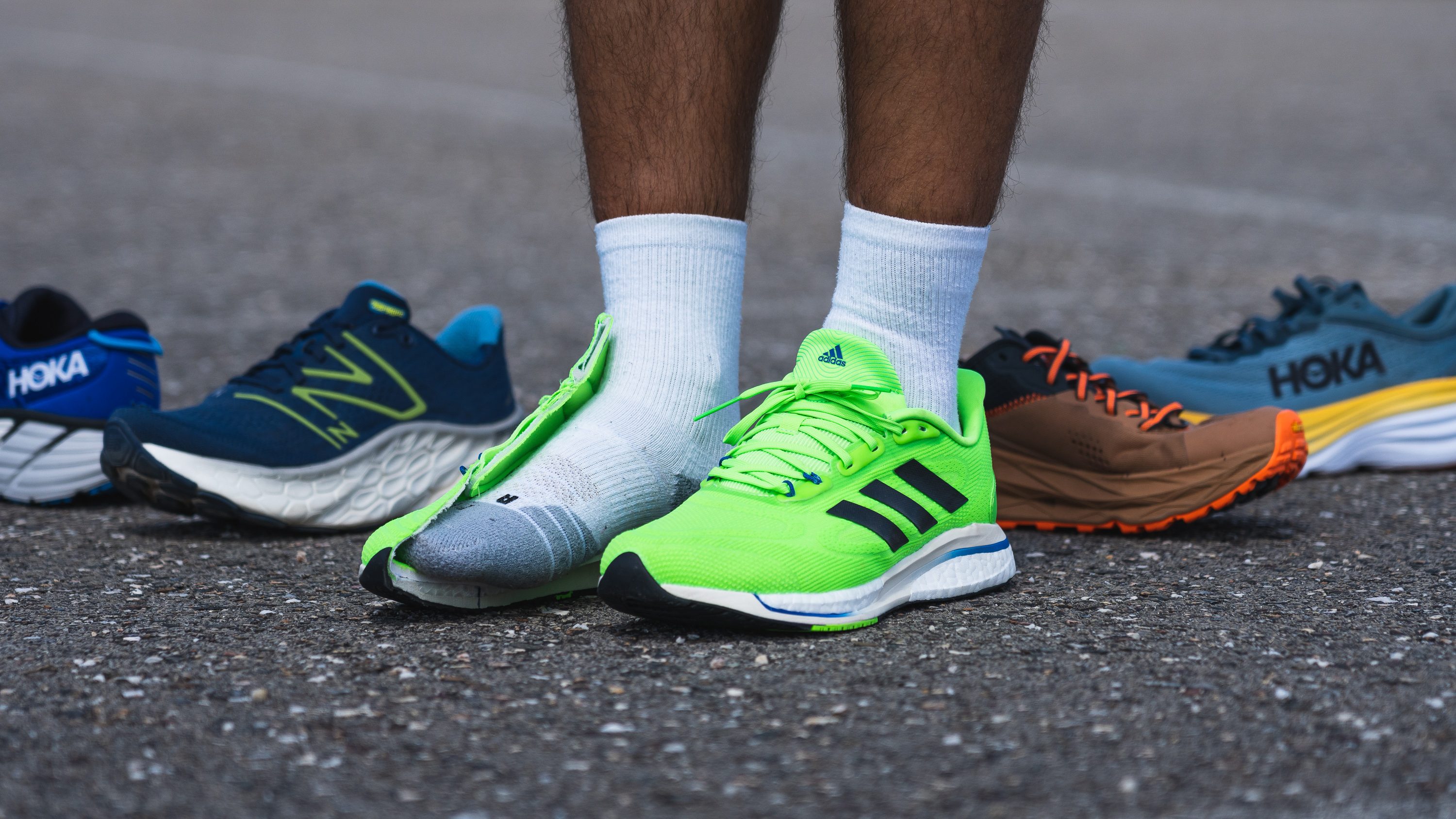
When To Replace Your Running Shoes
Shoes don’t last forever. Signs it’s time to replace:
- Outsole is worn flat
- Midsole feels thin or hard
- Heel counter is loose
- Pain starts after runs
- Visible cracks or tears
Heavy runners may need to replace shoes sooner. Track your mileage and listen to your body.
Credit: runrepeat.com
How To Test Shoes For Heavy Runners
Testing is key. Here’s a simple method:
- Stand in the shoe. Press your thumb on the toe. It should have about a half-inch space.
- Walk and jog. The heel should not slip.
- Check arch support. Does your foot feel held, not squished?
- Try wide sizes if needed.
- Flex the shoe. It should bend at the toe, not the arch.
- Jump in place. Do you feel shock absorption?
Testing shoes in the store is best. If buying online, check reviews, videos, and fit guides.
Pros And Cons: Heavy Runner Shoe Models
Here’s a quick summary:
| Model | Pros | Cons |
|---|---|---|
| Brooks Beast 20 | Max stability, wide fit, durability | Heavy, expensive |
| Asics Gel-Kayano 30 | Great support, gel cushioning | Stiff, costly |
| Hoka Bondi 8 | Plush, wide base, light | Bulky, less stable |
| New Balance 990v6 | Wide/extra-wide, tough build | Heavy, less plush |
| Saucony Triumph 21 | Soft, flexible, wide | Wears fast, not for overpronators |

Credit: www.runnersworld.com
Frequently Asked Questions
What Is The Best Running Shoe For A Heavy Guy With Flat Feet?
For flat feet, Brooks Beast 20 and New Balance 1540v3 are top picks. They offer strong arch support, motion control, and wide sizing. These shoes help prevent overpronation and keep your feet stable.
How Often Should Heavy Runners Replace Their Running Shoes?
Heavy runners should change shoes every 300–400 miles. Signs it’s time include worn soles, less cushioning, or pain after runs. For some, this might be every 6–8 months, depending on how often you run.
Are Expensive Running Shoes Worth It For Heavy Guys?
Usually, yes. Pricier shoes offer better support, durability, and cushioning. Cheaper shoes often wear out faster and may not protect your feet. Investing in quality pays off in comfort and injury prevention.
Can Heavy Guys Use Lightweight Running Shoes?
Light shoes are tempting, but often lack support. Some models (like Hoka Bondi 8) are light but still cushioned. Always check if the shoe has enough stability and support for your weight.
How Do I Know If I Need Wide Shoes?
If your toes feel squeezed, or the sides of your feet hurt, you likely need wide shoes. Brands like New Balance, Brooks, and Asics offer wide and extra-wide options. Try them on to see what fits best.
Choosing good running shoes as a heavy guy is about more than style. It’s about comfort, support, and safety. The right pair helps you run longer, feel better, and avoid injuries. Take your time, test different models, and don’t settle for less.
Running should be enjoyable for everyone, no matter your size. With the right shoes, you can hit the road with confidence and keep moving toward your goals.

One Comment