Best Wide Feet Running Shoes: Comfortable Picks

The best wide feet running shoes combine a roomy toe box, steady support, soft cushioning, and a secure fit.
If your toes feel squeezed, your feet go numb, or your shoes rub after a few miles, the problem may be poor width—not poor running form. I tested these four popular options by looking at width choices, cushioning, support, fit, and daily comfort. Some work best for wide feet, while one standard-width model helps show why width matters. This guide will help you find the best wide feet running shoes for road running, walking, gym use, and everyday wear.
See the differences between my top picks at a glance.
| Shoe | Width | Best For | Support | Cushion Feel | Buy |
|---|---|---|---|---|---|
| Under Armour Assert 9 | X-Wide | Budget daily use | Neutral | Firm and responsive | View on Amazon |
| Under Armour Assert 11 | 4E | Wide-foot runners | Neutral | Soft and light | View on Amazon |
| Brooks Adrenaline GTS 25 | Wide | Support and walking | Guidance support | Balanced and smooth | View on Amazon |
| Brooks Adrenaline GTS 25 | Medium | Narrower feet | Guidance support | Balanced and smooth | View on Amazon |
Under Armour Charged Assert 9 X-Wide
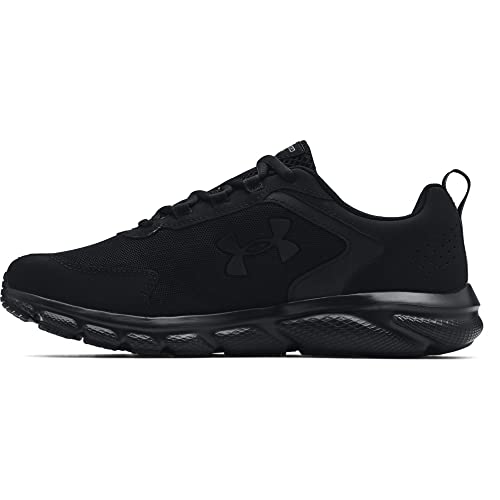
The Under Armour Charged Assert 9 stands out as a simple, useful choice for runners who need extra room without a high price. This listed version uses an X-Wide fit, which can give broad feet more space across the forefoot. Its mesh upper helps air move around the foot during walks, gym sessions, and easy runs. The shoe also uses Charged Cushioning, a foam system made to soften impact and return some energy.
I see this model as a practical daily trainer rather than a fast racing shoe. It has a fairly direct feel under the foot, so runners who dislike overly soft shoes may enjoy it. The outsole gives useful grip on common roads and indoor surfaces. Still, fit can vary by foot shape, so I would check the size chart and leave about a thumb of space in front of the toes.
Pros:
- X-Wide fit gives broad feet more room
- Good value for walking and light running
- Breathable mesh upper helps reduce heat
- Light feel for a cushioned daily shoe
- Responsive foam suits short and easy runs
- Durable outsole works well for daily wear
Cons:
- May feel firm for runners who want plush cushioning
- Heel support may feel basic for some feet
- Not the best choice for high-mileage training
What Amazon Buyers Are Saying
Amazon buyers commonly focus on the roomy width, light weight, and reasonable price. Many shoppers choose it for walking, work, travel, and casual exercise as well as running. Review patterns also show that sizing can feel different from one person to another, especially when buyers move between standard and wide sizes. Some users like the firm, stable ride, while others want more softness under the heel.
As with most running shoes, a few complaints center on fit changes, break-in feel, and long-term wear. Buyers with very broad feet should pay close attention to the X-Wide listing rather than assuming every Assert 9 has the same fit. I also suggest using regular running socks when checking the fit. Thick socks can make the shoe feel much tighter.
My Recommendation
I recommend the Assert 9 X-Wide for budget shoppers who need a broad fit for walking, gym work, or short road runs. It offers useful comfort without many complex features. I would not choose it first for marathon training or serious speed work, but it is a sensible everyday option. For shoppers seeking the best wide feet running shoes at a lower cost, this model deserves a close look.
| Category | Rating |
|---|---|
| Wide-foot fit | 4.4/5 |
| Cushioning | 4.0/5 |
| Daily comfort | 4.2/5 |
| Value | 4.5/5 |
| Overall Rating | 4.3/5 |
Under Armour Assert 11 4E

The Under Armour Assert 11 4E is the strongest match here for shoppers who need a clearly marked extra-wide size. The 4E width can help reduce pressure along the little-toe side of the foot. Its upper aims to keep the shoe light and flexible, which helps during daily walks and casual runs. The design also gives the foot a familiar neutral platform.
This shoe makes sense for new runners and active people who want one pair for several tasks. It can handle sidewalks, treadmills, errands, and basic workouts with ease. I like the balance between room and structure, but runners who need motion control should look for a dedicated stability shoe. A 4E width also does not guarantee a perfect fit if your heel is narrow, so use the laces to lock the rear of the foot in place.
Pros:
- 4E width suits many very wide feet
- Light design feels easy during daily activity
- Useful choice for walking and beginner running
- Flexible forefoot supports a natural stride
- Neutral platform works for runners without special support needs
- Good one-shoe option for errands and exercise
Cons:
- Neutral support may not suit overpronation
- Extra room can feel loose on narrow heels
- May lack the deep cushioning desired for long runs
What Amazon Buyers Are Saying
Amazon review patterns for wide Under Armour shoes often center on comfort, room, and value. Buyers with swollen feet or broad forefeet tend to appreciate the 4E option because it can reduce the tight feeling found in regular shoes. Many also mention easy use for walking and work. Some buyers report that the shoe feels comfortable soon after they put it on, while others need time to adjust to the shape.
The main caution in buyer feedback involves sizing and support. A very wide shoe may feel loose if the foot does not fill the full volume. Some runners also expect more cushioning than a neutral daily shoe provides. I would treat this model as a versatile comfort shoe, not as a specialized long-distance or stability model.
My Recommendation
I recommend the Assert 11 4E for people who often struggle to find enough width. It is especially useful for walking, beginner runs, and mixed daily use. The 4E label gives it a clear advantage over standard-width shoes, but you should choose the correct length and use the laces well. In my view, it offers some of the best wide feet running shoes value for shoppers who need extra forefoot space.
| Category | Rating |
|---|---|
| Wide-foot fit | 4.7/5 |
| Cushioning | 4.1/5 |
| Daily comfort | 4.4/5 |
| Versatility | 4.4/5 |
| Overall Rating | 4.4/5 |
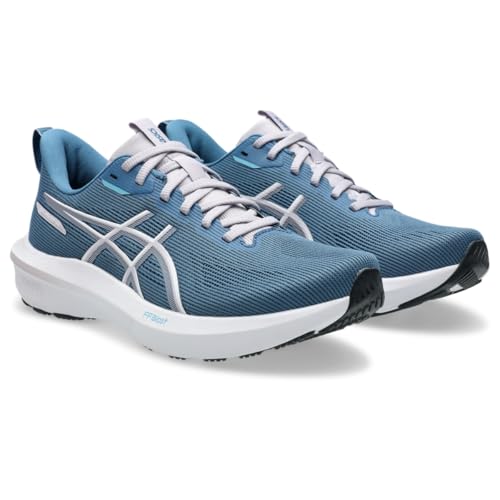
Brooks Adrenaline GTS 25 Wide

The Brooks Adrenaline GTS 25 Wide is the most support-focused option in this group. It offers a wide fit and a guided feel for runners who want more structure than a basic neutral shoe. Brooks designs the Adrenaline line for road running and walking, so it fits well into daily training. The cushioning aims to soften each step while keeping the ride controlled.
I would consider this shoe for runners who notice their feet roll inward or who feel tired in very soft, loose shoes. Its support system does not replace a professional gait check, but it can provide a more guided step. The wide version gives the forefoot more space than the medium version listed below. Because support shoes can feel different from neutral shoes, start with short walks before using them for a long run.
Pros:
- Wide size gives useful room for broad feet
- Supportive design suits many daily runners
- Comfortable for both running and walking
- Balanced cushioning avoids an overly flat feel
- Structured upper helps hold the foot in place
- Strong choice for regular road training
Cons:
- Costs more than basic neutral trainers
- Support may feel too structured for some runners
- Wide may not provide enough space for very broad feet
What Amazon Buyers Are Saying
Amazon buyers often praise the Adrenaline line for support, comfort, and use during long workdays. Many shoppers choose it for walking as well as running. Review trends commonly mention a secure heel, a stable ride, and good comfort after the shoe breaks in. Buyers also tend to compare the fit with older Adrenaline versions, so expectations may vary when the model changes.
Some complaints involve the price, the feel of the support, and the need to select the correct width. A wide version may solve forefoot pressure, but it may not suit every foot shape. Some runners prefer a softer or more flexible shoe. I recommend checking the return policy and testing the shoe indoors before wearing it outside.
My Recommendation
The Brooks Adrenaline GTS 25 Wide is my top pick for runners who want wide sizing plus clear daily support. It is also a good walking shoe for people who spend many hours on their feet. I would choose it over the Under Armour models when stability matters more than the lowest price. Overall, it is one of the best wide feet running shoes for steady road miles and daily comfort.
| Category | Rating |
|---|---|
| Wide-foot fit | 4.5/5 |
| Support | 4.7/5 |
| Cushioning | 4.6/5 |
| Long-wear comfort | 4.6/5 |
| Overall Rating | 4.6/5 |
Brooks Adrenaline GTS 25 Medium

The Brooks Adrenaline GTS 25 Medium brings the same support-focused idea in a standard medium width. It can work well for runners whose feet are average or slightly narrow. The shoe offers a guided ride, balanced cushioning, and a secure upper for road running and walking. Its medium shape may help prevent excess movement when a wide shoe feels too loose.
I include this version because not every runner who searches for wide shoes needs an extra-wide shoe. Some people have a normal forefoot but want more toe room from the right length and lacing method. However, this is not my first choice for truly wide feet. If your toes touch the sides, or if you see pressure marks after a short walk, choose the Wide version instead.
Pros:
- Supportive ride for daily road use
- Medium width can secure average-width feet
- Balanced cushioning suits walking and easy running
- Stable feel works well for longer daily wear
- Secure upper helps limit unwanted foot movement
- Good option for runners who do not need wide sizing
Cons:
- Not suitable for many genuinely wide feet
- Can create side pressure if the forefoot is broad
- Supportive design may feel less natural to neutral runners
What Amazon Buyers Are Saying
Amazon buyers commonly like the Adrenaline for its supportive feel, comfort, and walking performance. Many users describe it as a dependable daily shoe. Some buyers find the medium width secure and easy to wear, while others feel the toe area runs snug. Review patterns show why width selection matters as much as length.
Buyers who expected a soft, flexible shoe may find the structure different from a lightweight neutral model. Others may need a short adjustment period. I would not order this version for a wide foot simply because the color or price looks attractive. The correct width will have a larger effect on comfort than either detail.
My Recommendation
I recommend the Medium Adrenaline GTS 25 only for average-width feet or runners who know that medium Brooks shoes fit them well. It is a strong support shoe, but it does not meet the main need of most wide-foot shoppers. If your feet are broad, select the Wide version. I rate this model highly for support, but lower for the specific goal of finding the best wide feet running shoes.
| Category | Rating |
|---|---|
| Wide-foot fit | 3.2/5 |
| Support | 4.7/5 |
| Cushioning | 4.6/5 |
| Standard-fit comfort | 4.5/5 |
| Overall Rating | 4.1/5 |
How to Choose the Best Wide Feet Running Shoes
Choosing the best wide feet running shoes takes more than selecting a shoe marked “wide.” Width labels can differ between brands. Foot shape also matters. One runner may need extra space across the toes, while another may need more room through the whole midfoot. Use the steps below before you buy.
1. Measure Both Feet at the End of the Day
Feet often swell during the day. Measure them in the afternoon or evening while wearing the socks you plan to run in. Stand up as you measure, because your feet spread under body weight. Measure both feet and use the larger foot when you choose a size.
Length and width work together. A shoe that is too short can press the toes, even when the width looks correct. Aim for about a thumb of space between your longest toe and the front of the shoe. Your longest toe may not be the big toe. Do not rely on your usual size alone.
A wide shoe should let the toes spread without touching the sides. It should also hold the heel in place. If the heel slips, try the top eyelet or a runner’s knot before moving to a smaller size. A smaller size can create more pressure in the toe box.
2. Match the Shoe Width to Your Foot Shape
Look for the width code on the product page. Common men’s width terms include Wide and X-Wide. A 4E model usually offers more room than a standard Wide model, but brands may use different measurements. Read the full listing and check the available size options before ordering.
Pay attention to where your foot feels wide. Some shoes offer a broad toe box but a regular midfoot. Others add space through the entire upper. If the widest part of your foot sits near the toes, a roomy forefoot may solve the problem. If your arch and midfoot also feel tight, you may need a fuller wide or extra-wide shape.
Do not confuse a wide shoe with a shoe that simply has a long toe area. A longer shoe may give your toes more front space, but it will not always give more side space. Your toes should rest flat. They should not overlap or push against each other during a walk.
3. Choose Cushioning and Support for Your Running Style
Cushioning changes how a shoe feels, but more is not always better. Firm foam can feel stable and quick. Soft foam can feel comfortable during slow runs and long walks. Think about your surface, pace, body weight, and personal comfort before you choose.
Neutral shoes, such as the Under Armour options here, suit runners who do not need added guidance. Support shoes, such as the Brooks Adrenaline GTS 25, may help runners who want a more guided step. A support shoe cannot diagnose a foot problem. If you have ongoing pain, numbness, or swelling, ask a medical professional for advice.
Also inspect the outsole. Road running shoes need enough rubber for your usual surface. If you run on trails, you need a trail shoe with a different grip pattern. These models suit roads, tracks, treadmills, walking paths, and daily use. They are not a replacement for a true trail shoe on loose or rocky ground.
Finally, compare the price with how often you will use the shoe. A low-cost shoe can offer great value for walking and short runs. A higher-priced support shoe may make more sense if you train often or spend long hours on your feet. The best wide feet running shoes are the ones that fit your foot, match your activity, and stay comfortable over time.
Final Verdict: Which Should You Buy?
For most wide-foot runners, I recommend the Brooks Adrenaline GTS 25 Wide for its mix of room, support, and daily comfort. Choose the Under Armour Assert 11 4E if you need more width or a lower-cost neutral shoe.
The best wide feet running shoes should feel roomy, secure, and steady from the first walk. Measure carefully, select the correct width, and replace shoes when cushioning and grip fade.
FAQs Of best wide feet running shoes
What are the best wide feet running shoes for daily use?
The Brooks Adrenaline GTS 25 Wide is a strong daily choice for runners who want support. The Under Armour Assert 11 4E suits people who need extra width and a neutral ride.
How do I know if I need wide or extra-wide running shoes?
You may need wide or extra-wide shoes if your toes touch the sides, your foot spills over the sole, or you see pressure marks after walking. Measure both feet and compare them with the brand’s size chart.
Are wide running shoes better for bunions?
A wide toe area may reduce pressure around a bunion, but it cannot treat the condition. Choose a shoe that does not rub, and ask a medical professional if pain continues.
Should wide running shoes feel loose at the heel?
No. The forefoot should have room, but the heel should stay secure. Try different lacing or a runner’s knot before choosing a smaller length.
Can I use wide running shoes for walking?
Yes. Wide running shoes often work well for walking because they provide cushioning, grip, and room for natural foot movement. Select a fit that stays secure during each step.