
4E Wide Running Shoes Men’s: Best Picks For Comfort

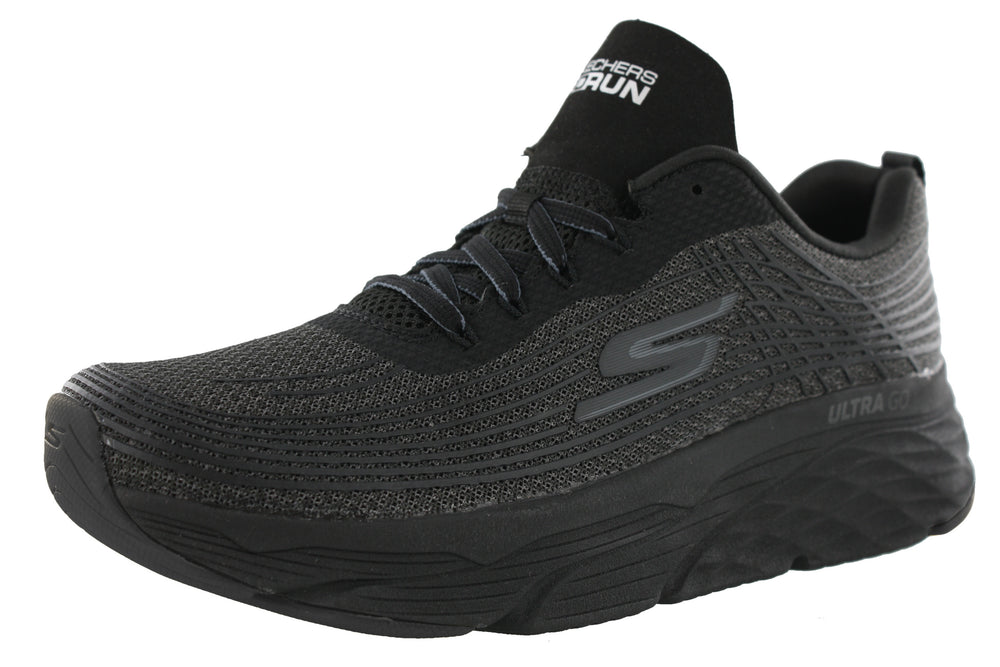
4e wide running shoes men's give extra room, reduce pressure, and help prevent hot spots and foot pain.
If you have ever felt your toes press against the sides of a shoe, you already know why fit matters. Men’s 4e wide running shoes are built for runners who need more space in the forefoot, midfoot, and toe box, and that extra room can make a huge difference in comfort, stability, and performance. I’ve seen the wrong fit turn an easy run into a painful one, so this guide breaks down what 4e width really means, who needs it, and how to choose the right pair with confidence.
What 4e wide running shoes mean
4e wide running shoes men's refers to an extra-wide width size. In most men’s shoe sizing systems, 4E is wider than standard, wide, or 2E options. That makes it a strong choice for runners with broad feet, foot swelling, bunions, hammertoes, or just a need for more natural toe splay.
A lot of people think a wide shoe is only about comfort, but it is also about function. If your foot is squeezed, your stride can change. That can lead to rubbing, blisters, black toenails, and even a sloppy gait.
In my experience, many runners wait too long before trying 4e wide running shoes men's. They keep buying longer shoes instead of wider ones. That often fixes one problem and creates another, because extra length can let the foot slide around.
Why fit matters so much in running shoes
Running puts repeated force through the feet. Every step can load the body with several times your body weight. If the shoe is too narrow, that force gets pushed into the sides of the foot instead of spreading out more evenly.
A good fit can help with:
- Less rubbing and blistering
- Better toe movement
- More stable landings
- Lower chance of pressure pain
- Better comfort on long runs
A wide shoe does not automatically mean a better shoe, though. The shape, cushioning, midsole support, and upper material all matter too. I have tested pairs that were wide enough but still felt stiff in the wrong places, and I have also worn shoes that looked narrow but fit well because the upper stretched nicely.
Who should consider 4e wide running shoes men's
Not every runner needs 4e wide running shoes men's, but many people would benefit from trying them. If you often feel squeezed in standard shoes, this width may be the right move.
You may want to try 4E if you have:
- Naturally wide feet
- Foot swelling during runs
- Bunions or bunion pain
- Hammertoes or toe crowding
- Diabetes or sensitive feet
- A high-volume foot that feels cramped in regular widths
- Numbness after longer runs
Runners with flat feet sometimes assume they need a wider shoe, and sometimes they do. But flat feet alone do not always mean wide feet. The best way to know is to check how your feet feel when standing, walking, and running in the shoe.
Benefits of 4e wide running shoes men's
The biggest benefit is simple: room to move. That extra space can make a shoe feel far more natural, especially if your feet swell during training.
Here are the main benefits:
- Better comfort on long runs
- More toe splay for natural movement
- Less side pressure on bunions and joints
- Reduced risk of blisters from tight seams
- More stable feel when your foot sits flat in the platform
- Better overall fit for runners who have been sizing up too far in length
I once made the mistake of choosing a longer shoe instead of a wider one for a half marathon build. The fit felt okay at first, but by mile 8 my foot was sliding forward on downhills. That taught me a simple lesson: length can fake comfort, but width solves the real problem.
How to know if you need a 4E width
The easiest clue is how your current shoes feel after a normal run. If your feet feel pinched, hot, or compressed, you may need a wider size.
Watch for these signs:
- The upper bulges over the sides of your foot
- Your little toe hits the side wall
- The shoe laces feel overly tight even when loosely tied
- Your feet feel numb or tingly
- The outsole feels fine, but the upper is too tight
- You constantly loosen the laces to get relief
It also helps to look at your feet at the end of the day. Feet tend to expand as the day goes on. If your shoes only feel okay in the morning but tight later, that is a strong clue that width may be the issue.
How to choose the right 4e wide running shoes men's
Choosing the right pair is about more than finding the widest label. You still want the shoe to match your running style, foot shape, and training goals.
Step 1: Know your foot shape
Some feet are wide at the forefoot. Others need more room through the midfoot or instep. A 4E shoe helps, but different brands shape their shoes differently.
Step 2: Match the shoe to your run
Think about what you need most:
- Daily trainers for easy mileage
- Cushioned shoes for long runs
- Stable shoes for extra support
- Lightweight shoes for faster sessions
- Trail shoes for rough ground
Step 3: Check the toe box
The toe box should let your toes spread naturally. You should have about a thumb’s width of space in front of the longest toe, but not so much that the foot slides.
Step 4: Test the heel and midfoot
A wide toe box is helpful, but the heel should still lock in well. If the heel lifts too much, you may get blisters or wasted energy.
Step 5: Pay attention to the upper
Mesh uppers tend to adapt better than stiff overlays. Knit or engineered mesh can be especially helpful for 4e wide running shoes men's because they often stretch more comfortably.
Best features to look for
Not all wide shoes are built the same. The best models tend to balance room, support, and smooth ride quality.
Look for these features:
- Roomy toe box
- Stretchy engineered mesh upper
- Secure heel counter
- Stable platform
- Soft but responsive cushioning
- Smooth transitions from heel to toe
- Removable insoles if you use orthotics
According to common fitting guidance from sports medicine and footwear professionals, comfort and pressure relief are key when choosing running shoes. That lines up with what many runners feel in real life: if the shoe fits well, the run feels easier.
Common mistakes to avoid
I have seen a few mistakes repeat over and over, and I have made some of them myself.
Avoid these:
- Buying a wider shoe without checking heel fit
- Choosing extra length instead of extra width
- Ignoring swelling during long runs
- Assuming every 4E shoe fits the same
- Keeping old shoes too long because they still “look fine”
- Tying laces too tight to force a bad fit
One of the most common errors is thinking width alone solves everything. It helps a lot, but cushioning and stability still matter. A shoe can be roomy and still feel awkward if the platform does not match your stride.
4e wide running shoes men's and foot health
Wide shoes can support healthier movement when your feet need extra space. Less squeeze means less friction, and less friction usually means fewer skin problems.
For runners with bunions, sensitive nerves, or swelling, the right width can make training more sustainable. It may also reduce the urge to compensate by changing your stride. That matters because small changes over time can create bigger problems in the knees, hips, or lower back.
That said, a wide shoe is not medical treatment by itself. If you have ongoing foot pain, numbness, or swelling, it is smart to talk with a podiatrist or sports medicine professional.
How to break in 4e wide running shoes men's
Most modern running shoes do not need a long break-in period. Still, your feet and the upper may need a few runs to settle in.
Try this:
- Wear them for short walks first
- Use them on an easy run before long sessions
- Check for pressure spots after the first 20 to 30 minutes
- Adjust the lacing if the midfoot feels loose
- Test them on both flat and slightly uneven ground
If a shoe causes pain right away, do not assume it will magically fix itself. Minor stiffness is normal. Sharp rubbing, numbness, or pressure is not.
Lacing tips for better fit
Lacing can make a huge difference in wide shoes. Sometimes a small change removes pressure without changing the size.
Helpful lacing ideas include:
- Loosen the bottom rows if your forefoot feels squeezed
- Use a runner’s knot to lock the heel
- Skip an eyelet over a pressure point
- Keep the midfoot snug but not tight
- Re-tie after the first mile if swelling changes the fit
I have found that many runners blame the shoe when the lacing is the real issue. A good lacing tweak can turn a decent fit into a great one.
Best use cases for 4e wide running shoes men's
These shoes are especially useful for certain types of runners and workouts.
They work well for:
- Daily mileage
- Long easy runs
- Recovery runs
- Walking and cross-training
- Runners who wear orthotics
- People who stand on their feet all day and then run afterward
For speed work, some runners prefer a snugger fit, but that does not mean they should squeeze into a narrow shoe. A stable wide shoe can still work well for faster training if the design is responsive.
What the research and experts generally agree on
Footwear research often points to fit, pressure relief, and comfort as major factors in shoe choice. Sports medicine experts also note that there is no single best shoe for every runner. The right shoe depends on foot shape, training load, and comfort.
That is why 4e wide running shoes men's are valuable. They give runners with wider feet a better starting point. And when the starting point is right, the rest of the run usually feels better too.
Frequently Asked Questions
What does 4E mean in men’s running shoes?
4E means extra wide in men’s shoe sizing. It is wider than standard and 2E widths, and it is meant for runners who need more room across the foot.
Are 4e wide running shoes men's good for bunions?
Yes, they can be a smart choice for bunions because they reduce side pressure on the big toe joint. A wider toe box often makes runs more comfortable and less irritating.
Should I size up or buy wide shoes?
If the shoe feels tight across the foot, buying wide is usually better than sizing up in length. Sizing up can cause heel slip and toe movement that may lead to blisters.
Can wide running shoes help with swelling?
Yes, especially if your feet swell during long runs, warm weather, or all-day wear. Extra width can reduce pressure and keep the shoe comfortable longer.
Do all brands fit 4E the same way?
No, sizing can vary by brand and model. One 4E shoe may feel much roomier or narrower than another, so fit should always be tested in person or checked carefully online.
Conclusion
4e wide running shoes men's are a smart solution for runners who need more room, better comfort, and less foot pressure. The right pair can improve your stride, reduce pain, and make both short runs and long miles feel smoother.
If you have been forcing your feet into shoes that are too narrow, now is the time to stop guessing and start fitting smarter. Try on a few options, pay attention to toe room and heel hold, and choose the pair that lets your feet move the way they should. If this guide helped, keep exploring fit tips, share it with another runner, or leave a comment with your own shoe experience.





2 Comments