Running Shoes With Big Toe Box: Best Picks For Comfort

Running shoes with a big toe box give your toes room, reduce pressure, and can improve comfort.
If you have ever felt pinching, numbness, or rubbing in a run, you already know how much toe room matters. Running shoes with big toe box are not just a niche option; they can be a smart choice for runners who want a more natural fit, better stability, and less toe crowding on long miles. In this guide, I’ll break down what they are, who needs them, how they affect performance, and how to choose the right pair with confidence.
What Are Running Shoes with a Big Toe Box?
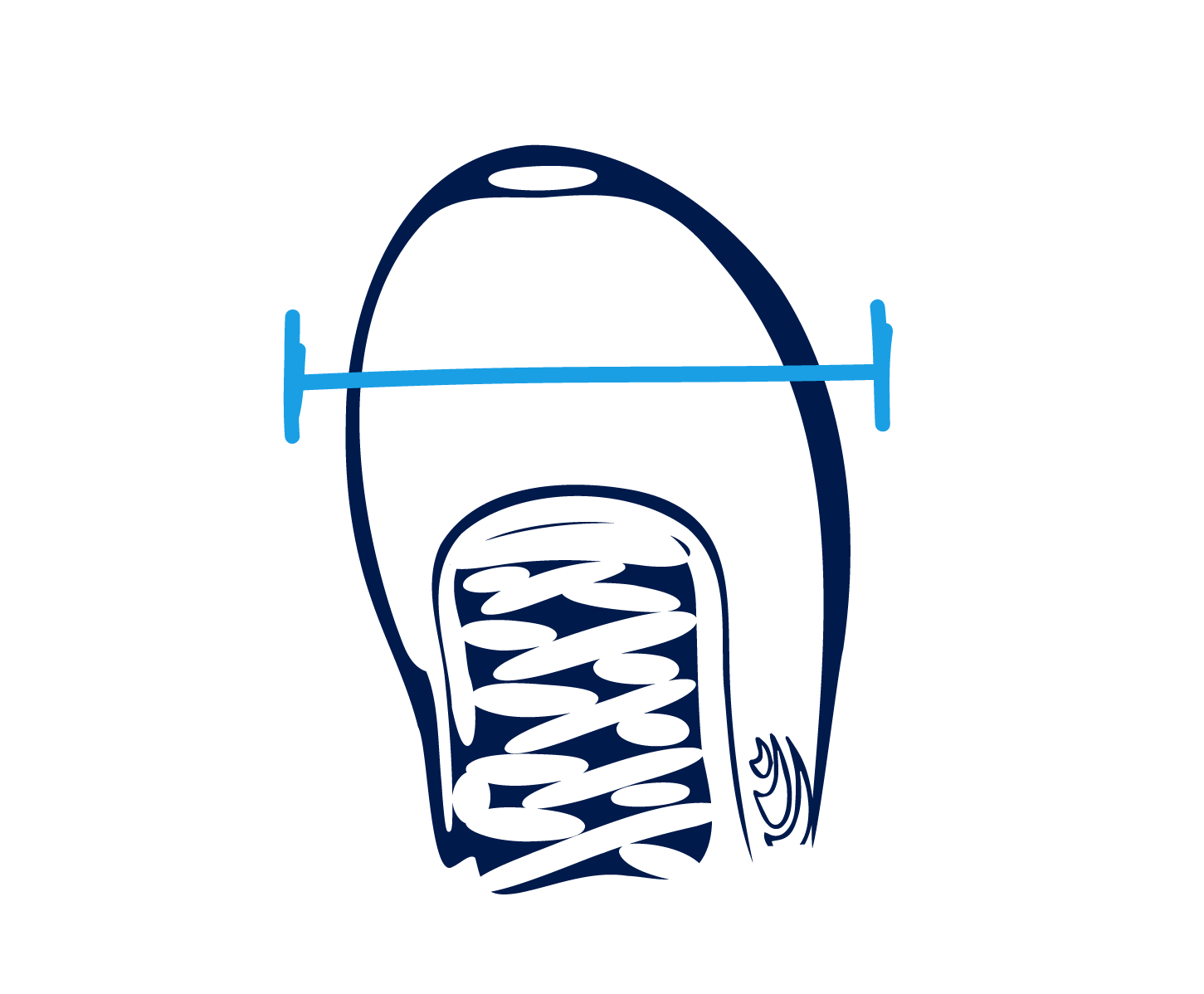
Running shoes with a big toe box are shoes that give the front of the shoe more space, especially around the toes. The toe box is the area where your toes sit, and a bigger one lets them spread out instead of squeezing together.
That extra room can matter a lot. When your toes can relax and move, your foot often feels more balanced and less cramped. In my experience, this is one of those small fit details that can change a run from distracting to smooth.
A big toe box is not the same as a sloppy fit. A good pair still holds the heel and midfoot securely. The goal is room in the front, not excess movement everywhere.
Why Toe Box Room Matters for Runners
Your toes do more work than most people realize. They help with balance, push-off, and control during each stride. If the front of your shoe is too narrow, your toes may be forced inward, which can lead to irritation over time.
A roomy toe box can help with:
- Reduced toe pressure during long runs
- Less rubbing and blister risk
- Better comfort for wide feet
- More natural toe splay
- Improved stability when landing and pushing off
I’ve seen runners blame “bad form” when the real issue was simple shoe crowding. Once they switched to running shoes with big toe box, the pain in the front of the foot often eased up fast.
Who Should Consider Running Shoes with Big Toe Box?
Not every runner needs extra space up front, but many do. If you have wide feet, bunions, Morton’s neuroma, hammertoes, or simply hate that squeezed feeling, a big toe box may help a lot.
You may want to try them if you:
- Feel numbness in your toes during runs
- Notice toe overlap or pressure near the big toe
- Get blisters on the sides of your forefoot
- Prefer a more natural or minimalist feel
- Run long distances and want less foot fatigue
A lot of runners only realize they need more room after they compare shoes side by side. That moment can be eye-opening, like taking off a tight belt after dinner.

Benefits of Running Shoes with Big Toe Box
There are real comfort and performance benefits to a roomy toe box. The biggest one is simple: your foot has space to work the way it wants to.
Better comfort on longer runs
Long runs can make small fit problems feel huge. A shoe that feels fine for two miles may start to pinch at mile eight. Running shoes with big toe box can reduce that late-run discomfort.
Less risk of toe crowding
Crowded toes can rub against each other or the upper. That can lead to hot spots, blisters, and soreness. Extra room can lower that risk.
More natural toe spread
When your toes have room to spread, your base of support can feel more stable. That can be useful during turns, hills, and tired late-race miles.
Helpful for foot issues
Runners with bunions or forefoot sensitivity often find relief in roomier shoes. While shoes are not a medical cure, proper fit can reduce daily irritation.
Common Types of Big Toe Box Running Shoes
Not all roomy shoes look the same. Some are shaped wide in the forefoot, while others use a foot-shaped design that follows the natural outline of the foot.
Wide-fit running shoes
These are standard running models made in wide or extra-wide sizes. They can be a great choice if you like a familiar shoe feel but need more space.
Foot-shaped running shoes
These shoes usually have a more anatomical shape, with a wider front and a narrower heel. They often feel more natural to runners who dislike tapered toe boxes.
Zero-drop or natural running shoes
Some of these models pair a big toe box with a low or zero heel-to-toe drop. That setup can encourage a different stride, but it is not for everyone and may take time to adapt to.
How to Know If You Need a Big Toe Box
A lot of runners guess wrong about shoe fit because they focus only on size. Length matters, but width and toe room matter too. The fit test should start when your foot is loaded, not just when you are standing still.
Try these simple checks:
- Wiggle your toes. You should be able to move them freely.
- Check the front. There should be space in front of the longest toe, usually about a thumb’s width.
- Look at the upper. If it bulges hard across the forefoot, the shoe may be too tight.
- Run a few minutes. Pressure often shows up once your foot warms up and swells.
A mistake I made early on was sizing up too much just to get toe room. That gave me a roomy front, but the heel slipped and the shoe felt unstable. A better approach is to look for the right shape first, then the right size.
How to Choose the Right Running Shoes with Big Toe Box
Choosing the right pair is about more than just buying the widest shoe you can find. The best shoe should match your foot shape, running style, and mileage goals.
1. Measure your feet properly
Feet can change in size over time, and one foot is often bigger than the other. Measure both feet later in the day, when they are slightly swollen, and fit to the larger foot.
2. Focus on toe shape
Some toe boxes are wide but still point inward. If your forefoot is broad, look for a shoe that stays roomy all the way across the front.
3. Check heel lockdown
A big toe box should not come at the cost of a loose heel. Try the shoes on and make sure the rearfoot feels secure.
4. Test your normal run posture
Walk, jog, and do a few turns if possible. The shoe should feel stable when your weight shifts forward.
5. Think about sock thickness
Thicker socks take up extra space. If you run in cushioned socks, leave room for that when trying shoes on.
Best Features to Look For
When comparing running shoes with big toe box, the details matter. Small design choices can make a big difference in how the shoe feels on the road or trail.
Look for:
- Wide forefoot platform for balance
- Flexible upper that does not pinch
- Secure midfoot fit
- Enough stack height for your preferred cushioning
- Outsole traction that matches your terrain
- Breathable material to reduce heat and swelling
I always tell runners to pay attention to the upper material. A soft upper can feel forgiving, while stiff overlays can cancel out the benefit of a roomy toe box.

Common Mistakes to Avoid
A roomy shoe can still be the wrong shoe if the rest of the fit is off. Here are the mistakes I see most often.
- Buying only by size, not shape
- Choosing a shoe that is wide everywhere, including the heel
- Ignoring break-in comfort
- Assuming all wide shoes have a true big toe box
- Picking extra room but forgetting about arch and midfoot support
Another common trap is thinking pain is normal. Some discomfort during a transition can happen, but repeated numbness, toe rubbing, or black toenails usually means the fit is not right.
Running Shoes with Big Toe Box for Different Running Needs
Different runners need different setups. A big toe box can be helpful across many use cases, but the right style depends on how you run.
Road running
Road runners usually want a balance of cushioning, fit, and smooth rollover. A roomy toe box can help on long pavement runs where feet swell more.
Trail running
Trail runners may need extra room plus strong lockdown. Downhill runs can slam toes into the front, so a bigger toe box can reduce pain if the fit is secure.
Daily training
For daily training, comfort often matters more than race-day tightness. A big toe box can keep your feet happier through high weekly mileage.
Racing
Some racers still prefer a snug fit for speed, but many now choose shoes with enough forefoot room to avoid toe squeeze. If you race long distances, toe comfort can matter more than a slightly tighter feel.
What Experts and Research Suggest
Footwear research has long shown that shoe fit affects comfort, pressure points, and injury risk. Studies in sports medicine and biomechanics consistently point to the importance of proper toe box shape, forefoot width, and overall fit for reducing discomfort and supporting natural foot motion.
Industry testing also shows that many runners wear shoes that are too narrow for their feet. That mismatch can create avoidable issues like black toenails, numbness, and hot spots. The practical takeaway is clear: fit is not a luxury. It is part of performance.
To be transparent, no single shoe design works for every runner. Some people feel best in a roomy toe box, while others prefer a more locked-in fit. The best choice depends on foot shape, injury history, and comfort preference.
How to Break In Running Shoes with Big Toe Box
Some shoes feel right out of the box, while others need a little time. Even a good fit can feel strange if you are used to a narrow shoe.
Use this simple approach:
- Wear them indoors for short periods.
- Start with easy runs first.
- Check for hot spots after each run.
- Adjust lacing for better lockdown.
- Increase mileage only if the shoe keeps feeling good.
If the shoe is truly right for you, it should feel better with movement, not worse. A new shoe should not require you to “tolerate” toe pain.
Frequently Asked Questions
Are running shoes with big toe box good for wide feet?
Yes, they are often a great option for wide feet because they reduce pressure across the forefoot. Just make sure the heel and midfoot still fit securely so the shoe does not slide.
Do running shoes with big toe box help with bunions?
They can help reduce irritation by giving the big toe more room. That does not cure a bunion, but it may make running far more comfortable.
Can a big toe box improve running performance?
For some runners, yes, mostly through better comfort and stability. When your toes are not cramped, you may run more naturally and waste less energy fighting your shoes.
Are wide shoes the same as running shoes with big toe box?
Not always. A wide shoe may add space across the entire shoe, while a big toe box focuses more on room in the front where the toes sit. Some runners need one, the other, or both.
Should I size up to get a bigger toe box?
Sometimes, but it is usually better to choose a shoe with the right shape instead of just going longer. Sizing up can create heel slip and reduce control if the rest of the fit is not right.
Conclusion
Running shoes with big toe box can be a game changer if you value comfort, stable footing, and less toe crowding. They are especially useful for runners with wide feet, bunions, or anyone who wants a more natural forefoot fit. The key is finding a shoe that gives your toes space without sacrificing heel security or overall support.
If you have been dealing with pinching, numbness, or blisters, this is a smart place to start. Try on a few options, test them with your normal socks, and pay attention to how your feet feel after a short run. If you want, explore more fit guides or leave a comment with your foot type and running goals so you can narrow down the best choice.