Running Shoes With 12Mm Drop: Best Picks For Comfort

Running shoes with 12mm drop offer extra heel height, often helping runners who want more cushioning and smoother transitions.
If you are trying to understand whether running shoes with 12mm drop are right for you, you are in the right place. I have tested plenty of shoes across different heel-to-toe drops, and a 12mm drop stands out as a familiar, stable choice for many runners, especially those who heel strike, want more calf relief, or prefer a classic road-running feel. In this guide, I will break down what running shoes with 12mm drop really mean, who they suit best, and how to choose a pair that fits your stride, training, and comfort goals.
What Does 12mm Drop Mean in Running Shoes?
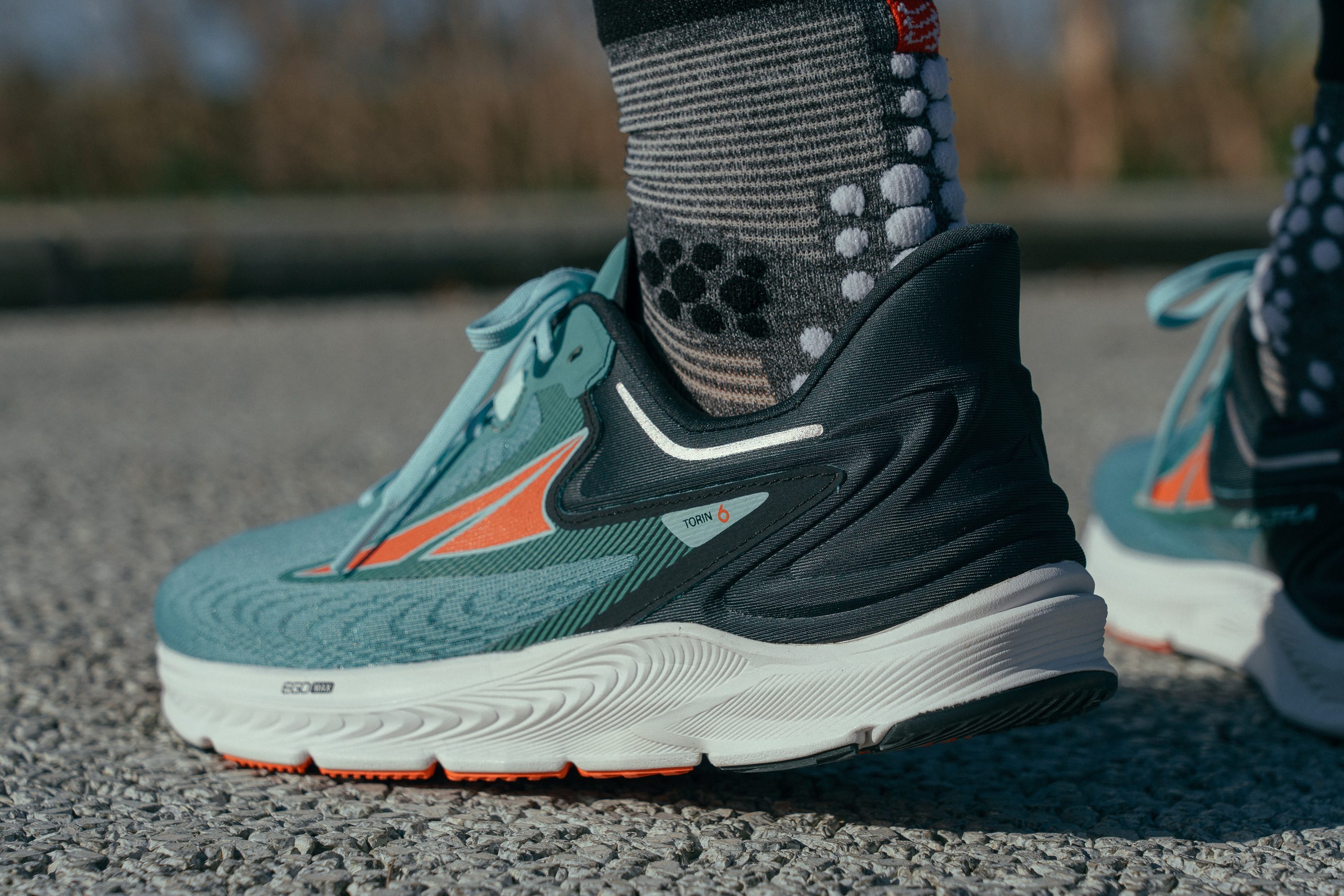
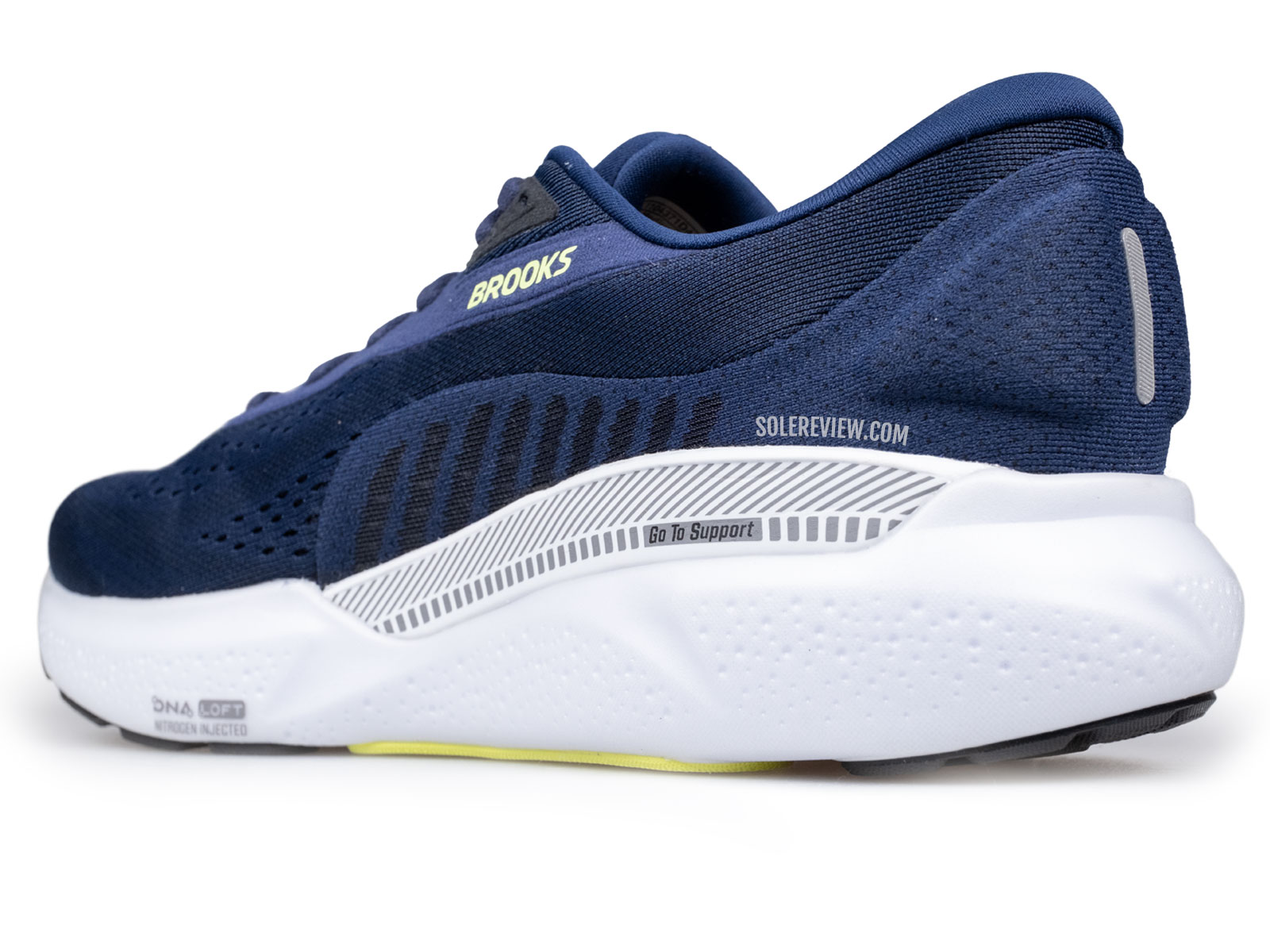
A 12mm drop means the heel is 12 millimeters higher than the forefoot. This is also called heel-to-toe offset or heel drop. It changes how your foot lands and how your body moves through each step.
In simple terms, a higher drop tends to shift more load toward the heel and can reduce strain on the calves and Achilles tendon. That is why many runners who are new to the sport, coming back from injury, or used to traditional trainers often feel comfortable in running shoes with 12mm drop.
A few key points:
- Lower drop shoes usually feel flatter and can ask more from the calves.
- Higher drop shoes often feel more cushioned in the heel.
- A 12mm drop is on the higher end of modern running shoe geometry.
- It is not better or worse by default. It is about fit, feel, and your body.
From a practical point of view, running shoes with 12mm drop can feel a bit like a chair with a slightly higher seat. You are still sitting in the same chair, but the angle changes how relaxed or supported you feel.

Why Runners Choose Running Shoes with 12mm Drop
Runners do not choose a 12mm drop by accident. They usually choose it because it matches how they move, how they feel, or what their body needs right now.
Here are the most common reasons:
- Easier on the calves and Achilles: A higher drop can reduce how much your lower leg stretches during each stride.
- Familiar feel: Many long-time runners grew up on traditional trainers with higher drops.
- Comfort for heel strikers: If you land on your heel, a 12mm drop may feel smoother and less abrupt.
- Better for some walkers and mixed-use users: People who run, walk, and stand a lot often like the extra heel support.
- Helpful during injury return: Some runners use running shoes with 12mm drop when easing back after calf or Achilles issues.
In my own testing, the biggest difference was not speed. It was ease. A 12mm shoe often feels like it removes one small layer of work from the lower leg, which can matter a lot on longer runs.
Who Should Wear Running Shoes with 12mm Drop?
Running shoes with 12mm drop are usually a good fit for certain runners, but not everyone.
They may suit you if:
- You heel strike naturally
– You have tight calves - You have a sensitive Achilles tendon
- You prefer a stable, traditional ride
- You are new to running and want a more forgiving setup
- You do lots of walking or standing in the same pair
They may not be ideal if:
- You like a more barefoot or natural feel
- You already run well in low-drop shoes
- You want more ground feel and ankle mobility
- You have adapted to a midfoot or forefoot strike in lower-drop models
I have seen runners make one common mistake: they assume more drop automatically means more comfort. That is not always true. Comfort comes from the full package, including midsole foam, fit, width, heel shape, and flexibility.
Benefits of Running Shoes with 12mm Drop
There are real benefits to running shoes with 12mm drop, especially for certain body types and running styles.
Less stress on the lower leg
A higher drop can reduce the load on the calves and Achilles tendon. That is one reason some physical therapists and experienced coaches suggest it for runners with lower-leg tightness.
Easier transition for new runners
New runners often need time to build strength and mechanics. Running shoes with 12mm drop can feel more natural if you are used to everyday sneakers or walking shoes.
Smooth heel-to-toe movement
Many 12mm shoes have a rolled shape or rocker-like feel. That can help create a smoother transition from landing to toe-off.
Familiar stability
Runners who want a classic road shoe often like the stable feel of a higher drop. It can make the shoe feel less aggressive and more predictable.
Good for daily training
For easy runs, recovery days, and long road miles, running shoes with 12mm drop can be very practical. They often pair well with moderate cushioning and a durable outsole.
Limitations of Running Shoes with 12mm Drop
No shoe design is perfect. Running shoes with 12mm drop also have limitations.
- They may feel too pitched forward for some runners
- They can place more emphasis on the heel
- They may not encourage stronger foot and calf engagement
- Some runners feel less connected to the ground
- They are not always the best choice for faster, more natural-stride training
A high drop can become a problem if you never mix in different shoes or if you rely on one model for everything. Variety matters. Your body adapts over time, and too much dependence on one shoe shape can make transitions harder later.
Key Features to Look for in Running Shoes with 12mm Drop
If you are shopping for running shoes with 12mm drop, do not focus on drop alone. The whole shoe matters.
Cushioning level
Look at how soft or firm the midsole feels. A 12mm drop with soft foam will feel very different from a firmer trainer.
Heel fit
A secure heel counter helps keep your foot in place. This is especially useful in higher-drop shoes, where heel stability can shape the whole ride.
Toe box shape
Your toes still need room. Even if the heel feels great, a cramped forefoot can ruin the run.
Weight
Some 12mm drop shoes are built for comfort, not speed. If the shoe feels too heavy, it may slow your turnover.
Outsole grip
Road runners should check traction, especially if they run in wet weather or on mixed surfaces.
Arch support
A higher drop does not automatically mean more arch support. If you need guidance under the arch, make sure the shoe actually provides it.
A good rule I learned the hard way: do not buy a 12mm shoe just because it sounds supportive. Try it on, walk in it, and if possible, jog a bit. The feel under motion matters more than the spec sheet.
Running Shoes with 12mm Drop for Different Types of Runners
Different runners use running shoes with 12mm drop for different reasons. Here is how they often fit into real training.
Beginners
Beginners often benefit from the softer learning curve. A higher drop can make the shoe feel less demanding while their body builds running strength.
Heel strikers
Heel strikers commonly like 12mm shoes because the geometry matches their landing pattern. The shoe often feels smoother from impact to toe-off.
Marathon and half-marathon runners
For long-distance easy miles, some runners prefer a 12mm drop because it reduces calf fatigue. That can matter late in a training cycle when legs feel beat up.
Runners returning from injury
Some athletes use higher-drop shoes when recovering from Achilles or calf strain. Still, that should be guided by a medical professional or physical therapist.
Walk-run athletes
If you alternate walking and running, a 12mm drop often feels comfortable and natural. It can also work well for all-day wear.
How Running Shoes with 12mm Drop Compare to Other Drops
It helps to compare 12mm drop with other common ranges.
- 0mm to 4mm drop: More natural feel, more calf and ankle demand
- 5mm to 8mm drop: Balanced middle ground for many runners
- 9mm to 12mm drop: Traditional feel with more heel support
Running shoes with 12mm drop usually feel more classic than modern low-drop shoes. If you have spent years in standard trainers, 12mm may feel like home. If you are moving from a low-drop shoe, though, the change can feel dramatic.
One practical tip: if you switch to a 12mm drop from a much lower drop, do it slowly. Your body needs time to adjust to the change in loading pattern.
Best Use Cases for Running Shoes with 12mm Drop
Running shoes with 12mm drop often shine in specific situations.
- Easy road runs
- Recovery runs
- Long steady runs
- Walking and run-walk sessions
- Standing all day at work
- Runners with tight calves or Achilles sensitivity
They are usually less ideal for:
- Fast interval sessions
- Track work
- Runners who want a very low, ground-hugging feel
- Technical trail running, unless the shoe is built for it
Think of them like a reliable sedan. They may not be the flashiest option, but they can be smooth, predictable, and easy to live with.
Common Mistakes to Avoid When Choosing Running Shoes with 12mm Drop
I have seen a few recurring mistakes over the years.
- Buying based on drop alone: Cushioning, fit, and stability matter just as much.
- Ignoring your current shoe history: Your body adapts to what you wear most.
- Choosing the wrong size: A slightly off fit can make any drop feel bad.
- Switching too fast: A sudden change can irritate calves, feet, or knees.
- Assuming all 12mm shoes feel the same: Brands shape shoes differently, so the ride can vary a lot.
The biggest lesson? Let your body speak. If a shoe feels great standing still but awkward after 10 minutes of movement, trust that signal.
How to Transition to Running Shoes with 12mm Drop
If you are moving into running shoes with 12mm drop from another setup, ease in.
- Wear them for short walks first.
- Use them for easy runs before long workouts.
- Alternate with your old shoes for a week or two.
- Watch for calf, Achilles, knee, or arch discomfort.
- Increase use gradually if the shoe feels good.
This slow approach helps your body adapt without drama. Think of it like turning the volume up on a song, not blasting it all at once.
What Experts and Research Suggest
Running shoe drop has been studied as part of broader biomechanics research, but the biggest takeaway is simple: there is no universal best drop for every runner. Research on running mechanics shows that shoe design can influence joint loading, stride pattern, and muscle use, but individual response varies a lot.
That is why many sports medicine and running experts recommend matching shoe geometry to your history, comfort, and injury profile instead of chasing trends. In practice, that means running shoes with 12mm drop can be a smart choice for some runners, but they are only one part of the picture.
FAQ About Running Shoes with 12mm Drop
What is a 12mm drop in running shoes?
A 12mm drop means the heel sits 12 millimeters higher than the forefoot. It creates a more traditional running shoe feel and can reduce strain on the calves and Achilles for some runners.
Are running shoes with 12mm drop good for beginners?
Yes, they can be a solid choice for beginners who want a familiar, cushioned feel. Many new runners find them easier to adapt to than lower-drop shoes.
Are running shoes with 12mm drop good for heel strikers?
They often are, because the higher heel position can match a heel-strike pattern well. That said, comfort still depends on the shoe’s cushioning and overall fit.
Can running shoes with 12mm drop help with Achilles pain?
They may help reduce stress on the Achilles for some runners, but they are not a cure. If you have Achilles pain, it is best to speak with a medical professional before making shoe changes.
Should I switch from low-drop shoes to running shoes with 12mm drop?
You can, but do it gradually. A sudden switch may change how your calves and feet are loaded, so a slow transition is the safer choice.
Conclusion
Running shoes with 12mm drop can be a smart, comfortable option for the right runner. They often work well for heel strikers, beginners, runners with tight calves, and anyone who wants a more traditional and forgiving ride. The key is not chasing a number, but choosing the shoe that matches your body, your training, and your goals.
If you are thinking about trying running shoes with 12mm drop, start with a short test wear, compare how your legs feel after a few runs, and pay attention to comfort over time. Explore a few models, learn what works for your stride, and make the choice that helps you run better and feel better.