10Mm Heel Drop Running Shoes: Best Picks For 2026

10mm heel drop running shoes offer a balanced, familiar ride that helps many runners transition smoothly.
If you have ever felt unsure about shoe specs, you are not alone. The heel drop can change how a shoe feels from the first mile to the last. In my own testing and writing about running gear, I have found that 10mm heel drop running shoes often feel like the safe middle ground: stable, easy to adapt to, and friendly for runners who want a little extra heel cushioning without going too aggressive.
What 10mm heel drop running shoes mean
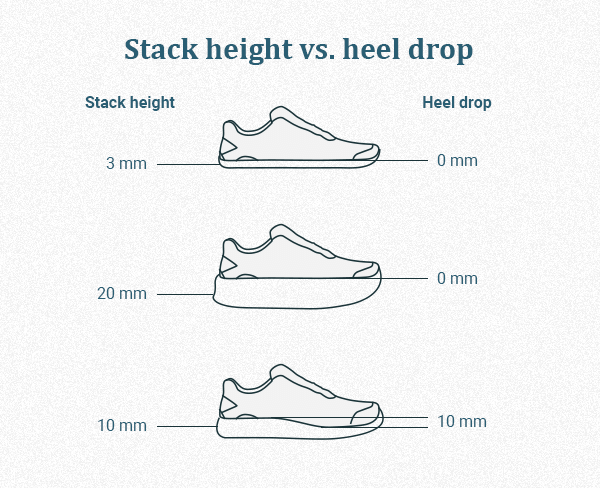
A 10mm heel drop running shoe has a heel that sits 10 millimeters higher than the forefoot. This number is also called offset or drop. It affects how your foot lands, how your ankle moves, and how the shoe feels during the stride.
In simple terms, a higher drop often shifts more load toward the heel and can feel smoother for heel strikers. A lower drop usually feels flatter and can ask more of the calf and Achilles. The 10mm heel drop running shoes category sits near the traditional end of the spectrum, which is why many runners find it easy to trust right away.
This is not just a comfort detail. Shoe drop can influence running mechanics, but the effect depends on the full shoe design, your stride, your strength, and your mileage. Research on running shoes and biomechanics shows that no single drop is best for everyone, which is exactly why fit and feel matter so much.
Why runners choose 10mm heel drop running shoes
A lot of runners end up in 10mm heel drop running shoes for practical reasons. They want a shoe that feels natural, not forced. They also want a model that works for daily miles, easy runs, and sometimes even long runs.
Here are the most common reasons runners like them:
- Familiar feel: Many older training shoes used higher offsets, so the transition feels simple.
- Heel comfort: The extra stack in the heel can feel kinder on the back of the foot.
- Smooth transition: The heel-to-toe roll often feels easy and predictable.
- Wide use case: These shoes can work for beginners, marathoners, and casual runners.
- Lower adaptation risk: Runners moving from traditional shoes often adapt faster than they do in zero drop or very low drop models.
From my own experience, 10mm heel drop running shoes are often the pair I recommend when someone says, “I just want something that works.” That is usually code for comfort, stability, and less guesswork.

How 10mm heel drop running shoes affect your stride
Heel drop changes how the shoe guides your foot through the gait cycle. A 10mm offset can encourage a slightly more heel-forward landing, especially for runners who already heel strike. It can also make the shoe feel more supportive during easy paces.
That said, the drop is only one piece of the puzzle. Midsole foam, geometry, heel bevel, rocker shape, and outsole design all shape the ride. A 10mm heel drop running shoe with soft foam can feel very different from another 10mm shoe with firmer foam and a stiffer toe spring.
Here is how the ride often feels:
- Heel strike support: The heel tends to feel more cushioned and less abrupt.
- Calf load: The calves may work a bit less than in lower-drop shoes.
- Toe-off feel: The transition can feel smooth, but not always fast or springy.
- Long-run comfort: Many runners like the reduced stress on the lower leg late in runs.
In practice, this makes 10mm heel drop running shoes a good match for runners who want comfort over radical change.
Who should consider 10mm heel drop running shoes
10mm heel drop running shoes can suit a lot of runners, but they are not a magic fix. The best choice depends on your body, your history, and your goals.
They are often a strong fit for:
- Beginner runners who want a familiar, forgiving ride
- Heel strikers who prefer a soft landing under the heel
- Runners easing back after a break or minor setback
- Marathon trainees who value comfort on easy and long runs
- People who feel tightness in lower-drop shoes, especially in the calves
I have also seen runners do better in 10mm heel drop running shoes when they spend a lot of time on the road. The slightly higher heel can help the shoe feel less demanding when the legs are already tired from work, commuting, or life in general.
Still, if you are a strong forefoot striker or you love a flatter platform, you may prefer a lower drop. The right shoe is the one that fits your stride without making you fight it.
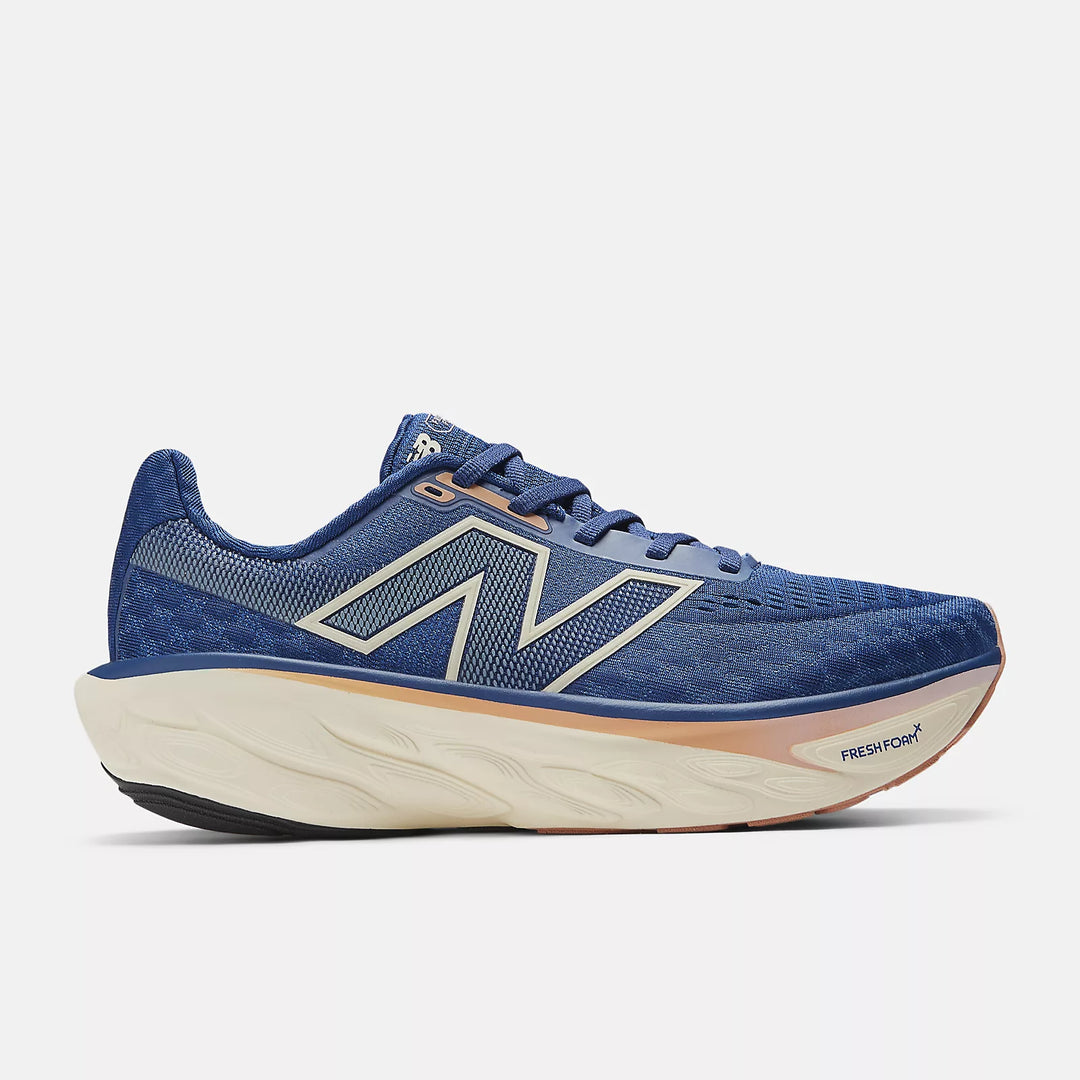
Benefits of 10mm heel drop running shoes
The biggest benefit is comfort. That sounds simple, but comfort is often what keeps people running consistently. When a shoe feels easy, you are more likely to lace up again tomorrow.
Other benefits include:
- Easy transition: Runners moving from older training shoes often adapt with little trouble.
- Lower calf strain: The higher heel can reduce how much your calves and Achilles have to stretch.
- Reliable daily training feel: These shoes often shine in steady, moderate-paced runs.
- Better match for many heel strikers: The geometry can support a heel-first landing pattern.
- Less shocky sensation: The heel cushion can make the first contact feel softer.
There is also a mental side to it. Some runners simply run more relaxed in 10mm heel drop running shoes because the setup feels familiar. That matters, because tense running usually feels worse and costs more energy.
Possible downsides and limitations
No shoe setup is perfect. 10mm heel drop running shoes can be excellent, but they are not ideal for every runner or every purpose.
Here are a few limitations to keep in mind:
- Less natural for some runners: If you prefer a flatter feel, the heel may seem too high.
- Not always best for speedwork: Some models feel bulky or less nimble at faster paces.
- Can mask weakness: If the heel drop is very supportive, it may hide calf or foot weakness.
- Transition still matters: Jumping into any new shoe too fast can cause soreness.
- Brand differences are huge: A 10mm shoe from one company may feel nothing like another.
One mistake I have seen a lot is assuming that heel drop alone will solve discomfort. It usually does not. If you are dealing with pain, training load, worn-out shoes, or poor fit may be the real issue.
How to choose the right 10mm heel drop running shoes
Buying the right pair is less about chasing specs and more about matching the shoe to your use. Start with how you run most often. Then think about how your body reacts after longer outings.
Use this simple checklist:
- Fit first: Make sure the toe box has room and the heel locks in well.
- Cushioning level: Decide whether you want soft, moderate, or firm foam.
- Stability needs: If you overpronate or want guidance, look for a stable platform.
- Surface use: Road shoes differ from trail shoes and track shoes.
- Mileage goals: Daily trainers should feel durable and dependable.
- Weight: Lighter shoes can feel livelier, while heavier shoes may feel more protective.
A good fit test is to walk and jog in the shoes before buying. I always tell people to pay attention to the last 10 minutes of the try-on, not just the first 30 seconds. Shoes can feel fine at first and still bother you once your foot starts swelling and moving.
Best use cases for 10mm heel drop running shoes
These shoes tend to shine in certain situations. They are not always the fastest or most exciting option, but they are often the most useful.
Good use cases include:
- Daily training runs: Comfortable and easy to wear often
- Easy recovery runs: Gentle on tired legs
- Long runs: Helpful when you want a relaxed, steady ride
- Walking and cross-training: Many runners use them off the run too
- New runner mileage building: Simple geometry can feel reassuring
For many runners, 10mm heel drop running shoes are like a dependable commuter car. They may not turn heads, but they get you where you need to go with less drama.

10mm heel drop running shoes vs lower drop shoes
A lower drop shoe usually has a more level feel. That can work well for runners who want more ground contact and a stronger calf and foot demand. A 10mm heel drop running shoe usually feels more traditional and often more forgiving at the heel.
Here is the basic tradeoff:
- 10mm heel drop: More heel cushioning feel, easier transition, often better for heel strikers
- 4mm to 6mm heel drop: More balanced or midfoot-oriented, sometimes more natural for newer shoe users
- 0mm to 3mm heel drop: Flattest feel, more demand on calves and Achilles, often requires adaptation
The best option depends on your history. If you have never used lower-drop shoes, moving too fast can lead to sore calves or Achilles tightness. If you already enjoy lower-drop shoes, a 10mm heel drop running shoe may feel a little too elevated.
Personal lessons from testing running shoes
Over the years, I have learned that the spec sheet never tells the whole story. Two shoes can both be 10mm heel drop running shoes and still feel wildly different underfoot. One may feel soft and easy; another may feel firm and structured.
A few lessons have stuck with me:
- Do not judge the shoe by the first mile only. Some models settle in after the foam warms up.
- Match the shoe to the workout. A cushioned 10mm trainer may be great for easy days but boring for tempo work.
- Watch your calves during changes. Any shoe transition can reveal hidden tightness.
- Replace old shoes on time. A tired midsole can make a perfect shoe feel bad.
- Comfort wins more often than hype. If the shoe feels good, you will probably use it more.
I have also made the mistake of chasing “better mechanics” instead of comfort. In reality, the best running shoe is the one that supports consistent training without adding noise to your body.
What to look for in the best 10mm heel drop running shoes
The ideal pair depends on your needs, but a few traits usually matter most. These features can make a big difference in how the shoe performs day to day.
Look for:
- Secure heel fit: Reduces slipping and rubbing
- Enough forefoot room: Prevents toe jam on longer runs
- Balanced cushioning: Soft enough for comfort, firm enough for control
- Smooth transition: Helps the stride feel natural
- Durable outsole: Important for high-mileage runners
- Breathable upper: Keeps the shoe more comfortable in warm weather
If you run mostly on roads, durability and smooth roll matter a lot. If you need more support, a stable base can be more useful than extra softness. And if you sweat heavily or run in heat, upper comfort should not be ignored.
Frequently Asked Questions of 10mm heel drop running shoes
Are 10mm heel drop running shoes good for beginners?
Yes, they are often a great choice for beginners because they usually feel familiar and easy to adapt to. The higher heel can make the ride feel smoother and less demanding on the calves.
Are 10mm heel drop running shoes good for heel strikers?
They can be, especially if you want extra cushion in the heel area. Many heel strikers find this drop comfortable because it matches their natural landing pattern.
Can I use 10mm heel drop running shoes for long runs?
Yes, many runners use them for long runs because they often feel stable and forgiving over distance. If the cushioning and fit work well for you, they can be a very solid long-run option.
Do 10mm heel drop running shoes cause injury?
Not by themselves. Injury risk depends more on training load, fit, strength, and how quickly you change shoes than on heel drop alone.
Should I switch from a low-drop shoe to a 10mm heel drop running shoe?
You can, but do it gradually if you are used to lower-drop footwear. A sudden switch may feel different in the calves, ankles, and feet, so a slow transition is the safer move.
Conclusion
10mm heel drop running shoes remain popular for a reason. They offer a familiar feel, a smooth ride, and a comfort-first setup that works well for many runners, especially beginners, heel strikers, and long-run fans.
If you are choosing your next pair, focus on fit, cushioning, and how the shoe feels during real movement, not just while standing in a store. The right shoe should support your stride, not fight it. Take what you learned here, try a few options with purpose, and pick the pair that helps you run more comfortably and consistently.
If this guide helped, keep exploring shoe features, compare models carefully, and share your own experience in the comments.