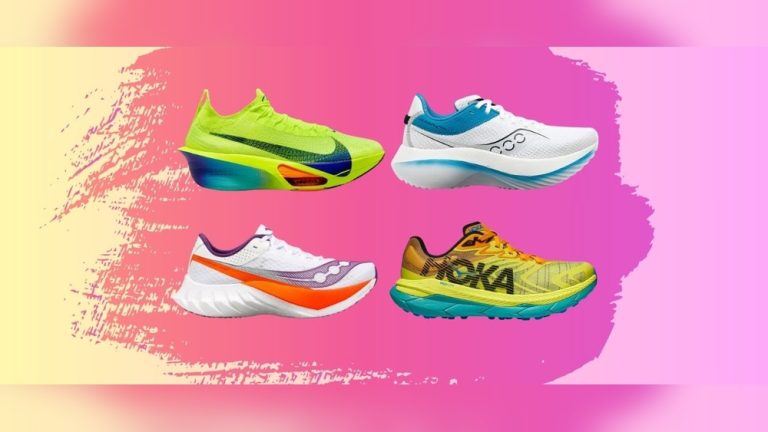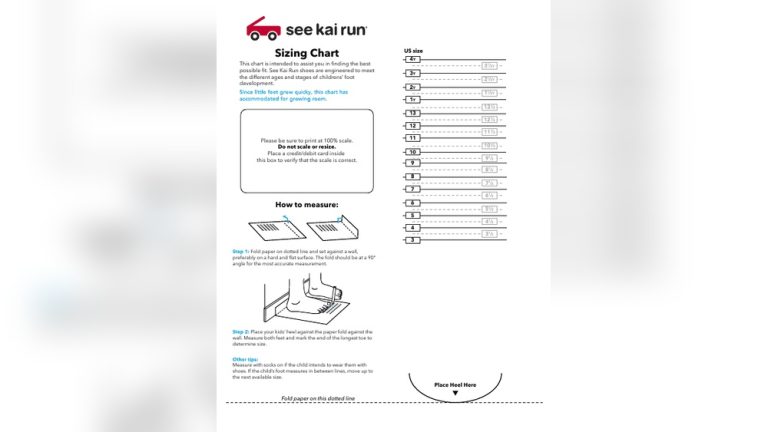
Getting Fitted For Running Shoes: Find Your Perfect Fit

Getting fitted for running shoes helps match your foot shape, stride, and running goals with the right shoe.
Getting fitted for running shoes is more than checking your size and picking a popular brand. A good fitting looks at foot length, width, arch shape, movement, comfort, and the type of running you do. This guide explains what happens in a professional fitting, how to prepare, what questions to ask, and how to avoid common mistakes so your next pair feels like a helpful tool rather than a source of pain.
Why Getting Fitted for Running Shoes Matters
Running shoes affect comfort, stability, and how your feet handle repeated impact. They cannot fix every running problem, but the right pair can reduce pressure from a poor fit and help you run with more confidence.
Every foot is different. One runner may need a wide toe box, while another may need a softer midsole or a more secure heel. Your shoes should match your body and your goals, not just your favorite color or a review online.
Getting fitted for running shoes is especially useful if you:
• Feel pain, numbness, or pressure during runs
• Get blisters or black toenails
• Have wide or narrow feet
• Are returning after an injury
• Are buying your first pair of running shoes
• Change your running distance or terrain
• Wear custom orthotics
• Run in shoes that feel worn or uneven
A fitting also helps you understand why one shoe feels natural and another feels awkward. Think of it like choosing a mattress. The best option is not the one with the most features. It is the one that supports your needs and feels right over time.
Research in sports medicine suggests that comfort is a key factor when runners choose footwear. Comfort does not guarantee injury prevention, but an uncomfortable shoe can change how you move and make each mile harder.

When Should You Get Fitted for Running Shoes?
The best time for getting fitted for running shoes is when your feet are slightly larger than they are in the morning. Feet often swell during the day and during exercise, so visit a store in the late afternoon or evening if possible.
You should also get fitted before a major training plan begins. Do not wait until a marathon, half marathon, or long hiking trip is only a few weeks away. Your feet need time to adjust to the new shoes.
Replace your running shoes when the midsole feels flat, the outsole is badly worn, or the shoe no longer feels comfortable. Mileage can help, but it is not a strict rule. Many shoes last about 300 to 500 miles, but body weight, surface, pace, shoe design, and running form all affect wear.
Look for these warning signs:
• New aches in your feet, knees, hips, or lower legs
• A midsole that feels hard or compressed
• Smooth patches on the outsole
• A shoe that leans to one side
• Holes, loose seams, or a stretched upper
• Less cushioning than the shoe had when new
Getting fitted for running shoes is also smart after a major change in your routine. A switch from treadmill running to trails, for example, may call for a different level of grip and protection.
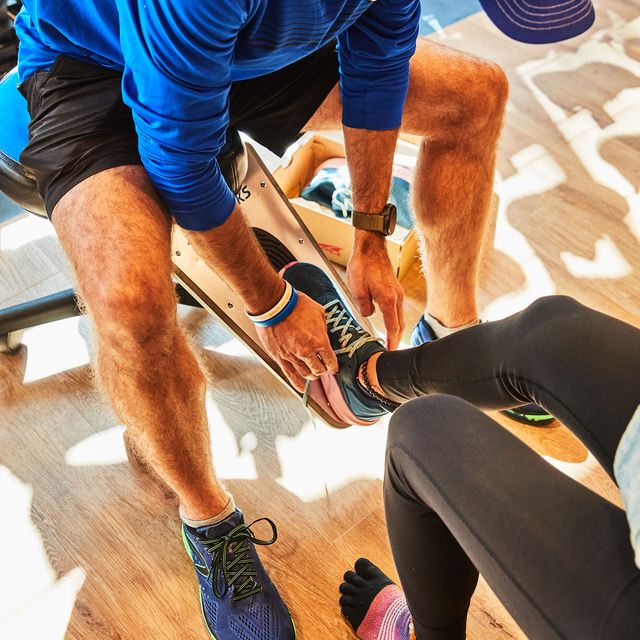
How to Prepare for Getting Fitted for Running Shoes
A little preparation makes the fitting more accurate. Bring the socks you usually wear for running. Thick cotton socks can change the fit, so use your normal performance socks instead.
Bring your current running shoes if you have them. The wear pattern can show where you place pressure and how your stride affects the shoe. It is not a perfect test, but it gives the fitter useful background.
Before the appointment, make a short list of your needs:
• Typical weekly mileage
• Usual running surface
• Average pace and distance
• Recent injuries or pain
• Preferred cushioning level
• Use of insoles or orthotics
• Shoe size in different brands
Wear comfortable pants that allow you to walk and jog. If you use ankle braces or special inserts, bring them. A shoe that fits well without your insert may feel too tight with it inside.
One mistake I see often is arriving with a fixed answer, such as “I need a stability shoe” or “I only wear minimalist shoes.” Those labels may help start the conversation, but comfort and function should guide the final choice.

What Happens During a Professional Shoe Fitting?
Getting fitted for running shoes usually begins with questions. A skilled fitter may ask where you run, how often you run, and whether you have pain. These questions matter because a daily road runner and a weekend trail runner place different demands on footwear.
The fitter may measure both feet while you stand. Standing matters because your feet can spread and lengthen under body weight. The fitter may record:
• Foot length
• Foot width
• Arch height
• Heel width
• Toe shape
• Differences between the left and right foot
Many stores use a foot scanner. It can provide helpful measurements, but it is not a complete diagnosis. A scan does not fully predict how a shoe will feel after five miles, and it cannot identify every movement issue.
You may also walk, jog, or perform a few simple movements. The fitter might watch your heel, ankle, knee, and foot as you move. This can reveal useful patterns, but a short store assessment should not be treated as a medical exam.
A good fitting should include several shoes. Try each pair with the correct socks and any inserts you normally use. Walk first, then jog if the store allows it. Pay attention to comfort instead of trying to force your foot to accept a shoe.
How to Check the Fit of a Running Shoe
A running shoe should feel comfortable from the first try. It may need a short adjustment period, but it should not cause sharp pain, pressure, or rubbing.
Use this simple checklist when getting fitted for running shoes:
-
Check the toe space. Leave about a thumb’s width between your longest toe and the front of the shoe. This space allows for swelling and downhill movement.
-
Check the width. Your toes should spread naturally. The sides of the shoe should not squeeze your forefoot or push against your little toe.
-
Check the heel. Your heel should stay secure without harsh pressure around the ankle. A small amount of movement can be normal, but slipping may cause blisters.
-
Check the upper. The material should hold your foot without creating tight bands across the top.
-
Check the flex. The shoe should bend in a way that feels natural to your foot. Avoid a shoe that feels stiff if you prefer a flexible ride, or too soft if you need more structure.
-
Check the feel. Walk, jog, and stop. Notice whether the shoe feels smooth, stable, and comfortable.
Your larger foot should guide the size. Most people have a slight difference between their feet. Fit the bigger foot first, then adjust the laces to secure the smaller one.
Do not judge fit while sitting down. Stand and move. Feet change shape when they carry your weight, much like a pillow spreads when you lie on it.
Understanding Neutral, Stability, and Motion-Control Shoes
Shoe categories can be useful, but they are not medical diagnoses. A neutral shoe usually allows the foot to move without added guidance features. A stability shoe may use a wider base, firmer foam, or other design elements to create a more guided feel.
Motion-control shoes are designed with stronger guidance features. They may suit some runners, but they are not automatically better for people with flat feet. Arch height alone does not determine which shoe you need.
Modern shoe design has also changed. Some models use broad platforms, sidewalls, or shaped midsoles instead of the firm posts found in older stability shoes. The best choice depends on comfort, movement, training needs, and personal preference.
When getting fitted for running shoes, try not to let a label make the decision for you. A shoe described as “neutral” may feel more stable than another model. A stability shoe may feel too restrictive for one runner and comfortable for another.
If you have ongoing pain, severe flat feet, numbness, or a history of injury, speak with a podiatrist or physical therapist. A shoe fitting can help with footwear, but it cannot replace clinical care.
Choosing the Right Shoe for Your Running Style
Your running surface and training plan affect the best shoe choice. Road shoes are often lighter and smoother. Trail shoes usually have deeper lugs, stronger uppers, and more protection from rocks and roots.
For daily road running, look for a comfortable shoe with enough cushioning for your usual distance. For speed workouts, some runners prefer a lighter and more responsive design. For long runs, comfort and protection may matter more than low weight.
If you run on trails, consider:
• Outsole grip
• Rock protection
• Water resistance
• Secure heel hold
• Debris protection
• Flexibility on uneven ground
Walking shoes and running shoes are not always the same. Running shoes are made for repeated forward movement and often have lighter materials. If you plan to use one pair for both walking and running, choose the pair that remains comfortable for your longest activity.
Getting fitted for running shoes should also account for climate. Warm weather can increase swelling, while rain and snow may require better traction and a more protective upper.
Common Mistakes to Avoid During a Shoe Fitting
The most common mistake is choosing a shoe by size alone. A size 10 in one brand may not feel like a size 10 in another. Shape, width, upper material, and midsole design all affect the fit.
Another mistake is buying the most expensive shoe. Price does not guarantee comfort or performance. Some runners feel great in a simple daily trainer, while others prefer a lighter or more advanced model.
Avoid these mistakes:
• Shopping without your running socks
• Trying shoes only while seated
• Ignoring pressure on the toes
• Buying a shoe that feels tight because you expect it to stretch
• Choosing a shoe only because it is popular
• Testing just one model
• Relying on a treadmill video alone
• Assuming foot pain is normal
A shoe may soften slightly with use, but it should not need a painful break-in period. If your toes feel crushed in the store, they will probably feel worse on a long run.
One practical lesson from helping runners compare shoes is simple: the shoe that feels boring in the store often wins on the road. A smooth, comfortable fit may not create excitement at first, but it can make training much easier.
Breaking In New Running Shoes Safely
Even a well-fitted shoe may feel different during the first few runs. Start with short, easy sessions. You might wear the shoes for a walk, then use them for a two- or three-mile run before making them your main pair.
Do not test new shoes for the first time during a long run or race. That is how small pressure points become painful blisters. Give your feet time to learn the shoe.
Use this gradual plan:
• Wear the shoes at home for a short period
• Take a relaxed walk
• Run an easy, short route
• Check your feet for redness or hot spots
• Increase distance only when the shoe remains comfortable
If you notice rubbing, stop and adjust the laces. A heel-lock lacing method can reduce heel movement, but it should not create pressure on the top of your foot.
Getting fitted for running shoes improves your odds of a good experience, but it does not guarantee a perfect match forever. Feet can change with age, pregnancy, injury, weight changes, and training volume.
When a Shoe Fitting Is Not Enough
A shoe fitting can address problems caused by poor size, shape, or comfort. It cannot diagnose a stress fracture, tendon injury, nerve issue, or serious alignment problem.
Seek professional medical advice if you have:
• Pain that persists during rest
• Swelling or bruising
• Numbness or tingling
• A sudden change in your stride
• Pain that worsens with each run
• Repeated injuries despite changing shoes
A physical therapist can assess strength, mobility, running form, and training load. A podiatrist can evaluate foot structure and medical concerns. These professionals may also work with a shoe fitter, but each role is different.
It is also important to remember that injuries rarely come from one cause. Training errors, weak muscles, poor recovery, stress, sleep, and sudden mileage increases may all play a part. Getting fitted for running shoes is helpful, but it is only one piece of healthy running.
Frequently Asked Questions About Getting Fitted for Running Shoes
How long does getting fitted for running shoes take?
A basic fitting may take 20 to 45 minutes. More time may be needed if you compare several models, use orthotics, or have a complex fit issue.
Should running shoes feel tight when new?
No. Running shoes should feel secure but not tight. Your toes need room to spread, and you should have about a thumb’s width of space in front of the longest toe.
Do I need a professional fitting for every pair of running shoes?
Not always. Once you know the brands and shapes that work for you, you may be able to buy confidently. Still, a new fitting is wise after an injury, major training change, or change in foot size.
Are expensive running shoes better?
Not necessarily. Cost does not predict comfort, durability, or injury protection. The best shoe is the one that fits well, suits your running, and feels comfortable at your normal distance.
Should I bring my old running shoes to a fitting?
Yes, if possible. The wear pattern can give the fitter useful information about how you use your shoes. It should support the fitting conversation, not replace a proper fit and movement check.
Can a shoe fitting prevent running injuries?
A good fit may reduce discomfort linked to pressure, rubbing, or poor sizing, but it cannot prevent every injury. Training load, recovery, strength, running surface, and health history also matter.
What should I do if both sizes feel wrong?
Try a different shoe shape or width instead of forcing the size. If the toe box, heel, or arch still feels uncomfortable, ask the fitter to show you other models.
Conclusion
Getting fitted for running shoes helps you choose footwear that matches your feet, movement, training, and comfort needs. Focus on toe room, width, heel security, cushioning, and the way the shoe feels while standing and moving. Do not rely on brand labels, price, or mileage rules alone.
Bring your usual socks, try several shoes, and start new footwear with short runs. If pain continues, seek advice from a qualified health professional rather than trying to solve every problem with shoes. Use these tips at your next fitting, and share your favorite running shoe lessons or questions in the comments.