Best Running Shoe For Morton’s Neuroma: Comfort Guide

The New Balance Fresh Foam X 880 V15 is my top running shoe pick for Morton’s neuroma.
A sharp, burning pain under the forefoot can make every run feel risky. Morton’s neuroma often worsens when shoes squeeze the toes or press hard on the ball of the foot. I looked for a roomy toe box, gentle cushioning, steady support, and enough space for an insole or metatarsal pad. The New Balance 880 V15 stands out as the only true running shoe in this group. The other picks are pads and orthotics that may improve comfort inside a suitable shoe. Always check with a podiatrist if pain lasts, spreads, or limits normal walking.
See the differences between my top picks at a glance.
New Balance Fresh Foam X 880 V15
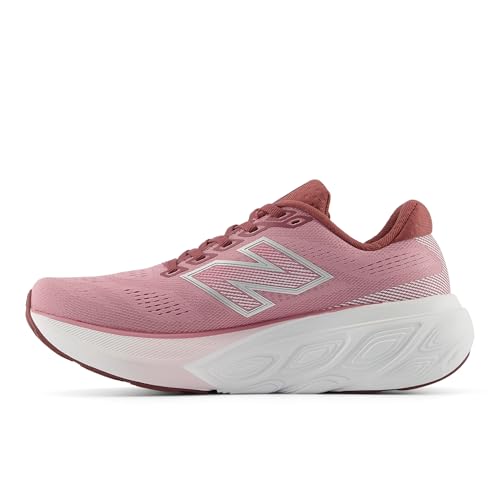
The New Balance Fresh Foam X 880 V15 is the strongest match here for runners who need a real daily trainer. Its Fresh Foam X midsole is designed to give a soft, smooth feel under the foot. The listed model is a women’s shoe in a wide size, which matters when Morton’s neuroma makes a narrow fit painful. A roomy fit can reduce pressure around the toes and forefoot.
I like this shoe because it gives you a proper running base before you add a pad or orthotic. The upper, outsole, and midsole work as one running system, rather than as a small cushion placed inside a basic shoe. Still, no shoe can treat the nerve problem itself. Try short walks first, and stop if the forefoot pain, tingling, or numbness increases.
Pros:
- Designed as a daily running shoe
- Fresh Foam X cushioning supports a soft ride
- Wide size shown in the listing
- Room for a thin metatarsal pad in many fits
- More suitable for training than a casual shoe
- Works well as a base for a gradual return to running
Cons:
- The listed size and color may not suit every runner
- Fit can vary by foot shape
- Extra inserts may make the shoe feel tight
- Cushioning preference is personal
What Amazon Buyers Are Saying
Buyer feedback for the 880 line commonly focuses on comfort, everyday use, and the familiar New Balance fit. Many shoppers look for the wide version because standard running shoes can feel tight across the forefoot. Some buyers praise the cushioning for walking and regular training. As with most running shoes, other buyers report that the fit or firmness did not match their personal preference.
Check the current listing reviews for the exact V15 size before ordering. Reviews for one width or size may not describe another. Pay close attention to comments about toe space, heel slip, and whether the shoe feels comfortable after several miles.
My Recommendation
I recommend the 880 V15 as the best running shoe for Morton’s neuroma among these products. It gives you the right starting point: a cushioned running platform with a wide option. Choose the correct width first. Then consider a low-profile metatarsal pad only if the shoe still has enough room.
PowerStep Pinnacle Plus Met

The PowerStep Pinnacle Plus Met is not a running shoe. It is an insole made for people who want added support inside a compatible shoe. The product combines arch support with a metatarsal pad area. That design may help spread pressure away from the sore part of the forefoot for some users.
This insert makes the most sense when your current running shoe has enough volume. Remove the factory insole if the brand allows it, then compare the height before you run. A support insert can feel helpful, but it can also create more pressure if it pushes the foot too high or places the pad in the wrong spot. Use a short trial period before a long run.
Pros:
- Combines arch support and a metatarsal pad
- Can upgrade a suitable running shoe
- Useful for runners who want more structure
- Made in the USA according to the product listing
- May reduce the need for separate inserts
- Available in a range of sizes, with exact size checks needed
Cons:
- It is not a shoe by itself
- The listed size is specific to men’s 11–11.5
- May feel too firm for runners who prefer soft insoles
- Can crowd a snug shoe
- Incorrect pad placement may increase discomfort
What Amazon Buyers Are Saying
Customers who buy this type of PowerStep insert often discuss the firm support, arch feel, and relief during walking or standing. Some users like the built-in metatarsal feature because they do not need to place a separate pad. Others say the insert takes time to adjust to or feels too hard for their feet.
Size and shoe compatibility appear to be key points in buyer experiences. A good result depends on choosing the right length and placing the insert flat. Read comments for your exact size, and do not assume that an insole that works in a work shoe will feel the same in a flexible running shoe.
My Recommendation
I recommend the Pinnacle Plus Met for runners who need structured support and already own a roomy shoe. It is a useful add-on, but it is not the best running shoe for Morton’s neuroma on its own. Buy it only after checking size, shoe depth, and your tolerance for firm arch support.
ZenToes Metatarsal Pads
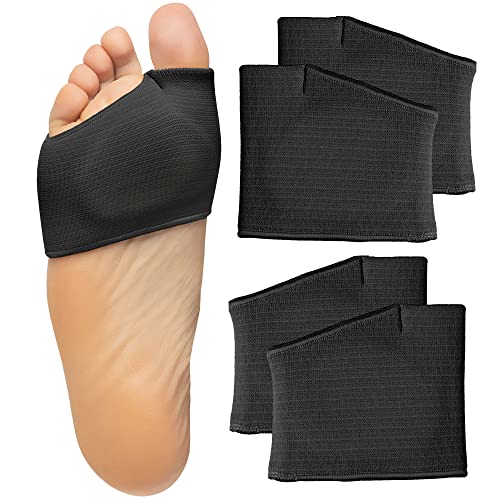
The ZenToes metatarsal pad is a simple way to add cushioning under the ball of the foot. The product uses a gel cushion sleeve design and comes in a medium size. It may suit runners who want a small layer between the foot and insole without changing the whole shoe.
I see this as a low-cost comfort test. Wear it during a short walk first, then check whether it stays in place and leaves enough toe room. A sleeve that feels fine at home may feel too warm or tight during a run. The best result usually comes from pairing it with a roomy shoe, not from placing it inside a narrow shoe.
Pros:
- Simple gel cushioning for the ball of the foot
- Small design is easier to try than a full insole
- Medium size suits shoppers who match the listed fit
- Can be used with a roomy running shoe
- Useful for walking and low-impact testing
- Often costs less than a full orthotic
Cons:
- Medium size may not fit every foot
- May add pressure if the shoe is already snug
- Can move or bunch during activity
- Does not provide arch support
- It cannot replace diagnosis or medical care
What Amazon Buyers Are Saying
Buyers of gel metatarsal sleeves commonly value the soft feel and easy setup. Many shoppers choose this style because it does not require cutting or fitting a full insole. Common concerns with this product type include sleeve movement, warmth, and fit around the toes.
Read the latest comments for the medium size before buying. A small difference in foot width can change the experience. Buyers who use the sleeve in a shoe with enough space tend to have a better chance of comfort than those who place it in a tight racing shoe.
My Recommendation
The ZenToes pad is worth trying if you want light forefoot cushioning at a modest cost. It is not a running shoe, and it offers less control than an orthotic. I would use it with a wide, cushioned trainer and test it on a walk before adding it to a run.
2 PCS Metatarsal Pads

This two-piece metatarsal pad set targets ball-of-foot comfort for both women and men. Its gel pad format lets you try forefoot cushioning without buying a full orthotic. That can help runners compare a small pad with their existing insole. The product listing also names Morton’s neuroma and metatarsalgia support among its intended uses.
I like the value of having two pieces, especially when you want one for each foot or a spare for travel. Placement matters more than many buyers expect. The pad should sit behind the sore area rather than directly under the most painful spot, but your foot shape may change the ideal position. If it causes more tingling, remove it and reassess the fit.
Pros:
- Two-piece format supports use on both feet
- Gel pad adds a soft layer under the forefoot
- Suitable for people testing metatarsal support
- Can work with running shoes that have extra room
- Useful as a spare or travel option
- Designed for both women and men
Cons:
- Pad position may need trial and adjustment
- May not stay secure in every shoe
- Can make a close-fitting shoe feel tighter
- Does not offer heel or arch control
- Results vary with the cause of forefoot pain
What Amazon Buyers Are Saying
Customer feedback on two-piece gel pads often centers on ease of use and the convenience of getting a pair. Buyers may like the soft layer for daily walking, standing, or casual shoes. The most common limits for this kind of product involve movement, thickness, and whether the shape suits a particular foot.
Before ordering, check the current size details and product photos. A pad can look small but still take up useful shoe space. Buyers who place it carefully and use it with a wide toe box usually have a more useful test than those who wear it in a narrow shoe.
My Recommendation
This set is a practical budget choice for testing a gel metatarsal pad. I would not depend on it as the only fix for running pain. Use it in a properly fitted trainer, start with a short walk, and keep it only if it improves comfort without adding pressure.
KTSAY Metatarsal Pads

The KTSAY metatarsal pads offer another simple option for ball-of-foot cushioning. This listing includes two beige pads in a large size. The gel pad aims to support the forefoot and may suit users who want a less complex solution than a full insole.
The large size makes checking measurements especially important. A pad that covers too much of the foot may rub, while a pad that is too small may shift during a run. I would pair this product with a roomy shoe and thin socks. It may be a good value for light activity, but it does not provide the complete structure of a running shoe or orthotic.
Pros:
- Two-pad pack for use on both feet
- Large size is clearly stated in the listing
- Beige color may look discreet in many shoes
- Gel design targets forefoot cushioning
- Simple choice for walking and casual activity
- Can be tested without replacing the full insole
Cons:
- Large may not suit narrow or small feet
- May crowd shoes with a low toe box
- Does not add arch or heel support
- Position may change during higher-impact use
- Not a substitute for a wide running shoe
What Amazon Buyers Are Saying
Shoppers who choose this type of pad often want a quick and low-cost way to cushion the forefoot. The two-pack appeals to buyers who need one for each foot. Comments on similar gel pads often praise the soft feel but mention that fit, movement, and shoe space can decide whether the pad works well.
Use the listing measurements rather than choosing by the word “large” alone. Read current reviews for comfort during the activity you plan to do. If you feel rubbing, numbness, or extra pressure, do not force the pad to work.
My Recommendation
The KTSAY pad is worth considering if the large size matches your foot and you want basic forefoot cushioning. It ranks below the New Balance shoe because it cannot provide running stability. I see it as an inexpensive accessory for a well-fitting trainer, not a complete treatment.
How to Choose the Best Running Shoe for Morton’s Neuroma
Choosing the best running shoe for Morton’s neuroma starts with pressure control. Morton’s neuroma is a painful irritation around a nerve in the forefoot, often near the space between the toes. Shoe choice can reduce stress, but it cannot confirm the cause of pain or replace medical care. A podiatrist can help if symptoms keep returning.
1. Give Your Toes More Room
Look for a wide toe box. Your toes should spread without touching the sides. Do not judge space while sitting. Stand up, walk, and bend your knee slightly as you check the fit. Your longest toe should have room in front, and the widest part of your foot should not spill over the sole.
Width matters more than the number printed on the shoe. One brand’s wide shoe may feel different from another brand’s wide shoe. Try shoes later in the day, since feet can swell. Wear the socks you use for running. If you plan to add a pad, test the shoe with that pad in place.
2. Choose Cushioning That Feels Smooth, Not Crowded
A soft midsole may reduce the harsh feel of each step, but the softest shoe is not always the best choice. You need enough cushioning for your route and enough stability to feel secure. A thick insert inside a low-volume shoe can create new pressure. This is why I rate a well-fitting running shoe above a pad alone.
Check the forefoot flex. The shoe should bend in a way that feels natural, without folding sharply under the painful area. Walk first. Then try a few easy strides. Burning, tingling, or numbness means the shoe or insert may not suit you.
3. Match the Shoe to Your Running Plan
A daily trainer usually makes more sense than a narrow racing shoe when you have forefoot pain. Choose a shoe that fits your usual walks, easy runs, and long runs. If you need an orthotic, make sure the shoe has a removable insole and enough depth. Do not assume that a shoe labeled “neutral” or “stability” will fix Morton’s neuroma.
Start with short sessions. Increase time only when your foot stays calm during the run and the next day. Replace worn shoes when the cushioning feels flat or the outsole wears unevenly. Keep notes on distance, pain, and fit. This simple record can show whether the shoe helps or only hides symptoms for a short time.
Final Verdict: Which Should You Buy?
The New Balance Fresh Foam X 880 V15 is my top pick and the best running shoe for Morton’s neuroma in this group. Its cushioned platform and available wide fit give runners the best starting point.
Use pads or the PowerStep insert only when your shoe has enough space. A careful fit, gradual training, and medical advice remain key to lasting comfort.
FAQs Of best running shoe for morton’s neuroma
What is the best running shoe for Morton’s neuroma?
The New Balance Fresh Foam X 880 V15 is my top pick here because it offers a cushioned running platform and a wide option. Fit matters more than the brand name.
Should running shoes for Morton’s neuroma have a wide toe box?
Yes. A roomy toe box can reduce side pressure on the toes and forefoot. Make sure your toes can spread without rubbing.
Can metatarsal pads help with Morton’s neuroma pain?
They may help some people by changing pressure under the forefoot. Place the pad behind the sore area, and stop using it if pain or tingling increases.
Can I use an orthotic inside a running shoe?
Yes, if the shoe has enough depth and the orthotic fits flat. Remove the factory insole when appropriate, and test the combination with a short walk.
When should I see a podiatrist for forefoot pain?
See a podiatrist when pain persists, worsens, causes numbness, or limits walking and running. A professional can check whether Morton’s neuroma or another issue causes the symptoms.