
Waterproof Running Shoes for Women: Top Picks for Every Runner

Rain, puddles, and muddy trails shouldn’t stop anyone from running, especially women who crave the freedom of outdoor exercise. But wet feet can quickly turn a refreshing jog into an uncomfortable, even risky, experience. That’s where waterproof running shoes for women come in—they promise dry, protected feet while maintaining breathability and comfort. In recent years, these shoes have evolved far beyond just thick, rubbery shells. Today’s options combine advanced materials, smart design, and style that fits both city streets and rugged trails. Whether you’re a casual jogger or a marathon enthusiast, understanding what makes a waterproof shoe effective can be the difference between a great run and a miserable one.
This guide explores everything you need to know about waterproof running shoes for women. We’ll look at how they work, which features matter, common mistakes to avoid, and how to choose the right pair for your needs. Real-world examples, expert tips, and up-to-date comparisons will help you feel confident—no matter the weather.
Why Waterproof Running Shoes Matter
It might seem obvious that keeping your feet dry is good, but the benefits of waterproof running shoes go much deeper. Wet feet are more than just uncomfortable—they can cause blisters, cold toes, and even fungal infections. During colder months, wet shoes can also increase the risk of frostbite or hypothermia if you’re running long distances.
Many runners believe that simple running shoes with water-resistant sprays are enough. While sprays help, they don’t offer the full protection of a dedicated waterproof design. A true waterproof running shoe uses layers and special membranes to block water entry while letting sweat escape.
This means your feet stay dry from both rain and your own perspiration.
For women, who may have different foot shapes and needs compared to men, waterproof shoes designed specifically for women’s feet provide a better fit and more effective protection. Brands now recognize these differences and offer a wide range of sizes, widths, and arch supports.
How Waterproof Running Shoes Work
Waterproof running shoes rely on advanced technology to balance two needs: blocking water from outside and allowing sweat to evaporate from inside. The most popular solution is the GORE-TEX membrane, but several brands have developed their own waterproof-breathable materials.
The Technology Behind Waterproofing
- Membranes: Thin, microscopic layers (like GORE-TEX, eVent, or proprietary versions) are sewn or bonded inside the shoe. These have billions of tiny pores, small enough to keep out liquid water but large enough for water vapor (sweat) to escape.
- Water-Repellent Uppers: The outer fabric is usually coated with DWR (Durable Water Repellent), which causes water to bead up and roll off.
- Sealed Seams: Many shoes use special tapes or welded seams so water can’t sneak in through stitching holes.
Some shoes go further by using gusseted tongues (the sides of the tongue are attached to the shoe), which prevent water from dripping down inside when you step in puddles.
Key Differences From Water-resistant Shoes
It’s easy to confuse waterproof and water-resistant shoes. Water-resistant models are made to handle light rain or splashes, but they’ll eventually let water in during heavy downpours or if you step in deep puddles. Waterproof shoes, in contrast, are built to keep water out in almost all conditions (except full submersion above the ankle).
Here’s a quick comparison to highlight the difference:
| Water-Resistant | Waterproof | |
|---|---|---|
| Light rain | Good | Excellent |
| Heavy rain | Poor | Good |
| Puddle splashes | Limited | Good |
| Sweat breathability | Good | Good |
| Full submersion | Poor | Limited |
Credit: www.on.com
Top Features To Look For
Not all waterproof running shoes are created equal. Different shoes serve different running styles, environments, and foot shapes. Here are the main features you should consider before buying:
1. Waterproof Membrane
Look for shoes with a branded waterproof membrane like GORE-TEX, eVent, or a trusted in-house version. These membranes have a proven track record for balancing waterproofing and breathability. Cheaper shoes may skip this layer or use less effective alternatives.
2. Breathability
Good waterproof shoes let sweat escape. If a shoe is totally sealed, your socks will get soaked from the inside. Check for mesh panels or ventilation zones designed to help with airflow without sacrificing waterproofing.
3. Fit And Comfort
Women’s feet are often narrower at the heel and have different arch shapes than men’s. Brands that design specifically for women’s anatomy offer a much better fit. Try shoes on with the socks you plan to use, and look for enough room in the toe box—especially since waterproof membranes can make the shoe feel snug.
4. Weight
Waterproof shoes are usually heavier than regular running shoes because of extra layers. Modern models, though, have cut weight significantly. If you’re planning long-distance runs, weight becomes even more important. Compare the weight of different models—every ounce matters.
5. Outsole Grip
Wet surfaces can be slippery. Look for deep lugs or special rubber compounds designed for wet traction. Trail running shoes often have more aggressive tread, while road shoes focus on smoother grip for pavement.
6. Durability
Waterproof shoes tend to last longer than regular shoes because of their reinforced construction. Check for abrasion-resistant materials, strong toe guards, and solid stitching. Shoes with a high-quality DWR coating will maintain their water resistance longer.
7. Style And Versatility
Many waterproof running shoes are now stylish enough for daily wear or travel. If you want a shoe that can double for walks or errands, look for neutral colors or sleeker designs.
8. Price
Expect to pay more for waterproof technology. On average, waterproof models cost $20–$40 more than similar non-waterproof shoes. However, the extra expense pays for itself with greater comfort and longer lifespan.
Best Waterproof Running Shoes For Women In 2024
To help you compare, here’s a selection of some of the top-rated waterproof running shoes for women available right now. This list includes a mix of trail and road models, each with unique strengths.
| Shoe | Membrane | Weight (oz) | Best For | Price Range |
|---|---|---|---|---|
| Brooks Ghost 15 GTX | GORE-TEX | 9.8 | Road Running | $160–$170 |
| Salomon Speedcross 6 GTX | GORE-TEX | 9.2 | Trail Running | $150–$160 |
| Hoka Challenger 7 GTX | GORE-TEX | 8.9 | Trail/Hybrid | $160–$170 |
| ASICS Gel-Cumulus 25 GTX | GORE-TEX | 8.3 | Road Running | $150–$160 |
| Altra Lone Peak All-Weather Low | eVent | 9.6 | Trail Running | $150–$160 |
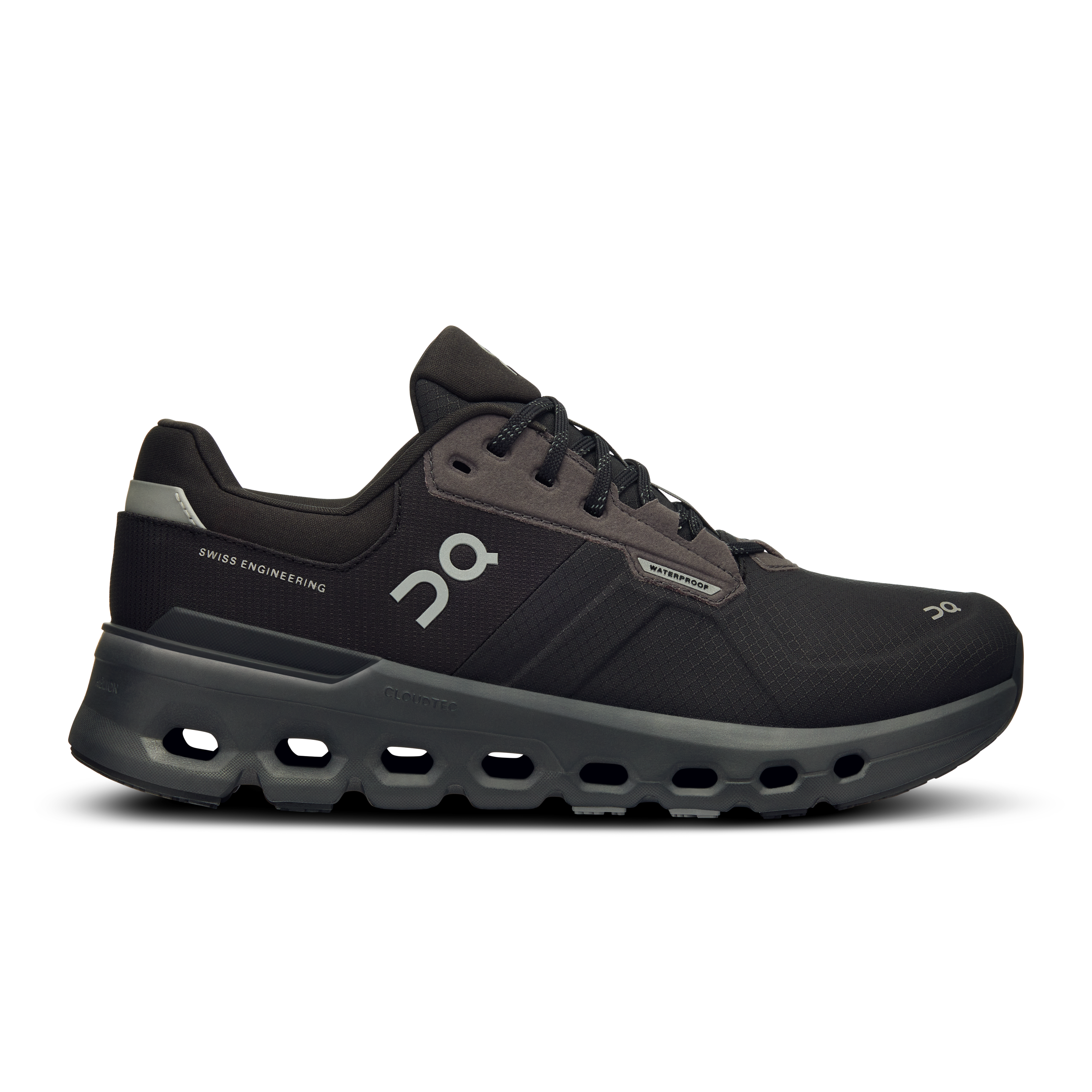
| On Cloudventure Waterproof | On Membrane | 8.8 | Trail/Hybrid | $170–$180 |
| New Balance Fresh Foam Hierro v7 GTX | GORE-TEX | 9.4 | Trail Running | $155–$170 |
Let’s take a closer look at a few of these standouts.
Brooks Ghost 15 Gtx
A favorite among road runners, the Brooks Ghost 15 GTX offers a soft, cushioned ride with reliable waterproofing. Its GORE-TEX Invisible Fit membrane is bonded directly to the upper, so it feels lighter and more flexible than older waterproof models. The fit is tailored for women, with a snug heel and roomy toe box. Runners praise its comfort over long distances and its consistent grip on wet pavement.
Salomon Speedcross 6 Gtx
For those who crave trails, mud, and hills, the Salomon Speedcross 6 GTX is hard to beat. It’s famous for its aggressive grip and precise fit, making it a go-to for tough conditions. The quick-lace system is easy to adjust, even with gloves, and the GORE-TEX layer keeps out water without overheating your feet.
Hoka Challenger 7 Gtx
This shoe bridges the gap between road and trail. The Hoka Challenger 7 GTX is known for its plush cushioning, lightweight feel, and versatility. It’s a smart choice for women who want one shoe that can handle city runs, park trails, and travel in wet weather.
Asics Gel-cumulus 25 Gtx
If you prefer a classic running shoe feel, the ASICS Gel-Cumulus 25 GTX combines waterproofing with smooth, everyday comfort. The rearfoot GEL technology absorbs shock, while the GORE-TEX layer protects against rain. It’s a great pick for those just starting to explore running in all seasons.
How To Choose The Right Waterproof Running Shoe
With so many options, choosing the perfect waterproof running shoe can feel overwhelming. Here’s a step-by-step approach to help you decide:
1. Define Your Running Style
- Road running: Go for lighter, flexible shoes with smoother soles.
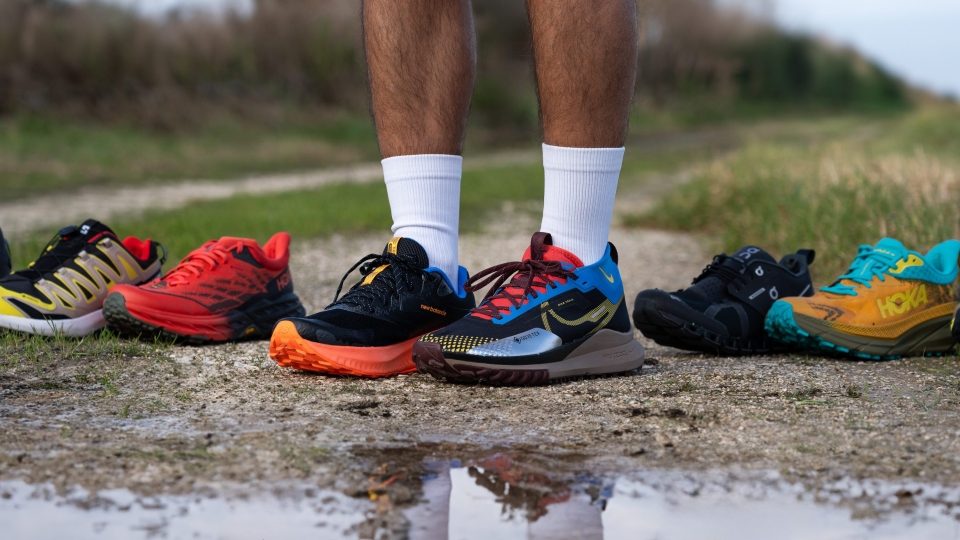
- Trail running: Choose rugged soles with deep lugs for traction.
- Hybrid: Some shoes, like the Hoka Challenger 7 GTX, are designed for mixed surfaces.
2. Measure Your Feet
Your shoe size can change over time. Measure your feet at the end of the day when they’re slightly swollen. Many brands now offer sizing charts specific to women. If you’re between sizes, consider sizing up—waterproof shoes may feel snug because of their extra layers.
3. Prioritize Comfort
Try shoes on with the socks you plan to run in. Walk or jog around the store, if possible. Watch for pressure points, slipping heels, or pinched toes. If shopping online, check the return policy and reviews from women with similar foot shapes.
4. Consider Arch Support And Cushioning
If you have high arches, flat feet, or need extra support, look for models with removable insoles. Some shoes also offer more or less cushioning—choose based on your comfort preferences and running distance.
5. Check Weight And Flexibility
Heavier shoes can tire your legs faster, especially on long runs. Flex the shoe in your hands—it should bend at the forefoot but remain sturdy around the midsole for support.
6. Evaluate Traction And Outsole Design
If you often run on wet, uneven, or slippery surfaces, prioritize grip. Deep lugs are best for mud and trails, while flatter soles work for roads.
7. Compare Price And Value
Set a budget, but remember: the right shoe can prevent injuries and last longer. Consider the cost per mile if you run often.
8. Read Reviews From Female Runners
Look for feedback from women with similar running habits. Many online stores let you filter reviews by gender and usage, which can reveal hidden pros and cons.
Common Mistakes When Buying Waterproof Running Shoes
Even experienced runners can make errors when choosing waterproof shoes. Here are some pitfalls to avoid:
- Assuming all waterproof shoes are the same: Brands use different membranes and construction methods. Always check what technology is used.
- Ignoring breathability: Some waterproof shoes trap heat and sweat. If you live in a warm climate, opt for shoes with more ventilation.
- Buying the wrong size: Waterproof membranes can make shoes fit tighter. Always try them on before buying or check sizing advice.
- Focusing only on waterproofing: Don’t sacrifice comfort, support, or grip just for waterproofing. The shoe should fit your overall needs.
- Overusing waterproof shoes: Wearing these shoes in hot, dry weather can cause sweaty feet. Rotate with regular shoes when conditions allow.
- Not maintaining the shoes: Waterproofing can wear off. Learn how to clean and re-treat your shoes to keep them effective.
Caring For Your Waterproof Running Shoes
A good pair of waterproof running shoes is an investment, so it’s worth taking care of them. Here’s how to keep them performing at their best:
Cleaning
- Remove dirt and mud: Brush off debris after every run. Use a damp cloth for stubborn spots.
- Hand wash only: Machine washing can break down the membrane. Use mild soap, warm water, and a soft brush.
- Dry carefully: Never use direct heat (like a hair dryer or radiator). Stuff shoes with newspaper and let them air dry.
Restoring Water Repellency
Over time, the DWR coating can wear away. When water no longer beads up on the surface, it’s time to re-treat:
- Use a spray-on DWR treatment designed for shoes. Follow instructions carefully.
- Don’t forget seams and tongues, as these are common entry points for water.
Storage
- Store in a cool, dry place: Avoid leaving shoes in damp basements or hot cars.
- Keep them loosely laced: This helps maintain the shape and makes drying easier.
When To Replace
Even the best waterproof shoes have a lifespan—usually 300–500 miles, depending on running style and terrain. Watch for worn tread, compressed cushioning, or leaks. Continuing to run in worn-out shoes can cause injuries.
When Are Waterproof Running Shoes Not The Best Choice?
While waterproof running shoes are a great solution in many situations, they’re not for everyone or every condition. Here are a few times when you might want to leave them on the shelf:
- Hot, dry climates: Waterproof shoes can feel stuffy and hot if there’s little chance of rain.
- Short runs in light drizzle: Regular shoes with quick-drying mesh might be more comfortable.
- Deep water crossings: No shoe is truly waterproof above the ankle. Water can pour in the top, and then it takes longer to dry out than a mesh shoe.
For these reasons, many runners keep both waterproof and regular shoes in rotation, choosing based on the forecast and their planned route.
Credit: www.brooksrunning.com
Expert Tips For Getting The Most From Waterproof Running Shoes
1. Pair with moisture-wicking socks
Cotton socks hold water, leading to blisters. Synthetic or merino wool socks keep feet drier and more comfortable.
2. Break them in gradually
Waterproof shoes can feel stiffer at first. Wear them for short walks or runs before tackling long distances.
3. Use gaiters on muddy trails
Trail gaiters prevent mud and water from splashing into your shoes at the ankle, especially helpful on rugged terrain.
4. Watch your laces
Loose laces can let water seep in near the tongue. Double-knot and adjust for a snug, even fit.
5. Rotate your shoes
Alternate between waterproof and regular shoes to extend their lifespan and reduce odor buildup.
6. Know your local climate
If you run in a region with unpredictable weather (like the Pacific Northwest), waterproof shoes are almost essential. But in consistently dry areas, a lightweight mesh shoe might be better most days.
Sometimes the best advice comes from those who have been there. Here are a few insights from women who rely on waterproof running shoes:
- Anna, a marathoner from Seattle: “I used to dread rainy runs, but my Brooks Ghost GTX kept my feet dry even during a downpour. The fit is perfect for my narrow heel, and I never had blisters.”
- Maria, trail runner in Colorado: “On rocky, muddy trails, my Salomon Speedcross shoes grip like crazy. The waterproofing keeps the snow out in winter, and they’re tough enough for rough ground.”
- Jess, beginner in Boston: “I was worried waterproof shoes would be too hot, but my ASICS Gel-Cumulus feel just like my regular shoes—only drier. They’re great for spring training when the weather changes every day.”
- Priya, commuter and runner in London: “I wear my On Cloudventure Waterproof shoes to work and on lunchtime runs. They look stylish and handle puddles without a problem.”
A non-obvious insight many beginners miss: the feeling of security waterproof shoes provide isn’t just about comfort—it can help you keep running through bad weather, building consistency and resilience.
Credit: runrepeat.com
Comparing Waterproof Running Shoes Vs. Regular Running Shoes
Choosing between waterproof and regular running shoes depends on your environment, preferences, and running goals. Here’s a side-by-side breakdown:
| Feature | Waterproof Running Shoes | Regular Running Shoes |
|---|---|---|
| Water Protection | Excellent | Poor to Moderate |
| Breathability | Good, but less than mesh | Excellent |
| Weight | Heavier | Lighter |
| Drying Speed | Slower if soaked inside | Faster |
| Best Use | Wet, cold, variable weather | Dry, warm weather |
| Price | Higher | Lower |
Frequently Asked Questions
Are Waterproof Running Shoes Completely Waterproof?
No shoe is 100% waterproof in all situations. Waterproof running shoes are designed to keep out rain, puddles, and mud, but if water enters over the ankle collar (like stepping in deep water), your feet will still get wet. They do an excellent job for most wet weather running conditions.
Do Waterproof Shoes Make Your Feet Sweat More?
Modern waterproof membranes like GORE-TEX are designed to be breathable, but they’re still less airy than mesh shoes. Most runners notice only a slight difference, especially if paired with moisture-wicking socks. In hot weather, some may find them a bit warmer.
How Long Do Waterproof Running Shoes Last?
Most waterproof running shoes last 300–500 miles, similar to regular running shoes. The waterproofing membrane can last the shoe’s lifetime if cared for properly. Regular cleaning and re-treating the DWR coating can help maintain performance.
Can You Wash Waterproof Running Shoes In The Washing Machine?
It’s not recommended. Machine washing can damage the waterproof membrane and weaken adhesives. Hand wash with mild soap and air dry for best results.
Where Can I Find More Information About Waterproof Shoe Technology?
If you want to dive deeper into the science behind waterproof materials like GORE-TEX, check out this Wikipedia article on GORE-TEX for a detailed explanation.
Final Thoughts
Running in the rain or through puddles doesn’t have to be uncomfortable or risky. The right waterproof running shoes for women can transform your experience, letting you train year-round and enjoy every run—no matter the weather. By focusing on key features like fit, breathability, and grip, and by caring for your shoes properly, you’ll get more value and performance from every pair. Don’t let wet feet hold you back from your goals. With so many excellent waterproof options available, you can keep moving forward, rain or shine.


2 Comments