Waterproof Mens Trail Running Shoes: Top Picks 2026

Waterproof mens trail running shoes keep feet dry, stable, and ready for any weather.
If you run through rain, mud, or slush, the right pair can change your day. I’ve tested gear on soaked singletrack, icy forest roads, and ankle-deep creek crossings. This guide breaks down waterproof mens trail running shoes with clear, real-world advice. You will learn how they work, what to look for, where they shine, and when to skip them for something else.
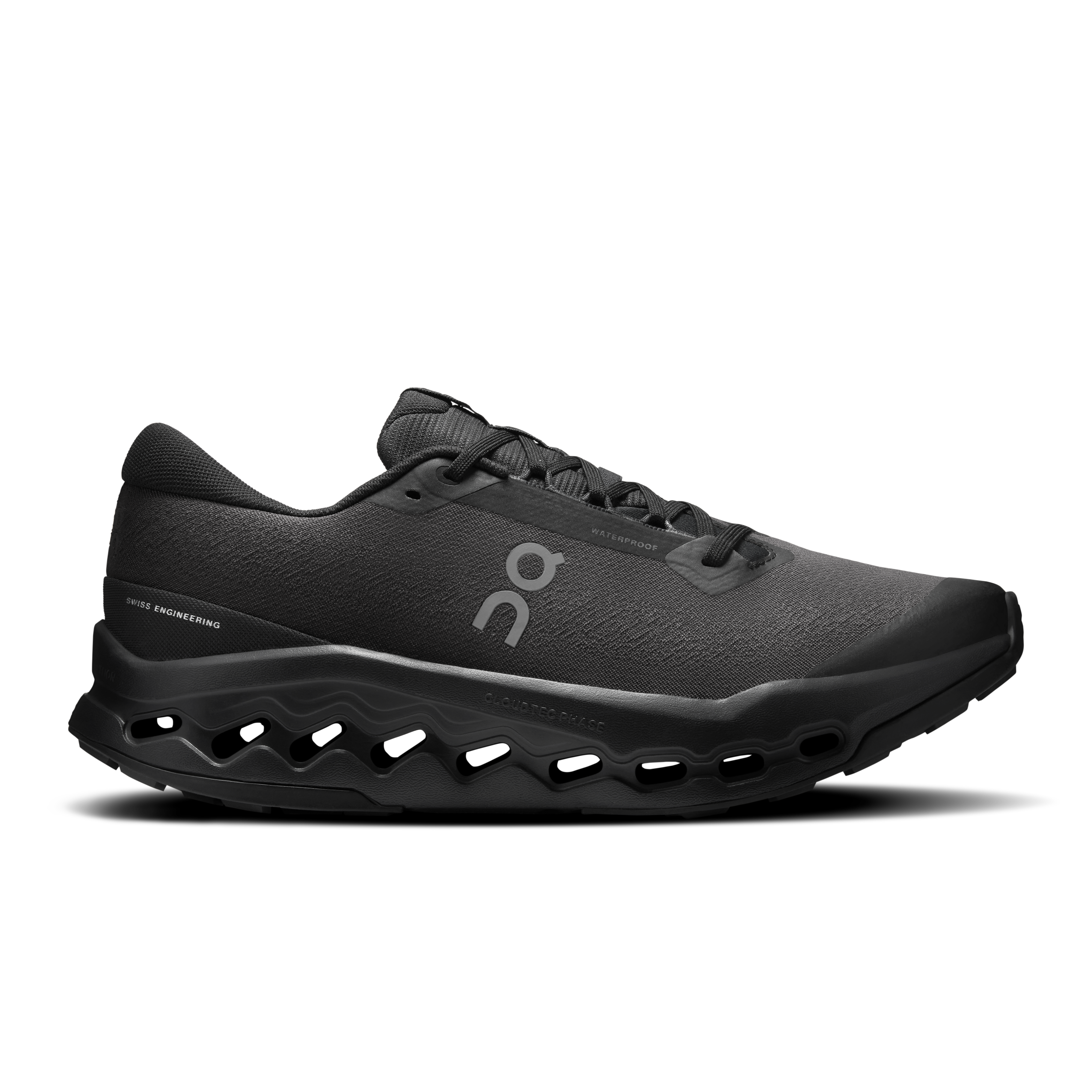
How waterproof trail shoes keep water out
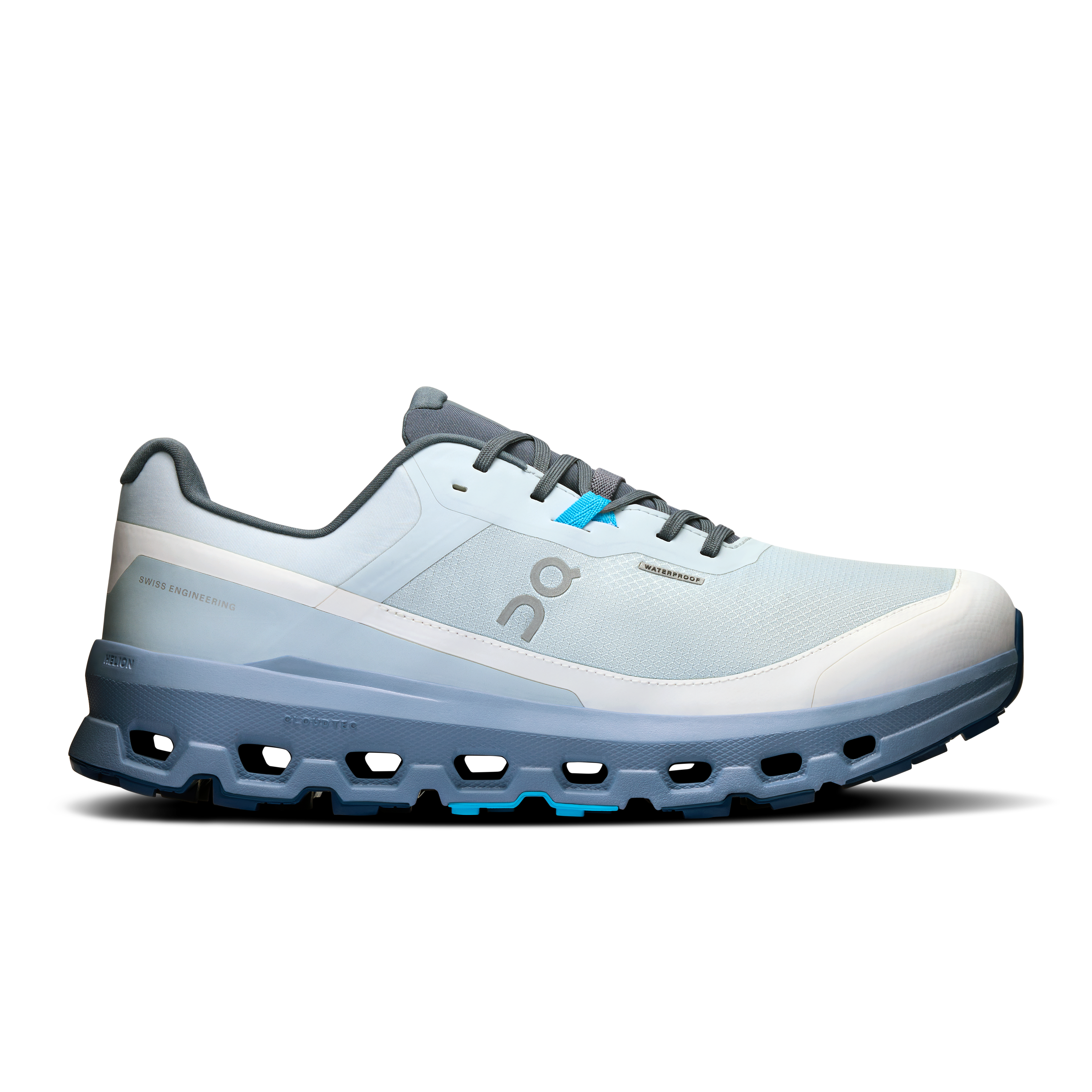
Waterproof mens trail running shoes use a thin, breathable membrane under the outer fabric. Brands often use a bootie construction that wraps your foot from tongue to heel. The seams are sealed, and the outer fabric has a water-repellent finish that beads rain. This combo blocks water from getting in while letting sweat move out.
Breathability is lower than a mesh shoe. Lab tests often show that waterproof membranes pass less moisture. On cool, wet days, the trade-off is worth it. On hot days, feet can feel warm and damp from sweat.
Small design bits matter. A gusseted tongue stops splash from seeping through the laces. A snug collar and gaiter loop help keep out grit and spray. A sturdy toe cap saves your toes when you kick a rock you never saw under the leaves.
Personal note. On a winter loop in the Cascades, a shallow creek crossed the trail five times. My waterproof pair stayed dry until I misjudged step four and dunked above the collar. Lesson learned. Even the best membrane loses to water that pours in from the top.

Key features to look for
When you shop for waterproof mens trail running shoes, check these details before you buy.
- Membrane and build. Look for a true waterproof bootie, sealed seams, and a gusseted tongue.
- Outsole grip. Deep lugs help in mud. A sticky rubber helps on wet rock and roots.
- Rock protection. A rock plate or layered foam shields your feet from sharp hits.
- Midsole foam. Softer foam feels nice on long runs. Firmer foam adds stability on rough ground.
- Fit and last. Your toes need room to splay. The heel should lock in place.
- Drop and stack height. Lower drop feels more stable on tricky trails. Higher stack adds cushion for long miles.
- Upper durability. Reinforced overlays and a strong toe bumper prevent early tears.
- Lacing system. Standard laces are easy to tune. Quick-pull systems save time with gloves.
- Gaiter-ready. A front hook or loop keeps gaiters secure in snow or sand.
If a product page does not list these points, dig deeper. Waterproof mens trail running shoes are an investment, so make sure the basics are in place.
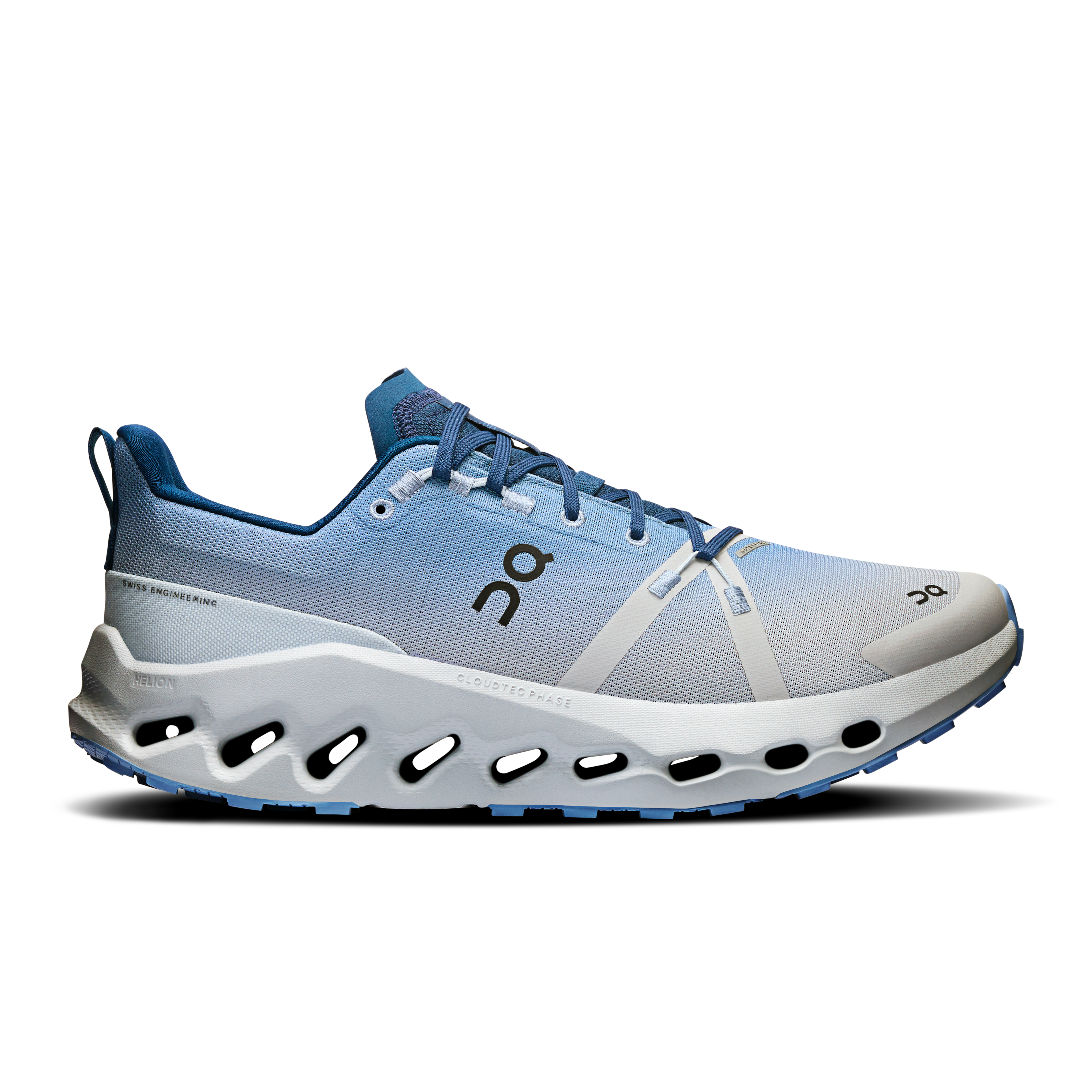
Pros, cons, and best use cases
Waterproof mens trail running shoes solve real problems on wet days. They keep rain and splash out, help feet stay warmer, and reduce pruney skin from long, cold runs. They also pull double duty for light hikes and daily wear in messy weather.
There are limits. Breathability drops compared to mesh. Shoes weigh a bit more. They also dry slower if water gets in from the collar. On hot, humid days, your feet may sweat more than you like.
Where they shine. Cold rain, wet grass, morning dew on alpine meadows, light snow, slush, and long runs in shoulder seasons. In these cases, waterproof mens trail running shoes save energy and focus. Where they do not shine. Summer heat, long climbs in the sun, and routes with many creek crossings above ankle height. In those places, a fast-draining mesh shoe can feel better.
I learned to match the shoe to the plan. For a stormy 20-miler on rolling forest trails, waterproof mens trail running shoes felt perfect. For a humid August ridge run with knee-deep fords, I picked mesh and quick-dry socks and felt happier all day.
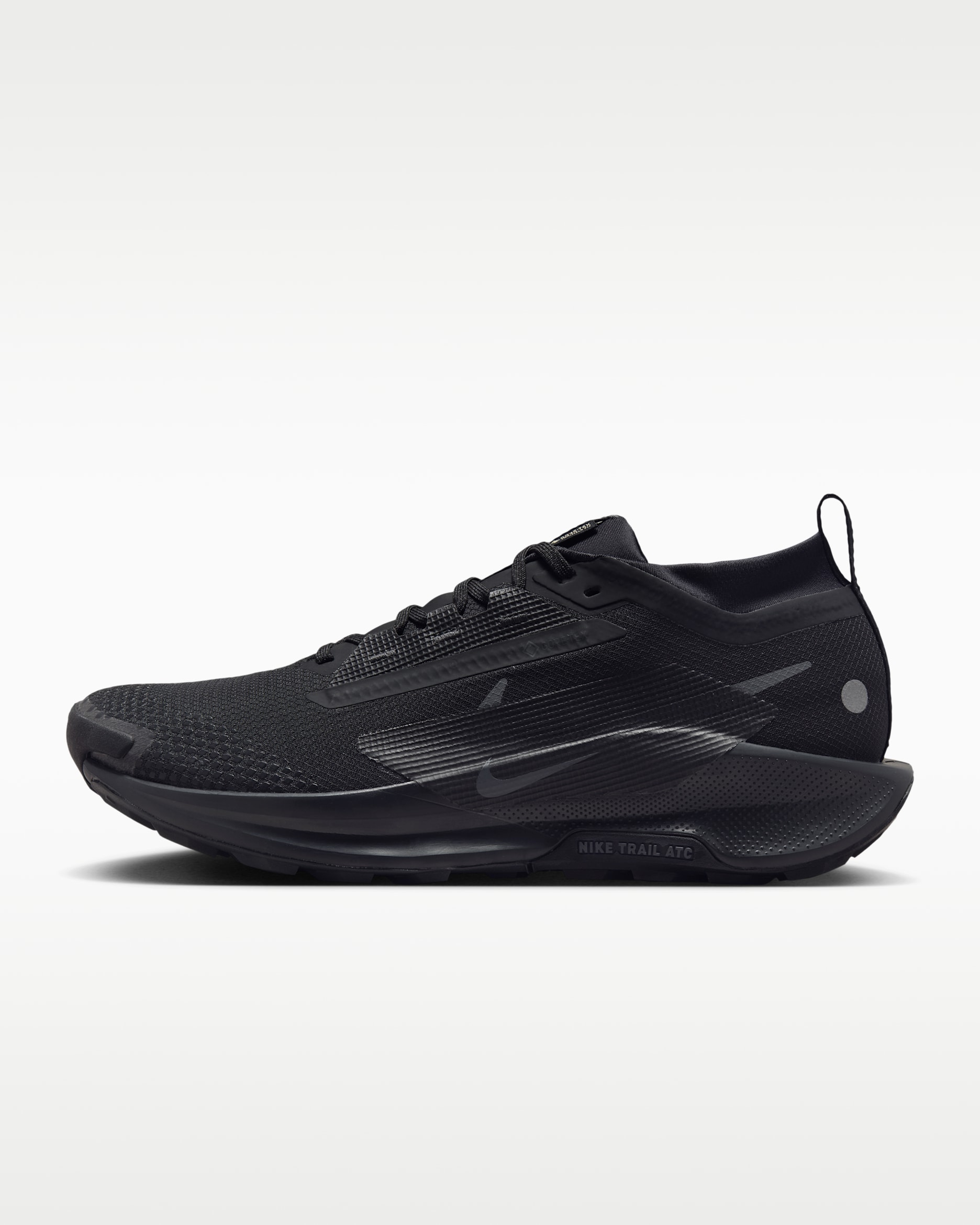
Fit, sizing, and comfort tips
Fit is comfort. Try shoes in the afternoon when feet are slightly swollen. Wear the socks you plan to run in. Leave a thumb’s width in front of your big toe for descents.
Use a heel-lock lace if your heel slips. If you add orthotics, bring them to the store. If you run long or in the cold, consider a half-size up to allow for thicker socks. Hot spots in the store become blisters at mile eight, so do not ignore them.
Mistakes to avoid. Do not size down to get a snug feel. Do not assume the membrane will stretch. It will not. Waterproof mens trail running shoes should feel secure but never tight.
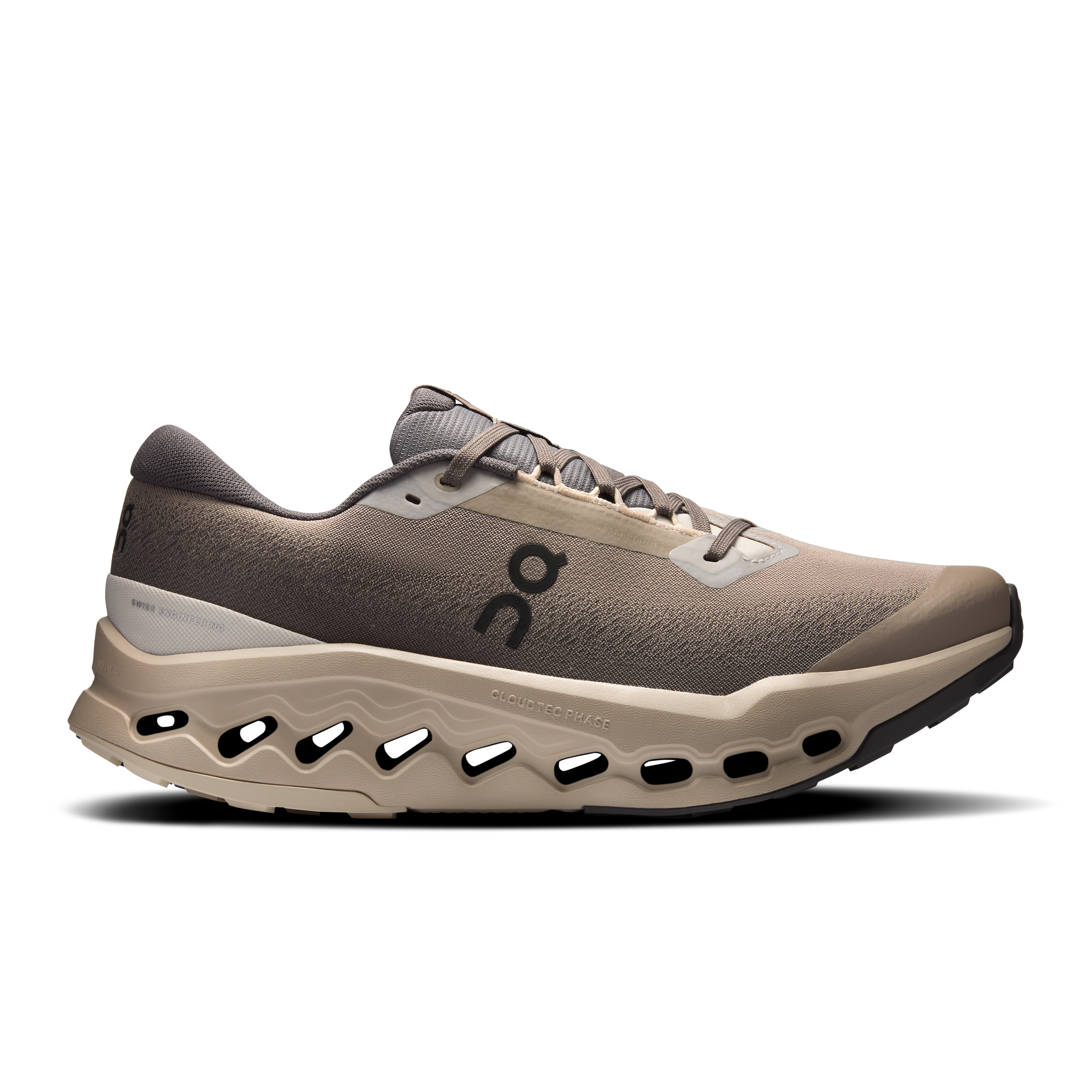
How I test on real trails
I use a simple field test plan that you can copy.
- Puddle walk and jog. Ten minutes in shallow water and wet grass to check leaks.
- Breathability check. A brisk climb, then a long descent. I note sweat build-up and heat.
- Grip test. Wet rock, roots, and loose mud to feel rubber bite and lug shape.
- Stability test. Sidehill traverses and fast corners to see if the heel stays locked.
- Protection test. Rocky fire road to judge underfoot shield and forefoot flex.
- Soak and dry. I dunk the collar, then time how long the shoe takes to dry at room temp.
These steps show strengths fast. On a stormy week last fall, one pair kept my socks dry for an hour in drizzle, but the grip on wet cedar roots felt sketchy. I passed on that model. Waterproof mens trail running shoes need both dry feet and sure footing.

Care, maintenance, and longevity
Clean shoes last longer. Rinse off mud with cool water after runs. Remove insoles and air dry at room temperature. Do not use a heater. Stuff paper towels to speed up drying.
Refresh the water-repellent finish when water stops beading. Use a spray made for footwear. Wash the uppers with a gentle cleaner before you re-proof. Expect 300 to 500 miles from most pairs, depending on your weight, terrain, and cadence. Rotate shoes to let foam rebound and to reduce odor.
If the outsole is fine but the upper leaks, a fresh DWR can help. If the midsole feels flat, it is time to replace. Waterproof mens trail running shoes work best when they are clean and cared for.
Match the shoe to your terrain and climate
Think about where you run most.
- Rain forests and misty hills. A waterproof shoe is your friend on slick roots and soaked brush.
- Cold winters with slush. The membrane adds warmth and blocks wind. Pair with merino socks.
- Dry summers with creek fords. Mesh may win. Fast-drain shoes and thin socks feel cooler.
- Mixed seasons. Keep one waterproof pair and one breathable pair. Pick based on the day.
In the Pacific Northwest, I use waterproof mens trail running shoes from October to April. In the Rockies, I grab them for shoulder seasons and snow-packed paths in town. In humid heat, I switch to airy mesh and carry dry socks.
Budget and value choices
Prices range from entry to premium. What you often get as you pay more.
- Entry level. Solid membrane, simpler foam, basic outsole. Great for daily wet runs.
- Mid tier. Better rubber, improved fit, rock plate, stronger upper. Sweet spot for most.
- Premium. Light build, top foam, advanced lugs, and a refined ride. Best if you run many wet miles.
Watch for off-season sales. Check return policies so you can test fit at home. Avoid deals that look unreal. Counterfeit gear fails fast and leaks early. If you run wet trails often, waterproof mens trail running shoes are worth paying for once, not twice.
A simple 5-step checklist to choose right
Use this quick plan before you buy.
- Define your main terrain and weather. Mud, roots, rock, snow, or all of the above.
- Decide how wet it gets. Light rain, puddles, or frequent deep crossings.
- Pick cushion and drop that match your style. Stable for tech, plush for long days.
- Dial the fit. Try with real socks. Lock the heel. Check toe room on a downhill ramp.
- Test and adjust. Run a short loop. If it rubs or runs hot, swap sizes or models.
Follow this and you will land on waterproof mens trail running shoes that fit your needs, not just the hype.
Frequently Asked Questions of waterproof mens trail running shoes
Are waterproof trail shoes worth it?
Yes, if you run in rain, slush, or cold mud, they help a lot. Dry feet reduce blisters and keep you warm and focused.
What is the difference between waterproof and water-resistant shoes?
Waterproof shoes use a sealed membrane that blocks water. Water-resistant shoes shed light rain but can soak through faster.
Can I use waterproof trail shoes for hiking?
Yes, many runners hike in them because they are light and grippy. They also flex well and feel fast on rolling trails.
Do waterproof shoes breathe enough for summer runs?
They breathe less than mesh and can feel warm on hot days. For heat, many runners choose mesh and quick-dry socks instead.
How long do waterproof trail shoes last?
Most last 300 to 500 miles, depending on use and terrain. Clean shoes, dry them right, and rotate pairs to extend life.
Can I machine wash waterproof trail shoes?
Hand wash with cool water and mild cleaner for best results. Machine cycles can damage glue, foam, and the membrane.
What socks work best with waterproof shoes?
Thin to midweight merino or tech blends manage sweat and reduce blisters. Avoid bulky cotton, which stays wet and cold.
Will water get in from the top of a waterproof shoe?
Yes, if you step into deep water above the collar. Gaiters and careful foot placement help a lot.
Do waterproof membranes lose performance over time?
The membrane holds up well, but the outer fabric’s water-repellent finish wears off. Reapply a DWR treatment when water stops beading.
Are waterproof mens trail running shoes heavier than mesh?
Usually they weigh a bit more due to the membrane and overlays. The gain is small, and many runners do not notice it during easy to moderate runs.
Conclusion
Pick the right tool for the weather, and your runs feel easy. Waterproof mens trail running shoes keep feet dry, warm, and steady when trails turn wild. Know the trade-offs, test fit, and match the shoe to your route.
Take action today. Define your terrain, set your weather needs, and try two models back to back. If this guide helped, share it with a friend, subscribe for more gear tips, or drop your questions in the comments.