Gore Tex Trail Running Shoes Womens: Best Buying Guide

GORE-TEX trail running shoes for women help keep feet dry, warm, and steady on wet, rough trails.
Choosing the right pair takes more than picking a waterproof label. Fit, grip, cushioning, breathability, weight, and trail type all shape your run. After comparing common designs and learning from muddy, rocky, and rainy trail runs, I found that the best gore tex trail running shoes womens models balance weather protection with a natural, comfortable stride. This guide will help you choose that balance with confidence.
What Are GORE-TEX Trail Running Shoes for Women?
GORE-TEX trail running shoes for women use a waterproof and breathable membrane inside the shoe. The membrane has tiny pores. These pores help block liquid water while allowing some water vapor from sweat to escape.
The result is not a fully dry foot in every condition. Heavy rain, deep puddles, wet socks, and sweat can still make your feet damp. Still, a well-made GORE-TEX shoe can reduce water entry during rain, wet grass, and shallow mud.
Women’s trail shoes also use a fit made for the shape of many women’s feet. They often have a narrower heel, a different arch shape, and a slightly lower overall volume than unisex shoes. These details vary by brand, so the label alone does not guarantee a perfect fit.
GORE-TEX trail running shoes womens models usually include several key parts:
• A waterproof membrane that sits between the upper and lining
• A sealed or protected tongue to limit water entry
• A lugged rubber outsole for trail grip
• A protective toe cap for rocks and roots
• Midsole foam for cushioning and shock control
• A secure heel counter to reduce foot movement
GORE-TEX is most useful when the weather is wet but the trail remains runnable. For hot, dry summer routes, a non-waterproof shoe may feel cooler and dry faster.
Benefits of GORE-TEX Trail Running Shoes for Women
The main benefit is simple: they help keep outside moisture away from your feet. That can make a major difference when you run through wet leaves, damp grass, or steady rain.
Dryer feet may also feel warmer. This matters on cold morning runs, winter trails, and high-elevation routes. Wet socks can rub against the skin and increase the chance of blisters, especially during long runs.
Other useful benefits include:
Better protection in wet weather
A waterproof upper can slow water from reaching your socks. This helps during short creek crossings and wet trail sections. It works best when water does not flow over the shoe collar.
More comfort on muddy routes
Mud and wet soil can soak ordinary mesh uppers quickly. GORE-TEX trail running shoes womens models give you another layer of defense. They may help you stay focused on your footing instead of thinking about cold, wet toes.
Improved cold-weather comfort
Waterproof shoes often feel warmer than highly ventilated mesh shoes. That extra warmth can be welcome in fall and winter. However, warm does not always mean breathable enough for summer.
Strong trail protection
Many waterproof trail shoes also include sturdy uppers, rock guards, and firm outsoles. These features can protect your feet on uneven ground. The membrane itself does not create grip, but the shoe design around it often supports technical trail use.
Less gear worry
A dependable shoe can make poor weather feel less intimidating. In my own trail testing, the mental benefit was real. When I knew light rain would not immediately soak my socks, I could enjoy the route rather than rush through it.
Limitations You Should Know Before Buying
Waterproof shoes are not perfect. Understanding their limits can prevent disappointment and help you choose wisely.
First, water can enter from the top. If you step into a deep puddle, cross a stream, or run through tall wet grass, water may spill over the collar. Once inside, the waterproof membrane can slow drying.
Second, breathability has limits. GORE-TEX allows moisture vapor to escape, but it does not remove sweat as quickly as open mesh. On a hot day, your feet may feel warmer and damper.
Third, waterproof shoes may cost more. The membrane, construction, and seam protection add complexity. A more expensive shoe is not always better if it does not match your trail and foot shape.
Weight can also be a concern. Some GORE-TEX trail running shoes womens versions feel slightly heavier than similar non-waterproof models. That difference may seem small in a store but become more noticeable after many miles.
Consider a non-waterproof shoe when:
• You run mostly in hot, dry weather
• You often cross deep streams
• You need shoes that dry very quickly
• You dislike warm feet
• Your routes have little rain or wet vegetation
My biggest lesson is to avoid treating waterproofing as the only buying factor. A wet-weather shoe with poor fit can cause more trouble than a breathable shoe that fits well.
How to Choose the Best GORE-TEX Trail Running Shoes Womens Model
The best gore tex trail running shoes womens pair is the one that fits your foot and matches your usual trail. Start with those two points before comparing colors, brand names, or small design features.
1. Match the shoe to your trail
Look at the surface, distance, and weather.
For smooth park trails, choose moderate lugs and flexible cushioning. For rocky mountain paths, seek stronger protection, a stable platform, and deeper lugs. For muddy routes, wide-spaced lugs can shed mud better than shallow, closely packed patterns.
A useful trail match looks like this:
• Road-to-trail routes: Light shoes with flexible foam and moderate lugs
• Rocky trails: Protective toe caps, firm sidewalls, and stable cushioning
• Muddy trails: Deep rubber lugs with open spacing
• Long runs: Comfortable cushioning, secure fit, and reduced pressure points
• Winter trails: Warm lining, strong grip, and room for thicker socks
2. Check the fit carefully
Try shoes later in the day, when feet are slightly larger. Wear the socks you plan to use on the trail. Your toes should have room to spread and move without hitting the front.
Walk downhill or use a store ramp if available. Your heel should stay in place without painful pressure. If your toes touch the front during a downhill test, the shoe may be too short.
Look for:
• A snug heel that does not slip
• A midfoot that feels secure but not tight
• Enough toe room for swelling
• No pressure across the little toes
• A smooth lining with no irritating seams
Women with wide feet should not assume every women’s shoe will work. Some brands offer wide sizes, while others have a narrow toe box. A unisex or men’s version may fit better in some cases, but compare the actual measurements.
3. Evaluate the outsole
The outsole controls your connection with the ground. Rubber type and lug shape matter more than a simple claim such as “all-terrain.”
Short lugs work well on firm dirt and paved connectors. Deep lugs can improve traction in mud and soft soil. Aggressive lugs may feel awkward on hard pavement and wear faster there.
No trail shoe grips every surface equally. Wet roots and smooth rocks can remain slippery, even with excellent rubber. Slow your pace and shorten your stride when the ground becomes slick.
4. Choose suitable cushioning
Cushioning affects comfort, balance, and ground feel. Soft foam can make long runs feel easier, but too much softness may reduce stability on uneven ground.
Lower-stack shoes can feel more connected to the trail. Higher-stack shoes may offer more comfort over rocks and long distances. Neither choice is automatically better.
For beginners, moderate cushioning is often a practical middle ground. It offers comfort without making the shoe feel overly tall or unstable.
5. Inspect the upper and tongue
A waterproof membrane works best when the full upper supports it. Check for a gusseted tongue, protected seams, and a collar that fits closely around the ankle.
The tongue should stay centered while you walk and run. If it slides to one side, pressure may build across the foot. A secure lacing system can help, but laces should never cause numbness.
GORE-TEX Trail Running Shoes Womens Versus Regular Trail Shoes
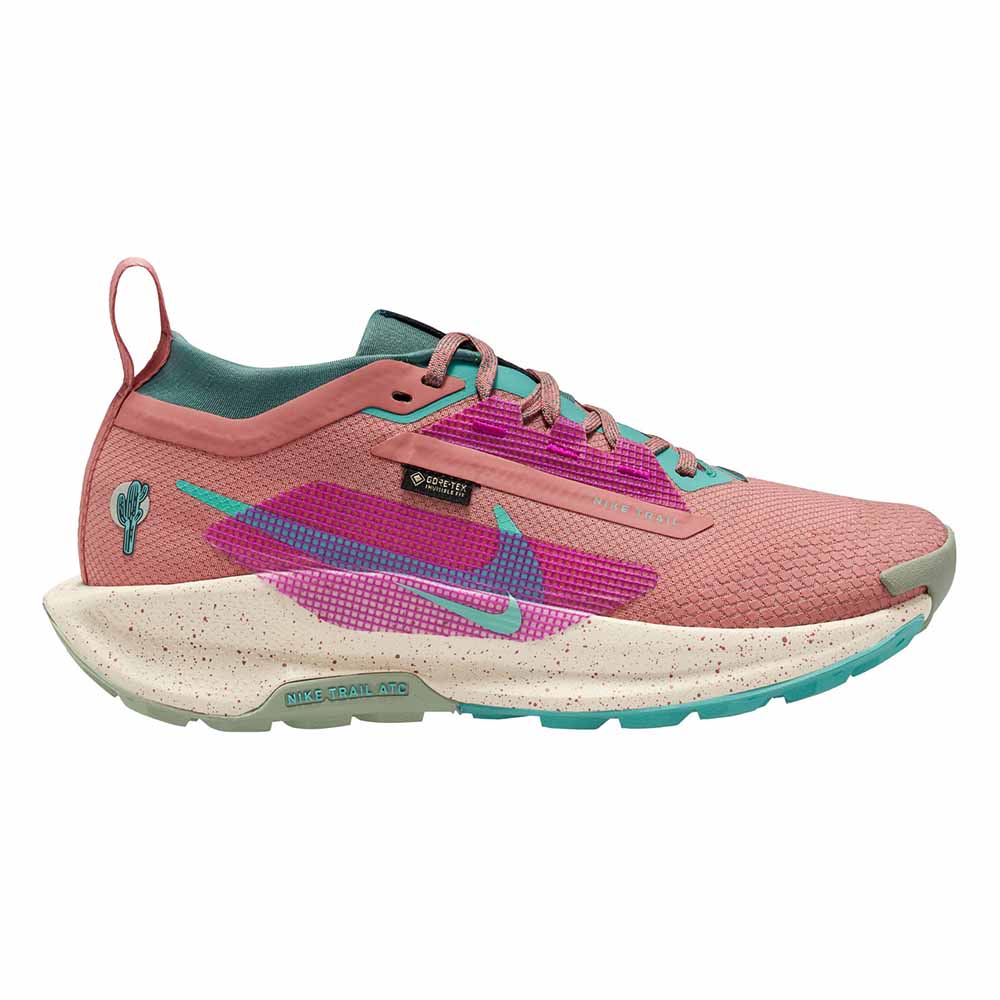
The main difference is the waterproof membrane. Regular trail shoes often use mesh that allows more air to flow through. GORE-TEX trail running shoes womens designs use a barrier that gives more protection from outside moisture.
Here is a simple comparison:
| Feature | GORE-TEX trail shoes | Regular mesh trail shoes |
|---|---|---|
| Rain protection | High in light to moderate rain | Low to moderate |
| Breathability | Moderate | Usually higher |
| Drying speed after soaking | Often slower | Usually faster |
| Cold-weather comfort | Often better | Can feel cooler |
| Weight | May be slightly higher | Often lighter |
| Hot-weather use | Can feel warm | Usually more comfortable |
| Price | Often higher | Available across more prices |
A waterproof shoe is not automatically more durable, stable, or comfortable. Those traits depend on the outsole, midsole, upper, and fit.
Think of the membrane as a rain jacket for your foot. A rain jacket helps in a storm, but you may not want to wear it on a very hot day. The same logic applies to trail footwear.
How to Break In and Care for GORE-TEX Trail Shoes
Most modern trail shoes do not need a long break-in period. Still, wear them on short walks before using them for a long run. This helps you find pressure points early.
Start with this simple process:
-
Wear the shoes indoors for 20 to 30 minutes.
-
Walk on firm ground and check for heel movement.
-
Run for 20 minutes on an easy route.
-
Inspect your feet for redness or hot spots.
-
Use them on a longer trail only after they feel secure.
Do not dry waterproof shoes directly on a heater or radiator. High heat can damage adhesives, materials, and the membrane. Remove the insoles, loosen the laces, and let the shoes air-dry at room temperature.
For cleaning:
• Brush off dry dirt before washing
• Use cool or lukewarm water
• Clean the upper with a soft brush
• Avoid bleach, harsh soap, and fabric softener
• Let the shoes dry fully before storing them
Mud left in the outsole can reduce grip. Clean the lugs after muddy runs with water and a soft brush. If the upper loses water resistance over time, use a product made for technical outdoor footwear and follow its instructions.
Never put GORE-TEX trail running shoes womens models in a washing machine unless the manufacturer clearly allows it. Machine washing can damage the structure and reduce the life of the shoe.
Common Mistakes to Avoid
Many fit problems come from small mistakes rather than bad shoes. Avoiding these errors can save money and prevent painful runs.
Buying too small
Feet can swell during long runs. A shoe that feels perfect for five minutes may feel cramped after an hour. Leave enough space in front of the toes without allowing the foot to slide.
Choosing waterproof shoes for every season
Waterproof protection is useful, but it can feel hot in summer. Consider your climate and running schedule. A breathable non-waterproof shoe may suit warm, dry routes better.
Ignoring socks
Cotton socks hold moisture and can increase rubbing. Choose moisture-managing trail socks that fit smoothly inside the shoe. Thick socks may also change the fit, so test them before race day.
Testing only on flat ground
A trail shoe must work uphill, downhill, and on uneven ground. Walk down a slope during fitting if possible. This often reveals toe pressure and heel slip faster than standing still.
Trusting the brand size alone
Sizing can change between brands and even between models. Measure both feet and use the larger foot as your guide. Read the current size chart instead of relying only on a familiar number.
Expecting waterproof shoes to prevent blisters
Waterproofing can reduce outside moisture, but blisters may still result from poor fit, sweat, seams, or long descents. Foot care remains important.
Are GORE-TEX Trail Running Shoes Good for Hiking?
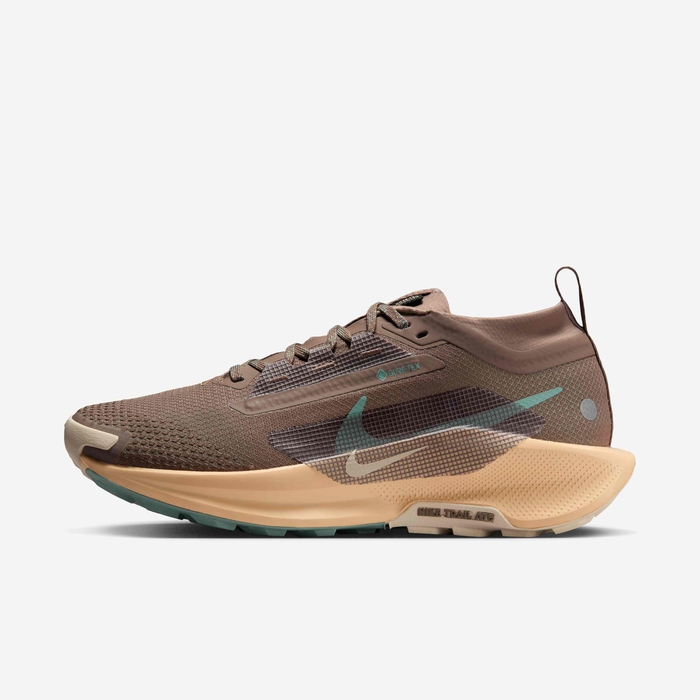
Yes, many gore tex trail running shoes womens models work well for day hikes. They are often lighter and more flexible than hiking boots. That makes them comfortable for fast walks, easy trails, and warm-weather outings with wet ground.
They may not provide enough ankle support or protection for heavy packs, steep scree, or severe winter conditions. In those cases, hiking shoes or boots may be a safer choice.
Consider your load and terrain. A light pack on a maintained trail suits trail runners. A heavy pack on rough terrain may call for a more supportive shoe.

How Much Should You Spend?
Prices vary widely. Entry-level models may offer basic waterproofing and simple cushioning. Premium options may include better rubber, lighter materials, stronger protection, and more refined foam.
Set your budget around use, not appearance. A runner who logs miles every week may benefit from a durable outsole and reliable midsole. Someone who takes occasional rainy walks may not need the most advanced model.
Before buying, compare:
• Fit and return policy
• Waterproof construction
• Outsole rubber and lug depth
• Midsole comfort
• Shoe weight
• Expected durability
• Customer feedback from runners with similar trails
A sale price is valuable only if the shoe fits. A cheap pair that causes pain is still an expensive mistake.
Frequently Asked Questions About GORE-TEX Trail Running Shoes Womens
Are GORE-TEX trail running shoes for women fully waterproof?
They are designed to resist water, but no trail shoe stays fully waterproof in every situation. Water can enter through the collar, seams, deep puddles, or worn materials.
Are GORE-TEX trail running shoes womens models breathable?
Yes, the membrane allows some water vapor to pass through. However, they usually feel warmer and less airy than open-mesh trail shoes, especially in hot weather.
Can I wear GORE-TEX trail shoes in summer?
You can, but they may feel too warm in hot or humid conditions. They are more useful in cool rain, wet grass, and mild temperatures.
Do GORE-TEX trail running shoes prevent blisters?
They may reduce wetness from rain and puddles, but they cannot prevent all blisters. Proper fit, smooth socks, careful lacing, and gradual mileage still matter.
How long do GORE-TEX trail running shoes last?
Many trail runners replace shoes after roughly 300 to 500 miles, but the range varies. Terrain, body weight, running style, outsole wear, and midsole compression all affect lifespan.
Can I wash GORE-TEX trail running shoes?
Clean them by hand with cool water and a soft brush unless the care label says otherwise. Avoid harsh chemicals, high heat, and machine washing because they can damage the membrane or shoe adhesives.
Are waterproof trail shoes good for snow?
They can work for light snow and cold, wet trails when paired with suitable socks. Deep snow, ice, and very cold conditions may require insulated footwear with stronger traction.
Should I size up in women’s waterproof trail shoes?
Many runners prefer a little extra toe room for swelling and downhill movement, but sizing up too much can cause sliding. Try the shoes with your trail socks and check heel security before deciding.
Conclusion
The best gore tex trail running shoes womens pair should match your foot, weather, terrain, and running goals. GORE-TEX protection can help during rain, mud, cold mornings, and wet trails, but it may feel warmer and dry more slowly than breathable mesh.
Focus on fit first. Then compare grip, cushioning, stability, weight, and care needs. Test shoes with trail socks, leave room for your toes, and avoid using waterproof models when your routes are consistently hot and dry.
Use these tips to narrow your choices, then explore trusted outdoor retailers and current model reviews before buying. A well-fitted pair can make wet trails feel safer, warmer, and far more enjoyable.