Grey And Black Running Shoes: Style Meets Comfort

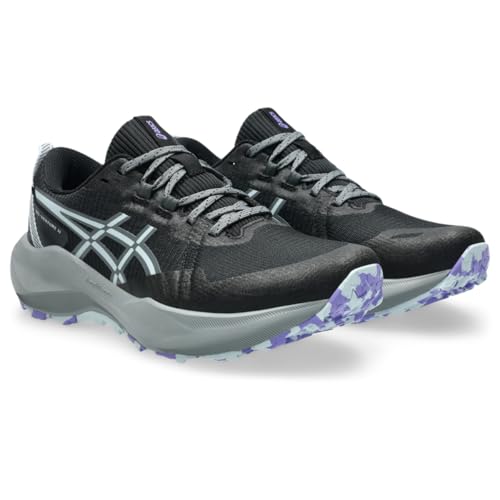
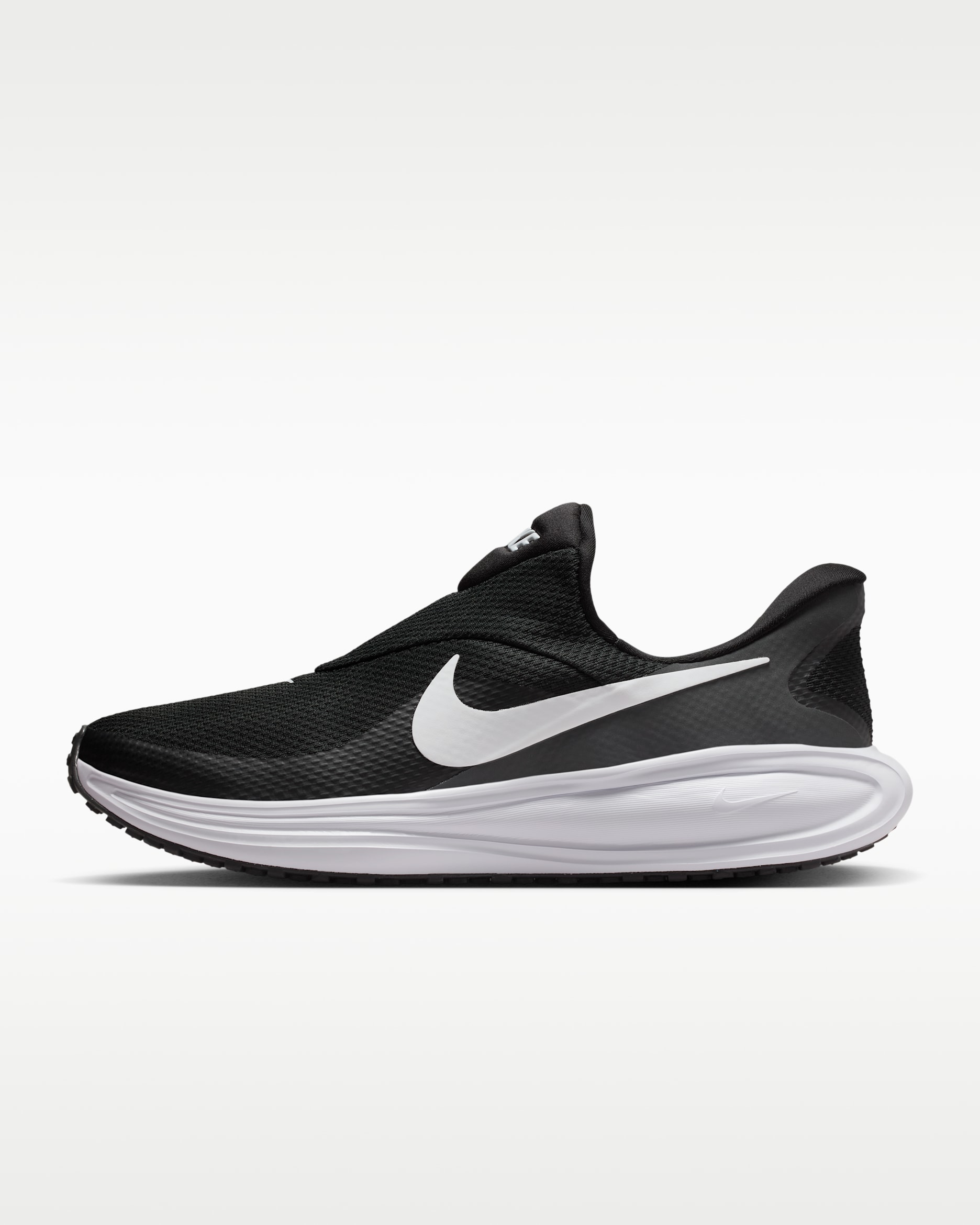
Grey and black running shoes offer a clean look, easy matching, and reliable options for daily miles.
Grey and black running shoes blend simple style with the support, comfort, and grip runners need on roads, treadmills, and light trails. After comparing fit, cushioning, breathability, and outsole wear across many types of running footwear, one lesson stands out: color matters less than the shoe’s shape and purpose. This guide will help you choose a pair that looks good and feels right from the first mile to the last.
Why Choose Grey and Black Running Shoes?
Grey and black running shoes are popular because they suit almost every outfit. They work with running shorts, workout clothes, jeans, and casual travel wear. This makes them useful for people who want one pair for training and daily life.
The darker colors also hide dust, road marks, and small stains better than white shoes. Grey adds a softer look, while black gives the shoe a bold and simple finish. Many brands use both shades to create a balanced design that looks modern without feeling flashy.
Still, style should not be the main reason you buy a running shoe. A good pair must match your foot shape, running style, surface, and comfort needs. A stylish shoe that causes heel pain or toe pressure is not a good choice.
Grey and black running shoes may also feel cooler in style, but black materials can absorb more heat in strong sun. This is rarely a major issue during normal runs, yet it may matter if you train outdoors in a hot climate.
Key Features to Look For
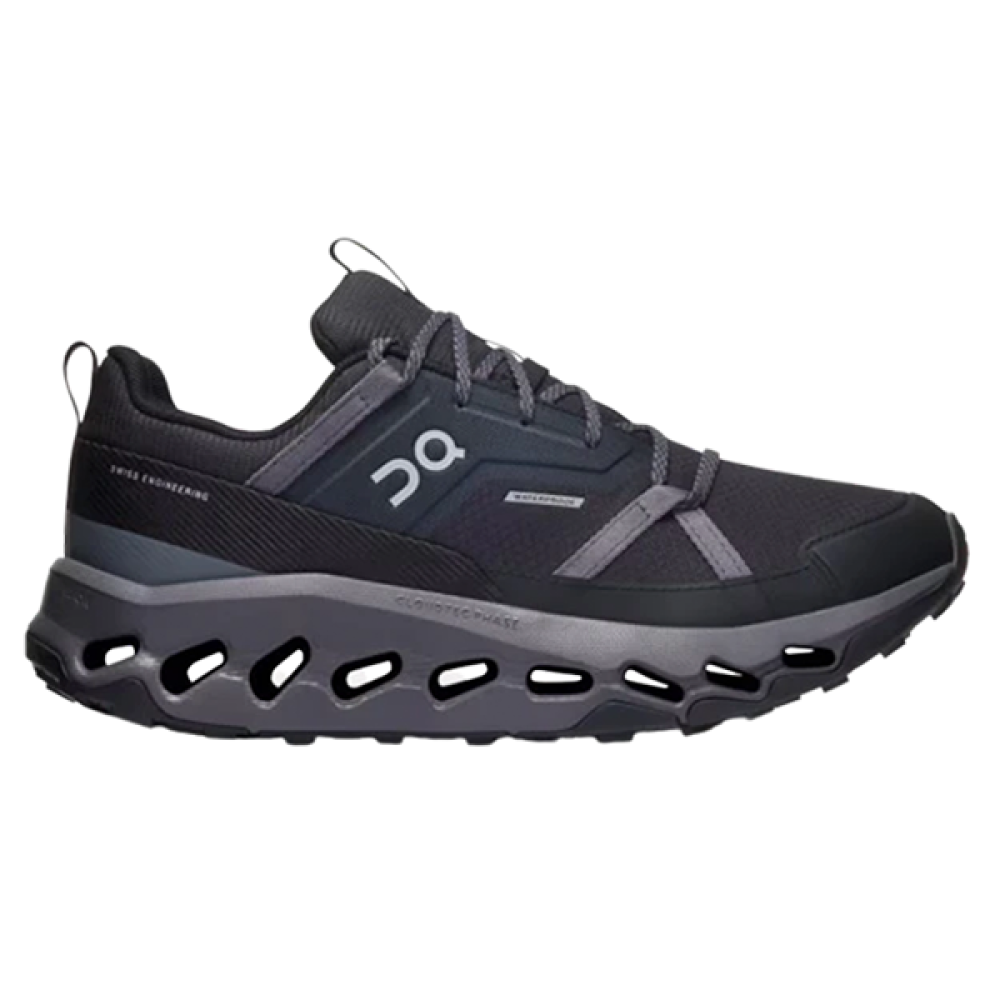
The best grey and black running shoes combine fit, cushioning, stability, and durability. Each feature affects how your feet feel during and after a run.
Fit and toe room
Your toes need space to spread as your feet swell during exercise. Leave about a thumb’s width between your longest toe and the front of the shoe. The heel should feel secure without rubbing.
Try shoes later in the day when your feet are slightly larger. Wear the socks you plan to use for running. Walk, jog, and bend your toes before you decide.
Cushioning
Cushioning helps soften the feel of repeated impact. Some runners like a firm, fast ride. Others prefer a soft feel for long runs and easy days.
More cushioning is not always better. A very soft shoe can feel unstable for some runners, while a firm shoe may feel harsh if you are not used to it. The right level depends on your weight, pace, training distance, and personal comfort.
Stability
Stability features can help guide the foot through its natural movement. They may include a wider base, firmer foam, or added support around the heel.
Do not assume that every runner needs a motion-control shoe. If you have repeated pain, unusual wear, or a medical concern, speak with a podiatrist or physical therapist. A professional assessment is more useful than guessing from the sole pattern.
Breathability
Mesh uppers allow air to move around the foot. This can reduce heat and sweat during warm runs. A breathable upper is especially useful for summer training or indoor treadmill sessions.
However, thin mesh may offer less protection in cold or wet weather. Look for a balance between airflow, structure, and weather resistance.
Outsole grip
The outsole is the part that meets the ground. Road shoes often use lighter rubber for a smooth ride. Trail shoes have deeper lugs for dirt, mud, and loose ground.
For mixed use, choose grey and black running shoes with moderate rubber coverage and a clear tread pattern. Avoid using soft road shoes on rocky trails, where the upper and outsole may wear quickly.
Grey vs. Black: Is One Color Better?
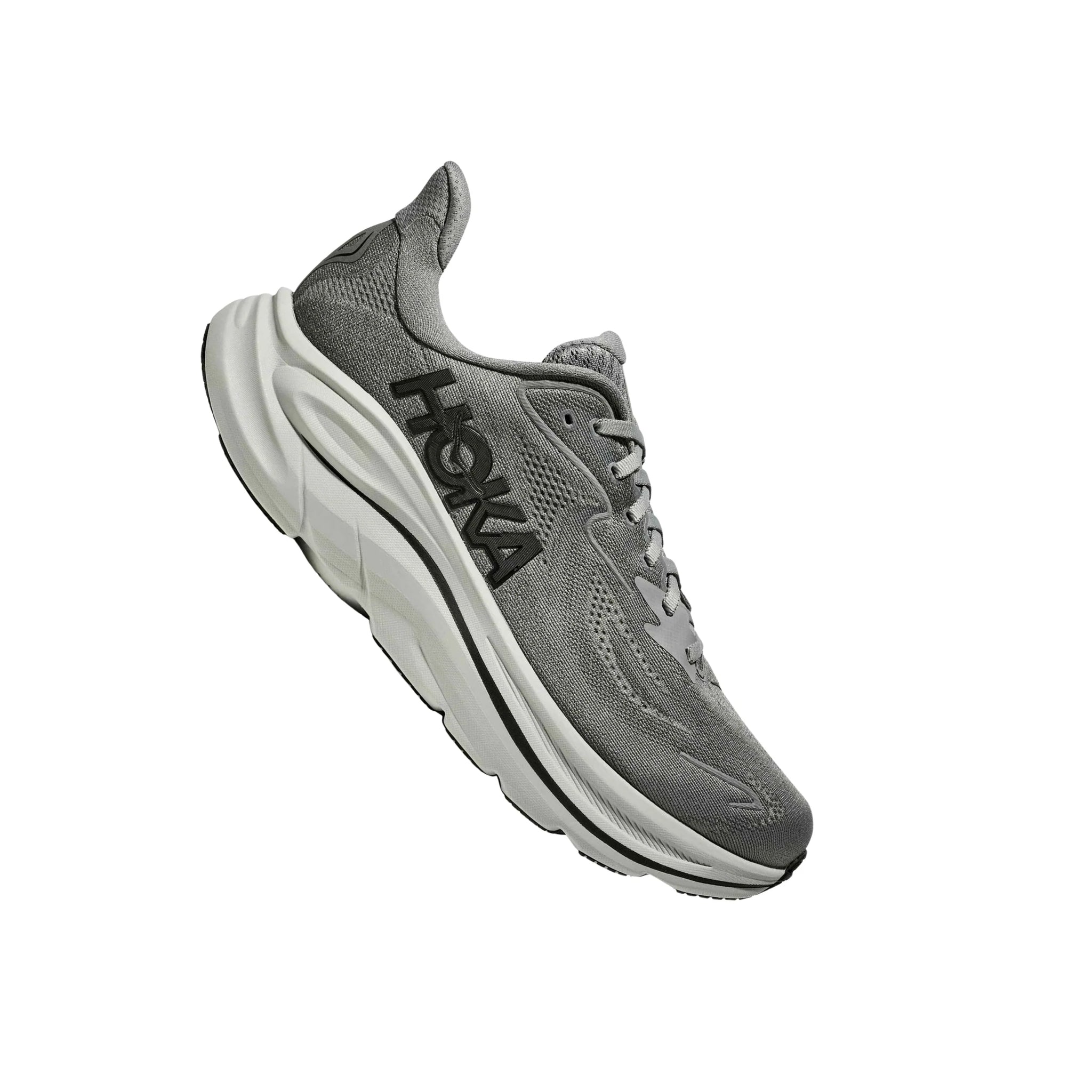
Grey and black running shoes usually perform the same when they use the same materials and design. Color does not decide cushioning, arch support, or running speed.
The difference is mainly practical and visual:
• Black shoes hide marks and often look sharp with casual clothing.
• Grey shoes can show dust more clearly but may look lighter and less formal.
• Black uppers may feel warmer in direct sunlight.
• Grey and black panels can make scuffs less noticeable than a single light color.
• Reflective details may stand out more on dark shoes during low-light runs.
Check the shoe label and product details instead of judging performance by color. The same model may come in several colors, with identical foam, tread, and support.
One mistake I often see in shoe shopping is choosing the color first and checking the fit later. That approach can lead to sore toes, heel slips, or a shoe that does not suit your stride. Start with function, then choose the grey or black version you like best.
Best Uses for Grey and Black Running Shoes
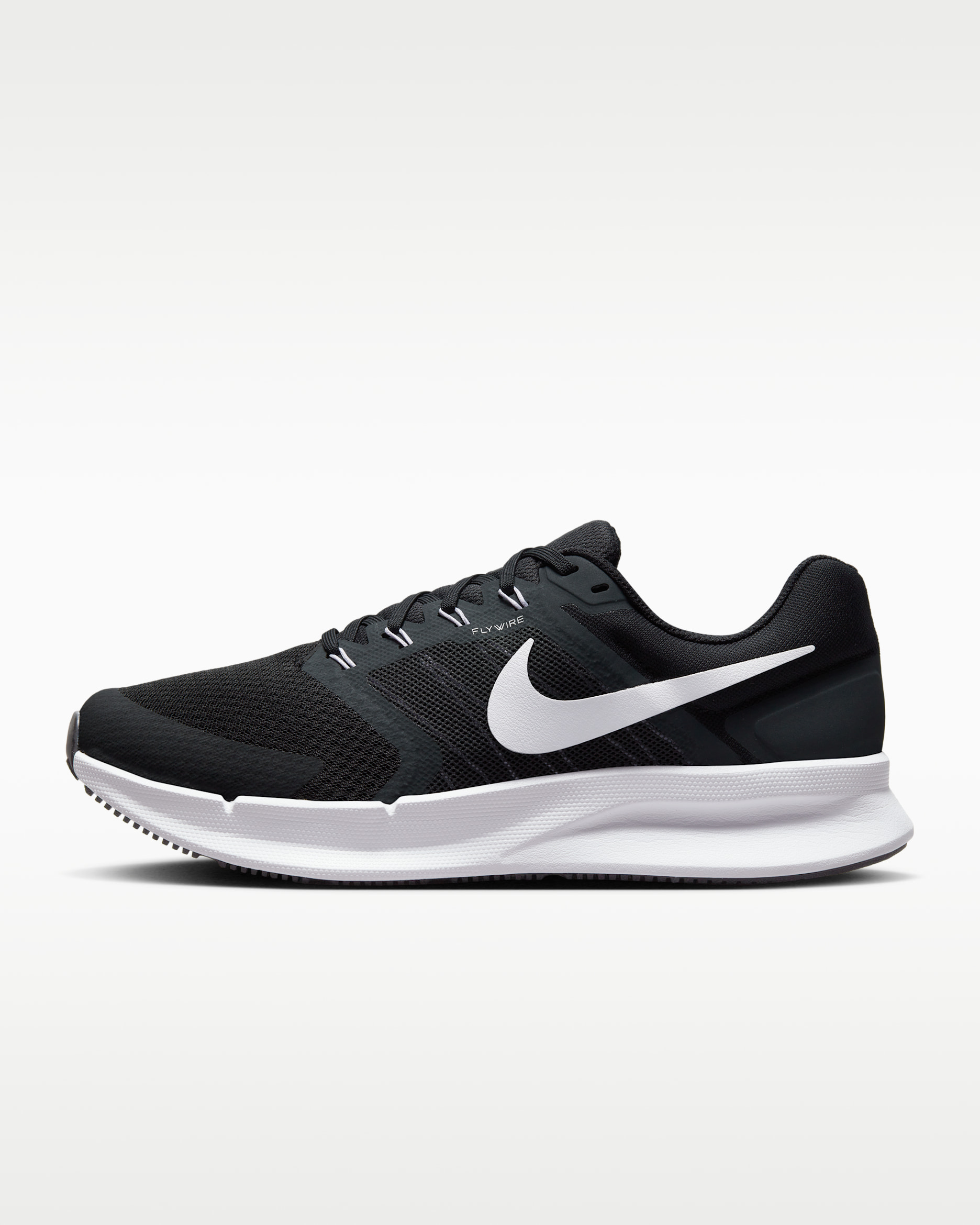
Grey and black running shoes can serve many needs, but the best type depends on where you run.
Road running
Road shoes are light and smooth. They work well on sidewalks, pavement, tracks, and paved paths. Their foam often feels springy and flexible.
Choose road shoes if most of your training takes place on firm, even ground. Look for a secure heel, comfortable midfoot, and enough cushioning for your usual distance.
Treadmill running
Treadmills have a consistent surface, so you usually do not need deep lugs. A flexible road shoe with moderate cushioning works well.
Treadmill sessions can make feet feel warm because indoor air may not move much. A breathable upper can improve comfort during longer workouts.
Walking and daily wear
Many people use grey and black running shoes for walking, commuting, and travel. This can work well if the shoe feels comfortable at a slower pace.
Check the bend point before using a running shoe for all-day wear. It should flex near the front of your foot, not directly under the arch. Also, make sure the heel does not rub during long walks.
Light trails
Some road-to-trail shoes can handle packed dirt, gravel, and smooth park trails. They usually have more grip than road shoes but remain comfortable on pavement.
Do not expect them to perform like true trail shoes on mud, steep slopes, or wet rocks. For difficult trails, use a shoe with deeper lugs, stronger toe protection, and a more secure upper.
How to Choose the Right Pair
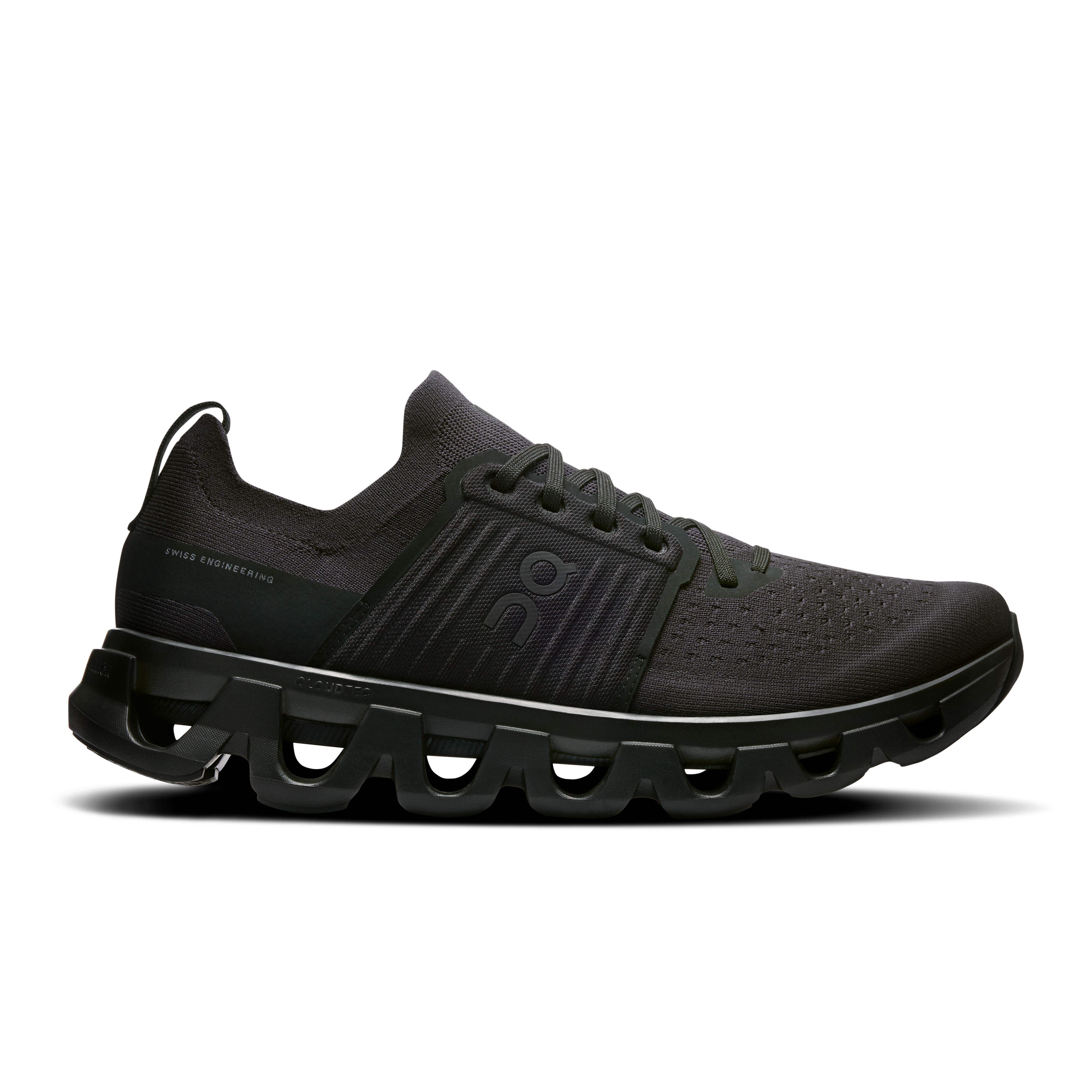
Use this simple process when shopping for grey and black running shoes.
-
Decide where you will run most often. Choose road, treadmill, trail, or hybrid shoes based on your main surface.
-
Measure both feet. One foot is often slightly larger. Fit the shoe to the larger foot.
-
Check the toe box. Wiggle your toes and confirm that they are not pressed together.
-
Test the heel. Walk and jog in the shoe. Your heel should stay in place without tight lacing.
-
Compare cushioning. Try a firm model and a soft model if possible. Notice which one feels natural rather than simply choosing the softer shoe.
-
Check the upper. Look for smooth seams and enough structure around the midfoot.
-
Inspect the outsole. Make sure the tread suits your running surface.
-
Try both shoes with running socks. Thick socks can change the fit more than many shoppers expect.
-
Walk for several minutes. A running shoe should feel comfortable right away. It does not need a painful “break-in” period.
-
Review the return policy. A short indoor test cannot show how a shoe feels after five miles.
A useful rule is to focus on comfort, not brand loyalty. A famous model may work well for one runner and feel wrong for another. Feet vary, and running form changes from person to person.
How Much Should You Spend?
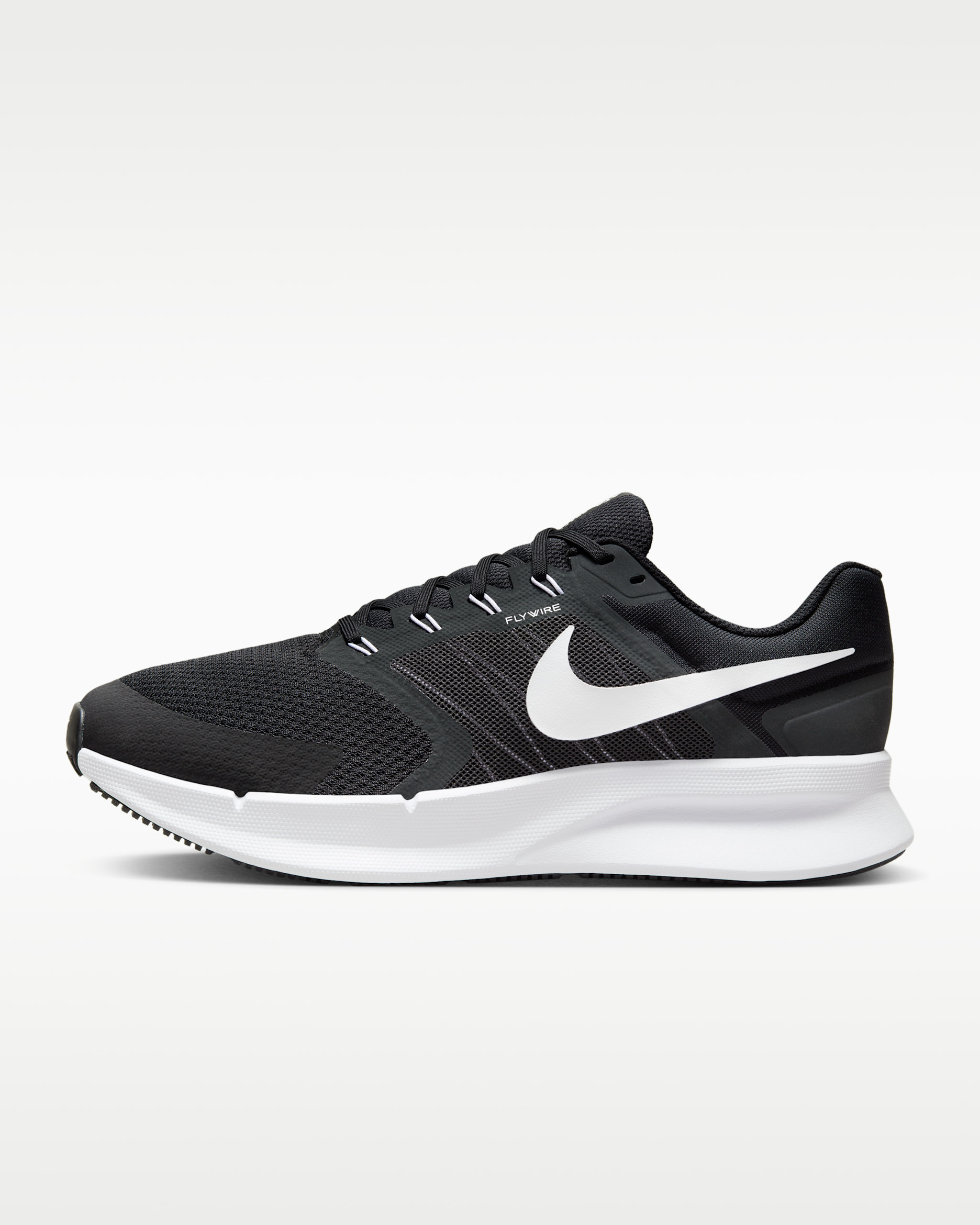
The price of grey and black running shoes can range from budget models to premium shoes. A higher price may bring lighter foam, stronger materials, or advanced design, but it does not guarantee a better fit.
Budget shoes can be excellent for walking, beginner running, and short workouts. Mid-range shoes often provide a strong balance of comfort and durability. Premium shoes may suit experienced runners who want a specific ride, such as a carbon plate or high-energy foam.
Think about value in terms of use:
• A beginner may need a comfortable, durable daily trainer.
• A frequent runner may benefit from a second pair for rotation.
• A trail runner should invest in grip and protection.
• A race-focused runner may want a lighter shoe for speed work.
Do not buy a shoe only because it is on sale. A low price is not a bargain if the shoe causes pain or sits unused in your closet.

Care and Maintenance Tips
Good care can help grey and black running shoes last longer. It cannot stop normal foam wear, but it can protect the upper and outsole.
• Remove dirt with a soft brush after outdoor runs.
• Wipe the upper with mild soap and cool water.
• Let shoes air-dry at room temperature.
• Do not place them on a heater or in a hot dryer.
• Remove the insoles when they become damp.
• Use separate shoes for muddy trails and clean city runs when possible.
• Loosen the laces before taking shoes off to reduce stress on the heel counter.
Washing machines can damage glue, foam, and shoe shape. If the care label allows machine washing, use a gentle cycle and a cool setting. Air-drying is still safer than high heat.
Track mileage if you can. Many running shoes last around 300 to 500 miles, but the true range varies. Heavy runners, rough roads, wet conditions, and poor rotation can shorten shoe life. Replace them when cushioning feels flat, the outsole is worn smooth, or new aches appear without another clear cause.
Common Mistakes to Avoid
Even experienced runners can make poor shoe choices. These mistakes are easy to prevent.
Buying by appearance alone
Grey and black running shoes can look excellent online. Photos cannot show whether the toe box is narrow or the heel is loose. Always use fit and comfort as your first filters.
Choosing the wrong size
Running shoes often need a little more length than dress shoes. Feet swell during activity, and thick socks take up space. A tight shoe can lead to black toenails, blisters, and numbness.
Ignoring the running surface
Road shoes may slip or wear fast on rough trails. Trail shoes may feel heavy and stiff on smooth pavement. Match the outsole to your normal route.
Changing shoes too quickly
A major change in cushioning, heel height, or flexibility can feel strange. Introduce a new pair with short runs before using it for a long workout.
Keeping worn shoes too long
The upper may still look clean while the midsole has lost its response. Pay attention to comfort and performance, not just appearance.
In practical fit checks, the most helpful test is simple: walk, jog, stop, and listen to your feet. Early pressure points often become major problems after several miles.

Are Grey and Black Running Shoes Good for Wide Feet?
Some grey and black running shoes come in wide and extra-wide sizes. Look for a roomy toe box, a wider platform, and an upper that does not squeeze the sides of your foot.
Do not confuse a long shoe with a wide shoe. Adding extra length may leave your toes with too much room while the sides still feel tight. Brands also use different width systems, so check the individual size chart.
If your foot spills over the midsole or your little toe feels pressed against the upper, try a wider version. Your feet should feel supported, not trapped.
Can Running Shoes Help Prevent Injury?
Running shoes can improve comfort and reduce stress from a poor fit, but no shoe can prevent every injury. Training load, sleep, strength, running form, previous injuries, and recovery all matter.
Research on footwear and injury risk is complex. No single shoe type works for every runner. Increase distance slowly, add rest days when needed, and seek medical advice for pain that persists or worsens.
A comfortable shoe may help you run with fewer distractions. That is valuable, but it should support a smart training plan rather than replace one.
How to Style Grey and Black Running Shoes
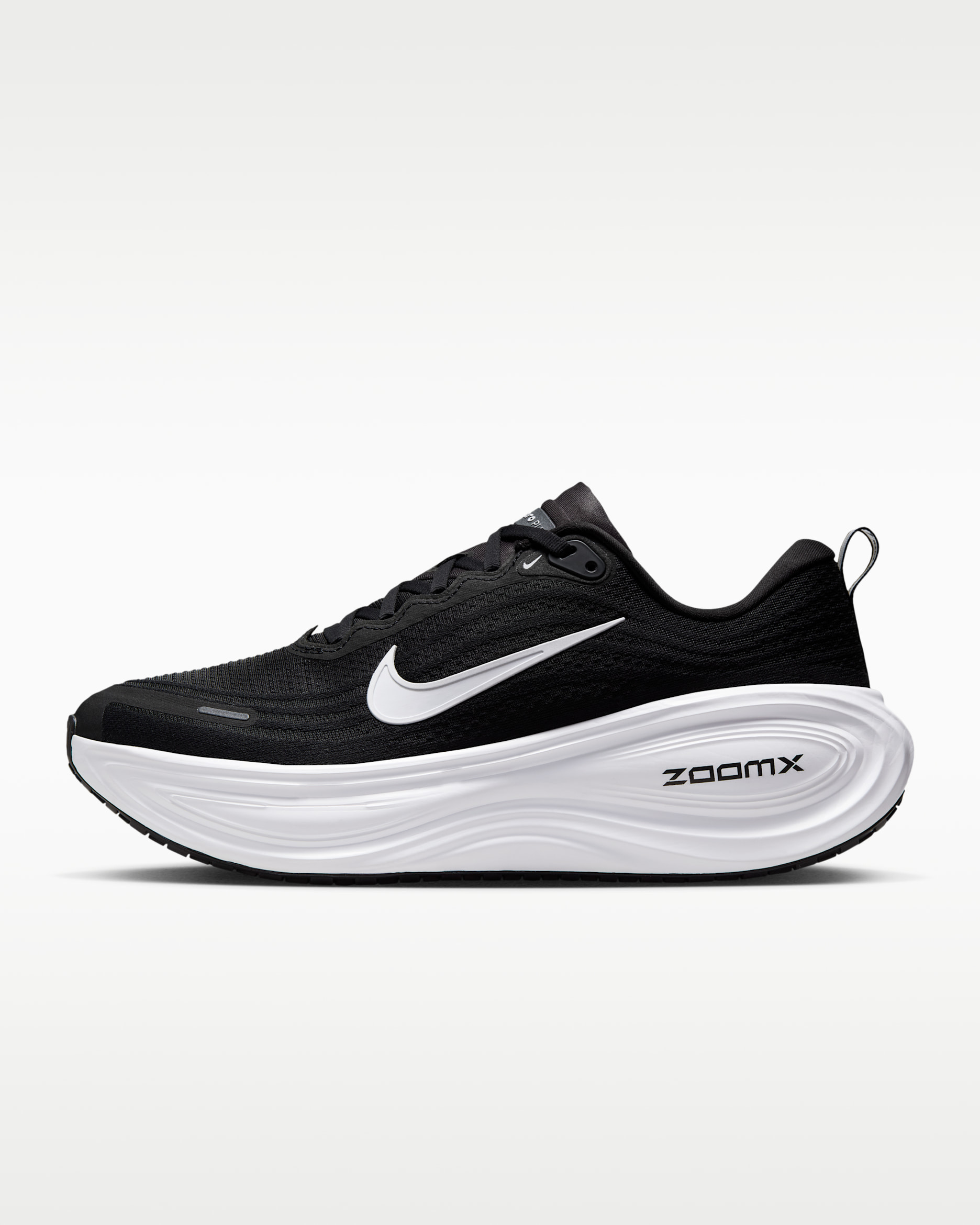
Grey and black running shoes are easy to wear beyond workouts. Their neutral color works with many simple outfits.
For a casual look, pair them with black joggers and a light gray hoodie. For warmer weather, wear them with navy shorts and a plain white or black shirt. For travel, combine them with dark jeans, a soft sweater, and a lightweight jacket.
Keep the look balanced. If the shoes have bright accents, repeat one accent color in your shirt or cap. If the shoes are fully grey and black, almost any neutral outfit will work.
Remember that style should support your routine. The best pair is one you feel comfortable wearing often, whether you are running errands or completing a morning workout.
Frequently Asked Questions About Grey and Black Running Shoes
Are grey and black running shoes good for everyday use?
Yes, many grey and black running shoes work well for walking, commuting, travel, and casual wear. Choose a pair with a comfortable fit, flexible forefoot, and outsole suited to the surfaces you use most.
Do black running shoes get hotter than grey shoes?
Black materials can absorb more sunlight, so they may feel warmer in direct sun. Breathable mesh and good socks can reduce this effect, but grey may feel more comfortable in very hot outdoor conditions.
How should grey and black running shoes fit?
Your heel should stay secure, while your toes should have room to move. Leave about a thumb’s width between your longest toe and the front of the shoe, and avoid pressure along the sides.
Can I use road running shoes on trails?
You can use road shoes on smooth, dry paths and packed dirt. For mud, rocks, steep ground, or wet trails, choose trail shoes with deeper lugs and stronger protection.
How often should I replace grey and black running shoes?
Many pairs last about 300 to 500 miles, but this varies by runner and surface. Replace them when the cushioning feels flat, the tread is worn, or new discomfort appears.
Are expensive running shoes better?
Not always. Expensive shoes may include advanced materials, but the best shoe is the one that fits well and matches your running needs.
Conclusion
Grey and black running shoes offer a strong mix of style, comfort, and daily usefulness. The right pair should fit your foot, match your running surface, provide suitable cushioning, and keep your stride comfortable over time.
Start by checking fit and function before choosing a color. Test the shoes with your normal socks, allow room for foot swelling, and replace them when the midsole or outsole shows clear wear. Explore trusted running retailers, compare suitable models, and choose the pair that helps you enjoy your next mile.