Women’s Cross Country Running Shoes: Top Picks for Speed & Comfort

Women’s Cross Country Running Shoes: The Complete Guide
Finding the right pair of women’s cross country running shoes can change your performance and comfort in big ways. Whether you are a beginner, a high school athlete, or a seasoned competitor, your shoes are your most important gear. The right shoes help you run faster, stay safe, and enjoy your sport more. But with so many options, features, and brands, choosing the best pair is not easy. This guide will explain what really matters, how to compare models, and give you practical advice that most beginners miss.
What Makes Cross Country Shoes Different?
Cross country running is not like road running or track. The terrain can change from grass to mud, gravel, or even rocky paths. The weather can shift in minutes. Because of this, cross country running shoes are built for variety, grip, and durability.
These shoes have aggressive outsoles with lugs or spikes that help you grip the ground. They are lightweight, so you can move quickly over long distances. Most models have less cushioning than road running shoes, so you feel more connected to the ground. But this also means less protection from rocks and roots.
One key difference is the option for removable spikes. Many cross country shoes allow you to screw in metal spikes for extra grip. You can change the length of spikes depending on the course. Some shoes come with fixed rubber lugs instead, which are better for harder or mixed surfaces.
How To Choose The Right Women’s Cross Country Shoe
Finding your best shoe is not just about picking a popular brand. Your ideal choice depends on your foot shape, running style, and the courses you race on. Here are the main factors to consider:
1. Fit
Fit is always the most important. Your shoes should be snug but not tight. There should be a thumb’s width of space in the toe box. Women often have narrower heels and lower foot volume, so look for shoes designed for a woman’s foot. Never buy shoes that pinch or slip.
2. Weight
Lighter shoes mean less energy used with every step. Most cross country shoes are between 5 to 8 ounces per shoe. Lighter shoes usually have less cushioning and protection. If you are new to cross country or run on rocky trails, you might want a little more cushion.
3. Outsole And Traction
The bottom of the shoe is key. Look for:
- Deep rubber lugs for soft, muddy, or grassy courses.
- Spikes (usually 5-9 per shoe) for maximum grip on wet or loose ground.
- Rubber-only outsoles for hard-packed or mixed surfaces.
Some shoes let you remove the spikes and run with just the lugs. Others are spike-only. Know your course conditions and check the rules—some races do not allow spikes.
4. Cushioning And Protection
Cross country shoes have less cushion than road shoes. This helps you feel the ground and move fast. But for rocky or long courses, a bit more cushioning can prevent foot pain. Some models add a thin rock plate for protection.
5. Upper Material
Look for breathable mesh uppers that dry quickly. Wet grass and mud are common in cross country. Good shoes will drain water and keep your feet cool. Reinforced toe caps help protect your toes from rocks and sticks.
6. Durability
Cross country shoes take a beating. Most pairs last one season (about 150-300 miles). If you run year-round or on rough trails, look for reinforced materials and double stitching. Shoes with removable spikes usually last longer because you can replace worn spikes.
7. Price
Most women’s cross country shoes cost $60–$120. More expensive shoes are not always better for everyone. Focus on fit and function first.
Comparison: Cross Country Vs. Road Running Shoes
It’s common for runners to ask if they can use the same shoes for both cross country and road running. Here’s a direct comparison:
| Feature | Cross Country Shoes | Road Running Shoes |
|---|---|---|
| Weight | Lighter (5–8 oz) | Heavier (7–12 oz) |
| Outsole | Lugs or spikes for grip | Flat rubber for pavement |
| Cushioning | Minimal to moderate | Thicker, more shock absorption |
| Protection | Less, focus on speed | More, for comfort |
| Surface | Grass, mud, trail, dirt | Asphalt, concrete |
You can use road shoes for training on grass, but for racing, cross country shoes give you a clear advantage. The extra grip and lower weight make a big difference, especially in tough conditions.
Top Features To Look For In Women’s Cross Country Shoes
Not all cross country shoes are created equal. Here are the most important features and why they matter:
- Removable spikes: Allow you to adjust for course conditions. Long spikes (9mm–12mm) for muddy grass, short spikes (6mm) for dry ground.
- Aggressive lugs: For courses where spikes are not allowed or not effective.
- Lightweight design: Helps maintain speed over long races.
- Foot-specific fit: Women’s models are shaped for narrower feet, lower arches, and smaller heel cups.
- Quick-drying mesh: Keeps feet comfortable in wet weather.
- Reinforced toe cap: Protects against rocks and sticks.
- Secure lacing system: Keeps foot stable inside the shoe, reducing blisters.
Many beginners miss the importance of the lacing system. Shoes that loosen mid-race can cause blisters or even falls. Try different lacing patterns during training to see what works for your foot.
Women’s Cross Country Shoe Brands: What Sets Them Apart
Brand matters less than fit and features, but some brands have a strong reputation for cross country running:
- Nike: Known for light, race-ready spikes with a snug fit. Popular among elite runners.
- Saucony: Focuses on comfort and durability, often with wider toe boxes.
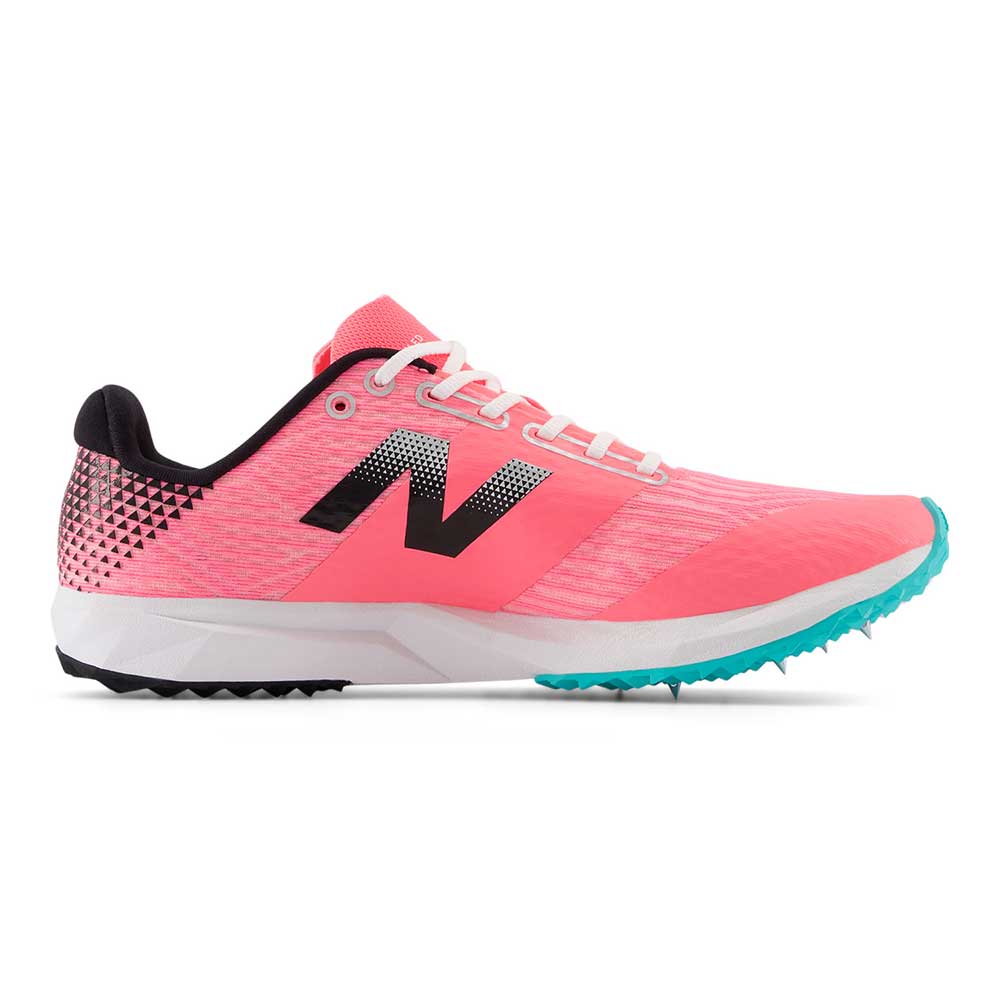
- New Balance: Offers good arch support and flexible uppers.
- Brooks: Reliable, comfortable shoes with good grip and durability.
- ASICS: Known for cushioning and stability.
Each brand’s women’s shoes may fit differently, so always try them on if possible. For example, Nike’s cross country spikes are often narrow, while Saucony and Brooks run wider.
How To Find The Right Size And Fit
Many runners buy shoes that are too small. Feet swell during long runs, especially in hot or wet conditions. Here’s how to get the right fit:
- Shop in the afternoon or after a run when your feet are largest.
- Wear the same socks you plan to race in.
- Stand up to check fit—your toes should not touch the front.
- Walk and jog in the store to test for slipping or tight spots.
- Check if your heel lifts—this can cause blisters.
- Try both feet; one foot is usually larger.
If you order online, check the brand’s sizing chart. Some brands, like Nike, run smaller than others.
Common Mistakes When Choosing Cross Country Shoes
Avoid these errors that many first-time buyers make:
- Choosing by looks: The best-looking shoe is not always the best for your foot or course.
- Ignoring the course: If your races are on hard dirt, avoid aggressive spikes that can be uncomfortable.
- Buying too small: Tight shoes can cause black toenails or blisters.
- Skipping the break-in period: Always wear new shoes for a few training runs before race day.
- Sticking with one brand forever: Your foot shape or needs may change over time.
A non-obvious tip: Some runners use two pairs—a well-cushioned pair for training and a lighter, spike-ready pair for races. This saves your race shoes and keeps them in top condition.
Caring For Your Cross Country Shoes
These shoes face mud, water, and rough terrain. Here’s how to make them last:
- Remove spikes after each race, clean them, and let them dry.
- Wash off mud with water (never use a washing machine).
- Remove insoles and let shoes air dry—never use direct heat.
- Replace worn spikes regularly.
- Store in a cool, dry place.
A tip many miss: Remove the laces and wash them separately. Muddy laces can make shoes harder to tie and less secure.
Should You Use Spikes Or Lugged Shoes?
For cross country, spikes are often the first choice for racing. But they are not always the best for every runner or every course.
Spikes are best for:
- Soft, muddy, or grassy courses.
- Shorter races (2–5 miles).
- Maximum grip and speed.
Lugged shoes (rubber lugs, no spikes) are better for:
- Rocky, hard, or mixed terrain.
- Longer races or training runs.
- Runners who want more comfort and protection.
Some shoes allow you to remove the spikes and use just the lugs. For high school or college races, check the rules—some events do not allow metal spikes.
Top 7 Women’s Cross Country Running Shoes (2024)
Based on reviews, performance, and value, here are seven top choices for women’s cross country shoes. Each model fits differently, so always test for your own comfort.
| Shoe | Weight (oz) | Spike/Lug | Cushioning | Best For |
|---|---|---|---|---|
| Nike Zoom Victory XC 5 | 5.1 | Spike | Minimal | Elite racing, soft courses |
| Saucony Kilkenny XC 9 | 5.2 | Spike | Moderate | All-around, beginners |
| New Balance XC Seven v4 | 5.5 | Spike | Moderate | Long races, comfort |
| Brooks Draft XC | 5.3 | Spike | Minimal | Speed, lightweight |
| ASICS Hyper XC 2 | 5.7 | Spike | Moderate | Training and racing |
| Adidas XC Sprint | 5.8 | Spike | Minimal | Short, fast races |
| Salomon Speedcross 5 W | 8.1 | Lug | High | Trail, rocky terrain |
Each shoe stands out for a different reason. The Nike Zoom Victory XC 5 is often chosen by elite runners for its lightweight speed. The Salomon Speedcross 5 W is more cushioned and great for rocky, technical trails where spikes are not allowed.

Credit: www.northernrunner.com
Women’s Cross Country Shoes For Wide And Narrow Feet
Foot shape matters as much as size. Some brands and models are better for wide or narrow feet.
- Wide feet: Look for Saucony Kilkenny, New Balance XC Seven, or Brooks Draft XC.
- Narrow feet: Nike Zoom Victory and Adidas XC Sprint often fit snugly.
If you have very flat or high arches, look for shoes with removable insoles so you can add your own orthotics. Not all cross country shoes allow this, so check before you buy.
Training Shoes Vs. Racing Shoes
Many runners use different shoes for training and racing. Here’s why:
- Training shoes: More cushion and support. Good for longer runs, rough terrain, and daily use. Heavier but more protective.
- Racing shoes (spikes): Lightweight, less cushion. Best for competition. Not for daily training—can cause foot pain if overused.
Switching between two pairs helps your feet adjust to different conditions and makes your racing shoes last longer.
Breaking In Your New Shoes
Never race in brand-new shoes. Here’s a safe way to break them in:
- Wear them around the house for a few hours.
- Take them on a short run (1-2 miles).
- Gradually increase distance over 2–3 weeks.
- Use them for at least two practice sessions on race-like terrain.
This prevents blisters and lets you adjust the fit and lacing as needed.
Sustainability And Women’s Cross Country Shoes
A new trend is eco-friendly running shoes. Brands like Adidas and Brooks now offer shoes made with recycled materials and less harmful glues or dyes. While performance is still the main focus, these options are growing. If sustainability matters to you, look for brands that publish their materials and environmental impact.
Cross Country Shoe Care: Extending Shoe Life
A non-obvious tip is to rotate your shoes. Using two pairs (training and racing) lets each pair dry fully between runs, reducing odor and letting the foam recover. Also, avoid drying shoes in the sun or with direct heat—this can break down the glue and foam.
Replace your shoes when:
- Lugs or spikes are worn flat.
- The midsole feels soft and unsupportive.
- The uppers tear or lose shape.
Most runners get one season or up to 300 miles from a pair. Keeping shoes clean after muddy races helps them last longer.
Price Range And What To Expect
Here’s a breakdown of what you get at different price points:
| Price Range | Features | Best For |
|---|---|---|
| $60–$80 | Basic spikes or lugs, fewer features, less durable | Beginners, short races |
| $81–$100 | Better fit, more options for spikes/lugs, reinforced uppers | Intermediate runners |
| $101–$120 | Lightweight, durable, advanced fit, removable spikes, better drainage | Competitive and elite racers |
Buying last year’s model can save money—often the only difference is the color or a small design change.

Credit: www.marathonsports.com
Where To Buy Women’s Cross Country Shoes
Specialty running stores are the best place to start. Staff can measure your feet, check your gait, and help you try different models. If you buy online, choose stores with easy returns. Good online shops include Running Warehouse, Zappos, and the official brand websites.
A practical tip: Try shoes in store, but check online for better deals. Just be sure to buy from trusted sellers to avoid fakes.
Injury Prevention And Cross Country Shoes
The right shoes help prevent injuries. But shoes alone are not enough. Make sure to:
- Replace shoes before they are worn out.
- Warm up before every run.
- Mix in strength training for ankles and feet.
- Listen to your body—pain means rest or a shoe change.
Common injuries like blisters, plantar fasciitis, or shin splints can often be traced to old or poor-fitting shoes.
Women’s Cross Country Shoes For High School And College Athletes
School teams often have shoe rules or recommendations. Check if your league allows spikes, and how long spikes can be. Some schools provide basic shoes but many athletes buy their own for better fit and performance.
If you are new, start with a moderate-cushion, all-around spike like the Saucony Kilkenny or New Balance XC Seven. These work for most courses and feet. As you gain experience, you can try lighter or more aggressive models.
How Weather And Terrain Affect Shoe Choice
Weather and terrain can change quickly on race day. Here’s how to adjust:
- Wet/muddy: Long spikes (9–12mm) or deep lugs.
- Dry/hard: Short spikes (6mm) or rubber lugs.
- Rocky: More cushion and toe protection.
Bring extra spikes of different lengths to races. Practice on similar terrain before race day.
Women’s Cross Country Shoes And Gender Differences
Women’s shoes are not just smaller men’s shoes. They are built for:
- Narrower heels
- Lower foot volume
- Different arch support
Wearing men’s or unisex shoes can lead to blisters, heel slip, or foot pain. Always choose women’s-specific models when possible.
Technology In Modern Cross Country Shoes
Recent improvements include:
- 3D-printed uppers for better fit.
- Improved drainage for wet conditions.
- Lighter, stronger materials.
- Bio-based or recycled foams for sustainability.
But remember: technology does not replace fit. Try shoes on before buying, and focus on comfort first.
Credit: gazellesports.com
When To Replace Your Cross Country Shoes
A common question is how long shoes last. Signs it’s time to replace:
- Worn-down lugs or spikes.
- Holes in the upper.
- Midsole feels dead (less responsive).
- Increased foot or leg pain.
Track your mileage—most shoes last 150–300 miles. For a high school season, this is one pair.
Real-world Example: Choosing Shoes For A Muddy Course
Let’s say your race is on a wet, muddy field. You should pick a shoe with:
- 9–12mm spikes for grip.
- Mesh upper for drainage.
- Secure lacing to stop slipping.
If the course is rocky, switch to a shoe with rubber lugs and more protection. Practicing on muddy ground before the race helps you find the best fit.
Frequently Asked Questions
What’s The Difference Between Cross Country Spikes And Track Spikes?
Cross country spikes have thicker, more rugged soles and deeper lugs for uneven terrain. Track spikes are lighter with flat, thin soles made for smooth tracks. Never use track spikes for cross country—they wear out fast and offer less protection.
How Do I Know If My Cross Country Shoes Fit Properly?
Your shoes should feel snug but not tight. There should be space for your toes to move. No pinching or heel slipping. Try running in them before buying if possible.
Can I Use Cross Country Shoes For Other Sports Or Running On Roads?
You can wear them for trail running, but avoid using spiked shoes on pavement—they wear out quickly and can be slippery. For road running, use proper road shoes.
How Should I Clean Muddy Cross Country Shoes?
Remove the spikes and insoles, rinse off mud with water, and let them air dry. Never put them in the washing machine or direct heat. Clean spikes separately before putting them back.
Where Can I Find More Information About Cross Country Running And Shoe Care?
A good starting point is the Wikipedia entry on cross country running. Many running stores and shoe brands also have care guides online.
Choosing the right women’s cross country running shoes is a personal process. Focus on fit, course needs, and your running style. With the right pair, you’ll have more fun, run faster, and stay injury-free all season. Don’t be afraid to try different brands and models as your needs change. The perfect shoe is out there—let your feet decide!