Running Shoe Insoles for Overpronation: Ultimate Support Guide

Running Shoe Insoles For Overpronation
Finding the right running shoe is important, but for many runners, the real solution lies deeper—inside the shoe. If you have overpronation, you know the familiar story: sore feet, aching knees, maybe even a tender lower back. You buy new shoes, but the pain comes back. What’s often missing is the right insole. The right running shoe insoles for overpronation can change how you move, help prevent injuries, and make every run more comfortable.
Overpronation means your foot rolls too far inward when you walk or run. It’s common—studies estimate that up to 30% of runners overpronate. But too much inward roll stresses your ankles, knees, and hips. The good news? The right insoles can support your arch, guide your foot, and help you run pain-free.
This guide explains what overpronation is, how insoles help, what features to look for, and how to choose the right insole for your needs. We’ll also discuss practical tips, the science behind insoles, common mistakes, and real-world examples. Whether you’re new to running or experienced and frustrated by injuries, this guide will help you understand and select the best insoles for your feet.
Understanding Overpronation
Overpronation happens when the foot rolls excessively inward after landing. In a normal stride, your foot’s arch flattens slightly to absorb shock. But with overpronation, the arch collapses too much. This affects how your body absorbs impact, leading to uneven wear on shoes and increased stress on muscles and joints.
Signs Of Overpronation
- Worn shoe soles on the inside edge
- Flat or low arches (sometimes called “fallen arches”)
- Foot pain, especially in the arch or heel
- Shin splints, knee pain, or even hip discomfort
- Ankles that seem to lean inward when standing
Not everyone with flat feet overpronates, but the two often go together. Over time, overpronation can cause injuries like plantar fasciitis (heel pain), Achilles tendinitis, or IT band syndrome.
Why Insoles Matter
Standard running shoes may not provide enough support for overpronators. Special insoles (also called orthotics or footbeds) are designed to support the arch and guide the foot into a healthier position. They can reduce pain, improve running efficiency, and even help prevent injuries.
How Insoles Help Overpronators
Insoles are more than just extra padding. The right insole reshapes how your foot lands and pushes off. For overpronators, this means arch support, heel stabilization, and better alignment up the whole leg.
Key Ways Insoles Help
- Arch Support: Lifts and supports the arch, preventing it from collapsing.
- Heel Stability: A deep heel cup holds the heel in place, reducing excess movement.
- Motion Control: The insole’s shape gently guides the foot, limiting inward roll.
- Shock Absorption: Quality materials reduce impact on joints.
- Pressure Redistribution: Spreads your weight more evenly, easing hot spots and pain.
Many insoles are designed specifically for overpronation, with firmer arch support and structured heel cups. Some are custom-made by podiatrists, but many excellent over-the-counter options exist too.
The Science Behind Insoles
Research shows that insoles can help manage overpronation. A study in the Journal of Foot and Ankle Research found that prefabricated orthoses (store-bought insoles) can effectively reduce pronation and improve comfort during running. Another study showed that insoles with higher arch support significantly reduced knee pain in overpronators. However, not every insole works for every foot—fit and support level matter.
Real Example
A runner with frequent knee pain switched to supportive insoles after a gait analysis showed overpronation. Within weeks, knee pain decreased, and running felt easier. The key was finding an insole with the right arch shape and firmness for their foot.

Credit: www.amazon.com
Features To Look For In Running Insoles For Overpronation
Selecting the right insole is about more than just picking the thickest or most expensive option. The wrong insole can actually make things worse. Here’s what matters most:
1. Arch Type And Support Level
- High Arch Support: Most overpronators have low or flat arches, so look for insoles labeled for “flat feet” or “overpronation.”
- Arch Height: Some insoles have variable arch heights. Too high can feel uncomfortable, too low won’t give enough support.
2. Heel Cup Depth
- Deep Heel Cup: A structured heel cup stabilizes your heel and controls motion. The deeper, the better for overpronators, as long as it fits your shoe.
3. Material And Cushioning
- Firm Support: Soft foam feels good at first, but firmer materials (like EVA or plastic) offer better control.
- Dual Density: Some insoles combine soft top layers with firmer bases for both comfort and support.
4. Fit And Trim
- Trim-to-Fit: Many insoles come in full sizes but can be trimmed with scissors for a custom fit.
- Volume: High-volume insoles may not fit in all running shoes. Check if you need a “low-profile” insole for tighter shoes.
5. Breathability And Moisture Control
- Perforations and Wicking Fabrics: These features help keep feet dry and reduce odor.
6. Durability
- Lifespan: Good insoles last 6–12 months of regular running, but materials break down over time. Check for signs of wear.
7. Price And Value
- Price Range: Expect to pay $30–$60 for high-quality insoles. Custom orthotics can cost $200+ but aren’t always necessary.
Non-obvious Insight
Many runners assume that more cushion is always better. In fact, too much soft foam can increase instability for overpronators. The best insoles use firm support with targeted cushioning—not just thick padding.
Comparing Top Insole Features
Here’s a quick comparison of popular features in running shoe insoles for overpronation:
| Feature | Importance for Overpronators | Typical Options |
|---|---|---|
| Arch Support | Essential | Low, Medium, High |
| Heel Cup | Very Important | Shallow, Moderate, Deep |
| Material | Important | EVA, Gel, Foam, Plastic |
| Cushioning | Moderate | Soft, Medium, Firm |
| Trim-to-Fit | Helpful | Yes/No |
How To Choose The Right Insole
Choosing an insole can be overwhelming, especially with so many brands and features. Here’s a step-by-step approach that works for most runners.
1. Identify Your Arch Type
Check your footprint after wetting your foot and stepping on a paper bag. If you see almost the whole foot, you likely have a low arch. Most overpronators have low to medium arches.
2. Know Your Shoe Size And Shape
Most insoles are sized in ranges (like Men’s 8–9. 5). Choose the range that matches your running shoe, then trim if needed. If your shoes are narrow or have a unique shape, look for “low-profile” or “slim fit” options.
3. Test Support And Comfort
Stand on the insole outside the shoe first. You should feel firm support under the arch and a stable heel. If it feels odd at first, that’s normal—give it a few days. But pain or numbness means the arch is too high or the shape isn’t right.
4. Insert And Try
Place the insole in your running shoe, replacing the original footbed. Walk and jog around. Your foot should feel supported, not squeezed. If your heel slips or the arch feels wrong, try a different insole.
5. Consider Activity Level
If you run daily or do long distances, look for durable materials and extra shock absorption.
6. Replace Regularly
Change insoles every 300–500 miles (or every six months) to keep support at its best.
Non-obvious Insight
Some runners try to double up insoles for “extra support. ” This usually backfires, causing crowding and instability. Always use a single insole that fits your shoe well.
Popular Running Shoe Insoles For Overpronation
Here are some well-known options used by runners and recommended by podiatrists. Each has strengths and may suit different feet.
Superfeet Green
- Support: High
- Heel Cup: Deep and structured
- Material: Firm foam with stabilizer cap
- Best for: Moderate to severe overpronation, flat feet, everyday running
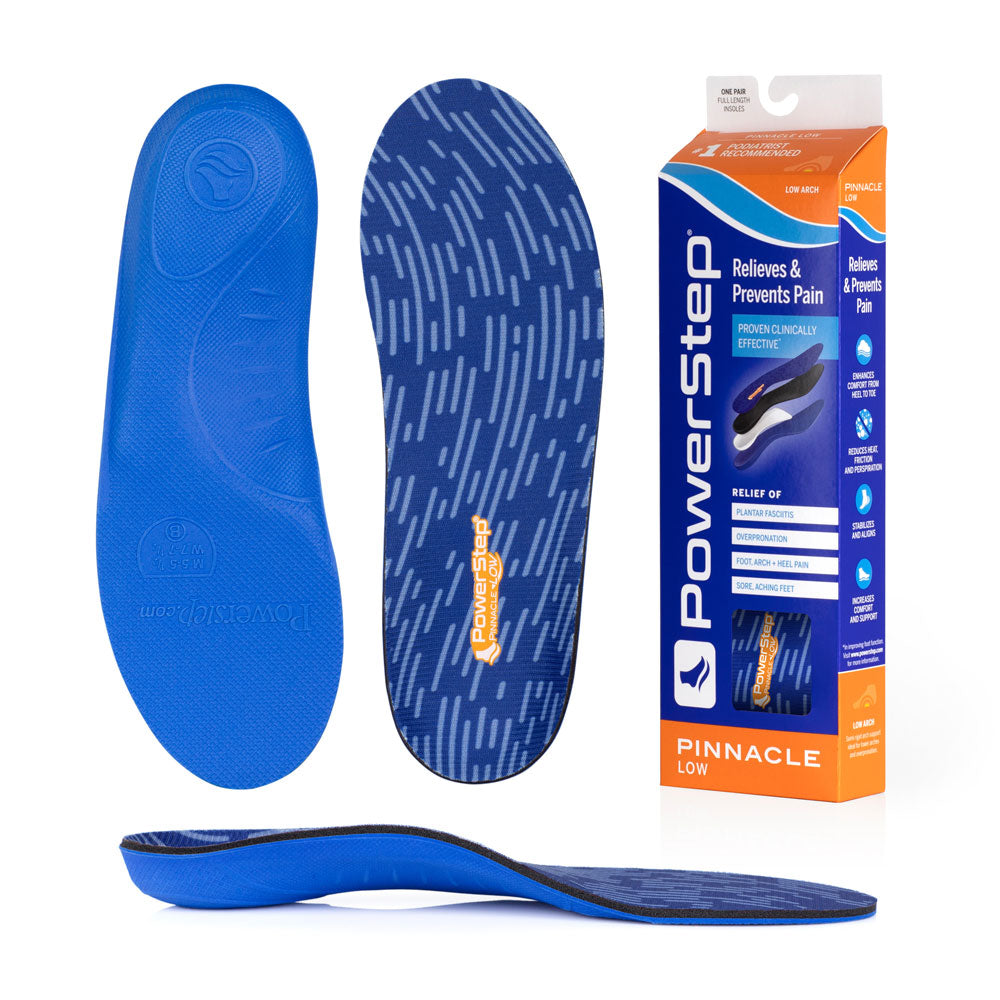
Powerstep Pinnacle
- Support: Medium-high
- Heel Cup: Deep, less rigid than Superfeet
- Material: Dual-layer EVA foam, anti-microbial top fabric
- Best for: Mild to moderate overpronation, those needing extra comfort
Sole Active Thick
- Support: Custom-moldable (heat in oven)
- Heel Cup: Deep, flexible
- Material: EVA foam, can be customized to arch
- Best for: Runners who want a personalized fit
Spenco Total Support Max
- Support: High, with motion control features
- Heel Cup: Very deep, extra stability
- Material: EVA foam, impact zones for forefoot and heel
- Best for: Severe overpronation, heavier runners
Dr. Scholl’s Running Insoles
- Support: Medium
- Heel Cup: Moderate depth
- Material: Gel and foam
- Best for: Mild overpronation, runners on a budget
Currex Runpro
- Support: Variable (choose low, medium, or high arch)
- Heel Cup: Deep, flexible
- Material: Multi-layer foam, moisture-wicking cover
- Best for: Those wanting a balance of support and cushion
Protalus M100
- Support: High, with unique alignment design
- Heel Cup: Deep, with medial (inner) support
- Material: Multi-density foam, anti-microbial cover
- Best for: Severe overpronation, those with knee pain
Comparing Popular Models
Here’s a look at how these insoles compare on key features:
| Insole | Arch Support | Heel Cup | Best For | Price Range |
|---|---|---|---|---|
| Superfeet Green | High | Deep | Flat feet, severe overpronation | $45–$55 |
| Powerstep Pinnacle | Med-High | Deep | Mild-moderate overpronation | $35–$45 |
| Sole Active Thick | Custom | Deep | Personalized fit | $50–$55 |
| Spenco Total Support Max | High | Very Deep | Heavier runners, severe overpronation | $35–$45 |
| Currex RunPro | Variable | Deep | Custom arch needs | $50–$55 |
Not every brand fits every foot, so try a few if possible. Most stores let you return insoles if they don’t work after a short trial.
Custom Vs. Over-the-counter Insoles
Some runners wonder if they need custom orthotics made by a doctor. Here’s what to know:
- Custom insoles: Made from a mold or scan of your foot. Best for severe foot problems, unusual foot shapes, or if you’ve tried over-the-counter options with no relief.
- Store-bought insoles: Designed for common foot shapes. Usually work for most people with mild to moderate overpronation.
Pros And Cons
Custom orthotics:
- Pros: Personalized fit, maximum support for unique needs
- Cons: Expensive ($200–$600), require a prescription, often not covered by insurance for runners
Over-the-counter insoles:
- Pros: Affordable, easy to find, good support for most runners
- Cons: May not fit every foot perfectly, need replacing more often
For most runners, a high-quality store-bought insole is enough. Try these first before investing in custom orthotics unless advised by a specialist.
Common Mistakes When Using Insoles For Overpronation
Switching insoles isn’t always simple. Here are mistakes to avoid:
- Ignoring Shoe Fit: Thick or high-volume insoles can make shoes too tight, causing blisters or numbness.
- Not Replacing Old Insoles: Over time, insoles flatten and lose support—even if they look fine.
- Choosing Too Much Cushion: Soft, squishy insoles feel nice but may increase instability for overpronators.
- Skipping Break-In Period: New insoles may feel strange. Gradually increase wear time to let your feet adjust.
- Forgetting to Remove Old Insoles: Layering insoles leads to crowding and poor support.
Real-world Example
A runner bought a thick insole for maximum cushion but didn’t remove the shoe’s original footbed. The shoe became too tight, leading to toe numbness and more pain. After removing the old insole and using only the new one, comfort improved.
Tips For Getting The Most From Your Insoles
- Replace Regularly: Change insoles every 300–500 miles or when you notice less support.
- Monitor for Pain: If pain returns, check for insole wear or try a different style.
- Alternate Shoes: If you run often, have two pairs of shoes with insoles to let them dry and recover.
- Clean Often: Remove and air out insoles after runs to prevent odor and extend life.
- Consult a Specialist: If you have diabetes, nerve problems, or severe pain, get a professional assessment before choosing insoles.
When To See A Doctor
Most overpronators find relief with the right insole. But if you have persistent pain, numbness, or foot deformities, see a podiatrist. You may need custom orthotics or treatment for underlying issues.
Also, some conditions look like overpronation but have different causes (like nerve problems or arthritis). A foot doctor can help diagnose your issue.
Credit: powerstep.com
The Role Of Running Shoes
Even with the best insole, the wrong shoe can make things worse. For overpronators, look for stability or motion control running shoes. These shoes are designed to limit excess inward roll.
But don’t double up on support—using a very stiff shoe with a very rigid insole can sometimes cause discomfort. Aim for a balance: a supportive shoe plus a well-fitted insole is best for most runners.
Frequently Asked Questions
What Is Overpronation, And Why Does It Matter For Runners?
Overpronation is when your foot rolls inward too much during walking or running. This stresses your ankles, knees, and hips. For runners, overpronation can cause injuries like plantar fasciitis, shin splints, and knee pain. Using insoles designed for overpronation can support your arch and reduce injury risk.
Can Insoles Really Fix Overpronation?
Insoles don’t “fix” overpronation, but they help control it. They support the arch, guide the foot, and improve alignment. This reduces pain and helps prevent injuries. For severe cases, custom orthotics or physical therapy may be needed.
How Do I Know If I Need Insoles For Overpronation?
You might need insoles if you have flat feet, your shoes wear out on the inside edge, or you have pain in your feet, knees, or hips after running. A foot doctor or running store can analyze your gait to confirm overpronation.
How Long Do Running Insoles Last?
High-quality insoles last 300–500 miles of running, or about 6–12 months for most people. Replace them if you notice less support, new pain, or visible wear.
Are Custom Orthotics Better Than Store-bought Insoles?
Custom orthotics provide a personalized fit and are best for severe foot problems or unique foot shapes. For most runners with mild to moderate overpronation, store-bought insoles work well and cost much less. Try over-the-counter options first unless your doctor advises otherwise.

Credit: www.amazon.com
Final Thoughts
Overpronation is common, but it doesn’t have to limit your running or daily comfort. The right running shoe insoles for overpronation can make a dramatic difference—offering better support, reducing pain, and helping you run farther and happier. Focus on firm arch support, a deep heel cup, and proper fit for your shoe. Remember, it’s about finding what works for your unique foot, not just following trends or buying the thickest insole.
If you’re unsure, don’t hesitate to ask for a gait analysis at a running store or see a podiatrist. And for more scientific background on foot mechanics and insoles, check out this Orthotic overview.
Stay consistent with your insoles, replace them regularly, and pay attention to your body’s signals. With the right support, you’ll be back on the road or trail—stronger, safer, and more comfortable than ever.