Good Running Shoes With Ankle Support: Top Picks for Stability

When you go for a run, your feet and ankles are working hard. If you have weak ankles, past injuries, or simply want extra stability, the right shoes can make a big difference. Good running shoes with ankle support help prevent sprains, reduce fatigue, and let you run with confidence. But finding the best pair isn’t always easy. Many brands use different materials, designs, and features. What really matters? How do you spot shoes that actually support your ankles? This guide breaks down everything you need to know, so you can pick running shoes that protect your ankles and let you focus on your workout.
Why Ankle Support Matters For Runners
Your ankles play a key role in every step. They absorb shock, balance your body, and help push you forward. If your ankles are unstable, you’re at risk of twists, sprains, or soreness. Ankle injuries are one of the most common problems runners face. According to the American Academy of Orthopaedic Surgeons, more than 25,000 ankle sprains happen each day in the US.
If you run on uneven ground, have flat feet, or are recovering from an injury, ankle support becomes even more important. Extra support helps keep your ankle in the correct position, so it moves safely and efficiently. It also reduces stress on your joints, which can prevent long-term damage.
Some runners think only high-top shoes offer support, but that’s not always true. The way a shoe is built—its structure, materials, and fit—can affect ankle stability as much as height. Many modern running shoes use clever designs to support your ankles without feeling bulky.
Key Features Of Running Shoes With Ankle Support
Choosing the right shoe means looking at several features. Here’s what to focus on:
Heel Counter
The heel counter is the stiff part at the back of the shoe. It helps lock your heel in place, reducing unwanted movement. A strong heel counter keeps your ankle from rolling, which is a major cause of sprains.
Midsole Cushioning
Shoes with good cushioning absorb impact and keep your ankle stable. Too much softness can actually make things worse, so the best shoes use materials like EVA foam or gel to balance comfort and support.
Upper Structure
The upper is the top part of the shoe. Some shoes use overlays, extra padding, or special fabrics to support the ankle. Look for shoes with snug but not tight uppers. Mesh is popular for breathability, but well-placed overlays are key for stability.
Outsole Grip
A shoe’s outsole (bottom) affects traction. Good grip keeps you from slipping, especially on trails or wet surfaces. Some shoes use special rubber patterns or lugs to boost stability.
Arch Support
Proper arch support helps distribute weight and keeps your foot aligned. This reduces stress on your ankle and can improve overall comfort.
Lacing System
The way you lace your shoes can add support. Some shoes have extra eyelets for a “lock lacing” method, which keeps your foot secure and minimizes ankle movement.
Types Of Running Shoes For Ankle Support
Different runners need different kinds of shoes. Here are the main types to consider:
Stability Shoes
These are designed for runners who overpronate (their feet roll inward too much). Stability shoes use firm midsoles, reinforced uppers, and strong heel counters to keep your foot aligned. This reduces stress on your ankles.
Motion Control Shoes
If you have flat feet or severe overpronation, motion control shoes offer maximum support. They’re built with extra structure and sometimes higher collars to limit movement. These are ideal for runners who need strong ankle protection.
Trail Running Shoes
Trail shoes often have higher collars, rugged soles, and protective overlays. They’re made for uneven terrain, so ankle support is built in. Many trail shoes are also water-resistant and have toe guards.
High-top Running Shoes
Some brands offer high-top designs, which cover and support the ankle. These aren’t as common in running as in basketball, but they can help runners who need extra stability.
Comparing Popular Running Shoe Models For Ankle Support
Let’s look at how some leading running shoes stack up for ankle support. This comparison helps you see the differences quickly.
| Model | Heel Counter | Upper Structure | Midsole Cushioning | Arch Support | Best For |
|---|---|---|---|---|---|
| Brooks Adrenaline GTS | Firm | Structured mesh | Balanced | Moderate | Stability, road running |
| ASICS Gel-Kayano | Stiff | Overlays | Plush | High | Motion control, long distance |
| Salomon Speedcross | Reinforced | Protective | Firm | Moderate | Trail, off-road |
| New Balance 860v12 | Stable | Supportive mesh | Responsive | Moderate | Road, overpronation |
| Hoka One One Arahi | Firm | Minimal overlays | Soft | Moderate | Stability, cushioning |
How To Choose The Right Running Shoes With Ankle Support
Picking the best shoe depends on your needs. Here are practical steps to help:
1. Know Your Foot Type
Are you flat-footed? Do you overpronate? Your foot type affects what shoe is best.
2. Check Your Running Surface
Road, trail, or treadmill? Trail shoes are best for rough terrain, while stability or motion control shoes suit flat surfaces.
3. Try Shoes On Late In The Day
Your feet swell as you move, so try shoes when your feet are largest.
4. Test The Heel Counter
Press the heel area. If it’s stiff and holds its shape, it offers more support.
5. Look For Secure Fit
The shoe should hug your heel and midfoot, but let your toes move freely.
6. Walk And Run Inside The Store
Don’t just stand. Try jogging a few steps to see if your ankle feels stable.
7. Ask About Return Policies
Sometimes a shoe feels different after a few miles. Make sure you can return or exchange them if needed.
8. Don’t Rely On Price Alone
Expensive shoes aren’t always better. Focus on features and fit.
Common Mistakes When Buying Running Shoes For Ankle Support
Many runners make mistakes when buying shoes. Avoid these to get the best results:
1. Ignoring Fit For Style
Fashion is tempting, but the wrong fit can cause injuries.
2. Choosing Too Much Cushion
Extra cushioning may feel nice, but it can reduce stability.
3. Skipping Gait Analysis
Understanding your stride helps find shoes that match your needs.
4. Not Replacing Old Shoes
Worn-out shoes lose their support. Replace them every 300–500 miles.
5. Assuming High Tops Are Always Better
Some low-profile shoes offer more support than high tops.

Credit: www.womenshealthmag.com
Benefits Of Running Shoes With Ankle Support
The right shoes offer many advantages:
- Injury Prevention
Shoes with ankle support lower your risk of sprains and strains.
- Better Balance
Extra support helps you stay steady, especially on uneven ground.
- Increased Confidence
Knowing your ankles are protected lets you run faster and longer.
- Faster Recovery
If you’re recovering from an injury, supportive shoes reduce pain and speed up healing.
- Long-Term Joint Health
Good shoes protect not only your ankles but also your knees and hips.
How Running Shoes Support Ankles: The Science
Modern running shoes use several technologies to help your ankles. Here’s how they work:
Heel Geometry
Many brands shape the heel to cup your foot. This keeps your ankle from rolling outward (supination) or inward (pronation).
Dual-density Foam
Some midsoles use dual-density foam—firmer on the inside, softer outside. This corrects your stride and stabilizes the ankle.
Guide Rails
Shoes like the Brooks Adrenaline GTS use guide rails along the sides. These act like bumpers, gently nudging your foot into the correct position.
Tpu Overlays
Thermoplastic polyurethane (TPU) overlays add structure without making shoes heavy. They help anchor the upper and improve ankle control.
Data And Research
Studies show that shoes with these features reduce ankle movement by up to 15% compared to standard models. This lowers injury risk and improves performance.
Top Running Shoes With Ankle Support: Detailed Reviews
Here are five popular models, each with strong ankle support. These reviews highlight what makes each shoe special.
Brooks Adrenaline Gts 22
This stability shoe is loved by runners with mild to moderate overpronation. The guide rails keep your foot aligned and reduce stress on your ankles. The heel counter is firm, giving a locked-in feel. The mesh upper is breathable but uses overlays for extra structure. It’s a great choice for road runners who want balanced support.
Asics Gel-kayano 29
A classic for motion control, the Gel-Kayano has a stiff heel counter and plush cushioning. Its Dynamic DuoMax support system reduces pronation and keeps your ankle secure. The upper uses a mix of mesh and overlays, providing a snug but flexible fit. It’s ideal for runners needing strong support, especially on long runs.
Salomon Speedcross 5
If you run on trails, this shoe is a top pick. The reinforced heel and protective upper guard against twists and scrapes. The deep lugs on the outsole grip uneven ground, keeping your ankle stable. It also uses a quick-lace system for a tight fit. While it’s heavier than road shoes, the support is excellent for off-road adventures.
New Balance 860v12
This stability shoe features a medial post and a firm heel counter for ankle protection. The engineered mesh upper balances breathability and support. The midsole is responsive but not too soft, helping you stay balanced. It’s a good choice for runners with overpronation who want a reliable, everyday shoe.
Hoka One One Arahi 6
Known for its plush cushioning, the Arahi also uses J-Frame technology to support your foot and ankle. The firm heel and minimal overlays create a light, stable ride. It’s popular among runners who want both comfort and support, especially for long distances.
How To Lace Running Shoes For Ankle Support
Lacing can improve ankle support. Try these methods:
Lock Lacing (heel Lock)
This technique uses the top eyelets to anchor your heel. Here’s how:
- Lace your shoes as usual until the last eyelet.
- Thread each lace end through the top eyelet on the same side, creating a loop.
- Cross the laces and put each end through the opposite loop.
- Pull tight and tie.
This keeps your heel from slipping and reduces ankle movement.
Skip Eyelets For Comfort
If the top of your foot feels pinched, skip an eyelet near the ankle. This relieves pressure but maintains support.
How Running Shoes With Ankle Support Compare To Braces
Some runners use ankle braces for extra protection. How do shoes compare? Here’s a quick look:
| Feature | Ankle-Support Shoes | Ankle Braces |
|---|---|---|
| Support Level | Moderate to high | High |
| Comfort | Good, designed for running | Can feel tight |
| Mobility | Full range | May restrict movement |
| Appearance | Normal shoe look | Visible brace |
| Best Use | Everyday running | Injury recovery, high-risk sports |
Shoes are best for general support, while braces help after injuries or for high-risk activities.
Tips For Maintaining Running Shoes With Ankle Support
To keep your shoes working well, follow these steps:
- Dry Shoes Properly
Wet shoes lose support. Remove insoles and air-dry them away from heat.
- Clean Regularly
Dirt and mud can damage materials. Use a soft brush and mild soap.
- Rotate Shoes
Using two pairs lets each recover between runs and lasts longer.
- Inspect for Wear
Look for breakdown in the heel counter, outsole, and upper. If the support feels loose, it’s time for a new pair.
- Store in a Cool Place
Heat can weaken glue and foam. Keep shoes out of direct sunlight.
Real-life Examples: Runners Who Benefit From Ankle Support
Many runners have stories of injuries and recovery. Here are two examples:
Example 1: Trail Runner With Past Sprains
Maria, a trail runner, had two ankle sprains in one year. Switching to Salomon Speedcross shoes with reinforced heels reduced her injury rate. She says the snug fit and deep outsole lugs give her confidence on rocky paths.
Example 2: Overpronator Marathoner
James, a marathon runner, used basic shoes and suffered ankle pain after long runs. After a gait analysis, he switched to Brooks Adrenaline GTS. The guide rails and firm heel counter helped him finish races without soreness.
These stories show how the right shoes can change your running experience.
How Running Shoes With Ankle Support Affect Performance
Choosing supportive shoes can improve your performance in several ways:
- Greater Speed
Stable ankles let you push off harder and run faster.
- Longer Endurance
Less fatigue means you can keep going for more miles.
- Better Technique
Proper alignment encourages efficient movement and reduces wasted energy.
- Lower Recovery Time
Fewer injuries mean you spend less time resting and more time training.

Credit: www.brooksrunning.com
How To Tell When You Need Ankle-support Running Shoes
It’s not always clear when you need extra support. Watch for these signs:
- You’ve had past ankle injuries or sprains.
- Your ankles feel unstable or sore after running.
- You run on uneven surfaces or trails.
- Your feet overpronate or you have flat arches.
- You’re starting a new, more intense running routine.
If you notice these, consider shoes with strong ankle support.
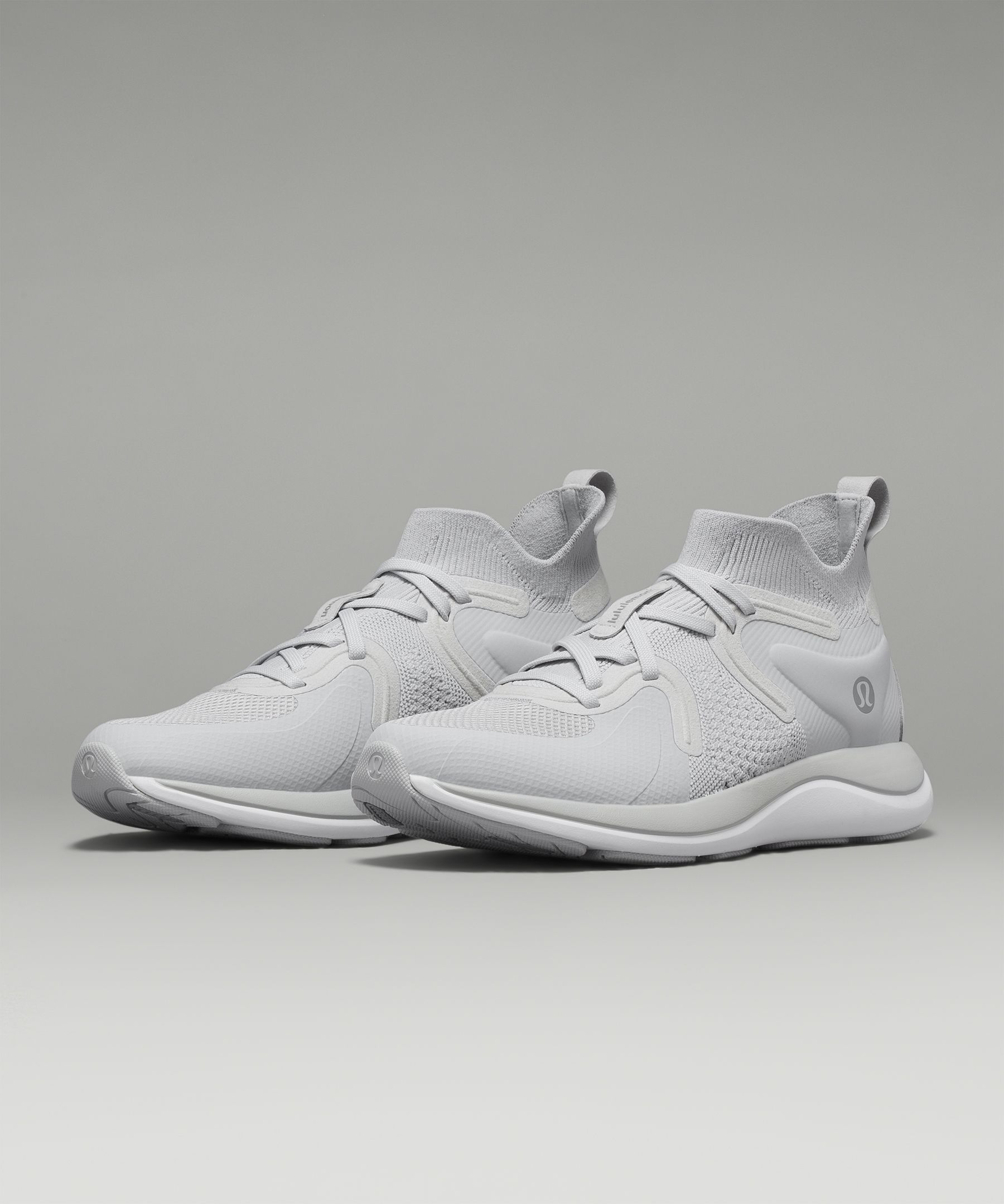
Latest Innovations In Running Shoes With Ankle Support
Brands are constantly improving their designs. Here are some new technologies:
- 3D-Printed Heel Counters
Custom shapes fit your foot perfectly and boost stability.
- Smart Insoles
Sensors track pressure and movement, helping you find the best shoe fit.
- Lightweight TPU Overlays
These offer support without adding weight.
- Adjustable Upper Systems
Some shoes let you change tightness on the fly for more or less ankle support.
These innovations make shoes more comfortable, supportive, and personalized.
Credit: www.womenshealthmag.com
Comparing Ankle Support Across Brands
Different brands use unique technologies. Here’s a quick comparison:
| Brand | Support Technology | Typical Fit | Recommended Model |
|---|---|---|---|
| Brooks | Guide Rails | Medium | Adrenaline GTS |
| ASICS | DuoMax, Gel | Narrow to medium | Gel-Kayano |
| Salomon | Reinforced heel | Medium to wide | Speedcross |
| New Balance | Medial post | Wide | 860v12 |
| Hoka | J-Frame | Medium | Arahi 6 |
This helps you match brands to your foot shape and support needs.
Understanding The Difference: Ankle Support Vs. Stability
Some runners confuse ankle support with stability. Here’s the difference:
- Ankle Support
Focuses on keeping the ankle from rolling or twisting. It’s about protecting the joint.
- Stability
Keeps your entire foot moving straight, preventing overpronation or supination.
The best running shoes with ankle support usually offer both, but not always. Make sure you look for shoes that match your injury risk and running style.
How To Break In New Running Shoes With Ankle Support
Don’t rush into long runs with new shoes. Here’s a safe way to break them in:
1. Wear Around The House
Start by wearing them indoors for short periods.
2. Short Walks Or Runs
Try 10–20 minute sessions first.
3. Check For Hot Spots
If you feel rubbing or pain, adjust your lacing or socks.
4. Increase Gradually
Add mileage slowly over a week or two.
This prevents blisters and lets your feet adjust to the new support.
Can Orthotics Improve Ankle Support In Running Shoes?
Orthotic inserts can boost support in running shoes. Custom orthotics help align your foot, which protects your ankle. Over-the-counter inserts are less expensive but may not fit as well.
If you have severe overpronation or a history of ankle injuries, ask a podiatrist about orthotics. They can make a big difference, especially when combined with supportive shoes.
How Age, Weight, And Gender Affect Ankle Support Needs
Your body changes with age, weight, and gender, which affects what shoes you need:
- Older Runners
Tend to have weaker joints. Look for shoes with strong heel counters and good cushioning.
- Heavier Runners
Need more structure to absorb impact and keep ankles stable.
- Women
Often have narrower heels. Some brands make women’s models with extra heel support.
Choosing shoes that match your body type helps prevent injuries and improves comfort.
Frequently Asked Questions
What’s The Best Running Shoe For Ankle Support?
The best shoe depends on your foot type and running style. Popular models like Brooks Adrenaline GTS, ASICS Gel-Kayano, and Salomon Speedcross offer strong ankle support. Try several pairs to see what fits you best.
Can I Use High-top Shoes For Running?
High-tops can help with ankle support, but most running shoes use other features—like firm heel counters and supportive uppers—to stabilize the ankle without restricting movement. High-tops may feel heavy or limit your stride.
How Often Should I Replace Running Shoes For Ankle Support?
Replace your shoes every 300–500 miles or when you notice the heel counter and midsole losing firmness. Wearing old shoes increases your risk of ankle injuries.
Should I Use An Ankle Brace With Supportive Running Shoes?
If you’re recovering from an injury or have very unstable ankles, a brace can help. But most runners don’t need both. Supportive shoes alone are enough for most people.
Where Can I Find More Information About Running Injuries And Shoe Support?
For more details and research, visit the Verywell Health website. They offer helpful guides for runners.
Picking good running shoes with ankle support is one of the best things you can do for your health and performance. Understanding features, fit, and technology helps you avoid injuries and enjoy running more. Take your time, try several pairs, and pay attention to how your ankles feel. With the right shoes, you’ll be able to run safer, longer, and with more confidence.