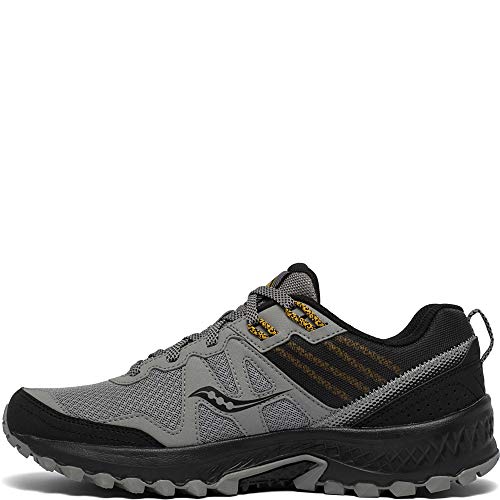
Trail Running Shoes With Wide Toe Box: Top Picks for Comfort

Trail running is more than just running on dirt paths or forest trails. It’s a full-body experience that tests your balance, strength, and endurance. But one of the most overlooked aspects of trail running is finding the right footwear—especially for runners who need extra space in the toe area. Trail running shoes with wide toe box options aren’t just a comfort upgrade; they’re often the difference between a satisfying run and painful blisters or black toenails. In this guide, you’ll learn what makes a wide toe box essential, how it impacts your performance, and what to look for when choosing your next pair.
Why Toe Box Width Matters In Trail Running Shoes
When you run on trails, your feet move and swell more than they do on the road. Each step can be unpredictable—rocks, roots, and changes in slope all push your feet in different directions. A wide toe box gives your toes room to splay and grip the surface, improving both comfort and stability.
Many runners don’t realize that a cramped toe box can lead to more than just sore feet. Issues like bunions, neuromas, and chronic blisters are often caused or made worse by tight shoes. For people with naturally wide feet, these problems are even more common. Even runners with average-width feet can benefit from extra space as their feet swell during long runs.
Non-obvious insight: Not all shoe companies use the same definition of “wide.” Some brands’ “wide” is another’s “regular.” Trying shoes on, or checking user reviews, can reveal if a shoe truly offers extra toe space.
Key Features Of Trail Running Shoes With Wide Toe Box
Trail shoes with a wide toe box aren’t just about space at the front. They combine several features to help you run safely and comfortably in tough conditions.
- Roomy forefoot: The shoe is noticeably wider at the front, allowing toes to spread.
- Protective toe cap: Extra space means nothing if you keep hitting rocks. Most wide toe box shoes have reinforced material around the toes.
- Strong grip: Trail terrain demands aggressive lugs or sticky rubber that won’t slip, even on mud or wet roots.
- Flexible upper: Many wide toe box shoes use mesh or knit uppers that stretch with your foot.
- Secure heel: A wide toe box doesn’t mean a loose fit overall. Good shoes lock your heel in place to prevent sliding.
- Durable midsole: The cushioning should support your foot shape, not force it into a narrow mold.
Practical tip: Some shoes claim to be “wide” but only add space in the midfoot, not the toe box. Look for brands or models known for naturally foot-shaped designs.
Common Problems Caused By Narrow Trail Shoes
If you’ve ever finished a run and pulled off your shoes with a sense of relief—or worse, pain—you may be wearing shoes that are too narrow. Here’s what can happen when your toes don’t have enough space:
- Black toenails: Repeated friction or pressure causes bleeding under the nail.
- Blisters: Skin rubs against the inside of the shoe, especially on downhills.
- Bunions: Over time, pushing the big toe inward can cause joint deformity.
- Cramps: Toes that can’t move freely may cramp, especially on uneven ground.
- Numbness: Nerve compression leads to tingling or loss of feeling.
Non-obvious insight: Foot problems often develop slowly. If you notice minor discomfort, don’t ignore it—small changes in shoe width can prevent bigger issues later.
Who Needs Wide Toe Box Trail Running Shoes?
Not every runner needs a wide toe box, but many would benefit from trying one. Consider these situations:
- Wide feet: Obvious, but many people don’t realize their feet are wider than average.
- Foot swelling: Feet expand during long runs, especially in heat.
- Bunions or hammertoes: Extra space helps accommodate these conditions.
- Barefoot-style runners: Those who prefer natural foot movement often want a wider forefoot.
- Runners with chronic toe blisters: A wider shoe may solve the problem.
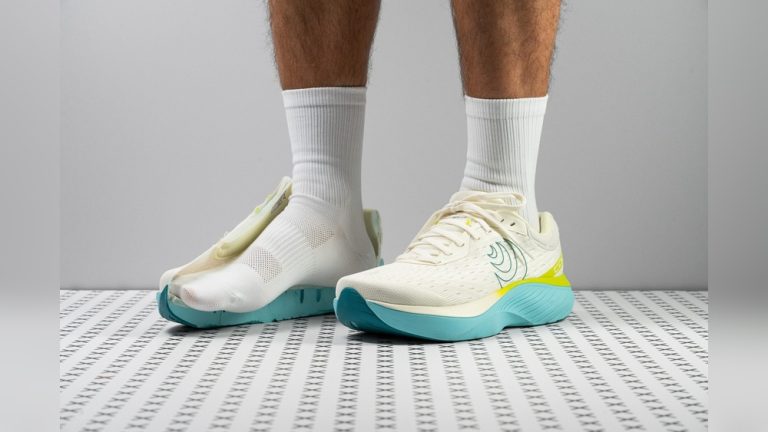
Practical example: If your toenails are always black after long runs, or you find yourself removing the insole for more space, a wide toe box could be what you need.

Credit: mncmea.org
How To Tell If A Trail Shoe Has A Wide Toe Box
Shoe stores often don’t label width clearly. Here’s how to check:
- Look for “wide” or “2E” (men’s) / “D” (women’s) in the product name.
- Check the shape: Place the shoe on a flat surface—does the forefoot look square or pointed?
- Try the “toe wiggle test”: Put on the shoe and stand. Can you lift and spread your toes?
- Read user reviews: Search for comments about toe room, not just overall width.
- Compare brands: Some, like Altra and Topo Athletic, are known for wide toe boxes even in their standard sizes.
Pro tip: Don’t assume “bigger size = wider.” Length and width are different. A larger size may give more length but not more toe room.
Top Trail Running Shoe Brands With Wide Toe Box Options
Some brands stand out for their commitment to natural foot shape. Here are a few that consistently offer wide toe box models:
Altra
Altra is famous for its “FootShape” design. All their shoes have a wide, rounded toe box, even in standard width. The Lone Peak and Timp are popular trail models.
Topo Athletic
Topo Athletic combines a roomy toe box with a snug heel for a secure fit. Their Ultraventure and Terraventure models are well-liked by trail runners who need space up front.
Hoka One One
Many Hoka shoes now come in wide versions, though not all have a truly wide toe box. The Speedgoat Wide and Challenger ATR Wide are good choices.
New Balance
New Balance offers wide and extra-wide options in many models, including trail shoes like the Hierro and Fresh Foam More Trail.
Merrell
Merrell’s “Wide” models, such as the Nova 2 and Moab Flight, provide extra space without sacrificing grip.
Brooks
Brooks’ Caldera and Cascadia trail shoes are available in wider widths, though the toe box is less roomy than Altra or Topo.
Non-obvious insight: Some European brands, like Inov-8, have started making wide-fit options. Always check the fit in person if you can, as sizing can vary by country.
Comparing Popular Trail Running Shoes With Wide Toe Box
Here’s a quick look at how some top models stack up for toe box width, cushioning, and grip:
| Model | Toe Box | Cushioning | Grip | Widths Available |
|---|---|---|---|---|
| Altra Lone Peak | Very wide | Moderate | Excellent | Standard |
| Topo Ultraventure | Wide | High | Very good | Standard |
| Hoka Speedgoat Wide | Moderately wide | Maximum | Excellent | Wide |
| New Balance Hierro Wide | Wide | High | Very good | Wide, X-Wide |
| Merrell Nova 2 Wide | Moderately wide | Moderate | Good | Wide |
Pro tip: The fit can feel different based on your foot shape. Some people find Topo shoes fit even better than Altra, despite both having wide toe boxes.
How To Choose The Right Wide Toe Box Trail Running Shoe
Picking the right pair goes beyond just buying the widest shoe. Here’s what matters most:
Foot Shape
Not all wide feet are the same. Some people need width in the forefoot, others throughout. Trace your foot on paper and compare it to the shoe’s outline if shopping online.
Terrain
- Rocky trails: Look for reinforced toe caps and sticky rubber.
- Muddy paths: Deep lugs help with grip.
- Dry, packed trails: Lighter shoes with less aggressive tread may be best.
Cushioning Level
- Long runs: More cushioning can help reduce fatigue.
- Short, fast runs: Firmer, lighter shoes may feel better.
Drop (heel-to-toe)
Zero-drop shoes (like Altra) keep your foot flat. Others offer 4-8mm drop for more traditional feel. Try both if you’re unsure—switch slowly to avoid calf strain.
Upper Material
Mesh is lighter and more breathable but less durable. Reinforced or knit materials last longer but may run hotter.
Sizing
Always try on shoes in the afternoon or after exercise, when your feet are largest. Wear the socks you plan to run in.
Price
Wide toe box shoes don’t have to be expensive, but don’t buy solely by price. Cheaper shoes often have less durable outsoles or weaker protection.
Common mistake: Focusing only on toe width and ignoring heel fit. A shoe that slips in the heel can cause blisters, even if the toe box is perfect.
How Wide Toe Box Shoes Impact Performance
Switching to a wide toe box can change your running form. Here’s what to expect:
- Better balance: Toes can spread, giving a more stable base.
- Improved grip: More toe space helps your foot grip rocks and roots.
- Reduced fatigue: Natural toe movement means less energy wasted.
- Fewer injuries: Less pressure on toes and nerves reduces common problems.
Example: Runners who switched to wide toe box shoes often report fewer blisters and less pain on long descents.
Many runners find relief after years of discomfort by simply changing their shoes. Here are some real examples:
- Maria, ultramarathoner: “I used to get nerve pain in my toes after 20 miles. Switching to Altra Lone Peaks solved the problem almost overnight.”
- James, weekend trail runner: “I have wide feet and tried going up a size, but it didn’t help. Topo shoes finally fit perfectly without my heel slipping.”
- Leah, beginner: “I didn’t even know shoes came in different widths. Now I tell all my friends with bunions to try wide toe box models.”
Non-obvious insight: It may take a few runs to adjust. Some people feel “sloppy” at first in wider shoes, but stability improves with practice.
The Downsides Of Wide Toe Box Trail Shoes
There are many benefits, but wide toe box shoes aren’t perfect for everyone.
- Less precise fit: On technical terrain, some runners feel less control.
- Heavier: Wide models can add a few extra grams.
- Limited selection: Not all models or colors are available in wide.
- Potential debris: More space means more chance for rocks or sand to get inside, especially with mesh uppers.
Pro tip: Gaiters can help keep debris out. Try before you buy if possible, especially for technical trail races.
Wide Toe Box Vs. Regular Trail Running Shoes
How do wide toe box models compare to standard trail shoes? Let’s look at the key differences.
| Feature | Wide Toe Box | Regular Toe Box |
|---|---|---|
| Toe Space | More room for toes to splay | Snug, tapered fit |
| Comfort (long runs) | Higher, less likely for blisters | Can cause pressure or rubbing |
| Stability | Improved, especially on uneven terrain | Good, but toes may feel cramped |
| Debris Entry | Higher, especially with mesh | Lower |
| Precision | May feel less precise on technical trails | Better for fast, technical running |
| Availability | Fewer models/colors | Wide selection |
Non-obvious insight: Some runners alternate between wide and regular toe box shoes based on the terrain or race distance.
How To Transition To Wide Toe Box Shoes
Switching from a narrow or traditional shoe to a wide toe box model may take some adjustment. Here’s how to do it safely:
- Start slow: Use your new shoes on short runs first, then gradually increase distance.
- Pay attention: Notice any new aches in your feet, ankles, or calves.
- Strengthen your feet: Try toe-spreading exercises or barefoot walking to build foot muscles.
- Alternate shoes: If possible, rotate your old and new shoes for a week or two.
Common mistake: Switching to a zero-drop, wide toe box shoe all at once. The change in foot position can strain calves if you’re not careful.
Care And Maintenance Tips For Wide Toe Box Trail Shoes
Wide toe box shoes need the same care as other trail shoes, but a few things matter more:
- Clean after muddy runs: Wide shoes with mesh let in more dirt. Rinse and air dry.
- Check for wear: With more toe movement, midsoles and uppers can wear out faster in the forefoot.
- Rotate pairs: Having two pairs extends shoe life and helps your feet recover.
- Replace insoles: Wide toe box shoes often come with thin or flat insoles. Consider custom insoles if you need more arch support.
Pro tip: Don’t dry shoes in direct sunlight; it can warp the shape, especially in wider models.
:max_bytes(150000):strip_icc()/vwt-wide-toe-box-shoes-apr-24-test-inov8-trail-fly-eric-steinmehl-6-ee8066d3a4b246c4afca0d1295307e5c.jpeg)
Credit: oginskiomenomokykla.lt
Women’s Trail Running Shoes With Wide Toe Box
Women often struggle to find trail shoes that are both wide and designed for their foot shape. Many brands now offer women’s-specific wide models.
- Altra Lone Peak Women’s: Same wide toe box as the men’s version.
- Topo Ultraventure Women’s: Built on a women’s last, with a roomy forefoot.
- New Balance Hierro Women’s Wide: Great for long distances and comfort.
Non-obvious insight: Women’s shoes aren’t just smaller versions of men’s. The heel is often narrower, and the arch is higher. A true women’s wide model fits better than wearing a men’s shoe in a smaller size.
Wide Toe Box Trail Shoes For Specific Foot Problems
If you have medical issues, the right shoe can make a big difference.
- Bunions: Look for soft, stretchable uppers and the widest toe box.
- Hammertoes: More vertical space helps prevent rubbing.
- Plantar fasciitis: Combine a wide toe box with good arch support and a cushioned heel.
Example: Some runners add orthotics to a wide shoe for the best combination of space and support.

Credit: www.youtube.com
Wide Toe Box Shoes And Barefoot/minimalist Running
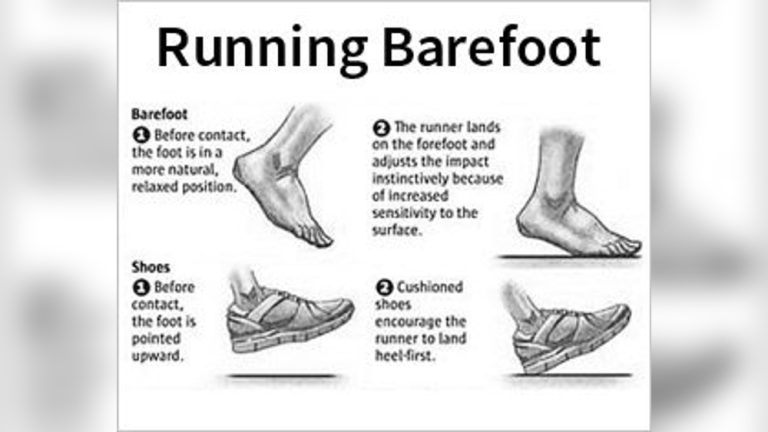
Barefoot and minimalist runners often seek wide toe box shoes. These allow natural toe spread and ground feel without the risks of running truly barefoot.
Popular minimalist models with wide toe boxes include:
- Altra Superior: Lightweight, zero-drop.
- Vivobarefoot Primus Trail: Ultra-flexible, very wide.
- Topo Runventure: Minimal cushioning, natural shape.
Non-obvious insight: Minimalist shoes require strong feet and gradual adaptation. Don’t switch instantly from traditional cushioned shoes.
Where To Buy Trail Running Shoes With Wide Toe Box
Finding the right pair can be tricky, especially if you want to try before you buy.
- Local specialty stores: Staff can measure your feet and recommend options.
- Online retailers: Sites like Running Warehouse and Zappos offer free returns on most shoes.
- Brand websites: Altra, Topo, Hoka, and New Balance let you filter by width.
Pro tip: Always check the return policy before ordering online. Some brands, like Topo, have fit guarantees.
The Future Of Trail Running Shoes With Wide Toe Box
The trend toward foot-shaped, natural footwear is growing. More brands are releasing wide toe box options, and runners are demanding better fit and comfort. Expect to see:
- More choices: Wider range of models and colors.
- Better materials: Stretchable, breathable uppers that don’t sacrifice durability.
- Customizable fit: Adjustable lacing or modular insoles.
As the market expands, it’s likely that wide toe box designs will become a standard option for every runner—not just those with wide feet.
For further reading on shoe fit and the science behind foot health, the Wikipedia page on barefoot running offers deep insights into why toe space matters.
Frequently Asked Questions
What Is A Wide Toe Box In Trail Running Shoes?
A wide toe box means the front part of the shoe is designed to be wider than standard models. This allows your toes to spread naturally, reducing pressure, blisters, and other foot problems during trail runs.
Can I Use Wide Toe Box Trail Shoes If I Have Normal-width Feet?
Yes. Many runners with average-width feet prefer a wide toe box, especially for long runs or hot weather when feet swell. It provides extra comfort and can help prevent injuries.
Are All “wide” Shoes The Same Across Brands?
No. Each brand has its own sizing system. One brand’s “wide” might feel like another’s “regular. ” Always try on shoes or check user reviews to see if they fit your foot shape.
How Do I Know If I Need A Wide Toe Box?
If you get blisters on your toes, black toenails, or feel your toes are cramped after runs, you may need a wider toe box. People with bunions or foot swelling often benefit most.
Do Wide Toe Box Shoes Weigh More?
Sometimes. Extra material can add a few grams, but the difference is usually small. The comfort and injury prevention benefits often outweigh the minimal weight increase.
Trail running can be tough on your feet, but finding the right shoe makes all the difference. Wide toe box trail running shoes offer comfort, stability, and protection—helping you enjoy the trail, mile after mile. If you’ve struggled with cramped toes or recurring foot issues, don’t hesitate to try a pair built for natural movement.
Your feet will thank you every step of the way.