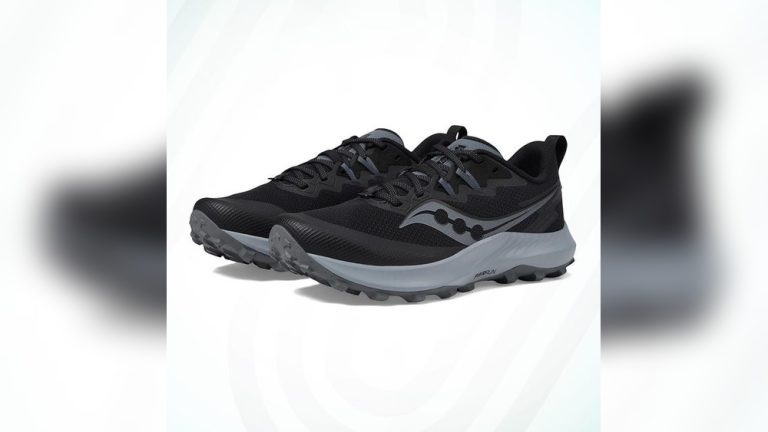
Running Shoes for Ankle Problems: Top Picks for Pain-Free Miles

Finding the right running shoes can feel overwhelming when you have ankle problems. Many people try shoe after shoe, hoping for less pain and better support. But the wrong shoes often make things worse. If you have weak ankles, frequent sprains, or ongoing discomfort, understanding what to look for in running shoes is essential.
This guide will help you make confident choices, avoid common mistakes, and run more comfortably, even with ankle challenges.
Why Ankle Problems Need Special Running Shoes
Ankles are complex joints that handle your body weight every time you step. When you run, the impact is even higher—up to three times your weight lands on each foot with every stride. If your ankles are weak or injured, ordinary running shoes might not protect you enough. Special running shoes for ankle problems are designed to:
- Stabilize the foot and ankle
- Reduce rolling (inversion/eversion)
- Absorb shock
- Support correct alignment
Without these features, you may face more pain, risk of new injuries, or slow recovery. Wearing the wrong shoes can even lead to knee, hip, or back issues as your body tries to compensate.
Common Ankle Problems In Runners
Understanding your ankle issue is the first step to better shoe selection. Each problem may need a slightly different shoe feature.
1. Weak Ankles
Some people naturally have less stability in their ankles. This makes them more likely to twist or roll their foot during a run. Weak ankles often need shoes with firm support and rigid heel counters.
2. Ankle Sprains
Sprains happen when you twist your ankle too far, stretching or tearing the ligaments. Runners who sprain their ankle once are more likely to do it again. Shoes with a wide base and good lateral support can help prevent future sprains.
3. Chronic Ankle Instability
After several sprains, some people develop chronic instability. Their ankle feels wobbly, especially on uneven surfaces. Shoes with high stability and sometimes ankle collars are best for these runners.
4. Tendonitis And Overuse Injuries
Swelling or pain around the ankle can come from overuse. Shoes with shock absorption and good cushioning reduce stress on the tendons.
5. Arthritis Or Old Injuries
Past injuries or arthritis can make your ankle stiff or sore. Shoes that offer motion control and extra padding can help you run more comfortably.
Key Features Of Running Shoes For Ankle Problems
Not all running shoes are equal. Some features make a big difference for anyone dealing with ankle pain or instability.
Stability
Stability shoes are designed to keep your foot from rolling too far inward or outward. They have firmer sides and sometimes a supportive arch. This helps align your ankle and reduces the risk of twisting.
Cushioning
More cushioning means less shock reaches your joints. But too much soft foam can sometimes feel unstable. Look for shoes that balance softness and structure.
Heel Counter
The heel counter is the part of the shoe that wraps around your heel. A stiff heel counter keeps your ankle in place, which is especially important if you’ve had sprains.
Midsole Support
Midsoles with denser foam or plastic inserts add support under your arch and the inside of your foot. This helps control foot motion and protects your ankle.
Outsole Grip
A good grip helps prevent slips, especially on wet or uneven surfaces. Deeper grooves or sticky rubber on the outsole add safety.
Ankle Collar And Height
Some shoes have a higher cut or extra padding around the ankle. This can offer more ankle support, but keep in mind that shoes should not press or rub your ankle bones.
Width And Fit
A shoe that’s too tight or too loose can create instability. Make sure the shoes fit your foot shape—many brands offer wide or narrow versions.
Comparing Shoe Types For Ankle Support
Not sure which category fits your needs? Here’s a side-by-side look at the most common types:
| Shoe Type | Key Feature | Best For | Potential Drawback |
|---|---|---|---|
| Stability Shoes | Supportive arch, firm sides | Overpronators, weak ankles | Can feel stiff to some |
| Motion Control Shoes | Maximum control, rigid base | Severe instability, flat feet | Heavier, less flexible |
| Cushioned Shoes | Extra padding, soft midsoles | Arthritis, tendonitis | Less stable for some runners |
| High-Top Running Shoes | Ankle collar, higher cut | Frequent sprains, trail running | Heavier, may reduce mobility |
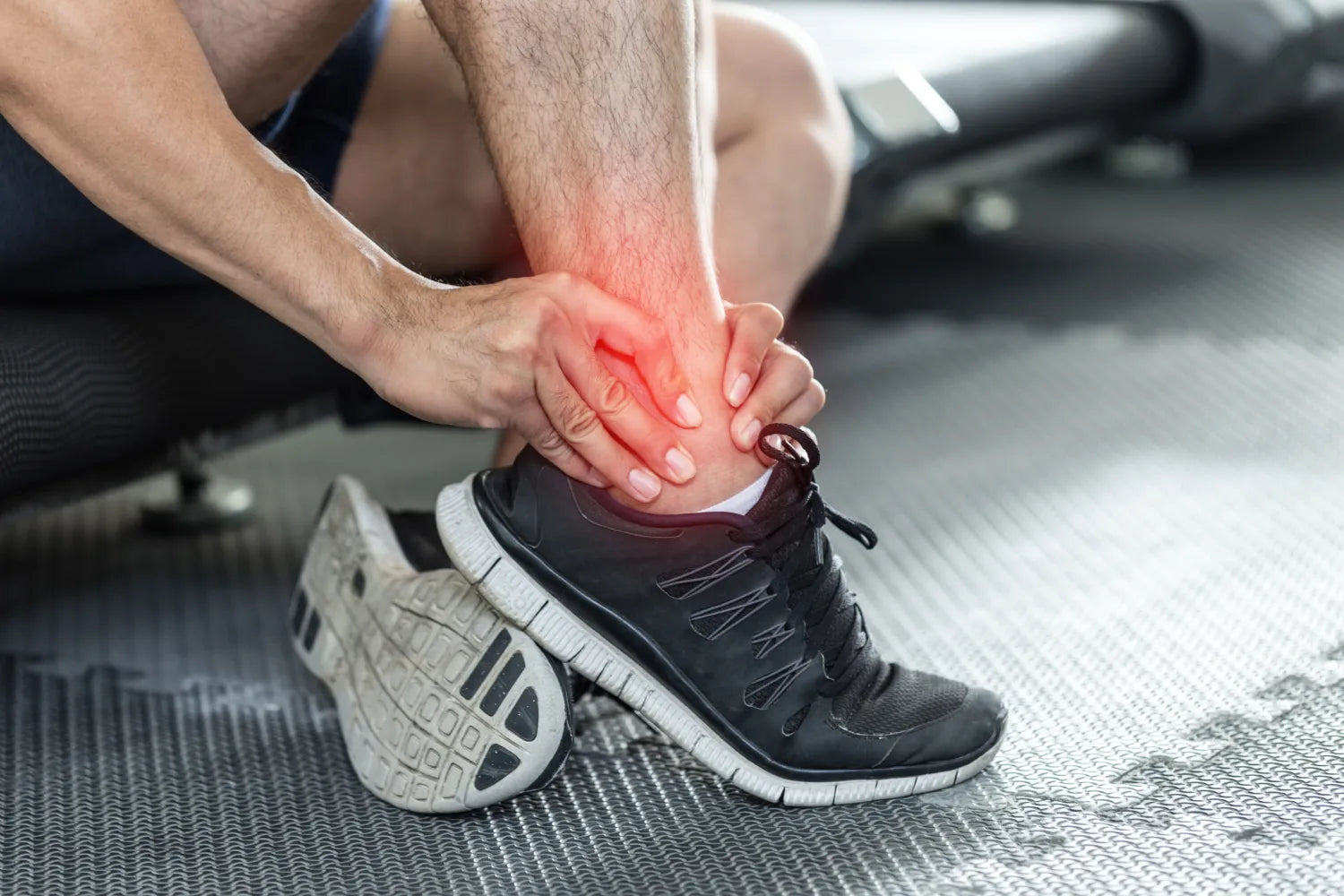
Credit: copperfitusa.com
How To Choose Running Shoes When You Have Ankle Problems
Picking the right shoe is not just about the brand or the look. Here’s a practical approach to finding the best pair for your needs.
1. Know Your Foot And Ankle Type
- If your foot rolls inward (overpronation), stability or motion control shoes are better.
- If your foot rolls outward (supination), you need shoes with more cushioning and flexibility.
- If you have a neutral stride, look for neutral or stability shoes with extra ankle support.
2. Try Shoes Later In The Day
Feet swell after walking or being active. Try on shoes in the afternoon to get the best fit.
3. Bring Your Old Running Shoes
Looking at the wear pattern helps shoe experts suggest the right features. Worn heels mean you might need a firmer heel counter. Worn sides may signal the need for stability.
4. Test On Different Surfaces
Walk and jog in the store. Try to move side-to-side and on your toes. Your ankle should feel secure, not wobbly.
5. Check For Pressure Points
Make sure the shoe does not rub or press on your ankle bones. Discomfort here can cause blisters or swelling.
6. Don’t Rely On Only One Shoe
If you run on trails and roads, consider having different shoes for each. Trail shoes often provide more ankle protection.
Top Running Shoe Brands For Ankle Support
Some shoe makers are known for their focus on ankle stability and injury prevention. Here are a few brands that stand out:
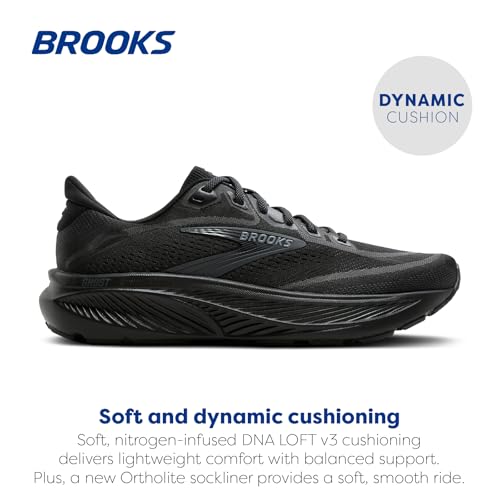
Brooks
Brooks offers several stability and motion control shoes. Their GuideRails system gently steers your stride, which helps protect weak ankles.
Asics
ASICS is famous for their GEL cushioning and firm heel counters. Models like the GEL-Kayano and GT-2000 are often recommended by physical therapists.
New Balance
New Balance shoes have a wide base and come in many widths. Their 860 and 1540 models are popular for ankle issues.
Saucony
Saucony uses a supportive midsole and a stable platform. The Guide and Hurricane lines are favored for mild to moderate ankle instability.
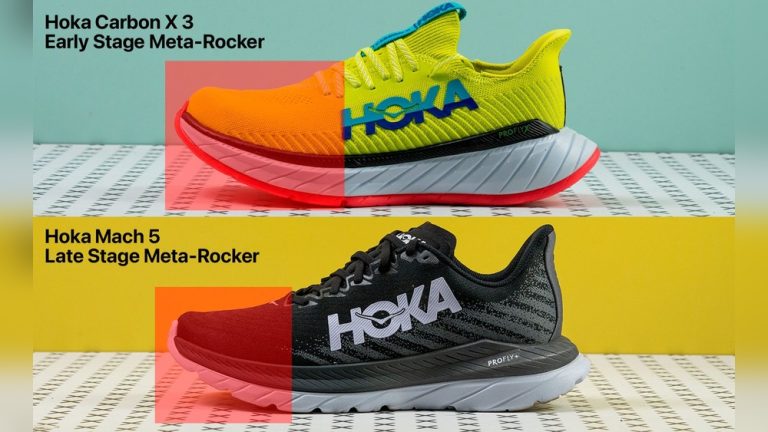
Hoka One One
HOKA shoes offer thick cushioning and a wide base. While soft, they often feel surprisingly stable for runners with sore ankles.

Credit: shoalcreekfac.com
Best Running Shoes For Ankle Problems (2024)
Here’s a comparison of top models recommended for ankle support, with key features and pros and cons:
| Shoe Model | Support Level | Cushioning | Best For | Cons |
|---|---|---|---|---|
| Brooks Adrenaline GTS 23 | High Stability | Medium | Weak ankles, overpronators | Slightly firm ride |
| ASICS GEL-Kayano 30 | High Stability | Plush | Chronic instability | Heavier than average |
| New Balance 860v13 | Stability | Medium | Wide feet, mild support | Less plush than others |
| Saucony Guide 16 | Stability | Soft | General ankle support | May feel narrow |
| HOKA Arahi 6 | Stability | High | Shock absorption | Unusual look for some |
Tips For Runners With Ankle Problems
Shoe choice is important, but it’s just part of the solution. Here are some ways to protect your ankles and run more safely.
Warm Up And Stretch
Always start with a gentle warm-up. Focus on your calves, ankles, and feet. Simple ankle circles and heel raises can reduce stiffness.
Strengthen Your Ankles
Stronger ankles are less likely to get injured. Try exercises like:
- Single-leg stands
- Heel-to-toe walking
- Resistance band movements
- Balance board drills
These exercises improve stability and balance.
Run On Safe Surfaces
Trails and uneven ground can increase the risk of rolling your ankle. If you’re recovering, stick to flat, predictable surfaces.
Listen To Your Body
Pain is a warning. If your ankle hurts while running, stop and rest. Running through pain can cause long-term damage.
Replace Shoes Regularly
Even the best shoes wear out. Most running shoes last about 300–500 miles. Old shoes lose support and shock absorption, increasing your injury risk.
Common Mistakes When Choosing Running Shoes For Ankle Problems
Many runners make avoidable mistakes that keep their ankle pain from improving. Here’s what to watch out for:
1. Choosing Too Soft A Shoe
Some believe that “more cushion is always better. ” But super soft shoes can make your ankle work harder to stay stable.
2. Ignoring Width And Fit
Shoes that are too narrow or too wide can cause your ankle to roll. Always check the fit, not just the length.
3. Not Replacing Old Shoes
Worn-out shoes lose their support, which is dangerous for weak ankles. Don’t wait until there are visible holes—replace shoes based on mileage.
4. Overlooking Heel Height
A high heel-to-toe drop can change your stride and put stress on your ankle. Many runners do better with a moderate drop (6–10mm).
5. Relying Only On Shoes
Shoes help, but they don’t fix ankle weakness by themselves. Strengthening exercises and safe running habits are also important.
When To See A Specialist
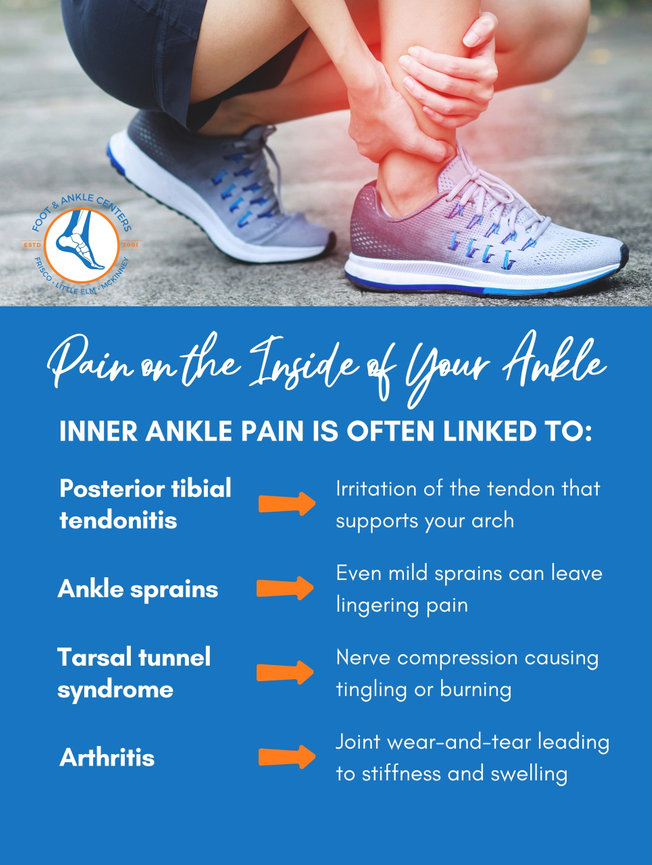
If you have ongoing ankle pain, repeated sprains, or swelling that doesn’t go away, it’s smart to see a healthcare provider. A physical therapist or sports doctor can check your gait, recommend exercises, and sometimes suggest orthotics or braces for extra support.
Don’t wait until pain becomes a serious injury.
Credit: www.dfwfoot.com
The Role Of Orthotics And Ankle Braces
Sometimes, shoes alone are not enough. Orthotics are custom inserts that fit inside your shoe. They can correct alignment, add cushioning, and prevent your foot from rolling too much.
Ankle braces offer extra support on top of your running shoe. They are especially useful after a sprain or for runners with severe instability. However, braces can sometimes feel bulky or restrict movement, so they’re usually a short-term solution.
Comparing Running Shoes Vs. Orthotics Vs. Braces
To make things clearer, here’s how each option helps with ankle support:
| Solution | Main Benefit | Best For | Downside |
|---|---|---|---|
| Running Shoes | General support, shock absorption | Mild-moderate instability | May not be enough for severe cases |
| Orthotics | Custom alignment, extra support | Flat feet, chronic pain | More expensive, takes time to adjust |
| Ankle Braces | Maximum ankle control | After injury, severe instability | Can feel bulky, less natural movement |
Non-obvious Insights For Runners With Ankle Issues
Shoe Rotation Reduces Injury Risk
Research shows that rotating between two pairs of running shoes (different models or types) can reduce the risk of injury by up to 39%. This is because each shoe stresses your foot and ankle slightly differently, avoiding overuse in one pattern.
Midsole Density Matters More Than Brand
Most runners focus on the brand or look, but the density of the midsole foam (how firm or soft it is) plays a bigger role in ankle support. A firmer midsole helps control your foot motion, while still cushioning impact. Ask about the midsole material when shopping.
Recovery And Running Comebacks
If you’re returning to running after an ankle injury, be patient. Start with short walks, then progress to easy runs. Focus on form—land softly, avoid sharp turns, and watch your step. Gradually increase your mileage, but don’t add more than 10% per week.
Ice your ankle after runs if you notice swelling. Compression socks or sleeves can also help reduce soreness. Keep checking your shoes for wear as you get stronger.
How Running Shoe Technology Is Evolving
Modern running shoes use advanced materials that blend support and comfort. Features like 3D-printed heel counters, adaptive cushioning, and stability rails are now common in top models. Some brands even use apps or digital scans to help you find the best fit. These advances mean that runners with ankle problems have better choices than ever before.
One example: Brooks’ GuideRails technology gently supports your stride only when you need it, instead of forcing your foot into a fixed position. This reduces fatigue and feels more natural over long runs.
Trusted Resources For Further Reading
If you want to go deeper into running shoe science, check out this American Orthopaedic Foot & Ankle Society resource. It covers ankle injuries, treatments, and shoe advice in simple language.
Frequently Asked Questions
What Is The Best Type Of Running Shoe For Weak Ankles?
Stability shoes are the best starting point for most people with weak ankles. They offer firmer sides, supportive arches, and a sturdy heel counter. For severe cases, motion control shoes can provide even more support. Always try shoes on and test them for side-to-side stability.
Can High-top Running Shoes Prevent Ankle Sprains?
High-top shoes can help by adding some ankle support, but they are not a guaranteed solution. Most running shoes are low-cut to allow natural movement. If you run on trails or have frequent sprains, a high-top or a shoe with an ankle collar might reduce your risk, but it’s still important to strengthen your ankles and use proper technique.
How Often Should I Replace Running Shoes If I Have Ankle Problems?
Replace your running shoes every 300–500 miles. For runners with ankle problems, it’s smart to lean toward the lower end of this range. Worn-out shoes lose their support and can make injuries more likely. Check for signs like compressed foam, uneven wear, or loss of grip.
Are Custom Orthotics Better Than Stability Shoes?
Custom orthotics can be helpful for some runners, especially those with flat feet or severe instability. However, for many people, a good stability shoe is enough. If you still have pain or frequent injuries after switching shoes, ask a specialist if orthotics might help.
Can I Run With Ankle Pain If I Wear Supportive Shoes?
No. Even with the best shoes, running through ankle pain is not recommended. Supportive shoes can reduce stress, but pain signals a problem. Rest, use ice, and see a doctor or physical therapist if the pain continues.
—
Choosing running shoes for ankle problems doesn’t have to be confusing or frustrating. Focus on stability, fit, and the right support for your unique ankle needs. Combine smart shoe choices with ankle-strengthening exercises and good running habits. With the right approach, you can protect your ankles and enjoy running for years to come.