
Running in the Snow Shoes: Tips for Safe and Fun Winter Runs

Running In The Snow Shoes
For many runners, winter means taking a break or switching to the treadmill. But what if you could embrace the cold and keep running outdoors, even after the snow falls? This is where running in snow shoes comes in. Snowshoe running is not just a way to stay fit in winter; it offers a fresh challenge, beautiful scenery, and a unique workout. If you’re curious about how to start, what gear you need, and how to do it safely, this guide covers everything you need to know.
Why Try Running In Snow Shoes?
Running in snow shoes brings a new twist to your usual routine. It’s a sport that combines cardio benefits with the beauty and calm of snowy landscapes. Unlike road running, snowshoe running is low-impact because snow softens each step. This means less stress on your joints, even as your body works harder.
Snowshoe running also burns more calories—up to 45% more than running at the same pace on dry ground. You’ll use muscles you don’t usually engage, especially in your hips, glutes, and lower legs. For those who love variety, snowshoe running breaks up the monotony of treadmill miles and keeps fitness interesting all winter.
Another bonus is mental health. Research shows that being outside in nature, especially in winter, can reduce stress and fight seasonal blues. As you run through fresh snow and quiet woods, you’ll likely feel more energized and focused.
How Snow Shoe Running Differs From Regular Running
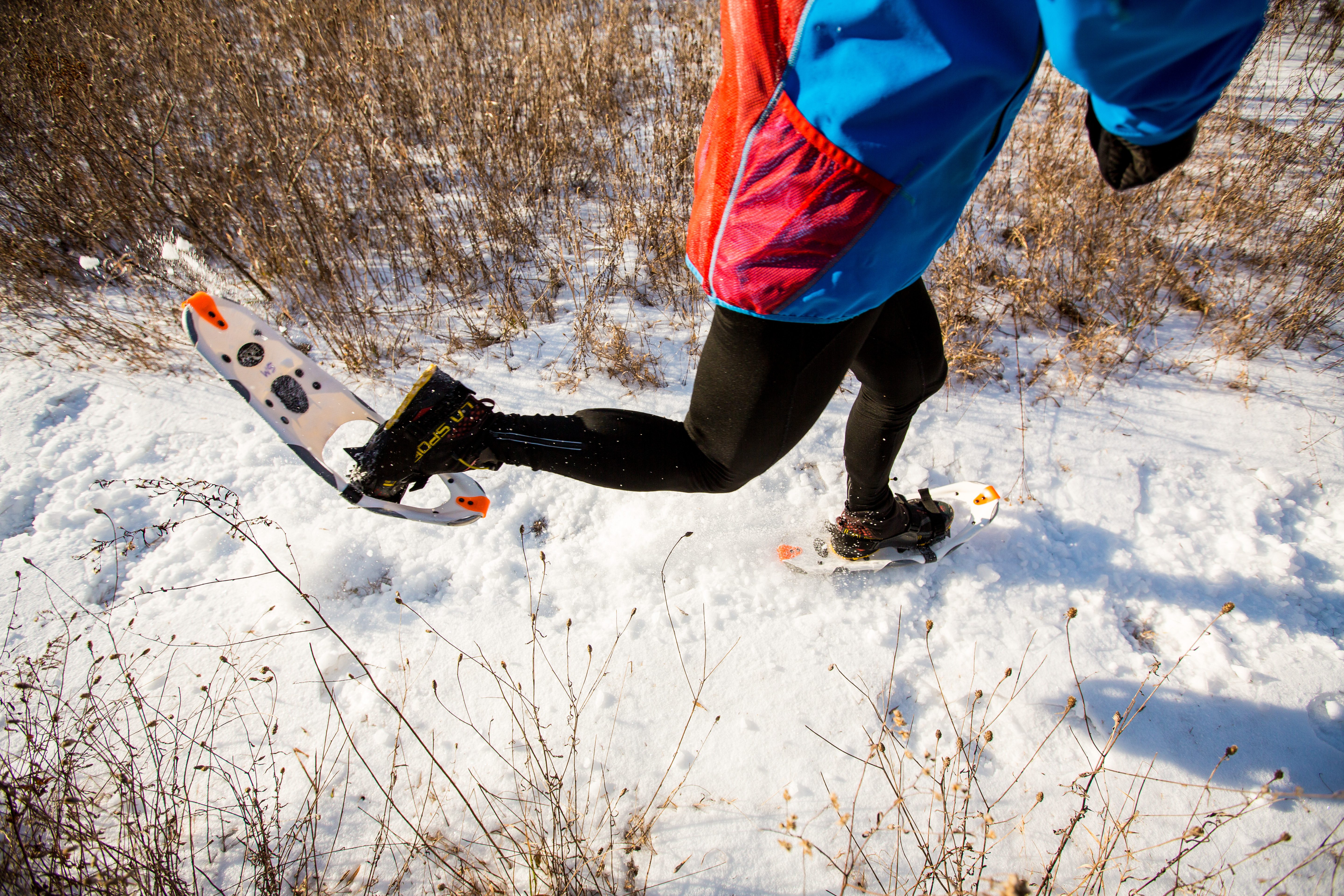
At first glance, snowshoe running looks similar to trail running, but there are key differences. With snowshoes strapped to your feet, each step is wider and your stride changes. You must lift your knees higher and move more deliberately to avoid tripping.
The surface is often soft and uneven, requiring more balance and strength.
There’s also the extra weight and width of snowshoes. Even lightweight running models add about 1-2 pounds per foot. This means your legs work harder with every step. It’s not just a physical shift—your pacing and expectations must change too.
Here are the main ways snowshoe running differs:
- Stride: Shorter, higher steps.
- Effort: More muscles engaged, higher calorie burn.
- Speed: Slower average pace.
- Surface: Variable and often softer, requiring balance.
- Gear: Specialized shoes, clothing, and sometimes poles.
Understanding these differences helps set realistic goals and avoid frustration as you adapt.
Choosing The Right Snow Shoes For Running
Not all snowshoes are made for running. Traditional snowshoes are wide, heavy, and designed for hiking, not speed. Running snowshoes are narrower, lighter, and shaped for a more natural stride.
Key Features To Look For
- Weight: Look for lightweight models (under 2 pounds per pair).
- Frame Size: Smaller frames (7”–9” wide, 20”–25” long) for quick movement.
- Bindings: Secure but easy to adjust, even with gloves.
- Traction: Good crampons or cleats for icy or packed snow.
- Flexibility: Flexible decks for better movement.
Brands like Dion, Atlas, and Crescent Moon make some of the most popular running snowshoes. Many races have rules for snowshoe size, so check before you buy if you plan to compete.
Comparison Of Popular Running Snow Shoes
Here’s a quick look at three top models:
| Model | Weight (Pair) | Frame Size | Best For | Price Range |
|---|---|---|---|---|
| Dion 121 | ~1.8 lbs | 8″x22″ | Racing | $230–$270 |
| Atlas Run | ~2.1 lbs | 8″x22″ | Training/Racing | $180–$220 |
| Crescent Moon Luna | ~1.9 lbs | 8″x24″ | Beginner/General | $160–$200 |
Pro tip: Try snowshoes on with your winter running shoes to ensure a comfortable fit.
Essential Gear For Snow Shoe Running
Running in snow shoes requires more than just the shoes themselves. Cold weather, wet conditions, and wind make the right gear essential for comfort and safety.
Clothing
Dress in layers, so you can adjust as your body warms up. A good system is:
- Base layer: Synthetic or merino wool shirt and leggings (no cotton).
- Mid layer: Fleece or light insulated jacket.
- Outer layer: Windproof, water-resistant shell.
- Socks: Wool or synthetic, avoid cotton.
- Gloves: Lightweight but warm, with windproof cover.
- Hat/Headband: Covers ears, not too heavy.
- Gaiters: Keep snow out of your shoes.
Footwear
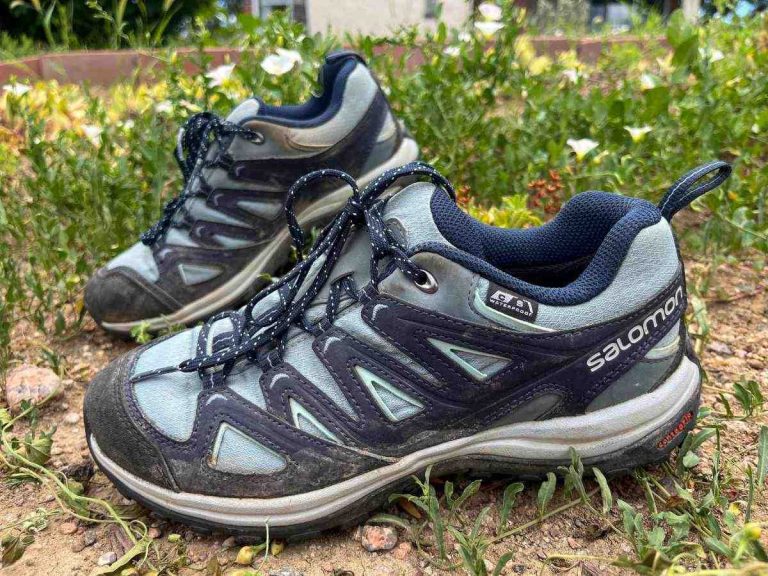
Use waterproof trail running shoes or light hiking boots. Make sure they fit well inside your snowshoe bindings. Some people add thin waterproof socks for extra protection.
Safety And Accessories
- Sunglasses or goggles: Sun reflects off snow, causing glare.
- Neck gaiter or buff: Protects face from wind.
- Running poles (optional): For extra balance, especially on steep or uneven terrain.
- Hydration pack: Insulated hose to prevent freezing.
- Microspikes: For icy patches when snowshoes aren’t needed.
Gear Comparison: Snow Vs. Regular Winter Running
| Item | Snowshoe Running | Winter Trail Running |
|---|---|---|
| Shoes | Snowshoes + waterproof runners | Trail runners, microspikes |
| Gaiters | Essential | Optional |
| Pole Use | Optional, helpful | Rarely used |
| Socks | Wool/synthetic, thick | Wool, medium |
| Outer Layer | Windproof, more insulation | Windproof, less insulation |
How To Start Running In Snow Shoes
Getting started is simple, but it helps to know a few basics. Here’s a practical approach for beginners:
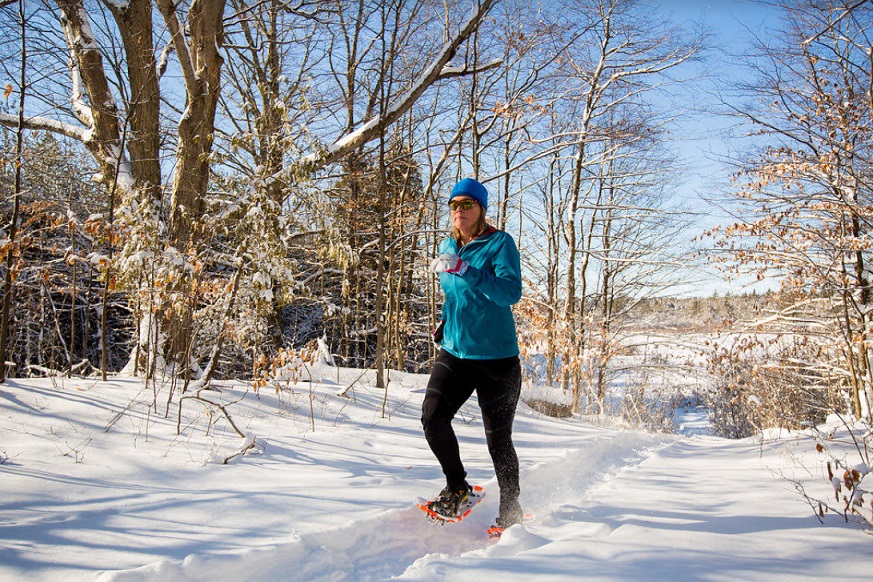
- Find flat, packed snow: Look for a golf course, park, or groomed trail with 4–8 inches of snow. Avoid deep powder at first.
- Warm up: Do dynamic stretches and a short walk to get used to the gear.
- Start slow: Walk for 5–10 minutes, then try easy jogging.
- Shorten stride: Take small steps, lifting your knees a bit higher than usual.
- Keep feet apart: This prevents tripping over the snowshoes’ frames.
- Balance and adjust: You’ll wobble at first—this is normal.
- Go for time, not distance: A 30-minute run in snowshoes can feel like an hour on the road.
Step-by-step Beginner Snow Shoe Run
- Preparation (10 minutes): Dress, check gear, warm up at home.
- Walk on snow (5 minutes): Get a feel for the snowshoes.
- Easy run (10 minutes): Gentle pace, short strides.
- Break and check: Adjust gear, drink water.
- Run-walk (10 minutes): Alternate 1 minute running, 1 minute walking.
- Cool down (5 minutes): Walk and stretch.
Total time: 40 minutes. This is enough for your first outing.
Insight: Most beginners try to run at their normal pace and quickly get tired. Focus on moving efficiently, not speed.
Techniques For Efficient Snow Shoe Running
Running in snowshoes is a skill you can improve. The right technique makes each run smoother and helps prevent injuries.
Foot Placement
Land with your foot flat on the snow. This gives better grip and balance. Avoid striking with just your heel or toe.
Arm Motion
Swing your arms slightly wider than usual, to balance the wider stance. If you use poles, plant them gently for rhythm, not for pulling yourself forward.
Uphill And Downhill
On uphills, lean slightly forward and take smaller steps. On downhills, keep your weight back and don’t overstride—snowshoes can catch and cause you to fall.
Turning
Pick up your feet more when turning to avoid crossing the snowshoe frames. Practice tight turns at slower speeds.
Breaking Trail
If you’re first on fresh snow, your pace will be much slower. Take turns with friends leading, or stick to packed trails until you have more experience.
Non-obvious tip: On icy crusts, step softly to avoid breaking through and twisting an ankle.
Where To Run: Best Terrains For Snow Shoe Running
The best snowshoe running routes are those with safe, consistent snow. Popular locations include:
- Groomed cross-country ski trails: Firm, smooth, and low avalanche risk.
- Golf courses: Wide-open, gentle slopes.
- Parks and fields: If allowed, these are great for beginners.
- Mountain trails: For advanced runners, offering more challenge and scenery.
- Frozen lakes: Only if ice is thick and safe (check local guidelines).
Avoid roads, thin ice, and areas with hidden rocks or roots. Always respect property rules, and never run on ski-only trails unless permitted.
Safety Tips For Running In Snow Shoes
Winter running has extra risks, but with good planning, it’s safe and fun. Here’s how to protect yourself:
Watch The Weather
Cold, wind, and blizzards can turn an easy run into a dangerous situation. Check the wind chill and forecast before heading out.
Dress For Conditions
Dress in layers you can unzip or remove. Overheating is as risky as being too cold, especially if sweat freezes.
Run With Others
If possible, run with a friend. If you go alone, tell someone your route and expected return time.
Carry A Phone And Id
Keep a charged phone in a pocket close to your body, so the battery stays warm. Carry ID and a small first-aid kit.
Hydrate And Fuel
You still sweat in cold weather. Drink water before, during, and after your run. Carry snacks—cold burns more calories.
Be Avalanche Aware
If running in mountains, learn avalanche safety. Carry a beacon, probe, and shovel if in risky areas.
Common Mistakes To Avoid
- Wearing cotton: It soaks up sweat and makes you cold.
- Starting too fast: Snowshoe running is harder—pace yourself.
- Ignoring trail conditions: Hard-packed ice and hidden rocks can cause injuries.
- Underestimating the cold: Frostbite can happen quickly, especially on toes and fingers.
Insight: Many runners forget to protect their faces. A simple buff or face mask prevents frostnip and windburn.
Credit: triathlonmagazine.ca
Training Plans For Snow Shoe Running
Whether you’re running for fun or training for a race, a structured plan helps you progress safely.
Sample 4-week Beginner Plan
Week 1: 2 runs of 20–30 minutes, focus on walking and easy running
Week 2: 2 runs of 25–35 minutes, add some gentle hills
Week 3: 3 runs of 30–40 minutes, mix run/walk and steady running
Week 4: 3 runs of 35–45 minutes, try one interval session (1 minute hard, 2 minutes easy x 5)
Add stretching and core strength work 2–3 times a week. Always listen to your body—snowshoe running is high effort.
For Advanced Runners
Include intervals, tempo runs, and long easy outings. Try running in deeper snow or on rolling terrain for extra challenge. Some runners use snowshoe season to build a strong aerobic base for spring races.
Note: You may need more recovery between sessions than with regular running.
Snow Shoe Running Races And Events
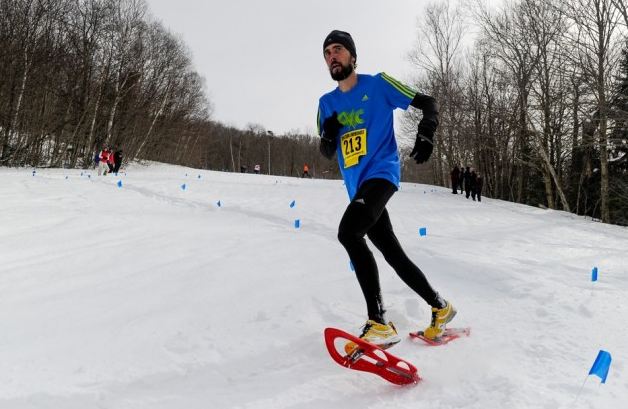
Snowshoe racing is growing in popularity, especially in the US, Canada, and Europe. Most races are 5K or 10K, held on groomed courses. Some are part of winter festivals or trail running series.
What To Expect At A Race
- Mass starts: All runners go at once.
- Varied terrain: Packed snow, hills, and sometimes deep powder.
- Equipment checks: Organizers may check snowshoe size.
- Fun atmosphere: Many races have music, hot drinks, and prizes.
How To Prepare
- Train on similar terrain.
- Practice putting on and removing snowshoes quickly.
- Bring extra clothing to change after the race.
Major Snow Shoe Races
- US Snowshoe Association National Championships
- World Snowshoe Championships
- Empire State Snowshoe Series (New York)
- Snowshoe Canada Race Series
For more details on upcoming events, visit the United States Snowshoe Association.
Credit: www.snowshoemag.com
Health Benefits Of Snow Shoe Running
This sport offers all the benefits of running, plus some unique extras:
- Higher calorie burn: Up to 1000 calories per hour for a 150-pound runner on hilly terrain.
- Improved strength: Works glutes, quads, hip flexors, and stabilizers.
- Better balance and coordination: Navigating snow and uneven ground trains your body.
- Heart health: Aerobic exercise in cold weather increases cardiovascular efficiency.
- Mental boost: Outdoor exercise in winter light can reduce depression and anxiety.
Snowshoe running is also accessible—if you can walk, you can learn to snowshoe run.
Interesting fact: A study published in the Journal of Strength and Conditioning Research found that snowshoe running produced similar improvements in fitness as regular running, with less impact on joints.
Environmental Impact And Snow Ethics
Running in snowshoes is low-impact compared to some winter sports, but there are still responsibilities.
Leave No Trace
- Stay on marked trails where possible.
- Don’t trample small trees or fragile vegetation under snow.
- Pack out all trash.
Respect Wildlife
Winter is tough for animals. Avoid chasing or disturbing wildlife, and keep dogs on leash if allowed.
Trail Sharing
Groomed trails are often shared with skiers and hikers. Stay to one side, avoid post-holing (making deep holes without snowshoes), and be courteous.
Non-obvious tip: On sunny days, snowshoe tracks can freeze overnight, creating hazards for others. If possible, flatten deep tracks at the end of your run.
How To Care For Your Snow Shoes And Gear
Proper maintenance extends the life of your equipment and keeps you safe.
After Each Run
- Knock off snow and ice.
- Dry bindings and shoes at room temperature (not near direct heat).
- Brush dirt or salt from metal parts.
Storage
- Store snowshoes flat in a cool, dry spot.
- Avoid compressing the frames or bending the decking.
Shoe And Clothing Care
- Wash socks and base layers after each use to prevent odor.
- Re-waterproof shoes if snow starts to soak through.
- Check for wear on straps, buckles, and gaiters.
Tip: At the end of winter, inspect snowshoes for cracks or bent parts and repair before next season.
Advanced Tips: Going Beyond The Basics
Once you’re comfortable, try these ideas for more variety and challenge:
- Night runs: Use a bright headlamp; snow reflects light well but beware of wildlife.
- Intervals: Sprint short sections on packed snow, then recover.
- Hills: Find gentle slopes for uphill strength workouts.
- Backcountry: Explore off-trail (with avalanche safety skills).
- Group runs: Many running clubs host snowshoe outings.
Pro insight: Some runners attach lightweight snowshoes to a running vest and switch to microspikes on icy, thin snow sections for speed.
Credit: runningmagazine.ca
Frequently Asked Questions
What’s The Difference Between Snowshoe Running And Snowshoe Hiking?
Snowshoe running uses smaller, lighter snowshoes and faster movement. Hiking snowshoes are bigger and heavier, designed for walking. Running snowshoes let you keep a more natural, quick stride.
Can I Use My Regular Running Shoes With Snowshoes?
Yes, but they should be waterproof trail running shoes with a snug fit. Avoid regular road shoes—they lack grip and get wet easily.
Is Snowshoe Running Good For Beginners?
Absolutely. If you can walk, you can start snowshoe running. Begin with short outings on flat, packed snow and build up as you feel comfortable.
How Do I Prevent Blisters And Cold Feet?
Wear moisture-wicking wool socks, make sure your shoes fit well, and use gaiters to keep out snow. Change socks after running if your feet get sweaty.
Are There Any Risks I Should Know About?
The main risks are cold injuries (like frostbite), falls, and getting lost. Dress properly, know your route, and carry a phone or GPS for safety.
Running in the snow shoes opens up a whole new world for runners who want to enjoy winter. It’s a challenging but rewarding way to stay fit, explore nature, and keep your spirits high during the cold months. With the right gear and a bit of practice, you can safely enjoy snowy trails and improve your fitness all season long.
Whether you run for fun, competition, or adventure, snowshoe running proves that winter is not a time to slow down—it’s a time for new journeys.
18 Comments