Newton Kismet Running Shoes Mens 12: Ultimate Comfort Review

If you are searching for a running shoe that blends comfort, support, and performance, the Newton Kismet Running Shoes Mens 12 might be on your shortlist. Runners often struggle to find shoes that match their stride, fit well, and help reduce injury risk. Newton, a brand known for its unique forefoot lugs and responsive ride, offers the Kismet series as a solution for men with moderate stability needs. But does the Kismet live up to its reputation, especially for men with size 12 feet? This guide takes a close look at every feature, benefit, and consideration—so you can decide if these shoes are the right fit for your goals.
What Makes Newton Kismet Unique?
Newton running shoes stand out for their Action/Reaction technology. Unlike traditional shoes that focus cushion in the heel, Newton’s lugs are under the forefoot. When your foot lands, these lugs compress and release, creating a trampoline-like effect. This encourages a more midfoot or forefoot strike, which may reduce impact on your joints and improve running efficiency.
The Kismet model is designed for men who want mild stability without the stiffness of heavy motion-control shoes. It’s made to support runners with a slight inward roll of the foot (overpronation), but it’s flexible enough for neutral runners too. The Kismet is especially popular among those transitioning from traditional running shoes to Newton’s unique platform.
Design And Aesthetics
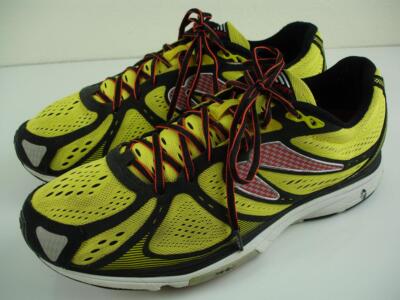
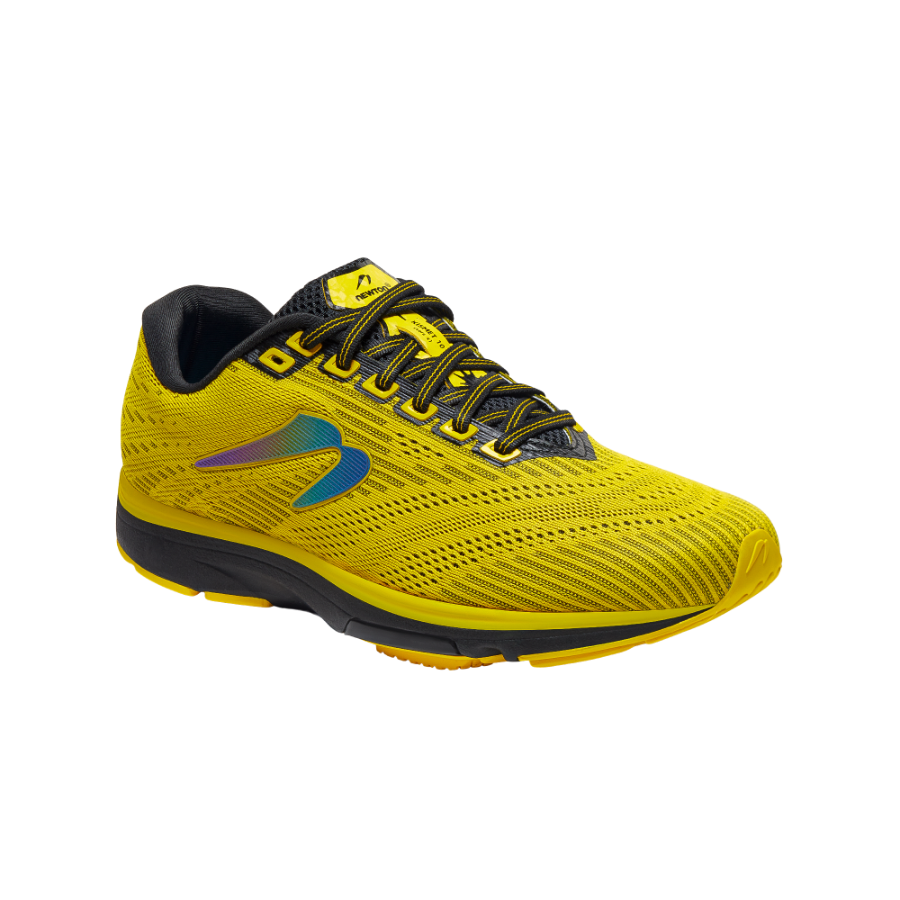
Newton Kismet shoes offer a distinctive look. Their bold colors and reflective details are not just for style—they also provide visibility for early morning or evening runs. The upper is made from engineered mesh that is both breathable and supportive, hugging the foot without causing hot spots or pressure points.
The toe box is roomy, which is important for men with size 12 feet who may experience pinching in narrower shoes. The heel counter is firm but not intrusive, offering stability without rubbing or discomfort.
Credit: www.ebay.com
Fit And Sizing For Men’s 12
Getting the right fit is critical, especially for larger sizes. Newton running shoes tend to run true to size, but the Kismet has a slightly wider forefoot compared to some other Newton models. This makes it a strong choice for men with regular or slightly wide feet.
One aspect beginners often miss: Newton’s lugs under the forefoot can feel odd at first. Some describe it as running on small pads or bumps. Most runners adjust after a few runs. If you have never worn Newton shoes before, it’s smart to wear them on shorter runs at first, allowing your feet and legs time to adapt.
How Size 12 Compares
Here’s a comparison of how the Newton Kismet fits versus other popular running shoes in men’s size 12:
| Shoe Model | Length (inches) | Width (forefoot) | Arch Support |
|---|---|---|---|
| Newton Kismet | 11.8 | Medium-Wide | Moderate |
| Brooks Adrenaline GTS | 11.9 | Medium | High |
| Nike Structure | 11.8 | Narrow-Medium | Moderate |
| ASICS GT-2000 | 11.8 | Medium | High |
This shows the Kismet is a bit more accommodating in the forefoot compared to Nike Structure and similar to ASICS or Brooks.
Key Features Of Newton Kismet Running Shoes
Let’s break down the standout features that set the Kismet apart:
1. Action/reaction Technology
The signature feature of all Newton shoes, including the Kismet. The five forefoot lugs provide a responsive ride and help promote an efficient stride.
2. Em (extended Medial) Support
This offers a gentle correction for overpronation without making the shoe feel stiff or heavy.
3. Engineered Mesh Upper
This lightweight, breathable material keeps feet cool. It also adapts to your foot shape, reducing the risk of blisters.
4. Padded Heel Collar And Tongue
These small details add comfort, helping to lock the heel in place and prevent slippage.
5. Durable Rubber Outsole
The outsole uses abrasion-resistant rubber in high-wear areas, giving the shoe a longer lifespan.
6. Removable Insole
Allows for custom orthotics, which is a bonus for runners with special support needs.
7. Reflective Accents
Increases visibility in low-light conditions, which is crucial for safety.
8. Zero-drop Platform (low Drop)
The Kismet has a low heel-to-toe drop (about 4. 5mm), which encourages a more natural footstrike.
Technical Specifications
Here’s a summary of the Newton Kismet’s specs for men’s size 12:
| Feature | Specification |
|---|---|
| Weight | Approx. 9.2 oz (260g) |
| Heel-to-Toe Drop | 4.5 mm |
| Stack Height (Heel/Forefoot) | 25mm / 20.5mm |
| Support Type | Mild Stability |
| Upper Material | Engineered Mesh |
| Outsole Material | Durable Rubber |
Performance On The Road And Track
The Newton Kismet is built for road running, but it handles well on tracks and even light trails. Its responsive feel makes it popular with runners who prefer a “lively” shoe. The forefoot lugs, which are Newton’s hallmark, encourage you to land more towards the front or middle of your foot.
Cushioning And Responsiveness
The Kismet isn’t as plush as some maximalist shoes, like HOKA, but it isn’t harsh either. The cushioning is firm yet springy, which helps with quick toe-offs. This can make your stride feel more energetic, especially during tempo runs or intervals.
Stability For Overpronators
The EM support works best for runners with mild to moderate overpronation. If you need strong motion control, a shoe like the Brooks Adrenaline or ASICS Kayano may be better. But if you want just enough support without a “blocky” feel, the Kismet strikes a nice balance.
Grip And Traction
The outsole’s rubber holds up well on wet or dry pavement. However, if you run mainly on muddy or technical trails, the lugs don’t provide the deep grip of trail-specific shoes.
Durability
Most runners report getting around 350-450 miles from the Kismet before the outsole or lugs wear down. Some even reach 500 miles with careful rotation and use. This is on par with other premium running shoes.
Comfort For Long Runs
One area where the Newton Kismet shines is in comfort for longer runs. The breathable mesh prevents overheating, and the roomy toe box reduces the chance of blisters or black toenails, which can be a problem in snug shoes—especially for men’s size 12.
Another often-missed detail: the Kismet’s lacing system helps to evenly distribute pressure across the top of your foot. This avoids “lace bite,” a common complaint in narrow shoes. If you have high arches or a tall instep, this feature will be noticeable.
For marathon training, the Kismet offers enough cushion to protect your feet on long runs while staying light enough for speed work. Some runners choose it as their race-day shoe for half marathons or marathons, especially if they favor a responsive ride over soft cushioning.
Who Should Consider The Newton Kismet?
The Newton Kismet is not for everyone. It’s best for certain types of runners:
- Mild overpronators who want stability without bulk
- Neutral runners who like a responsive feel
- Runners transitioning to a midfoot or forefoot strike
- Men with medium to slightly wide feet (especially in size 12)
- Those who want a shoe for both daily training and tempo runs
However, if you have very wide feet or need strong motion control, you might find the Kismet too snug or not supportive enough. Likewise, if you only run on trails, a different shoe may be better.
Breaking In And First Impressions
The first run in a Newton Kismet can feel unusual. The forefoot lugs are obvious at first, and your calves may feel sore after a few runs. This is a normal adjustment, as the shoes encourage you to use muscles that traditional running shoes don’t activate as much.
A practical tip: start with short runs (2-3 miles) for your first week, then gradually increase distance. This lets your feet and legs adapt to the new stride pattern. Trying to run long distances right away can lead to soreness or injury.
Most runners report that after 20-30 miles, the shoes feel natural, and the lugs become less noticeable. The benefit is a more efficient stride and, for some, fewer injuries related to heel striking.
Real-world User Reviews
Reviews for the Newton Kismet are generally positive, especially among runners looking for a responsive, supportive shoe. Here are some insights from actual users:
- Many appreciate the springy ride and say the shoes help them feel faster during workouts.
- Runners with wider feet like the roomy forefoot.
- Some users mention the shoes are durable and last longer than expected.
- A few beginners found the forefoot lugs uncomfortable at first, but most adapted after a few runs.
- Some runners with high arches use custom insoles with good results.
However, a few common complaints include:
- The price is higher than average running shoes.
- The unique feel takes time to adjust to.
- Not ideal for trail running or very wide feet.
Comparing Newton Kismet To Other Running Shoes
How does the Kismet stack up against other popular models? Here’s a side-by-side look at the Kismet versus two other shoes in the same category:
| Feature | Newton Kismet | Brooks Adrenaline GTS | Nike Structure |
|---|---|---|---|
| Weight (Men’s 12) | 9.2 oz | 10.6 oz | 10.2 oz |
| Support Type | Mild Stability | Moderate Stability | Moderate Stability |
| Heel-to-Toe Drop | 4.5 mm | 12 mm | 8 mm |
| Forefoot Feel | Responsive, with lugs | Traditional | Traditional |
| Fit | Medium-Wide Toe Box | Medium | Narrow-Medium |
| Price Range | $140-$160 | $130-$150 | $120-$140 |
The Kismet stands out for its lighter weight and lower drop, which may suit runners who want a more natural stride.

Credit: www.newtonrunning.com
Care And Maintenance
To maximize the life of your Newton Kismet shoes, follow these tips:
- Alternate with other shoes if you run often. This gives the foam time to recover and prolongs durability.
- Clean gently with a soft brush and warm water. Avoid harsh detergents or machine washing, which can break down the materials.
- Air dry only. Never use heat or direct sunlight, as this can warp the shoe.
- Check the forefoot lugs regularly for wear. Replace the shoes when the lugs or outsole become flat or lose grip.
Price And Value
Newton Kismet shoes are in the premium running shoe category, usually costing between $140 and $160. While this is more than basic models, the quality and unique ride justify the price for many runners.
Some retailers offer sales, especially on previous year’s colors. If you’re budget-conscious, look for these deals, but make sure you buy from authorized sellers to ensure authenticity and warranty coverage.
Common Mistakes When Buying Or Using Newton Kismet
- Ignoring the break-in period: Don’t be discouraged if the shoes feel strange at first. Give your body time to adapt.
- Ordering the wrong size: Always try them on, or order from a store with a good return policy. Some runners need half a size up for the best fit.
- Not rotating shoes: Using one pair for every run can reduce their lifespan. Alternate with another pair if possible.
- Using on technical trails: The Kismet is best on roads and tracks, not rocky or muddy trails.
- Expecting “max-cushion” comfort: The Kismet is responsive, not pillowy soft like HOKA or some ASICS models.
Sustainability And Ethical Manufacturing
Newton Running has a strong reputation for eco-friendly practices. The Kismet uses recycled materials in the mesh upper and packaging. Newton was one of the first running brands to become a Certified B Corporation, meaning they meet high standards for social and environmental responsibility.
This is a non-obvious benefit that many buyers overlook. If you care about sustainability, the Kismet is a smart choice.
Tips For Getting The Most From Your Newton Kismet
- Transition slowly if you’re new to Newton’s platform. Your calves and feet need time to adjust.
- Use proper socks: Thin, moisture-wicking socks reduce friction and help the shoes fit better.
- Replace insoles if needed: The removable insole allows for custom orthotics, which can enhance comfort and support.
- Monitor wear patterns: The unique lugs may wear unevenly if your stride is not balanced. If you notice excessive wear on one side, consider having your gait checked by a running store.
Where To Buy Newton Kismet Running Shoes Mens 12
You can find the Newton Kismet at major running specialty retailers, Newton’s official website, and some online stores. Always check for return policies and warranty coverage. Be cautious of deals that seem too good to be true—counterfeit shoes are a real problem, especially with popular models.
For the most up-to-date information, visit the official Newton Running website.
Credit: www.newtonrunning.com
Frequently Asked Questions
Is The Newton Kismet Good For Wide Feet?
The Kismet has a medium to slightly wide toe box, which fits many men with wider feet. However, if you have very wide feet (EE or wider), you may find it snug. Trying the shoes on before buying is the best way to confirm fit.
How Long Does The Newton Kismet Last?
Most runners get between 350 and 450 miles from a pair, depending on running style and surface. Rotating with another pair and keeping them clean can extend their life.
Does The Kismet Help With Knee Pain?
The Kismet encourages a midfoot strike, which may reduce knee stress for some runners. However, it’s not a guarantee—knee pain is complex. Always consult a medical professional for ongoing issues.
Can I Use Custom Orthotics With The Newton Kismet?
Yes, the Kismet comes with a removable insole, so you can use custom orthotics if needed. Make sure your orthotics are not too thick, as this can affect fit.
Is The Newton Kismet Suitable For Beginners?
The Kismet is beginner-friendly, but the unique forefoot lugs require an adjustment period. Start with short runs and gradually increase distance to avoid soreness.
The Newton Kismet Running Shoes Mens 12 offer a unique blend of comfort, support, and responsive ride—especially for runners seeking a more natural stride and mild stability. With a roomy fit, eco-friendly design, and strong durability, they stand out in a crowded market.
Remember to allow for a break-in period, and don’t hesitate to seek advice from a specialty running store if you’re unsure about sizing or fit. With the right approach, the Kismet can help you run farther, faster, and with greater enjoyment.