12mm Heel Drop Running Shoes: Top Picks & Fit Guide

12mm heel drop running shoes ease calf strain, support heel strikers, and feel familiar.
If you want comfort, support, and a smooth ride, 12mm heel drop running shoes deliver. I have run in many pairs over the years. I coach runners who use them too. This guide breaks down who they suit, how they work, what to buy, and how to train well in them. Read on to learn the science, my field notes, and simple tips you can use today.
What 12mm Heel Drop Means
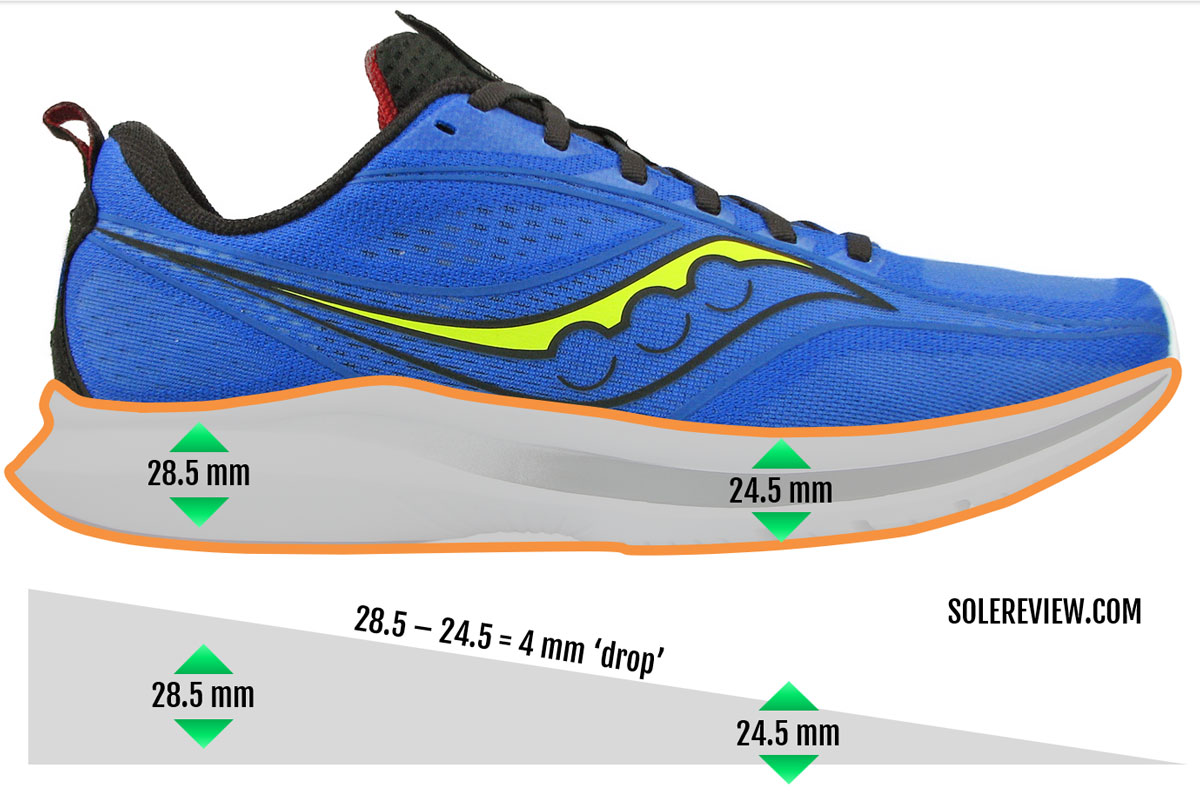
Heel drop, also called offset, is the height gap between heel and forefoot. A 12mm drop means the heel sits 12 millimeters higher than the toe. This shape shifts some load from calves and Achilles to the knees and hips. It often feels soft and safe for long miles.
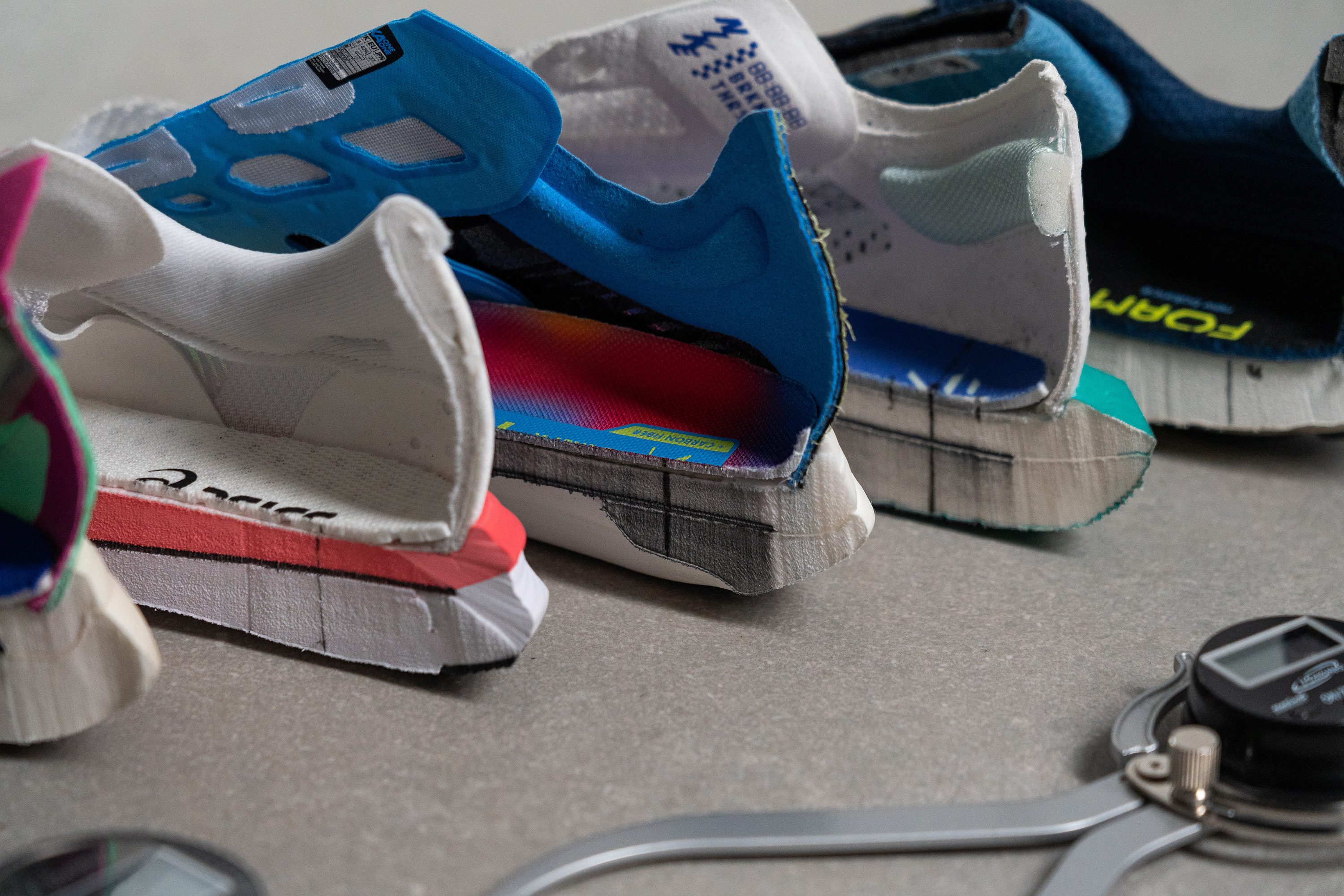
Stack height is the total foam under foot. Heel drop is only the difference. You can have a tall shoe with low drop or a short shoe with high drop. Do not mix those up. Both matter for feel and form.
In lab tests, higher drops reduce ankle bend and strain in the Achilles. That can help runners with tight calves. It can also ease sore tendons during a build. 12mm heel drop running shoes are a top choice for many daily miles.
Who Benefits From 12mm Heel Drop Running Shoes
12mm heel drop running shoes serve a wide group. They shine for heel strikers and for runners who need a gentle landing. They also work well in long runs when form starts to fade.
You may benefit if you:
- Have a history of Achilles or calf pain and want less pull there.
- Wear orthotics and need a stable heel platform.
- Prefer a classic, traditional feel under the heel.
- Run on roads and want a smooth, rolled stride.
- Do a lot of easy runs and recovery days.
In my coaching notes, new marathoners often relax in these shoes. They land softer, run longer, and feel less beat up the next day. 12mm heel drop running shoes can be a smart first pick.
Pros and Cons of 12mm Heel Drop
Every choice in a shoe is a trade. Here is the balance for 12mm.
Pros:
- Lowers calf and Achilles load.
- Smooth for heel strikers and long runs.
- Works well with inserts or mild stability needs.
- Feels familiar if you grew up on classic trainers.
Cons:
- Can feel clunky to midfoot or forefoot strikers.
- May shift more load to the knee for some runners.
- Not ideal if you want more ground feel or a flat profile.
The key is match the shoe to your needs. 12mm heel drop running shoes are one tool of many.

How 12mm Heel Drop Affects Form and Injury Risk
Form is a system. Shoe drop changes small parts of that system. A 12mm drop reduces ankle flex and calf load. It can nudge you to land a touch more on the heel. For most daily runs, that is fine.
What about injury risk? Evidence says there is no single safe shoe. Risk drops when load matches your tissues. If your calves flare, a higher drop can help. If your knees ache, test if a lower drop feels better. Track your body. Change one thing at a time.
Helpful cues:
- Keep a quick, light cadence near 170–180 steps per minute.
- Land under your hips, not far out front.
- Let the shoe roll you forward, do not stomp.
- Use strength work for calves, hips, and feet.
With these habits, 12mm heel drop running shoes can be kind to your body.

12mm Heel Drop vs Low Drop and Zero Drop
Think of drop like slope. More slope at the heel equals higher drop. Less slope equals lower drop.
- 12mm drop: Cushy feel at heel, easy transitions, great for easy and long runs.
- 6–8mm drop: Balanced, works for many paces and foot strikes.
- 0–4mm drop: More ground feel, more calf load, can feel fast but needs care.
If you move from 4mm to 12mm, give your knees time to adapt. If you go the other way, give your calves time. Changes in drop shift where the work goes. Ease in with short runs first.
12mm heel drop running shoes sit at the classic end of the range. They suit a lot of runners, most days.
Fit and Features to Look For
Good shoes start with good fit. Then, pick features that match your stride.
- Fit shape: Check toe box width and midfoot hold. Aim for snug, not tight.
- Cushion stack: Choose the foam height you like. High stack can feel soft but tall.
- Foam type: Modern PEBA and super foams bounce more. EVA feels steady and stable.
- Rocker shape: A gentle rocker pairs well with 12mm drop for smooth roll.
- Stability needs: If you overpronate, a guide rail or medial support can help.
- Outsole rubber: Durable rubber grips wet roads and lasts longer.
- Weight: Lighter feels lively; heavier often feels more stable.
- Breathability: Mesh that vents heat keeps feet happy on warm days.
Try on later in the day when feet are a bit swollen. Bring your socks and inserts. Jog in the store if you can. 12mm heel drop running shoes should feel natural from step one.
Real-World Testing: My Experience
I moved back to a 12mm drop during a marathon build. My calves were tight after tempo days. With a 12mm shoe on easy runs, the tightness calmed down. I could hold volume without flare-ups.
One of my athletes had nagging Achilles pain. We swapped a 4mm daily trainer for a 12mm model. We kept workouts in a mid-drop shoe. Pain fell in two weeks, and training stayed on track. The lesson: pick the right tool for the right day.
I still rotate pairs. A 12mm for easy days. A mid-drop for workouts. A plated racer for race day. 12mm heel drop running shoes earn a place in that mix.
Buying Guide and Notable Models
Use this quick path to choose well:
- Step 1: Define use. Daily miles, long runs, or recovery days.
- Step 2: Check history. Calf or Achilles pain suggests 12mm may help.
- Step 3: Pick support. Neutral or with guidance based on your needs.
- Step 4: Try sizes. Leave a thumb’s width at the toe.
- Step 5: Test the roll. Walk and jog. Feel the heel-to-toe flow.
Popular examples with a traditional 12mm drop at the time of writing:
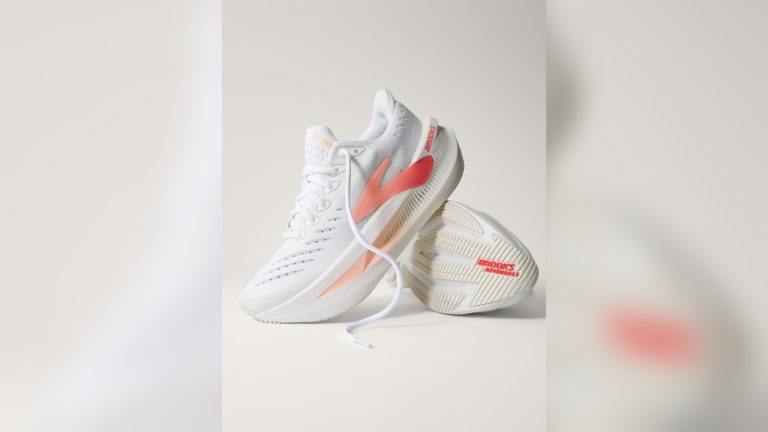
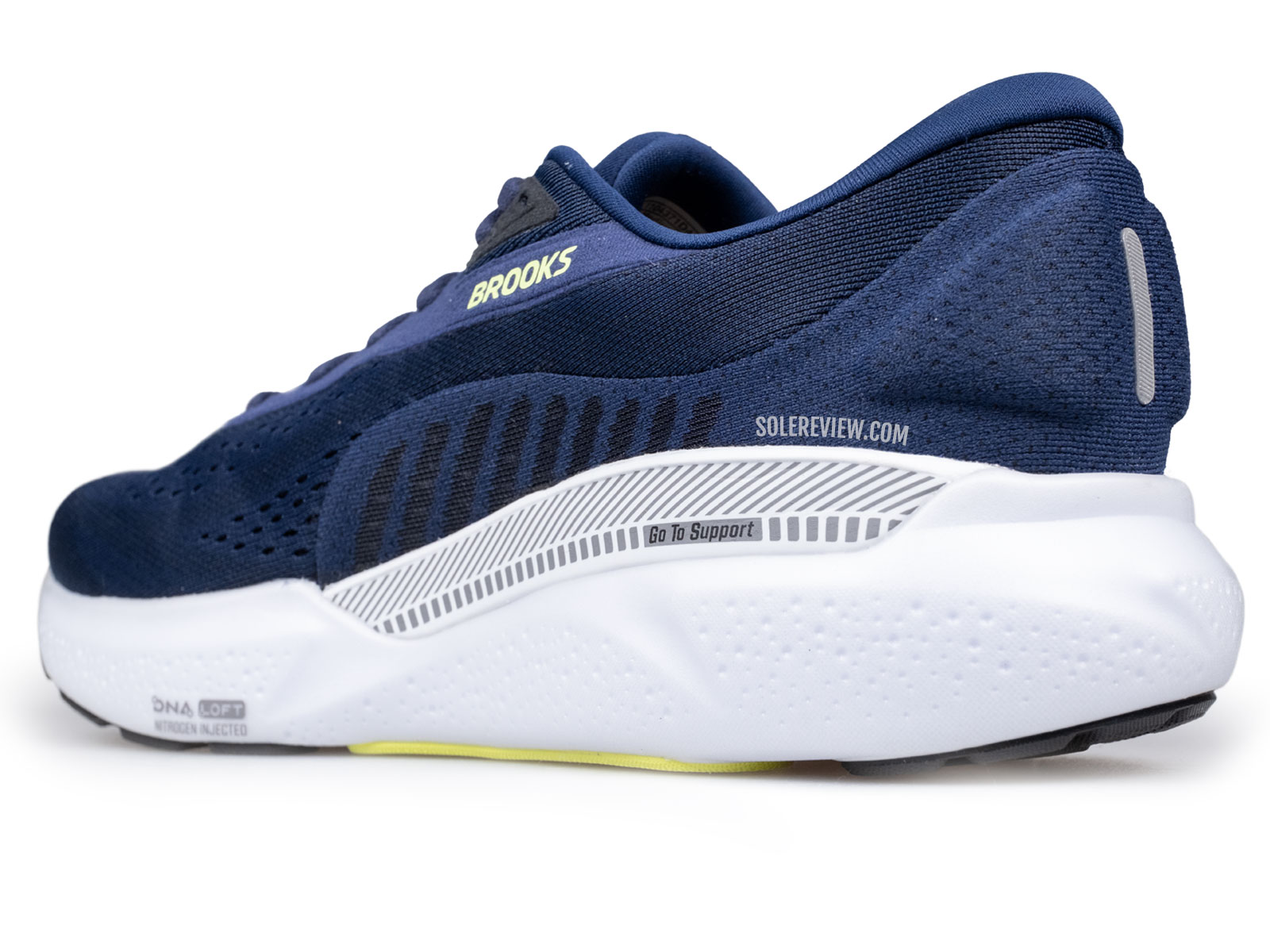
- Brooks Ghost series. Neutral, smooth, and widely loved for daily miles.
- Brooks Adrenaline GTS series. Guided support with a 12mm offset.
- Mizuno Wave Rider series. Snappy feel with a classic drop and firm ride.
- Mizuno Wave Inspire series. Stable trainer with a supportive base.
Always confirm specs for the exact model year. Brands update drops and foams. 12mm heel drop running shoes keep a steady feel across many of these lines.
Transition and Training Tips
A smart shift keeps you running strong.
- If moving up to 12mm: Start with two easy runs per week in the new shoes. Watch knee comfort. Add one run each week if all feels good.
- If rotating: Use 12mm on easy and long runs. Use lower drop for tempos if you like more snap.
- Strength work: Do calf raises, hip bridges, and single-leg balance two to three times a week.
- Strides: After easy runs, add four to six short strides. This keeps turnover sharp.
Log how you feel, not just pace. 12mm heel drop running shoes should leave you fresh the next day.
Care and Longevity
Shoes last longer with simple care.
- Rotate pairs to let foam rebound.
- Keep them dry. Pull insoles and air them out after wet runs.
- Clean with mild soap and a soft brush.
- Track mileage. Many trainers feel best for 300–500 miles.
- Check wear. Flat foam, thin rubber, or new aches mean it is time to swap.
With care, 12mm heel drop running shoes will hold their shape and ride.
Frequently Asked Questions of 12mm heel drop running shoes
Is a 12mm heel drop good for beginners?
Yes, it can be great. The extra heel helps easy landings and reduces calf strain while you build miles.
Will 12mm heel drop running shoes help Achilles pain?
They often help. A higher drop reduces tendon load, but also add calf strength and reduce training spikes.
Are 12mm shoes bad for knees?
Not by default. Some runners feel more knee load, so test short runs first and adjust if needed.
Can forefoot strikers use 12mm heel drop running shoes?
Yes, many can. Pick a shoe with a smooth rocker so the toe-off still feels quick.
How do I choose between 8mm and 12mm?
Match it to your body. If calves tend to ache, try 12mm; if knees ache, try 8mm and test both.
Do 12mm heel drop running shoes work with orthotics?
They usually pair well. The higher heel gives space and a stable base for inserts.
Are there fast shoes with 12mm drop?
Yes, some daily trainers and light stability shoes have 12mm. For races, check specs, as many super shoes use lower drops.
Conclusion
12mm heel drop running shoes offer a classic feel, easy landings, and kind miles. They shift stress from calves and Achilles, and they pair well with long runs and recovery days. When matched to your needs, they can keep you steady and strong.
Test, rotate, and listen to your body. Start with short runs, track how you feel, and build from there. Ready to find your match? Explore local shops, try a few models, and share your results or questions in the comments.