4mm Drop Running Shoes With Cushion: Best Picks 2026

4mm drop running shoes with cushion balance natural stride and soft, stable impact protection.
If you want a shoe that feels natural but still kind to your joints, you are in the right place. I’ve logged thousands of miles in 4mm drop running shoes with cushion on roads, trails, and tracks. I’ll explain what the 4 mm heel-to-toe drop means, how cushioning changes your ride, who these shoes suit best, and how to switch with zero drama. This guide is your clear, friendly map to 4mm drop running shoes with cushion, backed by real-world testing and sound biomechanics.
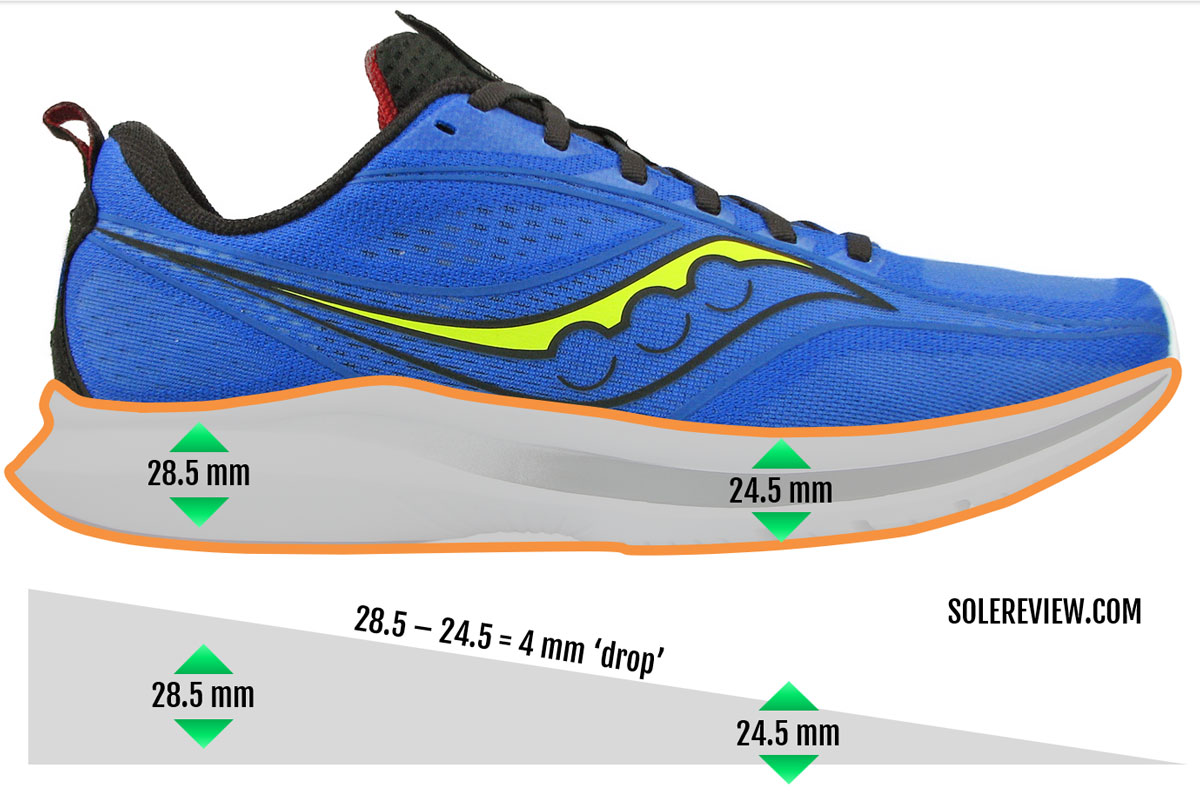
What a 4 mm drop actually means
Heel-to-toe drop is the height difference between the heel and the forefoot. A 4 mm drop places your heel only slightly higher than your toes. It nudges you toward a midfoot strike without forcing it.
Think of it like lowering a car’s suspension, but not slamming it to the ground. You get more road feel and control, yet still ride smooth. 4mm drop running shoes with cushion keep that smooth feel. They soften the blow while keeping your stride honest.
In gait research, a lower drop tends to increase ankle work and reduce knee load. That can feel great if you want less stress at the knees. But it can add work for the calves and Achilles. Cushion helps spread the impact and tame the peak forces with each step.
4mm drop running shoes with cushion give you this middle path. The foot stays active. The body gets support. The ride stays lively, not mushy.
Why choose 4mm drop running shoes with cushion
4mm drop running shoes with cushion are a sweet spot for many runners. They blend a natural posture with a plush but stable landing.
Key reasons runners pick them:
- Balanced mechanics: Less heel bias than high-drop shoes, without the jump to zero.
- Softer landings: Cushion lowers shock and eases long-run fatigue.
- Versatility: They work for daily miles, tempo runs, and even light trails.
- Form feedback: You feel the ground enough to cue better cadence and posture.
In simple terms, you get a kind ride that still feels fast. 4mm drop running shoes with cushion help you run relaxed on easy days and steady on uptempo days.

Who benefits, and who should be cautious
4mm drop running shoes with cushion can help:
- Midfoot or forefoot strikers who want protection without losing feel.
- Heel strikers who want to reduce overstriding and ease knee stress.
- Runners coming from zero-drop who want more forgiveness.
- Marathoners who want comfort that does not kill turnover.
Use extra care if:
- Your calves or Achilles flare up often. A 4 mm drop can add load there.
- You are used to 10–12 mm drop shoes. Switch in stages.
- You have forefoot pain. Too little drop can strain a sore ball of foot.
I like to test 4mm drop running shoes with cushion in short runs first. I watch for calf tightness the next day. If it feels fine, I extend the run time by 10–15 minutes each session.
Cushioning tech and ride feel
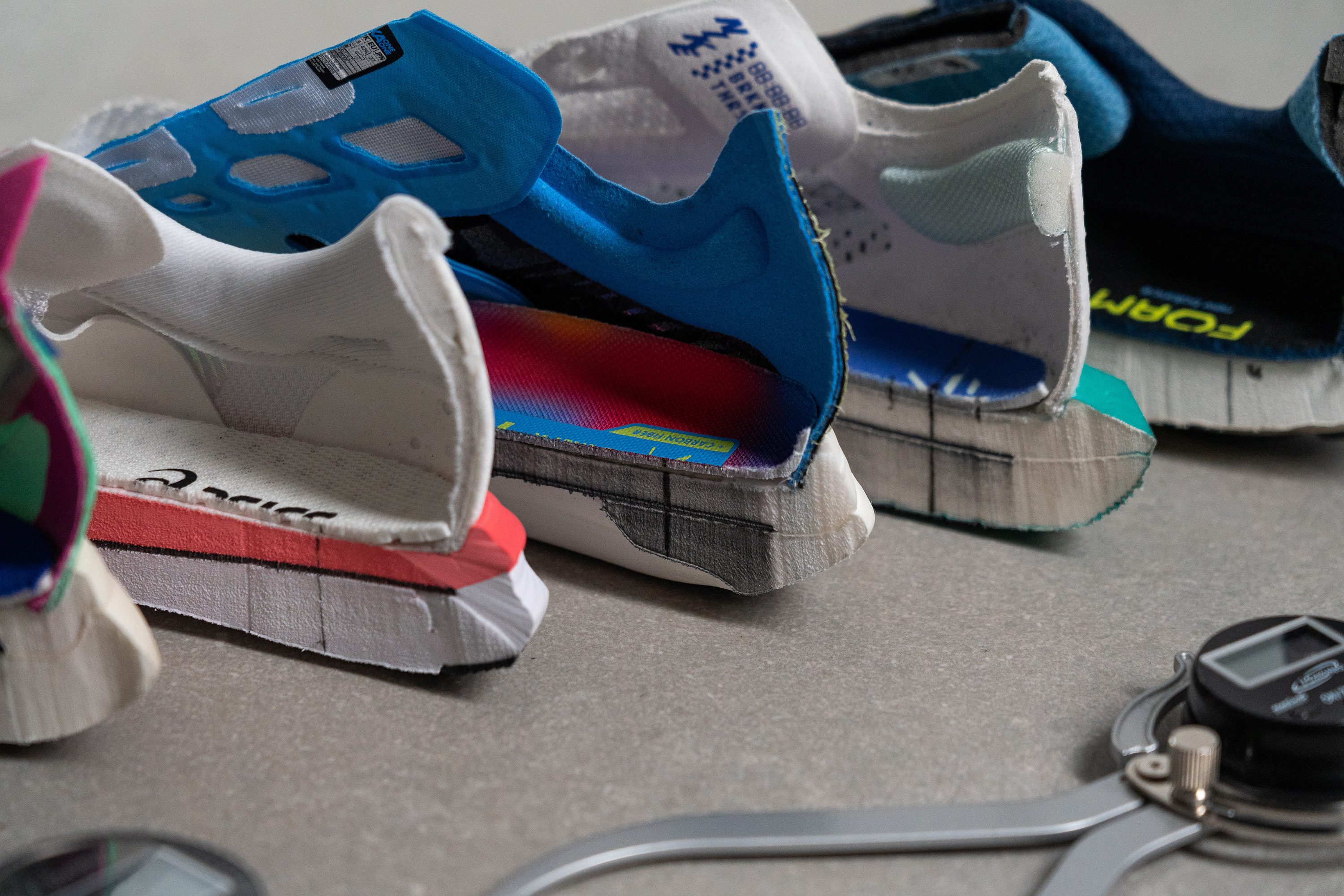
Not all cushion feels the same. In 4mm drop running shoes with cushion, the foam mix and geometry matter a lot.
Common midsole types:
- EVA blends: Light, consistent, and stable. Great for daily miles.
- Supercritical foams: Expanded beads or infused compounds. They feel bouncy and resilient.
- PEBA-based foams: Very light and springy. They shine in faster efforts.
- TPU foams: Durable, soft, and a bit heavier. Smooth for long runs.
Ride traits to look for:
- Stack height: More stack often means more comfort but less road feel.
- Rocker shape: A gentle rocker can ease calf load and smooth toe-off.
- Insole and strobel board: These layers nudge the softness you feel underfoot.
In my testing, 4mm drop running shoes with cushion that use a mild rocker feel great on tired legs. The rocker offsets some ankle work while keeping transitions quick.

Fit, sizing, and foot mechanics
The best foam means little if the shoe does not fit. Focus on a secure heel, a midfoot that hugs but does not pinch, and a toe box that lets you splay.
Fit tips for 4mm drop running shoes with cushion:
- Go true to size for most brands. Leave a thumbnail of space in front.
- Lock down the heel with a runner’s loop if you get slip on downhills.
- If you have a wide forefoot, seek wide sizes or roomy toe boxes.
- If you use orthotics, check arch height and in-shoe volume before buying.
Gait notes:
- A 4 mm drop shifts a little work to the ankle. Cadence helps here.
- Aim for quick, light steps. Think “quiet feet.”
- Keep posture tall and relaxed. Let the shoe’s cushion do its job.
How to transition safely
Switching to 4mm drop running shoes with cushion can be smooth if you take it slow. Your tissues adapt with time and consistency.
Simple plan:
- Week 1: 2 easy runs of 15–20 minutes. Walk after if calves feel tight.
- Week 2: 2–3 runs of 20–30 minutes. Keep pace easy.
- Week 3–4: Add one steady run. Keep the rest easy.
- Week 5+: Blend them into daily training as your calves allow.
Strength and mobility that help:
- Calf raises, both bent and straight knee.
- Ankle mobility drills.
- Short foot exercise to wake up the arch.
- Light hamstring and hip work for balance.
Stop if you feel sharp pain. Swap in your old shoes for a few runs and try again. The goal is no big spikes in volume or speed while you adapt to 4mm drop running shoes with cushion.

Training use cases and workouts
4mm drop running shoes with cushion can cover many sessions:
Great matches:
- Daily easy miles: Soft landings, stable feel.
- Steady-state runs: Cushion keeps rhythm smooth.
- Long runs: Lowers pounding late in the run.
- Strides: Enough snap for short pick-ups.
Use care or choose a firmer pair for:
- Max-speed intervals on the track if the foam feels too soft.
- Technical trails if the outsole lugs are shallow.
Sample week using 4mm drop running shoes with cushion:
- Monday: 30–45 minutes easy, 6 strides.
- Wednesday: 20 minutes steady, 5 minutes easy, 10 minutes steady.
- Saturday: Long run, last 20 minutes at marathon effort.

My field notes, mistakes to avoid, and lessons learned
After many cycles of testing, here is what stuck with me about 4mm drop running shoes with cushion.
What worked:
- Short, frequent runs in the first two weeks.
- A gentle rocker shoe when my calves felt tender.
- Cadence focus at the end of long runs.
Mistakes I made:
- Jumping from 10 mm drop to 4 mm overnight.
- Doing hill repeats in week one. My calves hated me.
- Ignoring sock choice. Thin socks plus a roomy upper caused blister rub.
Lessons you can use:
- Let the shoe guide your form, not force it.
- Rotate pairs. Keep one higher-drop shoe in the mix.
- Track feel, not just miles. A quick note after each run helps spot trends.
4mm drop running shoes with cushion are kind when you respect the learning curve. Give them time, and they pay you back with smooth, strong miles.

Buying checklist and how to compare models
Use this quick list when you shop for 4mm drop running shoes with cushion:
- Drop: Confirm it’s 4 mm on the product page.
- Stack: Higher for long-run plush, mid for daily balance.
- Foam: Choose bouncy for tempo, stable for easy days.
- Rocker: Mild rocker helps if your calves tire fast.
- Upper: Breathable, with a heel that locks down.
- Width: Standard, wide, or even extra wide if needed.
- Outsole: Enough rubber for your surface and climate.
- Weight: Lighter often feels faster, but do not trade away needed support.
If you want known examples, check current specs for major brands’ daily trainers and max-cushion models. Some lines often offer 4 mm in both road and trail options. Specs change, so verify drop and stack before you buy. The safest way is the brand’s official product page.
4mm drop running shoes with cushion vary by foam and geometry. Try them on late in the day, when feet are a bit swollen. Jog in place. Do a few quick steps. Trust what you feel.
Maintenance, lifespan, and sustainability
Cushion feels best when it is fresh and resilient. 4mm drop running shoes with cushion last longer with a bit of care.
Make them last:
- Rotate pairs. Foam rebounds better with rest days.
- Air dry. No heat. Stuff with paper if soaked.
- Wipe road grime off the outsole to keep grip.
- Track miles. Many cushioned shoes feel best for 300–500 miles, depending on foam and weight.
Check wear patterns:
- Outer heel or forefoot scuff can show form issues.
- A tilt when the shoe sits on a table means midsole fatigue.
- If your legs feel beat after normal runs, the foam may be tired.
Consider impact:
- Choose durable foams and recycled uppers when you can.
- Donate usable pairs or recycle through brand programs.
With small habits, your 4mm drop running shoes with cushion feel lively for months and save you money over time.
Frequently Asked Questions of 4mm drop running shoes with cushion
Are 4mm drop running shoes with cushion good for beginners?
Yes, they can be, if you build up slowly. Start with short runs and watch for calf tightness.
Will 4mm drop running shoes with cushion help knee pain?
A lower drop can reduce knee load for some runners. Cushion also softens impact, but always test and consult a pro if pain persists.
Can I race in 4mm drop running shoes with cushion?
Yes. Many runners enjoy them for half and full marathons. Pick a model with a lively foam and a secure upper.
How do 4mm drop running shoes with cushion compare to zero-drop shoes?
They are more forgiving than zero drop and easier on the calves. You still get a natural feel without a harsh learning curve.
Do I need special socks with 4mm drop running shoes with cushion?
Choose moisture-wicking socks that fit snug. Thin socks boost ground feel; mid-thick socks add comfort on long runs.
Are 4mm drop running shoes with cushion okay for heel strikers?
Yes. They can help reduce overstriding. Cushion will ease impact as you work on a quicker cadence.
How often should I replace 4mm drop running shoes with cushion?
Most feel best for 300–500 miles. Replace sooner if the foam feels dead or your legs feel more beat up than usual.
Can I use 4mm drop running shoes with cushion for walking?
Absolutely. The cushion and mild drop feel smooth for long walks and daily wear.
Are plate-equipped 4 mm shoes too stiff?
Not always. Some plates add guidance without harsh stiffness. Try them to see how your stride responds.
Will a rocker sole reduce calf strain in 4mm drop running shoes with cushion?
It can. A gentle rocker eases toe-off and can lower ankle demand, especially late in long runs.
Conclusion
4mm drop running shoes with cushion offer a natural ride with kind impact protection. They help you run tall, keep cadence quick, and stay fresh on long days. With smart fit, a slow switch, and steady training, they can become your go-to daily trainers.
Pick a pair that matches your goals and terrain. Start short, log how you feel, and let the shoe guide your stride. If this guide helped, subscribe for more practical gear tips, or drop your questions in the comments so we can dial in your next pair together.