Anatomy Of A Running Shoe: Ultimate Guide 2026

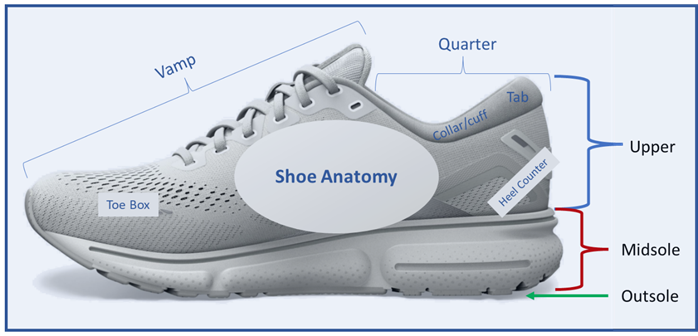
The anatomy includes upper, midsole, outsole, insole, heel counter, and lacing system.
If you want to run smarter and safer, you need to know the anatomy of a running shoe. I have spent years fitting runners, testing models, and tracking wear patterns. This guide breaks down how each part works, how it feels on foot, and how to use that knowledge to pick the right pair for your goals.

Why the anatomy of a running shoe matters
Your shoes are tiny machines. Each part affects comfort, speed, and injury risk. When you learn the anatomy of a running shoe, you can match features to your foot and your route. That is how you move from guessing to confident choices.
Here is the big idea. Parts of a shoe change how your foot lands, rolls, and pushes off. Good matches feel natural. Bad matches force your body to fight the shoe. Over time, that can make or break your training.
What I see most often in the store is this. Runners blame pain on mileage. Many times, it is a mismatch in the shoe parts instead.

The upper: fit, breathability, and hold
The upper is the fabric shell that wraps your foot. It controls comfort, heat, and lockdown.
Key parts:
- Engineered mesh allows airflow and flex while holding shape.
- Knit uppers feel like socks and can stretch more over time.
- Overlays add structure to high-stress zones without bulk.
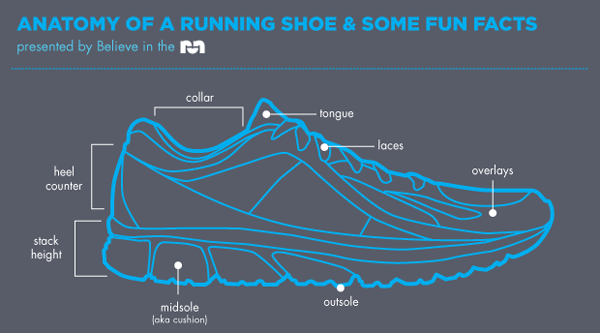
- Tongue can be thin or padded. A gusseted tongue stays centered.
- Heel collar padding protects the Achilles and reduces rub.
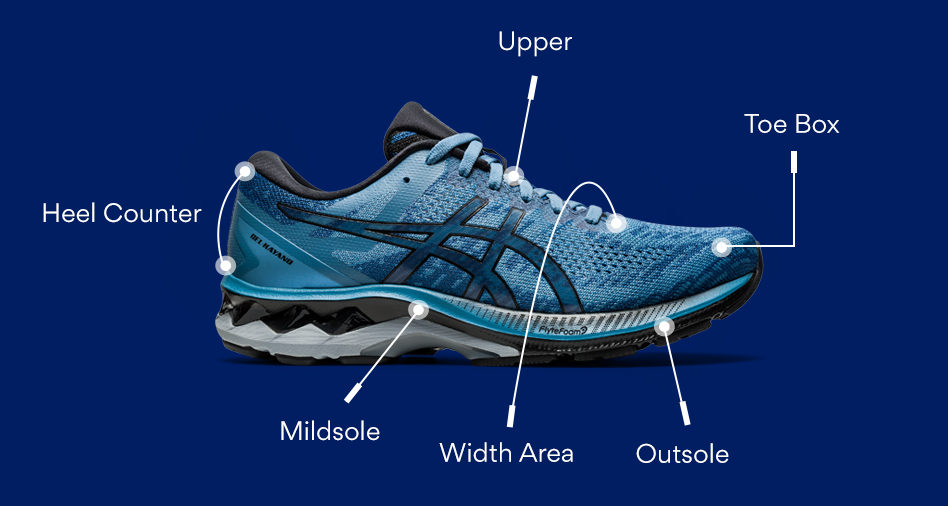
- Heel counter is a firm cup that adds rearfoot stability.
- Eyelets and laces fine-tune lockdown. A runner’s loop can stop heel slip.
What it means for you:
- Hot climate or long runs need breathable mesh.
- Narrow heels may need a stiffer heel counter and extra eyelets.
- High volume feet do better with stretchy knit and a roomy toe box.
Personal tip from fittings. If you feel pressure on the top of your foot, try a different lacing pattern or a shoe with a softer tongue before changing sizes.
The midsole: foam, plates, and geometry
The midsole is the engine room. It handles shock, returns energy, and sets the ride.
Common foams:
- EVA is light and reliable with a balanced feel.
- TPU is springy and durable with clear bounce.
- PEBA is very light and very bouncy. It is popular in super shoes.
Shaping details:
- Stack height is the total foam thickness. More stack can feel plush.
- Heel to toe drop is the height difference from heel to forefoot. Lower drop can load calves more. Higher drop can ease Achilles strain.
- Rocker geometry helps you roll forward with less ankle work.
- Sidewalls and guide rails cradle the foot for gentle stability.
Stability tools:
- Medial posting uses firmer foam on the arch side to slow inward roll.
- Plates or rods add stiffness to help propulsion and reduce flex in the forefoot.
- A shank in the midfoot can improve torsion control.
What I have learned. More cushion does not always mean more comfort. Midsole geometry is as important as foam type. The sweet spot pairs your gait style with the right stack, drop, and rocker.
 traction, and wear”
style=”max-width: 100%; height: auto; border: 2px solid black; border-radius: 10px; display: block; margin: 0 auto;”
loading=”lazy”
/>
The outsole: grip, traction, and wear
The outsole is the rubber road layer. It protects the foam and gives traction.
Rubber types:
- Carbon rubber is hard and durable. Great for high wear zones.
- Blown rubber is softer and grippier in the forefoot.
- Trail compounds add stickiness and resist cuts.
Design details:
- Lug depth and spacing drive grip on dirt, mud, and rocks.
- Flex grooves help your foot bend at toe off.
- A decoupled heel can smooth landings.
Check your wear patterns. Heavy wear on the outer heel is common. Uneven wear in the forefoot may point to fit or form issues. The anatomy of a running shoe outsole can tell a story about your stride.

The insole or sockliner: subtle but useful
The insole is the thin layer you see inside the shoe. It adds step-in comfort and fine tunes fit.
What it does:
- Adds a touch of cushion and shape under the arch.
- Wicks sweat and reduces friction.
- Can be removed to fit custom orthotics.
Practical notes:
- Swapping the insole can change volume. Great for high insteps.
- If you slide inside the shoe, a grippier insole can help.
This small part often fixes small problems. I have solved heel slip and top-of-foot pressure with a five minute insole swap.

Fit, last, and lockdown: shape beats size
The last is the foot-shaped mold used to build the shoe. It sets width, volume, and toe shape.
Fit factors:
- Toe box shape can be rounded, pointed, or anatomical. A roomy toe box lets toes splay.
- Width options help with narrow or wide feet.
- Volume controls space over the instep.
Lockdown tips:
- Use a runner’s loop to lock the heel.
- Try gap lacing to relieve pressure on the top of the foot.
- Keep a thumbnail width at the front to avoid black nails on long runs.
Why it matters for the anatomy of a running shoe. Shape and lockdown decide comfort more than any other part. Size is only one piece of the fit puzzle.

Biomechanics and gait: how parts guide motion
Your gait has three simple phases. You land. You transition. You push off. Shoe parts help at each step.
Helpful links to motion:
- Heel bevel and decoupled crash pad soften landings.
- Midfoot stability from sidewalls or posting smooths the roll.
- A forefoot rocker and plate make push off quick and light.
Pronation is normal. It is your shock absorber. Stability features aim to slow excess motion, not stop it. The right anatomy of a running shoe will match your natural path, not fight it.
What I test during fittings:
- Heel slip when walking uphill in the store.
- Big toe bend at toe off. Shoe should bend where your foot bends.
- Quick cadence on a short jog. Shoe should feel like it disappears.
Use cases and terrain: match the build to the job
Different runs need different builds. Think of it like picking a tool.
Road daily trainer:
- Durable rubber and balanced foam.
- Moderate stack and slight rocker.
Tempo or race day:
- Light upper and bouncy foam.
- Plate or rods for snap.
- Higher stack with pronounced rocker.
Trail running:
- Aggressive lugs and protective rock plate.
- Tough mesh with overlays.
- Secure heel and toe guard.
Track workouts:
- Light, flexible forefoot.
- Snug upper with precise lockdown.
When you know the anatomy of a running shoe, it is easy to match features to the day’s plan.

Durability, break-in, and care
Shoes have a useful life. Most road shoes last a set range, but form and surfaces change the number.
What to expect:
- Typical lifespan is about 300 to 500 miles.
- Super soft foams may feel flat sooner.
- Outsole wear is a good sign to rotate.
Care tips:
- Air dry only. Heat breaks down glue and foam.
- Remove insoles to dry faster.
- Clean with mild soap and water.
- Rotate pairs to let foam rebound.
I log miles per pair. It keeps feel honest and takes guesswork out of when to retire them.
How to choose using the anatomy
Use this quick plan to pick a shoe by parts instead of hype.
Steps:
- Define your main use. Daily miles, tempo work, long runs, or trail.
- Check fit first. Length, toe box shape, and heel hold.
- Pick foam feel. Balanced EVA, springy TPU, or light PEBA.
- Choose drop and rocker that match your history. Higher drop for touchy Achilles. More rocker if you like to roll forward.
- Decide on stability. Neutral, guidance rails, or posted midsole based on comfort when you jog test.
- Check outsole for your surface. Smooth rubber for road, lugs for trail.
- Do a short run test. The right anatomy of a running shoe should feel natural in the first mile.
Two mistakes to avoid:
- Buying too small because it feels snug new.
- Chasing cushion when geometry is the real issue.
Common myths and mistakes
Let’s clear the air with things I hear often.
Myths:
- More cushion always prevents injury. Not true. Form and fit matter as much as foam.
- Stability shoes are only for overpronation. Many runners like guidance for long days.
- A carbon plate is only for elites. Plates can help reduce calf work at any pace.
Mistakes I see:
- Ignoring lacing tweaks that fix hotspots.
- Using one shoe for every task.
- Not replacing worn pairs. Dead foam changes mechanics.
Use the anatomy of a running shoe as a checklist. It keeps choices simple and smart.
Frequently Asked Questions of anatomy of a running shoe
What is the most important part of a running shoe?
No single part stands alone. Fit from the upper and ride from the midsole work together. If one fails, the whole shoe feels off.
How do I know if I need stability features?
If your ankles feel tired or your knees cave inward, try gentle guidance like sidewalls. Always choose the shoe that feels smooth on a short run.
What heel to toe drop should I pick?
If you have a sensitive Achilles or tight calves, start with a higher drop. If you like a natural feel and have strong calves, a lower drop can work.
How often should I replace my running shoes?
Most pairs last about 300 to 500 miles. Retire them sooner if the midsole feels flat or the outsole is worn smooth.
Do carbon plates help everyday runners?
Yes, plates can improve roll and reduce flex strain. They may feel stiff at walking pace but come alive at run speeds.
Can insoles fix a bad fit?
Insoles can fine tune volume and comfort. They help small issues but cannot fix a shoe that is the wrong shape or size.
What is the anatomy of a running shoe for trail runs?
It adds lugs, tougher uppers, and sometimes rock plates. Heel lockdown and toe protection are key on uneven ground.
Conclusion
When you understand the anatomy of a running shoe, you turn guesswork into a plan. Fit with a secure upper, a midsole that matches your gait, and an outsole that suits your route will keep you running happy. Small tweaks like lacing and insoles can solve big problems.
Try the checklist on your next shoe visit. Jog a few strides. Trust your feel. If this guide helped, share it with a running friend, subscribe for more gear breakdowns, or drop your fit questions in the comments.