Parts Of A Running Shoe: Complete Guide 2026

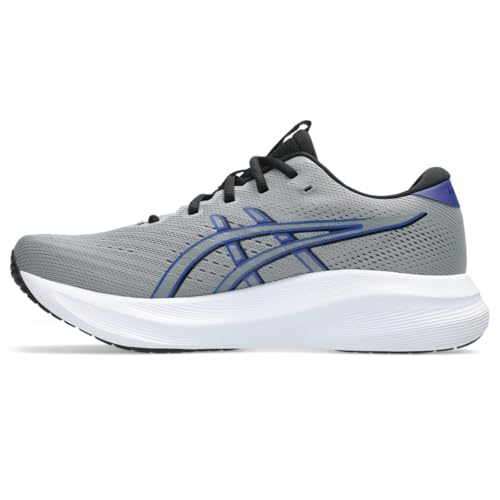
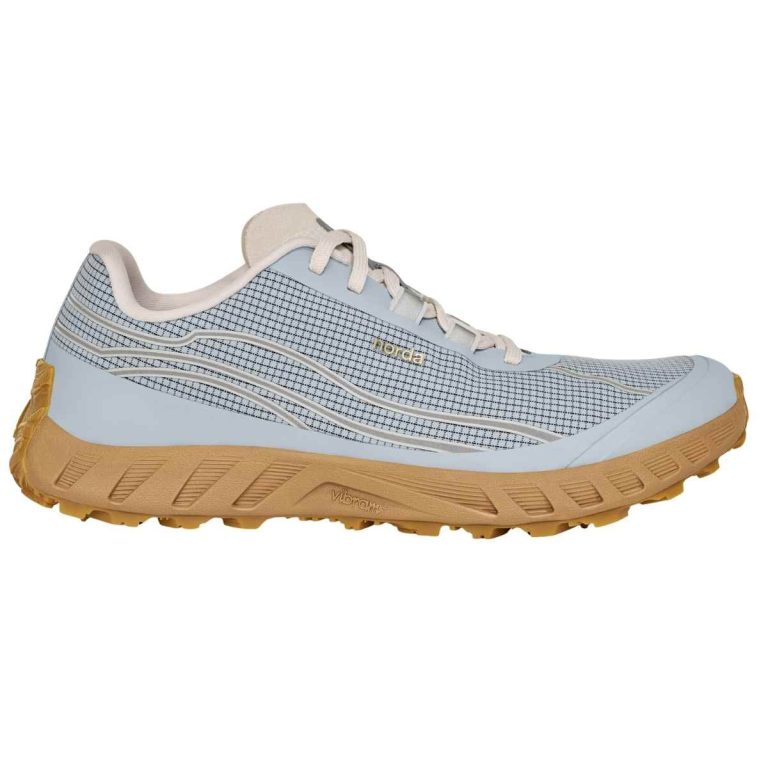
A running shoe has six core parts: upper, midsole, outsole, insole, heel counter, and tongue.
If you understand the parts of a running shoe, you can pick better shoes, avoid common fit mistakes, and get more comfort on every run. I’ve spent years looking at running shoe design, testing different models, and seeing how tiny changes in one part can completely change the ride. In this guide, I’ll break down each part in simple terms so you can shop smarter and run better.

What are the main parts of a running shoe?
A running shoe is built like a small system. Each part has one job, but all the parts work together to support your foot, control impact, and help you move smoothly.
Here are the main parts of a running shoe:
• Upper: The top part that wraps around your foot and holds it in place
• Midsole: The cushioning layer that absorbs shock and adds bounce
• Outsole: The bottom layer that touches the ground and gives traction
• Insole: The removable or fixed layer inside the shoe that adds comfort
• Heel counter: The stiff back section that supports the heel
• Tongue and laces: The parts that help secure the shoe across the top of the foot
When I first started paying attention to running shoe anatomy, I made the same mistake many runners make. I focused only on cushioning and ignored the rest. But the truth is that a great shoe can still feel wrong if the upper rubs, the heel slips, or the outsole wears too fast.
Upper: the part that shapes fit and comfort
The upper is the part you see first. It covers the top and sides of the shoe, and it plays a huge role in fit, breathability, and support.
Most uppers use engineered mesh, knit fabric, or synthetic overlays. Mesh is popular because it is light and airy. Knit uppers can feel softer and more sock-like. Some shoes add overlays to help hold the foot in place without making the shoe feel bulky.
A good upper should do three things well:
• Keep your foot secure without squeezing it
• Let heat and moisture escape
• Reduce rubbing in key areas like the toes and midfoot
I once tested a pair with a very soft upper that felt amazing in the store. After a long run, though, I noticed the toe box stretched too much and my foot slid forward on downhill sections. That taught me that upper comfort matters, but so does structure.
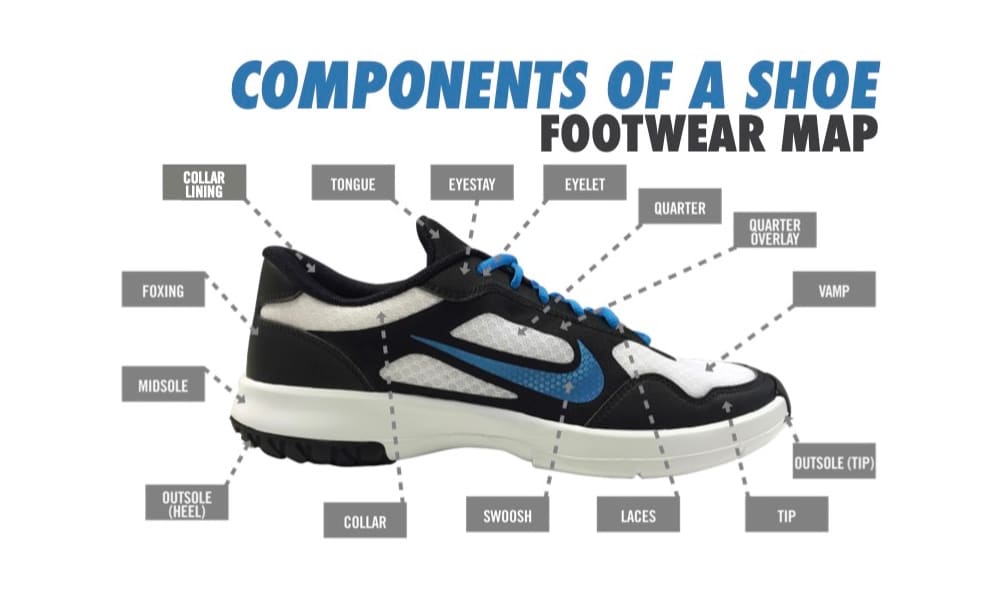
Common upper features include:
• Toe box: The front space where your toes sit
• Quarter panel: The side section that helps hold the midfoot
• Eyelets: The holes that hold the laces
• Heel collar lining: Soft material around the ankle and heel
For runners with wide feet, foot swelling, or hot-weather training, the upper can make or break the shoe. If the upper feels right, everything else often feels better too.
Midsole: the engine of cushioning and ride
The midsole sits between your foot and the ground. This is the part most runners care about because it controls cushioning, stability, and energy return.
Most midsoles are made from foam materials like EVA, TPU, or newer blends designed for lighter weight and better rebound. Some performance shoes also use carbon plates or special foam geometries to create a faster, more propulsive feel.
The midsole influences:
• Shock absorption
• Stability
• Softness or firmness
• Responsiveness
• Overall running feel
If you have ever said a shoe feels “dead,” “bouncy,” or “stable,” you were probably talking about the midsole. A softer midsole often feels plush, but too much softness can feel unstable for some runners. A firmer midsole may feel less cushioned, but it can feel more controlled and efficient.
One lesson I learned from long training blocks is that more cushion is not always better. On easy runs, I sometimes love a soft foam. But on faster workouts, a shoe with too much cushion can feel like running on a mattress. The right midsole depends on your pace, distance, body weight, and personal preference.
Some midsoles include a rocker shape. This curved design helps guide your foot forward and can make transitions feel smoother, especially in long-distance shoes.
Outsole: traction, grip, and durability
The outsole is the bottom layer of the running shoe. It touches the ground, protects the midsole, and helps you grip different surfaces.
Most outsoles use rubber. Some use carbon rubber for added durability in high-wear zones. Others use blown rubber or softer compounds to save weight and improve grip.
The outsole matters because it affects:
• Grip on wet or dry roads
• Durability over time
• Flexibility during toe-off
• Stability on corners and uneven ground
Road running shoes often have thinner outsole coverage to keep weight low. Trail running shoes usually have deeper lugs, which are the raised patterns that bite into dirt, mud, or gravel.
Here’s a simple way to think about it:
• Smooth outsole patterns work well on pavement
• Aggressive lugs work best on trails
• More rubber usually means more durability, but also more weight
I’ve seen runners buy a lightweight shoe and then wear through the outsole too quickly because they land hard in one spot. If you notice early wear on the outside heel or forefoot, that can be a clue about your gait or the shoe’s rubber placement.
Insole: the layer that adds step-in feel
The insole, also called the sockliner, sits inside the shoe under your foot. It is usually removable, though some shoes have fixed insoles.
This part may seem small, but it affects first-step comfort more than many people realize. A thicker insole can make a shoe feel softer right away. A thinner insole can make the shoe feel more connected to the ground.
The insole can help with:
• Comfort under the arch and heel
• Slight fit adjustments
• Moisture control in some shoes
• Easy replacement with custom orthotics if needed
I always tell runners not to overlook the insole. If a shoe feels a little too tight, a thinner insole can sometimes help. If it feels flat and harsh, a better insole can improve the ride without changing the whole shoe.
Still, the insole is not a cure-all. If the shoe is the wrong shape for your foot, swapping the insole may help a little, but it will not fix everything.
Heel counter: support at the back of the shoe
The heel counter is the firm structure around the back of the shoe. It holds the heel in place and helps keep the rearfoot from moving too much.
Some shoes have a very stiff heel counter. Others are softer and more flexible. Both can work well, depending on the shoe’s purpose.
A heel counter helps with:
• Heel lockdown
• Rearfoot support
• Shape retention over time
• Reducing heel slip
If your heel lifts when you run, the issue may come from the heel counter, the lacing, or the shape of the upper. I’ve had shoes that looked perfect on paper but failed because the heel counter was too loose for my foot shape. That tiny detail made the whole shoe feel unstable.
For runners who overpronate or want more rearfoot control, the heel counter can be especially important. It is one of those parts you do not notice much when it works well, which is usually the sign of a good design.

Tongue and laces: small parts that affect lockdown
The tongue sits under the laces and protects the top of your foot from pressure. The laces tighten the shoe and help keep your foot centered.
These two parts may look simple, but they can change comfort fast. A thin tongue may feel light, while a padded tongue can reduce lace pressure. Some shoes use a gusseted tongue, which is attached on one or both sides to keep it from sliding around.
Why they matter:
• They improve lockdown
• They reduce pressure on the top of the foot
• They help prevent tongue movement
• They can change how snug the shoe feels
If you have a high instep, lace bite can be a real problem. That is when the top of the shoe presses into the foot and causes discomfort. A better tongue design or a different lacing pattern can solve it quickly.
One practical tip: if your shoe feels loose in the midfoot but fine everywhere else, try re-lacing before replacing the shoe. I have seen runners blame the whole model when the issue was just the lacing setup.
How the parts of a running shoe work together
The parts of a running shoe only make sense when you look at the whole system. The upper holds your foot. The midsole cushions and guides your stride. The outsole grips the ground. The heel counter and tongue help lock everything in place.
When these parts match your needs, the shoe feels easy and natural. When one part is off, the whole experience changes.
For example:
• A soft midsole with a weak upper can feel unstable
• A strong outsole with a poor fit still causes discomfort
• A great upper with the wrong heel shape can cause slipping
• A cushioned shoe with a stiff tongue may create pressure points
This is why shoe shopping should never be about just one feature. You want balance. Think of it like a chair: cushy padding is nice, but if the legs wobble, the chair still fails.
How to choose the right running shoe parts for your needs
Choosing the right parts of a running shoe depends on how, where, and how often you run. A road runner usually needs different features than a trail runner. A beginner may want more cushioning and a secure upper. A speed runner may want a lighter shoe with a more responsive midsole.
Use this simple guide:
• For daily road running: look for a breathable upper, balanced midsole, and durable outsole
• For long runs: choose a shoe with steady cushioning and a secure heel fit
• For speed workouts: pick a lighter upper and a responsive midsole
• For trails: choose a grippy outsole with strong traction and a protective upper
• For wide feet: look for a roomy toe box and flexible upper materials
Also pay attention to your running form and comfort history. If you often get blisters, check the upper and tongue. If your feet feel beat up after longer runs, look at the midsole. If your shoes wear out too quickly, inspect the outsole and your landing pattern.
Common mistakes runners make when checking shoe parts
A lot of shoe problems come from ignoring the details. I’ve made several of these mistakes myself, and most runners do at some point.
Common mistakes include:
• Choosing shoes only for brand or looks
• Focusing only on cushioning and ignoring fit
• Buying a narrow toe box when the foot needs room
• Ignoring heel slip during a walk test
• Overlooking outsole grip for wet or trail conditions
• Assuming a soft shoe is always a better shoe
The best test is simple. Walk, jog, and bend the shoe a little. Notice where it presses. Notice where it flexes. A shoe should feel like it belongs to your foot, not like you are fighting it.
Benefits of understanding the parts of a running shoe
Knowing the parts of a running shoe gives you more control over comfort, performance, and injury prevention. You do not need to be a shoe engineer. You just need to know what each part does.
Benefits include:
• Better shoe selection
• Fewer fit problems
• More comfort on long runs
• Better awareness of wear and tear
• Smarter spending over time
This knowledge also helps when you compare models. Two shoes may have the same stack height or weight, but still feel very different because of the upper, heel counter, or outsole pattern. That is why learning the anatomy of a running shoe pays off every time you shop.
Frequently Asked Questions of parts of a running shoe
What is the most important part of a running shoe?
The most important part depends on your needs, but for many runners the midsole and upper matter most. The midsole affects cushioning and ride, while the upper affects fit and comfort.
What part of a running shoe gives traction?
The outsole gives traction. It is the bottom layer of the shoe and often uses rubber patterns or lugs to help you grip the ground.
Can I replace the insole in my running shoes?
Yes, in many running shoes you can remove and replace the insole. This can help if you need extra comfort, a different arch feel, or custom orthotics.
Why does my heel slip in running shoes?
Heel slip often comes from the heel counter, lacing, or overall fit. A shoe may be too large, too shallow in the heel, or shaped in a way that does not match your foot.
How do I know if a running shoe upper fits well?
A good upper feels snug but not tight, and it should hold your foot without rubbing. Your toes should have room to move, and your midfoot should feel secure during walking and running.
Conclusion
The parts of a running shoe all work together to shape how a shoe fits, feels, and performs. Once you understand the upper, midsole, outsole, insole, heel counter, and tongue, you can make smarter choices and avoid a lot of common buying mistakes.
The next time you try on a pair, look beyond the color or the marketing. Check the fit, feel the cushioning, inspect the grip, and pay attention to the small details. If you do that, you will be much more likely to find a shoe that truly works for your runs. Leave a comment, keep learning, and use this guide the next time you shop for your next pair.