Good Cross Country Running Shoes: Best Picks For Speed

Good cross country running shoes give grip, comfort, and support on mud, grass, and hills.
If you race or train on soft ground, the right pair can change everything. I’ve seen strong runners lose seconds in sloppy turns, and I’ve also watched average runners perform better just because their shoes matched the course. In this guide, I’ll break down what makes good cross country running shoes worth buying, how to choose them, and what to avoid so you can run with more confidence and less guesswork.

What makes good cross country running shoes
Good cross country running shoes are built for traction, speed, and stability on uneven terrain. They are not the same as road running shoes, and they are usually not as cushioned either. That’s because cross country courses often include mud, wet grass, dirt, rocks, and sharp turns.
The best pairs usually have a few core traits:
- Aggressive outsole lugs for grip on soft ground
- Lightweight uppers that help your feet move fast
- A secure midfoot and heel fit to reduce slipping
- Enough protection to handle rocks and roots
- Drainage and breathability for wet conditions
When I first started paying attention to cross country shoes, I made the same mistake many runners make. I assumed any light running shoe would work. It did not. On wet grass, I felt like I was skiing instead of running. Once I switched to true cross country running shoes, the difference was obvious right away.
Why cross country running shoes are different from road shoes
Cross country running shoes are designed for unstable terrain. Road shoes are made for smooth pavement, where cushioning and easy stride feel matter more. On dirt, grass, and mud, grip matters first.
Here’s the simple difference:
- Road shoes focus on cushioning and smooth ride
- Trail shoes focus on protection and grip on mixed terrain
- Cross country running shoes focus on speed and traction on race-type courses
That focus makes them feel more aggressive and less padded. Some runners think that means less comfort, but in races it often means better control. The shoe should act like a set of small claws on the ground, not like a soft pillow.
Key features to look for in good cross country running shoes
Outsole traction
The outsole is the part that touches the ground. For cross country, the lugs should bite into mud and grass. Deeper lugs help on soft courses, while slightly shorter lugs may work better on firmer, drier ground.
A good rule is this:
- Muddy courses need deeper, sharper lugs
- Dry or packed courses can use moderate lugs
- Mixed courses need a balance of grip and flexibility
Lightweight build
A cross country race is often short and intense. Heavy shoes can feel slow, especially on turns and hills. Good cross country running shoes usually use lighter materials to help you move faster with less effort.
This does not mean the lightest shoe is always best. If a shoe is too flimsy, it may feel unstable. The goal is to stay fast without feeling exposed.
Secure fit
A loose fit can ruin a race. Your foot should feel locked in around the heel and midfoot. The toes should have enough room to spread, but not so much that the foot slides forward.
Things that help fit:
- Snug heel collar
- Firm midfoot hold
- Toe box with just enough space
- Lacing that does not create pressure spots
Upper durability
Cross country shoes take a beating. Mud, water, and rough ground can wear down weak uppers fast. Look for a durable mesh or synthetic upper that still breathes well.
I once used a pair that looked great on day one but tore up fast after a few muddy practices. That taught me to check upper material more carefully. A shoe that lasts a season is usually better value than a shoe that feels good for one workout.
Spike plate or race-ready grip
Some good cross country running shoes use a spike plate or a firm forefoot plate. These are common in racing models. They improve bite and help with acceleration on soft ground.
Not every runner needs spikes, though. For training or less technical courses, many spike-free cross country running shoes are enough. The right choice depends on your course, league rules, and comfort level.

Who should buy good cross country running shoes
Good cross country running shoes are a smart pick for several types of runners. They are not only for elite racers. If you run on grass, mud, dirt, or uneven paths, they can help.
They are especially useful for:
- High school cross country runners
- Collegiate runners
- Masters runners who race off-road
- Youth runners in beginner meets
- Runners who train on grassy parks or fields
If you race only a few times a year, you still benefit from the right shoe. Even one race in sloppy conditions can make the purchase worth it. A good pair can save energy, improve confidence, and reduce the chance of slipping.
How to choose the right pair for your course
The best cross country running shoes depend on where you run most often. There is no single perfect model for every course.
Use this simple guide:
-
Muddy, soft courses
Choose deeper lugs and stronger grip. Spikes or aggressive race flats work well here. -
Mixed grass and dirt courses
Pick a balanced shoe with moderate traction and decent cushioning. -
Dry, hard-packed courses
Go for a lighter shoe with less aggressive lugs and a more stable ride. -
Courses with rocks or roots
Look for extra underfoot protection and a secure upper. -
Wet and sloppy conditions
Choose materials that drain quickly and resist saturation.
In my experience, the biggest mistake is buying for the “ideal” race instead of the real one. If your season is usually muddy, don’t buy a shoe built for dry grass just because it feels faster in the store.
Best fit tips before you buy
A good fit matters as much as the outsole. Even the best cross country running shoes can fail if the fit is off.
Try these tips:
- Try shoes later in the day when feet are a little swollen
- Wear the socks you race in
- Test fit with a runner’s knot if the heel feels loose
- Make sure the forefoot does not squeeze your toes
- Walk and jog in them if possible
Remember that race shoes should feel secure, but not painful. If the shoe pinches at the toes or rubs the heel during a short test, it will likely get worse in a race.
Cross country shoes vs spikes vs trail shoes
This is where many runners get confused. The right shoe depends on the terrain and rules.
Cross country spikes
These are best for racing on soft ground. They offer strong traction and a race-focused feel. They are usually not ideal for training because the spike plate can feel harsh over time.
Cross country flats
These are lighter than trail shoes and often work well on firmer courses. They are a good choice if you want speed without metal spikes.
Trail shoes
Trail shoes are better for training on rough paths, roots, and rocks. They usually have more cushion and protection than cross country shoes, but they can feel bulky in races.
If you want one simple takeaway, it’s this: spikes are for race day, trail shoes are for rough training, and good cross country running shoes sit in the middle for many runners.
Common mistakes to avoid
I’ve seen runners waste money by making a few very common mistakes. They are easy to avoid once you know them.
- Buying road shoes for muddy courses
- Choosing style over traction
- Picking a shoe that is too tight
- Ignoring course conditions
- Wearing new shoes in a race without testing them first
- Assuming more cushion always means better performance
One lesson I learned the hard way: never race in a brand-new pair unless you have at least a few runs in them. Even good cross country running shoes can feel strange until your feet adjust.
Care and maintenance for longer shoe life
Cross country shoes work hard, so take care of them if you want them to last. Mud and water can break them down faster than you expect.
Simple care tips:
- Rinse off mud after runs
- Let them air dry naturally
- Remove insoles if they stay wet
- Avoid heat drying, which can damage materials
- Store them in a cool, dry place
If your shoes have spikes, check them often. Loose or worn spikes reduce grip and can affect how stable the shoe feels on the ground.
What to expect from the best models
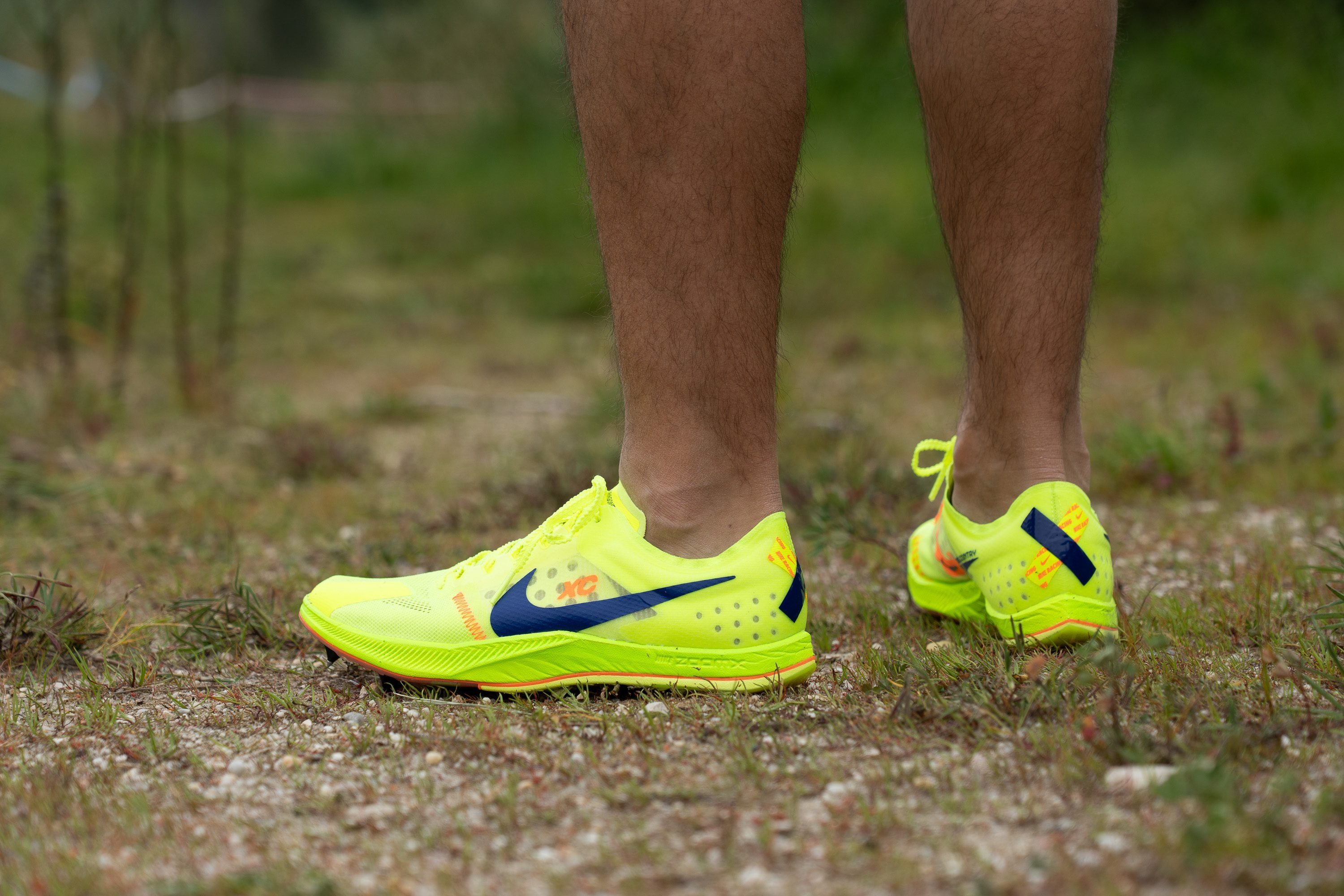
The best good cross country running shoes usually strike a balance between speed and control. They feel sharp, but not harsh. They grip well, but still let you move freely.
Most top models offer:
- Fast toe-off
- Reliable traction
- Secure lockdown
- Lightweight comfort
- Race-day confidence
There is always a tradeoff, though. More grip often means less cushioning. More protection often means more weight. That’s why the best shoe is the one that fits your course, your foot, and your race plan.
FAQ about good cross country running shoes
What are good cross country running shoes used for?
Good cross country running shoes are made for grass, mud, dirt, and uneven race courses. They help runners stay stable and fast on soft ground.
Are spikes always better for cross country?
No, spikes are not always better. They work well on soft, muddy courses, but firmer or rougher courses may be better with flats or lightweight cross country shoes.
Can I use trail running shoes for cross country?
Yes, sometimes you can, especially for training or non-technical courses. But trail shoes are usually heavier and less race-focused than good cross country running shoes.
How tight should cross country shoes fit?
They should feel snug around the heel and midfoot, with enough room in the toe box. Your foot should not slide around, but the shoe should not pinch or squeeze either.
How long do cross country running shoes last?
It depends on how often you use them and how rough the ground is. For racing and seasonal use, they can last a full season or more, but heavy mud and spikes can wear them down faster.
Do beginners need good cross country running shoes?
Yes, beginners can benefit a lot from them. Better grip and a secure fit can make racing feel safer and more confident, even if you are just starting out.
Conclusion
Good cross country running shoes can make a real difference when the course gets messy, steep, or fast. The right pair gives you traction, control, and a more confident stride, which matters a lot when every second counts.
If you remember just one thing, make it this: choose shoes based on your course, not just what looks fast online. Test the fit, think about the terrain, and give yourself time to break them in before race day. If you’re shopping now, compare your course conditions and start with the features that matter most, then explore more guides or leave a comment with your race-day setup.