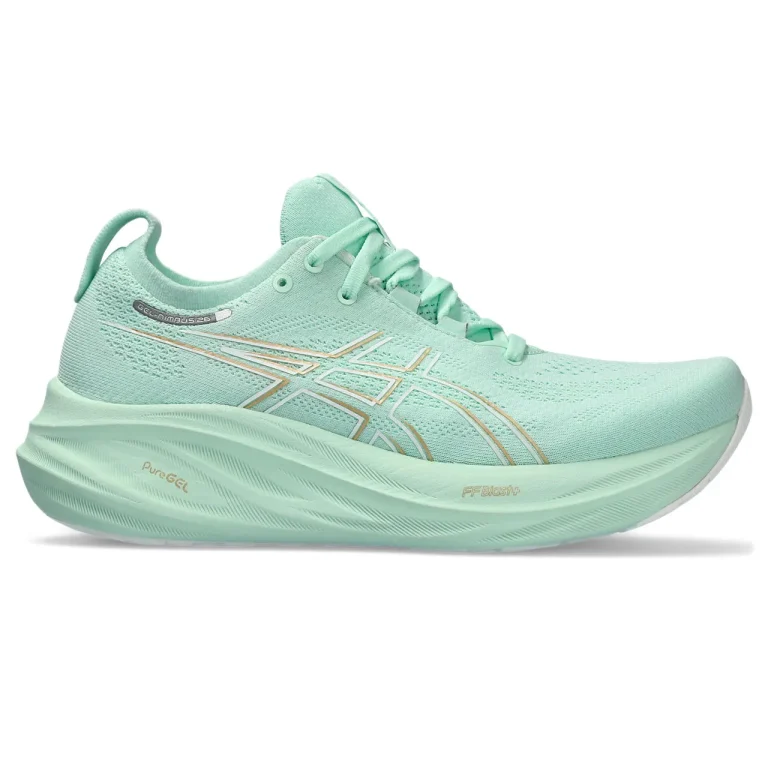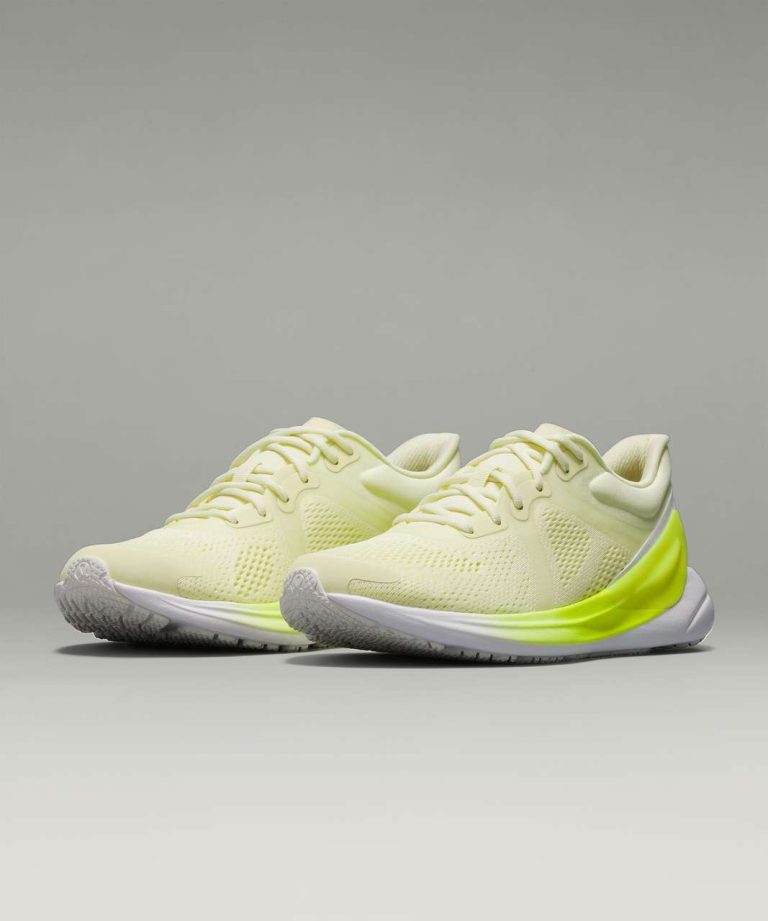
Are Running Shoes Fsa Eligible: What You Need To Know

Running shoes are usually not FSA eligible unless a doctor prescribes them for a medical need.
If you have ever stared at a pair of running shoes and wondered whether you can pay with your FSA, you are not alone. The answer depends on how the shoes are used and whether they qualify as a medical expense under FSA rules. In this guide, I’ll break down exactly when running shoes may be FSA eligible, what documentation you may need, and how to avoid costly mistakes when shopping.

What FSA eligibility really means
An FSA, or flexible spending account, is a tax-advantaged account that helps cover qualified medical expenses. The key word is qualified. Not every health-related item counts, even if it seems helpful or is recommended for comfort.
Running shoes are a good example. People often assume any athletic shoe can be reimbursed, but that is not how FSA rules usually work. In most cases, running shoes are considered personal or fitness gear, not medical equipment.
That said, there are exceptions. If a physician recommends a specific pair of shoes to treat or manage a diagnosed medical condition, the shoes may become eligible with proper documentation. I have seen this come up most often with foot pain, diabetic foot issues, plantar fasciitis, and certain biomechanical problems.

Are running shoes FSA eligible?
The short answer is usually no, but sometimes yes with a Letter of Medical Necessity.
FSA funds are meant for medical care, not general wellness or exercise gear. So if you buy running shoes because you want better performance, more comfort, or a newer style, they are typically not eligible. The IRS rules generally require the expense to treat or prevent a specific medical condition.
Here is the practical rule I use when helping people understand this topic:
• If the shoes are for running, training, or everyday fitness, they are usually not FSA eligible
• If the shoes are prescribed to treat a medical issue, they may be eligible
• If you have documentation from a provider, your plan may approve reimbursement
• If your FSA administrator says no, the purchase is usually not reimbursable
This is where many people get tripped up. A shoe can feel medically useful, but that does not always make it an FSA-qualified expense.
When running shoes may qualify as an FSA expense
Running shoes may be FSA eligible when they are used as a treatment tool rather than a sports item. In real life, this often depends on the diagnosis and the paperwork.
Common situations include:
• Plantar fasciitis support, when a doctor recommends a certain type of shoe
• Recovery from injury, where a provider suggests a stable shoe to reduce strain
• Diabetes-related foot care, if the shoes are part of a treatment plan
• Orthopedic needs, such as abnormal gait or arch problems
• Chronic foot pain, if the shoe is part of a documented care plan
The most important part is not the label on the box. It is the medical reason behind the purchase. I have seen people save time by asking their provider first, because once you buy the shoes without documentation, reimbursement can become a hassle.
What documentation you may need
If you want to try using FSA money for running shoes, paperwork matters. Most plans require a Letter of Medical Necessity, also called an LMN. This letter usually explains the condition, why the item is needed, and how long it is expected to help.
You may also need:
• A receipt showing the product, date, and amount paid
• The provider’s recommendation or prescription
• Proof that the shoes are tied to a diagnosed condition
• A claim form from your FSA administrator
In my experience, the cleaner the paperwork, the smoother the approval. A vague note like “needs better shoes” often does not work. A specific note such as “patient requires supportive footwear for plantar fasciitis treatment” has a much better chance.
What types of shoes are often confused with FSA eligible running shoes
A lot of people mix up athletic shoes, orthopedic shoes, and running shoes. They are not treated the same way.
Here is a simple breakdown:
• Running shoes are usually for exercise and everyday use
• Orthopedic shoes are often designed for foot correction or support
• Therapeutic shoes may be prescribed for medical conditions
• Custom shoes or inserts may be more likely to qualify if prescribed
This difference matters because FSA approval is based on medical purpose. A running shoe store may sell a very supportive shoe, but support alone does not guarantee eligibility.
How to check if your FSA plan will cover running shoes
Every FSA plan can be a little different, so check before you buy. That one step can save you a lot of frustration.
Here is the best way to verify coverage:
- Read your plan’s eligible expense list
- Ask your FSA administrator if running shoes can qualify with a doctor’s note
- Confirm whether an LMN is required before purchase or after purchase
- Save all receipts and paperwork
- Keep a copy of the diagnosis or provider recommendation
A mistake I have seen people make is assuming all medical-looking gear is covered. Another common slip is buying the shoes first and asking questions later. That can make reimbursement much harder, especially if your plan has strict rules.

FSA vs HSA: does it make a difference?
Yes, but not always in the way people expect. An HSA, or health savings account, follows similar IRS medical-expense rules. That means running shoes are usually not eligible there either unless they are medically necessary.
The main difference is in plan structure, not in the basic rules for eligible expenses. Both accounts are generally focused on healthcare, not general fitness.
So if you are asking whether running shoes FSA eligible also means HSA eligible, the answer is usually the same: only when there is a medical need backed by documentation.
Real-world examples of when reimbursement may or may not work
Let’s make this more practical.
Example 1:
You buy a pair of running shoes because you are training for a 10K. That is a personal fitness purchase, so it is not FSA eligible.
Example 2:
Your podiatrist recommends a specific supportive shoe to help manage plantar fasciitis, and you submit an LMN. That may be reimbursable if your plan approves it.
Example 3:
You have diabetic foot concerns and your doctor recommends therapeutic footwear. Depending on the plan and documentation, that may qualify.
Example 4:
You buy expensive carbon-plated running shoes for faster races. Even if they are high quality, they are still athletic shoes and usually not eligible.
These examples show the core idea: intent matters, but medical documentation matters even more.
Smart tips to avoid claim denials
If you want the best chance of success, be careful before you submit a claim. A little planning goes a long way.
Try these tips:
• Ask your doctor whether the shoes are medically necessary
• Get the Letter of Medical Necessity before you buy if possible
• Choose the most relevant shoe model for the condition
• Keep your receipt and payment record
• Submit the claim quickly while the details are fresh
• Follow up with your FSA administrator if anything is unclear
I also suggest avoiding emotional purchases. It is easy to think, “This shoe feels amazing, so it must be eligible.” But comfort and eligibility are two different things.
Why people often think running shoes are FSA eligible
This confusion is very common. Running shoes are tied to health, movement, and injury prevention, so they feel medical. They may also be recommended by coaches, physical therapists, or shoe fit experts.
But FSA rules are based on medical necessity, not general wellness. That is why a pair of shoes can be excellent for your feet and still not qualify. It is a bit like buying healthy food with a medical coupon; healthy does not always mean reimbursable.
The good news is that once you understand the rule, it gets much easier. Ask one simple question: is this for exercise, or is this to treat a diagnosed condition?
How to talk to your doctor or FSA administrator
A direct conversation can save you time and stress. If you think your running shoes may qualify, ask your doctor whether they can document the need clearly. Then contact your FSA administrator to confirm the reimbursement process.
Useful questions to ask include:
• Does my condition qualify for a Letter of Medical Necessity?
• Does the plan require preapproval?
• Will a receipt be enough, or do I need a prescription?
• Are specific shoe brands or models excluded?
• Can I submit the claim online or only by paper?
This is one of those times when being a little overprepared helps. The more clear your questions are, the less likely you are to get stuck in claim limbo.
Frequently Asked Questions of are running shoes fsa eligible
Are running shoes FSA eligible without a prescription?
Usually no. Running shoes are generally treated as personal fitness items unless a doctor says they are medically necessary.
Can I use my FSA for shoes for plantar fasciitis?
Sometimes yes. If a healthcare provider recommends the shoes as part of treatment and you have the right documentation, your plan may approve the claim.
Do I need a Letter of Medical Necessity?
In many cases, yes. A Letter of Medical Necessity is often the main document that helps show the shoes are needed for a medical reason.
Are orthopedic or therapeutic shoes more likely to qualify?
Yes, they often are. These shoes are more closely tied to medical treatment than standard running shoes, so they are more likely to be reimbursable with proper documentation.
Can I buy running shoes first and ask for reimbursement later?
You can try, but approval is not guaranteed. It is smarter to check the rules and get documentation first, because a denied claim can be hard to reverse.
Do FSA rules apply the same way for HSA accounts?
Mostly yes. HSA funds also follow medical-expense rules, so running shoes are usually not eligible unless they are tied to a diagnosed condition and supported by documentation.
Conclusion
Running shoes are usually not FSA eligible, but there are important exceptions when a medical condition is involved. If a doctor recommends the shoes as part of treatment and your plan accepts the paperwork, reimbursement may be possible. The safest move is to confirm the rules before buying so you do not lose money on a denied claim.
If you are unsure, start with your provider and your FSA administrator. That small step can turn guesswork into a clear decision, and it can help you use your benefits wisely.