
Are Running Shoes Good For Everyday Use: Expert Guide

Yes, running shoes can work well for everyday use if they fit your daily needs.
Running shoes are built for comfort, cushioning, and steady support, which is why so many people wear them far beyond the track or treadmill. If you spend long hours on your feet, walk a lot, or want one pair of shoes that feels light and easy, running shoes can be a smart choice. Still, they are not perfect for every situation, and the best choice depends on your feet, your routine, and how the shoe is built.
Are Running Shoes Good for Everyday Use?
Yes, running shoes are often good for everyday use, especially if you want comfort and all-day wearability. They usually offer soft midsoles, breathable uppers, and flexible outsoles, which can make daily walking and standing feel easier.
I’ve found that many people make the mistake of thinking all running shoes are the same. In real life, the details matter a lot. A cushioned daily trainer may feel great for errands and commuting, while a racing shoe may feel too stiff, too narrow, or too unstable for casual wear.
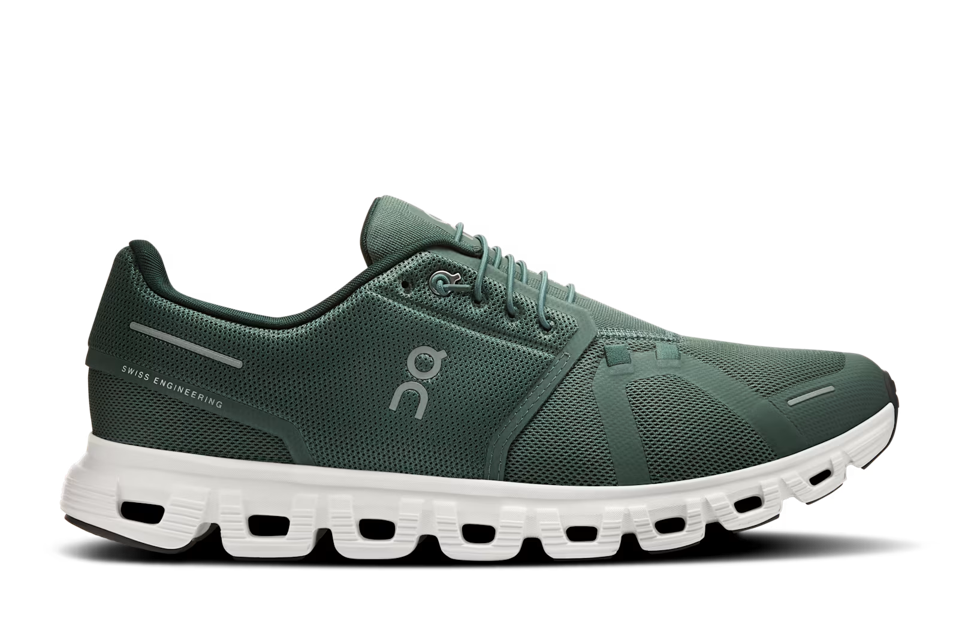
Why Running Shoes Feel So Comfortable
Running shoes are designed to absorb shock and reduce stress on the foot. That same design can make them feel pleasant during normal daily use.
A few features make them stand out:
- Cushioning helps soften impact when you walk on sidewalks, floors, or hard surfaces.
- Lightweight materials reduce foot fatigue during long days.
- Breathable mesh keeps feet cooler in warm weather.
- Flexible soles make each step feel smoother.
- Supportive heel and midfoot structures can help with stability.
For many people, this is exactly why running shoes are good for everyday use. They feel easy right away, almost like walking on a softer path.
When Running Shoes Are a Great Everyday Choice
Running shoes are especially useful if your day includes a lot of movement. If you walk to work, stand for long periods, or take public transit, the extra cushioning can really help.
They are often a strong fit for:
- Teachers, retail workers, and nurses who spend hours on their feet
- Students who walk across campus
- Travelers who need one versatile shoe
- Parents who are always on the go
- People who prefer comfort over dressy looks
In my experience, running shoes are one of the best “daily drivers” when your schedule is active. They give a nice mix of comfort and practicality without needing much break-in time.
When Running Shoes May Not Be the Best Option
Even though running shoes are good for everyday use in many cases, they are not ideal for everything. Some styles can wear out faster if used only for casual walking, and some may look too sporty for certain settings.
You may want to skip them if you need:
- Formal shoes for office wear or events
- Very durable shoes for rough outdoor work
- Flat shoes for weightlifting or certain training styles
- Waterproof shoes for heavy rain or snow
- Extra arch support that the shoe does not provide
A running shoe is a bit like a good all-purpose kitchen knife. It handles a lot well, but it is not the best tool for every task.
How to Tell if a Running Shoe Will Work for Daily Wear
Not every running shoe feels right for everyday use. Some are made for speed, some for maximum cushion, and some for specific running mechanics.
Look for these traits if you want an everyday pair:
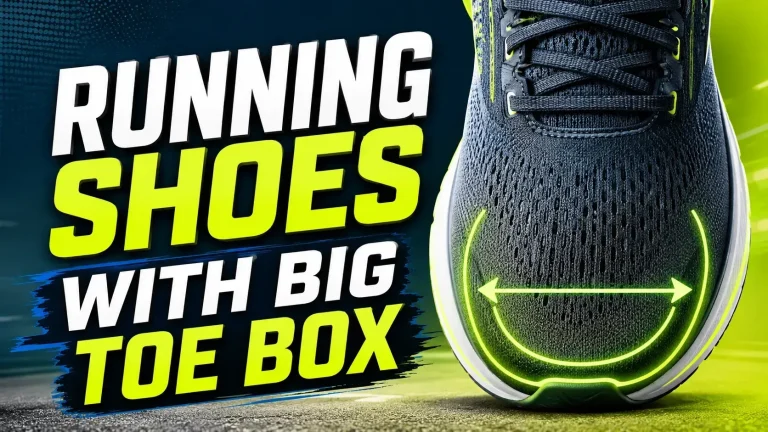
- Comfortable fit with enough toe room
- Moderate cushioning, not overly soft or unstable
- Good grip for sidewalks and indoor floors
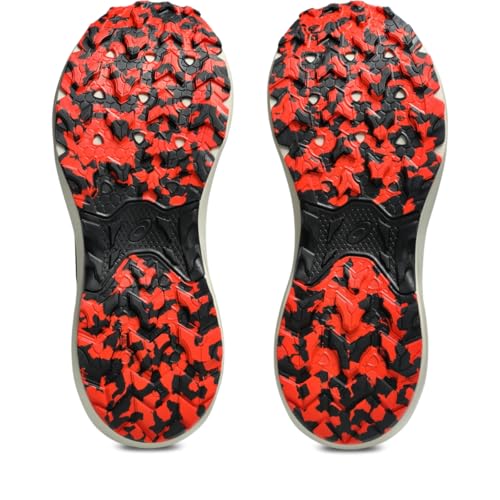
- Durable outsole rubber in high-wear areas
- Breathable upper for all-day comfort
- Stable heel and midfoot support
I always suggest trying shoes on later in the day, when feet are slightly swollen. That small habit has saved me from buying pairs that felt great for five minutes but cramped after a full day.
Best Types of Running Shoes for Everyday Use
Some running shoes are simply better suited to daily wear than others. Daily trainers are usually the best place to start because they are made for comfort, not speed.
Good categories to look at include:
- Daily trainers: Balanced cushioning and support for walking and casual use
- Stability running shoes: Helpful if you overpronate or want more guidance
- Neutral cushioned shoes: Great for people with normal gait and a comfort-first feel
- Walking-friendly running shoes: Designed for all-day comfort and easy movement
On the other hand, super-light racing shoes or carbon-plated models can feel awkward for casual use. They are built for fast running, not long grocery runs or office days.
Benefits of Wearing Running Shoes Every Day
There are real upsides to using running shoes as daily shoes. For many people, the comfort alone is enough to make them worth it.
Main benefits include:
- Better comfort during long walks and standing
- Less foot fatigue for active days
- Easier movement because of flexible soles
- Better breathability than many casual sneakers
- More shock absorption on hard surfaces
A lot of people also like the simple fact that running shoes are easy to wear. You do not have to think much about them. They usually work, and that is a big reason they stay popular.
Drawbacks to Keep in Mind
Running shoes are not magic. They can solve some problems, but they can also create new ones if they are the wrong fit or used in the wrong setting.
Common drawbacks include:
- They may wear out faster if worn nonstop for every task
- Some styles look too athletic for dressier outfits
- Very cushioned shoes can feel unstable for some users
- Narrow fits may irritate wide feet
- Poor arch support can still cause discomfort
I’ve seen people blame the shoe when the real issue was fit. If a running shoe pinches, slides, or throws off your stride, it is not the right everyday shoe no matter how popular it is.
How Running Shoes Compare to Other Everyday Shoes
Running shoes often beat casual sneakers in comfort, but they may not beat them in style or long-term durability. Compared with walking shoes, running shoes usually feel softer and more responsive, while walking shoes can sometimes offer a flatter, steadier ride.
Here is a simple comparison:
- Running shoes: Best for cushioning, lightness, and all-day comfort
- Walking shoes: Best for steady steps and relaxed movement
- Casual sneakers: Best for style and basic daily wear
- Work shoes: Best for job-specific safety or dress requirements
If comfort is your top goal, running shoes are often the winner. If fashion or workplace rules matter more, another type of shoe may be smarter.
What Experts and Shoe Testing Trends Suggest
Footwear experts and sports medicine professionals often point out that comfort, fit, and activity level matter more than the shoe label itself. Research on footwear commonly shows that no single shoe is best for everyone, and comfort is a strong sign that a shoe may work well for daily use.
That lines up with what I have seen in real life. The people happiest in running shoes are usually the ones who match the shoe to their routine, not just the brand to their taste. A well-fitted running shoe can help reduce pressure on the feet, but it should still feel stable and natural.
Tips for Wearing Running Shoes Every Day
If you plan to use running shoes as your regular shoes, a few simple habits can help them last longer and feel better.
Try these tips:
- Rotate between two pairs if possible
- Let shoes dry fully after a wet day
- Replace worn insoles when needed
- Check the outsole for smooth or uneven wear
- Choose the right sock thickness for the fit you want
- Use the correct lace tension to prevent heel slip
One mistake I see often is wearing one pair until it is completely dead. Running shoes lose support over time, so even a very comfortable pair can stop doing its job if you keep them too long.
Signs Your Running Shoes Are No Longer Good for Everyday Use
Even a great shoe has a limit. If your running shoes start breaking down, they may still look fine but feel bad on your feet.
Watch for these signs:
- Midsole feels flat or lifeless
- Outer sole is worn smooth
- Heel feels tilted or unstable
- You notice new foot, knee, or ankle soreness
- The upper stretches too much or tears
If you start feeling more tired after normal walking, that is often a clue. Shoes should support your day, not make it harder.
Frequently Asked Questions
Are running shoes good for walking every day?
Yes, running shoes are usually very good for daily walking because they are cushioned and flexible. They can reduce foot fatigue, especially on hard pavement or when you walk for long periods.
Can I wear running shoes to work?
You can wear running shoes to work if your workplace allows casual footwear. They are a great choice for active jobs, but they may not fit formal dress codes.
Do running shoes last long as everyday shoes?
They can last a decent time, but daily wear may shorten their life compared with occasional use. If you wear them every day, watch for worn soles and reduced cushioning.
Are running shoes better than regular sneakers for comfort?
Often, yes. Running shoes usually have better cushioning and support, which can make them feel more comfortable during long days.
Should I buy running shoes one size bigger for everyday use?
Not always, but many people do better with a little toe room. The best fit is one that feels secure in the heel and midfoot while leaving space in the front.
Conclusion
Running shoes can absolutely be a good choice for everyday use, especially if comfort, support, and light weight matter most to you. They work well for walking, commuting, travel, and long days on your feet, as long as you choose the right fit and style.
The main thing to remember is that not every running shoe is built for the same purpose. Pick a pair that matches your daily routine, pay attention to fit, and replace them when they start to wear out. If you want shoes that make everyday life feel a little easier, start by trying a well-cushioned running shoe and see how your feet respond.


2 Comments