Why Are Running Shoes So Expensive: Real Reasons Explained

Running shoes cost more because of advanced materials, research, labor, branding, and constant performance innovation.
If you have ever stared at a $180 pair of running shoes and thought, “Why are running shoes so expensive?”, you are not alone. I have had that same moment plenty of times, both as a runner and as someone who has spent years comparing shoe tech, fit, and value. The short answer is that you are paying for far more than rubber and foam. You are paying for years of design work, injury-reducing features, testing, and the kind of materials that help shoes feel light, fast, and durable on real roads and trails.

What makes running shoes different from regular sneakers?
Running shoes are built for repeated impact. Every step sends force through your feet, ankles, knees, and hips, so the shoe has to absorb shock and support movement in a very specific way. Regular sneakers may look similar, but they often lack the structure, cushioning, and stability needed for running.
A good running shoe is a piece of sports equipment, not just footwear. Brands spend a lot of money designing shoes that help runners move efficiently while lowering the chance of discomfort. That extra engineering is one of the main reasons why running shoes are so expensive.
Here are some of the main differences:
- Cushioning: Running shoes use foams and midsoles made to handle miles of pounding.
- Support: Many models guide your foot through each stride.
- Breathability: Upper materials must stay light while letting heat escape.
- Outsole grip: The bottom of the shoe must resist wear and keep traction.
- Fit design: The shoe must work for long use without causing hot spots or blisters.
In my own experience, the difference becomes obvious after a few runs. A cheap casual shoe may feel fine walking around, but after three miles, the flaws show up fast. That is when the real value of a running shoe starts to make sense.
The biggest reasons why running shoes are so expensive
There is no single reason why running shoes are so expensive. It is more like a stack of costs built into one product. Each layer adds value, but it also adds price.
1. Research and development costs
Modern running shoes are the result of intense research. Brands test foam compounds, plate systems, heel geometry, rocker shapes, and upper materials to improve performance. They work with biomechanists, engineers, and elite athletes to refine every detail.
That research is expensive. A new midsole foam or carbon plate design may take years of lab testing and field trials before it reaches the store. When a company improves running efficiency by even a small amount, that breakthrough gets baked into the final price.
2. Advanced materials
One major reason why running shoes are so expensive is the material cost. Many modern shoes use:
- Lightweight engineered mesh
- High-resilience foams
- Carbon fiber plates
- Durable rubber compounds
- Specialized insoles and linings
These materials are not cheap, and some are hard to source consistently. Premium racing shoes often use softer, lighter, and more responsive foams that feel great but wear out faster. That tradeoff is common in the running shoe market.
3. Labor and manufacturing
Running shoes are made through complex manufacturing processes. The parts must be cut, shaped, glued, stitched, pressed, and checked for quality. Even in large-scale production, skilled labor and strict quality control raise costs.
Some shoes are also produced in regions where labor standards, factory compliance, and shipping requirements add to the total price. Cheap production is not always simple production. When companies insist on better quality and safer working conditions, the cost goes up.
4. Brand marketing and athlete sponsorships
A large part of why running shoes are so expensive has nothing to do with the foam under your foot. It has to do with branding. Major running brands pay for elite athlete deals, global ad campaigns, race sponsorships, and product launches.
That marketing helps create trust and visibility, but it also gets built into the retail price. When you buy a shoe worn by a famous marathon runner, you are partly helping pay for that sponsorship.
5. Constant product updates
Running shoe models change often. Brands introduce new versions every year, sometimes more than once. That creates pressure to innovate fast, even when the old version was already good.
Frequent updates mean:
- More design work
- More testing
- More inventory changes
- More risk if a model fails
I have seen runners buy a shoe they love, only to find the next version feels completely different. That is frustrating, but it also explains why companies invest so much in each release. They are trying to stay ahead in a very competitive market.

How performance technology pushes prices higher
If you are wondering why running shoes are so expensive now compared with years ago, technology is a big part of the answer. The modern running shoe has become much more advanced.
Energy return foam
Many shoes now use foams designed to bounce back after compression. This helps runners feel less tired and more efficient. Better foam formulas usually cost more to make and more to develop.
Carbon plates and propulsion systems
Racing shoes often include carbon fiber plates or similar stiff structures. These are designed to improve speed and running economy. They are not cheap to produce, and they require careful engineering to avoid making the shoe feel unstable.
Rocker geometry
Some shoes use a curved sole shape that helps roll the foot forward. This can improve smoothness and reduce effort. But designing that shape well takes testing, and testing costs money.
Stability systems
Stability shoes may include guide rails, medial support, or carefully tuned midsole shapes. These features help control motion for runners who need extra support. The more precise the system, the more it often costs to build.
A simple way to think about it: a running shoe is a tiny machine for moving humans forward. Like any machine, the smarter it gets, the more expensive it usually becomes.

Do expensive running shoes always perform better?
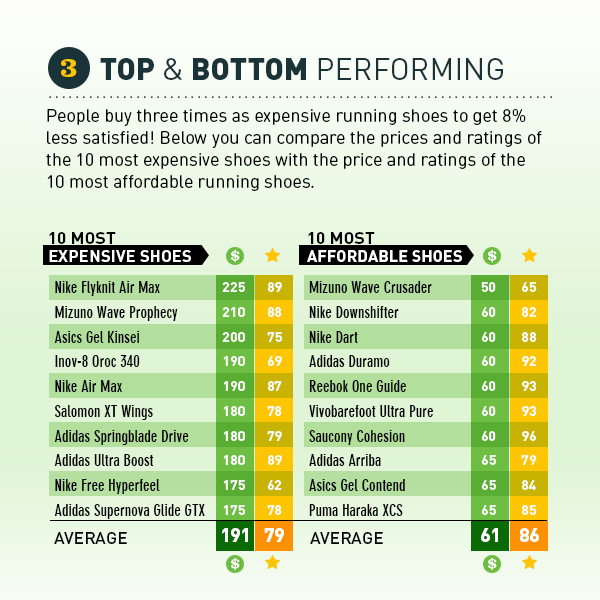
Not always. This is one of the biggest myths in running. A high price does not guarantee the best fit, the best comfort, or even the best performance for your body.
What matters most is how the shoe matches your foot, your stride, your pace, and your goals. A $160 shoe that fits perfectly can feel much better than a $250 shoe with fancy tech that does not suit you.
From experience, I have learned not to chase the most expensive option just because it is popular. I made that mistake early on. I bought a top-tier pair for racing, but the fit was too narrow, and the foam felt unstable on long runs. It looked amazing, but it was wrong for me. That taught me a useful lesson: price is only one part of value.
Here is what to focus on instead:
- Fit: The shoe should feel secure, not tight.
- Comfort: You should like it from the first step.
- Purpose: Daily training, tempo runs, and racing need different shoes.
- Durability: Some shoes are built for speed, others for miles.
- Injury history: Your past pain matters more than marketing claims.

Why some running shoes are more expensive than others
Not all running shoes cost the same. Prices can vary a lot depending on the category and purpose.
Daily trainers
These are built for regular training, comfort, and durability. They often sit in the middle of the price range because they balance features and lifespan.
Stability shoes
These often cost a bit more because they need special support design. The extra engineering helps runners who overpronate or need more guidance.
Max cushioning shoes
These use more foam, which raises material cost. They can feel plush and protective, but the extra foam makes them more expensive.
Race shoes
These are usually the priciest. They are built for speed, not long-term durability, and they often include premium foam, carbon plates, and lightweight uppers.
Trail shoes
Trail shoes may cost more because they need rugged outsoles, protective uppers, and more durable materials for rough ground.
A simple buying rule I use is this: the more specialized the shoe, the more expensive it tends to be. Specialization always costs money.
.png)
Are expensive running shoes worth it?
Sometimes yes, sometimes no. It depends on what you need.
They are worth it if:
- You run often and need better comfort
- You race and want performance gains
- You have a specific fit or support need
- You want a shoe made with premium materials
They may not be worth it if:
- You run only occasionally
- You mainly walk or wear shoes casually
- You do not notice the tech difference
- You are paying more for hype than function
A smart runner does not just ask, “Why are running shoes so expensive?” A smarter question is, “What am I actually getting for the price?” That shift in thinking can save you a lot of money.
How to get good running shoes without overspending
You do not need to pay top dollar to get a solid pair. I have found that timing, patience, and knowing what matters make a huge difference.
Try these tips:
- Buy last year’s model: The differences are often small, but the savings can be big.
- Shop during sales: Holiday and end-of-season deals can cut prices sharply.
- Know your needs: Do not pay for racing tech if you only need daily comfort.
- Check return policies: A shoe that feels great in the store may fail on a run.
- Rotate shoes: Using two pairs can extend the life of both.
- Use specialty stores wisely: A proper fitting can prevent expensive mistakes.
One mistake I see all the time is buying based on hype. The coolest shoe on the wall is not always the best one for your feet. When you shop with purpose, running shoes become much easier to justify.
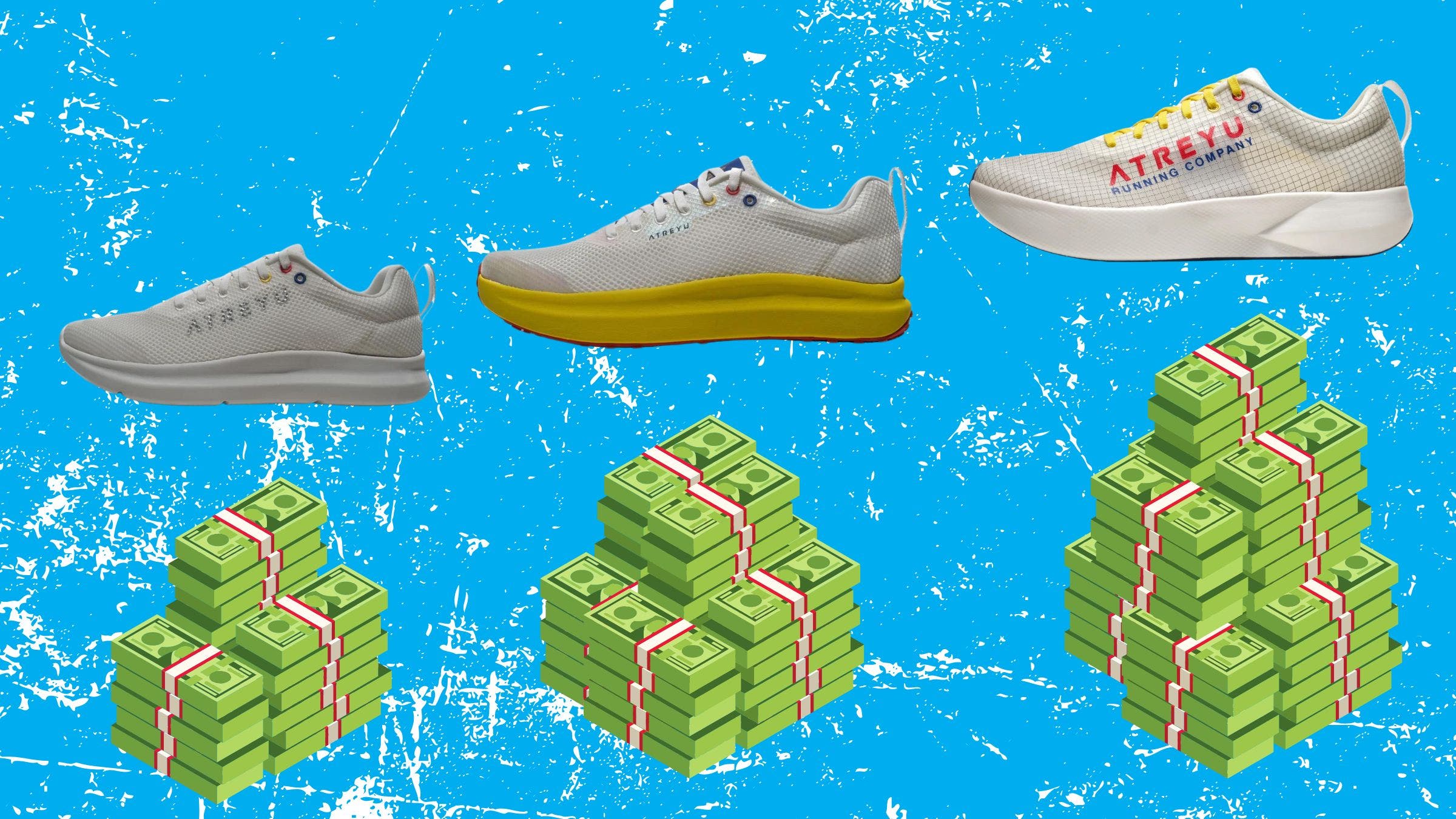
When people ask why are running shoes so expensive, they often only think about materials. But hidden business costs matter too.
These can include:
- Product testing and athlete trials
- Packaging and retail presentation
- Inventory storage
- Shipping and import costs
- Store overhead and staff wages
- Warranty and return handling
All of this gets folded into the sticker price. Even if the shoe itself seems simple, the system behind it is not.
There is also a business reality here: brands know runners are often loyal once they find a model they love. That loyalty gives companies room to charge more for well-known shoes. It is smart business, even if it feels pricey as a customer.
Frequently Asked Questions
Why are running shoes so expensive compared with regular sneakers?
Running shoes are built with better cushioning, support, and durability for repeated impact. The added engineering, testing, and materials raise the cost.
How long should expensive running shoes last?
Most running shoes last about 300 to 500 miles, though this depends on your body weight, running style, and the shoe’s design. Race shoes often wear out faster because they use lighter, softer materials.
Are carbon plate running shoes worth the money?
They can be worth it for race day or fast workouts if you care about performance. For easy runs and daily training, most runners do not need carbon plates.
Do expensive running shoes prevent injuries?
No shoe can guarantee injury prevention. A good fit and proper training matter more, though the right shoe may help reduce discomfort and stress on your body.
When should I replace my running shoes?
Replace them when the cushioning feels flat, the outsole is worn, or you start noticing new aches. If you track mileage, many runners begin looking for replacements around 300 to 500 miles.
Conclusion
Running shoes are expensive because they combine research, technology, labor, materials, and brand costs into one product. That price can be worth it when the shoe fits your needs, but it is not always a sign of better value. The smartest move is to focus on comfort, purpose, and fit instead of chasing the highest price tag.
If you are shopping for your next pair, take your time, compare options, and think about how you actually run. That simple approach can help you spend wisely and avoid buyer’s regret. If you found this helpful, explore more running gear guides and share your own shoe experience in the comments.