What Is C Width In Women’s Shoes: Fit Guide

Introduction
In U.S. women’s shoes, C width usually means a width between standard and wide, but the exact fit depends on the brand, shoe shape, and sizing system. Some U.S. brands use C for a slightly wide fit. Others list C as standard or do not offer it at all.
The key point is simple: a C label is not a fixed measurement across all women’s shoes. Always compare the brand’s width chart with your foot measurements. Shoe width also depends on the toe box, heel shape, materials, and overall design.
C Width in Women’s Shoes: Quick Answer
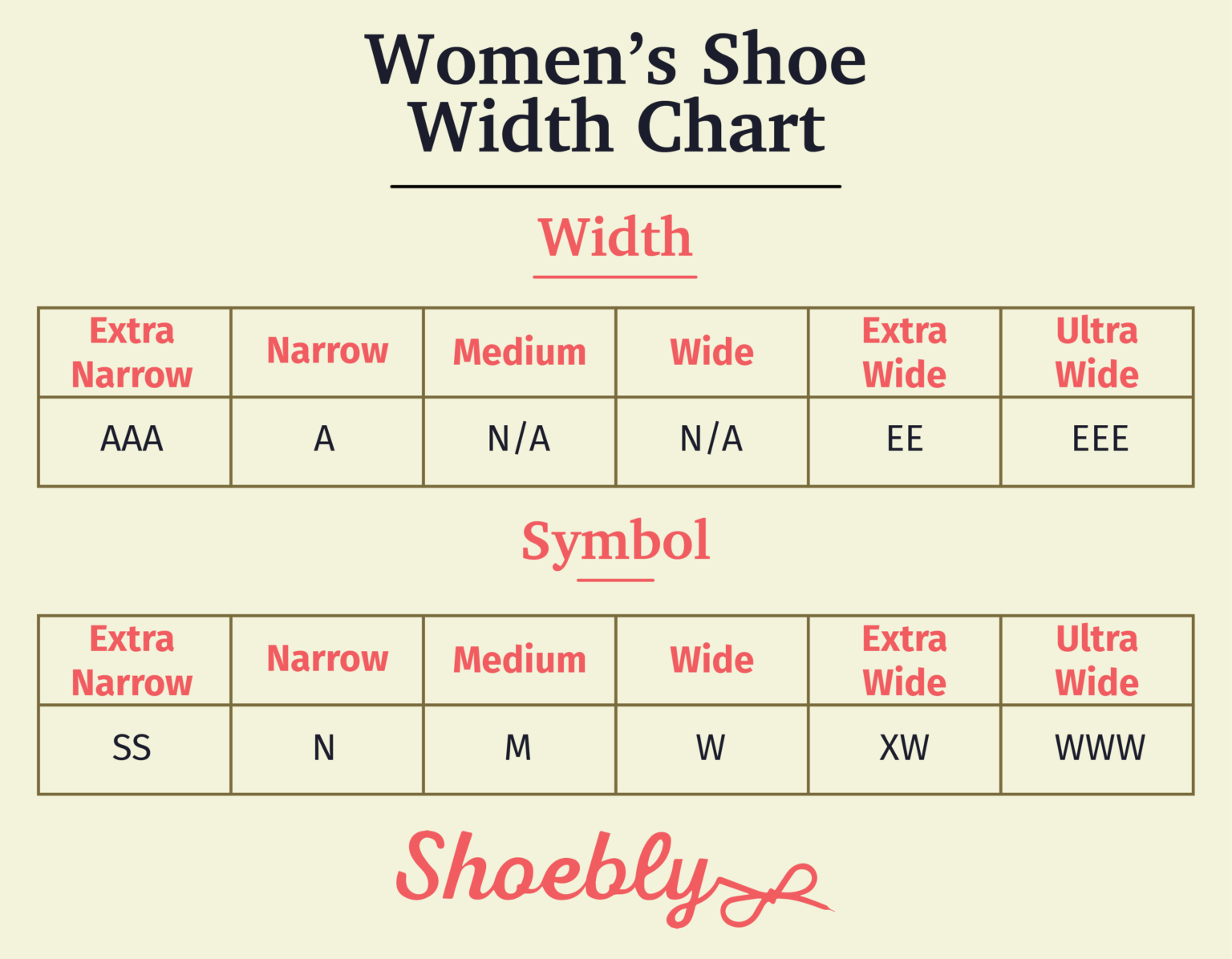
C width in women’s shoes often indicates a medium-wide or wide fit. It is commonly wider than a standard B width but narrower than a D or 2E width. However, U.S. shoe brands do not use one universal width scale.
For example:
- B often means standard or medium width in women’s shoes.
- C may mean slightly wide, wide, or standard-wide.
- D often means wide in women’s shoes.
- 2E or EE often means extra wide.
- AA or AAA usually means narrow or very narrow.
These labels can change by brand. A women’s C-width shoe from one company may fit like a B or D from another.
How Women’s Shoe Width Letters Work
Shoe width letters describe the space across the widest part of the foot, known as the ball of the foot. The width code does not describe shoe length.
A shoe marked 8C means:
- 8 = the shoe’s length size
- C = the shoe’s width category
The same width letter can feel different when paired with another length. Foot shape also changes as shoe size changes, so a C width in a size 6 is not always the same physical width as a C width in a size 10.
Common U.S. women’s width labels
| Width label | Common meaning in women’s shoes | Typical use |
|---|---|---|
| AAA | Extra narrow | Very slim feet |
| AA | Narrow | Narrow feet |
| A | Narrow to slightly narrow | Some dress shoes |
| B | Standard or medium | Most standard women’s shoes |
| C | Medium-wide or wide | Feet needing more room than B |
| D | Wide | Wide feet |
| 2E or EE | Extra wide | Very wide feet |
| 4E | Extra-extra wide | Exceptionally wide feet |
This table shows common U.S. practice, not a universal rule. Brands may skip letters, use different names, or assign different widths to the same letter.
A useful comparison is that women’s B width often matches a standard women’s fit, while women’s C width may add room across the forefoot. In some brands, women’s C is called wide. In others, wide begins at D.

Is C Width the Same as Wide?
Not always. In many U.S. women’s shoe charts, C is wider than standard B but may not be as wide as D. In other charts, C is the brand’s wide option.
This difference happens because shoe widths are based on each brand’s design system. Manufacturers use different lasts, materials, toe shapes, and measurement methods. A soft knit sneaker may stretch more than a leather loafer, even when both carry the same width code.
A practical width comparison
| If your usual width is… | A C-width shoe may feel… |
|---|---|
| A or AA | Very roomy |
| B | Slightly wider |
| C | Close to standard for your foot |
| D | Possibly narrow |
| 2E | Usually too narrow |
These are general comparisons. They should not replace the brand’s own size chart or a proper fitting.
The best way to judge a C width is to compare it with the same brand’s B and D options. If a brand lists C as wide, follow that definition rather than assuming all C shoes fit alike.
C Width Compared With B, D, and 2E
The difference between B, C, D, and 2E is usually most noticeable across the forefoot. A wider shoe gives the toes and ball of the foot more side-to-side space. It does not necessarily make the shoe longer.
B width
B is often the standard women’s width in the United States. It suits many feet with an average forefoot and a moderate heel.
A B-width shoe may feel tight if:
- Your little toe rubs the side.
- The ball of your foot hangs over the edge of the sole.
- You see bulging near the widest part of the shoe.
- Your foot feels squeezed even when the length is correct.
C width
C may suit a foot that needs more space than B but does not need a very wide shoe. It can work well for people with a slightly broad forefoot, mild swelling, or a wider toe area.
C may be too wide if:
- Your heel lifts during normal walking.
- Your foot slides from side to side.
- The shoe creases in the wrong place.
- You must tighten the laces fully to keep the shoe secure.
D width
D is often sold as wide in women’s shoes. It may suit feet with a clearly broad forefoot or more room across the ball.
A D shoe can still feel tight if its toe box is sharply tapered. Width is not only about the label. The shape of the front of the shoe matters too.
2E or EE width
2E and EE commonly indicate extra-wide women’s shoes. Some brands use 4E for an even wider fit.
Extra-wide shoes may be useful when a C or D shoe still causes pressure at the toes or forefoot. However, a wide shoe should not feel loose through the heel.

How to Know Whether You Need C Width
You may need C width if your standard B-width shoes feel tight across the front but the length feels right. The strongest signs are pressure at the ball of the foot, toe rubbing, side bulges, or numbness caused by a cramped fit.
Do not use pain alone to select a width. Pain can also come from poor arch support, a short length, a stiff upper, a heel that slips, or a shoe shape that does not match your foot.
Signs that C may fit better than B
Look for these signs while standing and walking:
- Your toes can spread without touching the sides.
- The widest part of your foot sits over the widest part of the sole.
- The upper does not press hard against the ball of your foot.
- Your heel stays in place without excessive tightening.
- Your toes do not hit the front.
- You can walk without rubbing, pinching, or numbness.
A shoe should feel secure, not compressed. Your foot should not need to “break in” through painful pressure. Materials may soften, but they usually do not create a full new width.
Signs C may still be too narrow
A C width may not provide enough space if:
- Your forefoot spills over the sole.
- Your toes overlap or curl to avoid pressure.
- The sides leave red marks after a short wear period.
- Your feet feel numb or hot.
- The shoe pushes your big toe toward the others.
If these signs appear, try a D or 2E width, a rounder toe box, or a different shoe shape. Do not simply buy a longer shoe to gain width. Extra length can make the foot slide and may create new rubbing.
Signs C may be too wide
A C width may be too roomy if:
- Your foot moves side to side.
- Your heel slips with each step.
- The shoe bends away from your foot.
- You develop blisters from movement.
- You need thick socks to make the shoe fit.
A narrower width or a different heel shape may solve this problem. In some cases, lacing changes or an insole can improve security, but these should not be used to force a badly fitting shoe to work.

How to Measure Your Foot Width at Home
You can measure your feet at home to narrow down the right width. The result is only a starting point because shoe brands use different lasts and width charts.
What you need
- Two sheets of paper
- A pencil
- A ruler or measuring tape
- The socks you plan to wear
- A flat floor
- Someone to help, if possible
Measurement steps
- Place one sheet of paper on a hard, flat floor.
- Put on the socks you expect to wear with the shoes.
- Stand with one foot on the paper. Keep your weight evenly spread.
- Trace around the foot while holding the pencil straight up.
- Repeat with the other foot.
- Measure the length from the longest toe to the back of the heel.
- Measure the width across the widest part of the foot.
- Record both feet. Use the larger measurement when choosing a size.
Measure later in the day if your feet tend to swell. Feet can change size during the day, and a shoe that fits in the morning may feel tight later.
Why both feet matter
Many people have one foot that is slightly longer or wider. Fit the larger foot first. You can use a thin insole or a small heel grip to improve the fit of the smaller foot, but do not buy a short shoe for the smaller foot.
A professional fitting with a Brannock Device or a shoe-fitting specialist can provide a better starting point, especially when your feet are very different in size.

How to Read a Brand’s Width Chart
A brand’s width chart is more useful than a general letter guide. Look for a chart that lists:
- Women’s or men’s sizing
- U.S. shoe size
- Width letter
- Foot length
- Foot width
- The brand’s terms, such as medium, wide, or extra wide
Check that the chart applies to the exact shoe model. A company may use different fits for running shoes, boots, sandals, and dress shoes.
For example, one brand may call B “medium” and D “wide.” Another may call C “wide.” Neither label is automatically wrong. The names reflect that company’s own sizing system.
What to do when the chart lists inches or centimeters
If a chart lists foot width in inches or centimeters:
- Measure both feet.
- Use the larger width.
- Compare the measurement with the chart for your shoe length.
- Check the return policy before ordering.
- Read fit notes for the specific model.
Do not compare your foot width with the outside width of a shoe. The outer sole includes wall thickness, seams, and design features. It does not show the actual space inside the shoe.

C Width in Sneakers, Boots, Sandals, and Dress Shoes
The same C label can feel different across shoe types. The shoe’s upper, sole, toe shape, and closure all affect fit.
Sneakers
Sneakers often use flexible materials and laces. A C width may feel comfortable if the upper can move with the foot. A firm toe cap can make the same labeled width feel tighter.
For walking or running shoes, check that:
- The heel stays stable.
- Your toes have room to move.
- The widest part of your foot lines up with the widest part of the shoe.
- The shoe does not press on the top or sides of the toes.
Boots
Boots may have stiff leather, a narrow opening, or a thick lining. A C-width boot can feel smaller than a sneaker with the same label.
Consider the socks, insoles, and foot swelling you expect during wear. A boot that fits only with thin socks may not work in cold weather.
Sandals
Sandals expose more of the foot, so the straps matter as much as the width code. A C-width sandal may still pinch if a strap crosses the ball of the foot.
Your foot should stay within the footbed. If your heel or toes hang over the edges, the sandal may be too short or too narrow.
Dress shoes
Dress shoes often use firm materials and pointed or almond-shaped toes. A C width does not guarantee a roomy toe box.
Choose a shoe with enough space at the toes from the start. Do not rely on painful stretching to correct a narrow design.
Common Mistakes When Choosing C-Width Shoes
The most common mistake is treating the width letter as a universal measurement. Shoe width labels are useful, but they only make sense within the brand’s sizing system.
Mistake 1: Buying a longer shoe to gain width
A longer shoe does not always provide the right side-to-side space. It may cause your foot to slide forward, which can lead to heel rubbing or toe pressure.
Choose the correct width first, then confirm the length.
Mistake 2: Assuming C always means wide
C can mean medium-wide, wide, or another category. Read the brand’s chart for the exact product.
Mistake 3: Ignoring the toe box
A shoe can have a wide middle but a narrow toe box. Look at the shape of the front, not just the width code.
Mistake 4: Fitting only while seated
Your feet spread when you stand. Try shoes while standing and walk on a firm surface for several minutes.
Mistake 5: Expecting painful shoes to stretch
Leather and some fabrics may soften. They usually do not correct a major width problem. Pain, numbness, or repeated rubbing means the fit needs attention.
Mistake 6: Measuring only one foot
Always measure both feet. Use the larger foot when deciding on length and width.

How Should C-Width Shoes Fit?
A well-fitting C-width shoe should feel roomy across the forefoot without allowing excessive side-to-side movement. Your toes should lie flat, your heel should remain secure, and the shoe should bend near the ball of your foot.
Try the shoes with the socks or hosiery you plan to wear. Walk, turn, and climb a few steps if possible. Check the fit after several minutes, since pressure may become clear only after movement.
You should not need to accept pain, numbness, or persistent rubbing. If a shoe causes repeated discomfort, stop wearing it and try another width, toe shape, or style. If foot pain continues even in well-fitting shoes, a podiatrist or other qualified health professional can help identify the cause.

Key Takeaways
- C width in women’s shoes often means medium-wide or wide.
- It is usually wider than B but may be narrower than D or 2E.
- Width letters vary by U.S. brand and shoe model.
- A brand’s own chart is more reliable than a general width table.
- Measure both feet while standing and use the larger foot.
- Check the toe box, heel fit, and shoe shape—not only the width letter.
- A good fit should feel secure and comfortable without pinching or slipping.
FAQs About C Width in Women’s Shoes
Is C width wider than B in women’s shoes?
Often, yes. B is commonly the standard women’s width, while C may provide more room across the forefoot. Some brands, however, use C as a standard or wide width, so check the brand chart.
Is C width the same as D width?
No. C is often narrower than D in women’s shoes. But width systems differ, and one brand’s C may fit like another brand’s D.
Is C width considered wide for women?
C may be considered wide by some U.S. brands and medium-wide by others. The term “wide” has no single measurement that applies to every manufacturer.
Can I convert my regular shoe size to C width?
You can use your regular length size as a starting point, but width must be checked separately. A size 8B and a size 8C have the same stated length but different width categories.
Should I size up if my shoes feel too narrow?
Usually, do not size up only to gain width. A longer shoe may cause sliding and heel blisters. Try a wider width or a shoe with a roomier toe box instead.
Conclusion
C width in women’s shoes generally means a fit that is wider than standard B and may be close to wide D. The exact meaning changes by brand, model, and shoe shape.
For the best fit, measure both feet, check the manufacturer’s U.S. width chart, and try the shoes while standing and walking. If C feels tight, consider D or 2E. If it feels loose, try B or a narrower shoe shape.