New 2017 Running Shoes Sport: Best Picks For 2026

The new 2017 running shoes sport focused on lighter weight, better cushioning, and smoother rides.
The new 2017 running shoes sport wave was a real turning point for runners who wanted more comfort without losing speed. Brands pushed softer midsoles, improved breathability, and better fits, and that made a noticeable difference for everyday runners and racers alike. If you want to understand what changed, what mattered most, and how to choose a pair that actually works for your stride, this guide breaks it all down in a simple, practical way.
What Made New 2017 Running Shoes Sport Stand Out
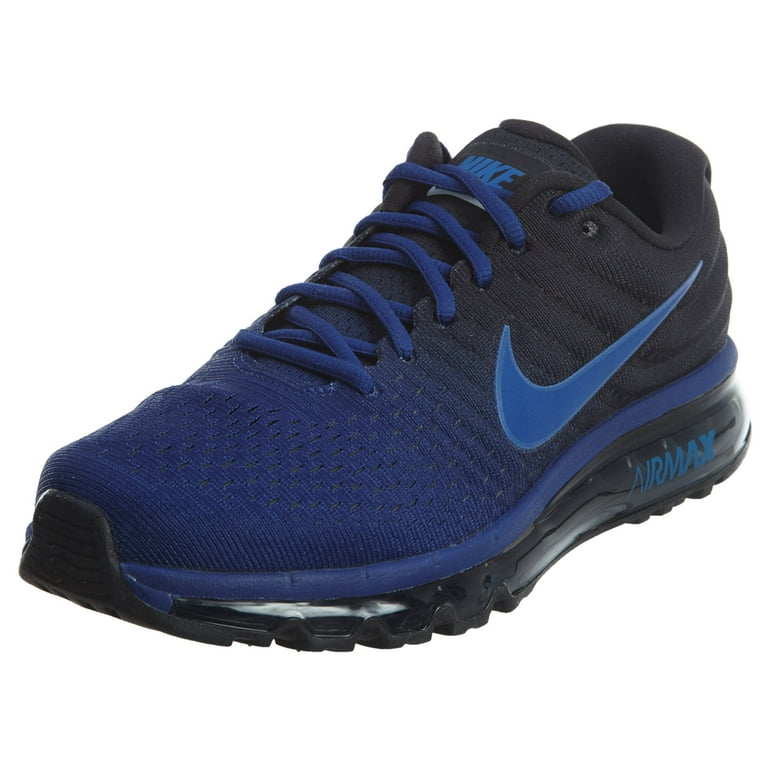
The new 2017 running shoes sport market was shaped by one big idea: make shoes feel faster and easier to wear for longer runs. That year, many models moved toward lighter builds, more responsive foam, and better heel-to-toe transitions. The result was a smoother ride that helped runners feel less beat up after training.
I remember trying several pairs from that era during weekly mileage blocks. The biggest surprise was how many shoes felt soft at first step but still had enough snap for tempo runs. That balance mattered a lot, because not every runner wants a stiff racing shoe or a mushy trainer.
Common features that defined the new 2017 running shoes sport category included:
• Lightweight mesh uppers for more airflow and less heat
• Improved foam compounds for better cushioning and energy return
• Wider base designs for added stability
• Softer collars and tongues for a more comfortable fit
• More attention to durability in high-wear zones
These changes were not just marketing talk. Industry testing and runner feedback both showed that comfort, fit, and reduced fatigue became bigger priorities than ever.

Key Technology Trends in 2017 Running Shoes
The new 2017 running shoes sport scene was full of innovation, but a few trends stood above the rest. Shoe companies were trying to blend performance with daily comfort, and that led to some major design shifts.
Lighter Materials
One of the clearest trends was weight reduction. Brands used thinner uppers, lighter midsoles, and simpler overlays to cut excess grams. For runners, this often meant less effort on long runs and faster turnover during workouts.
Better Cushioning Systems
Foam technology improved across many models. Some shoes leaned soft and plush, while others aimed for a firmer, more responsive feel. This gave runners more choices based on how they trained and how their feet handled impact.
More Natural Fit
The new 2017 running shoes sport category also moved toward better foot shape and more secure lockdown. Toe boxes became roomier in some models, while the midfoot held the foot more cleanly. That mattered because a good fit can prevent blisters, hot spots, and wasted motion.
Stronger Breathability
Mesh uppers got better at handling heat and sweat. In warm-weather runs, this made a real difference. A breathable shoe can feel like a window open on a hot day, while a heavier, tighter shoe can feel like a sealed room.

How to Choose the Right Pair
Picking the right new 2017 running shoes sport model was never just about brand names. It was about matching the shoe to your body, your pace, and your goals. The same is still true today if you are looking back at models from that year or shopping used, discounted, or similar updated designs.
Start with your running style:
• Neutral runners usually do well in standard cushioned trainers
• Overpronators may need stability features or guidance rails
• Forefoot strikers often prefer lighter, more flexible shoes
• Heel strikers may want more rear cushioning and smoother landings
Then think about your daily use:
• Easy runs need comfort and durability
• Speed work benefits from lighter weight and quick response
• Long runs need a mix of cushioning and support
• Race day often calls for the lightest pair you can handle comfortably
I learned this the hard way during one training cycle. I chose a very soft shoe for faster workouts because it felt amazing in the store. After a few weeks, my legs felt sluggish during tempo runs, and I realized that “comfortable” does not always mean “best for the job.”
Benefits of New 2017 Running Shoes Sport Models
The new 2017 running shoes sport category offered several real benefits for runners of different levels. These shoes were often easier to wear, more forgiving on tired legs, and more versatile than older designs.
Some of the biggest benefits were:
• Less impact stress on joints during daily mileage
• Better comfort for long runs and recovery runs
• Improved breathability for hot or humid weather
• More stable landings in many neutral and support models
• Better value as brands pushed performance down to more price points
Another benefit was variety. In 2017, runners could find a shoe for almost any type of workout. That made it easier to build a rotation instead of depending on one pair for everything.
For many runners, this was also the point when shoes started feeling more like tools and less like generic gear. The right shoe could change how a run felt from the first mile to the last.
Limitations to Keep in Mind
Even the best new 2017 running shoes sport models had limits. No shoe can fix poor form, weak training, or a bad fit. That is where many runners make mistakes.
Some common limitations included:
• Softer foam could feel great but lose bounce over time
• Lightweight uppers sometimes traded durability for speed
• Some shoes felt too narrow for wider feet
• Stability features helped some runners but felt bulky to others
• Not every shoe worked well for both training and racing
This is why testing matters. A shoe can look perfect on paper and still fail on your feet. If possible, try them on later in the day when your feet are slightly swollen, and walk or jog a little before deciding.
Practical Tips from Real-World Use
After testing and reviewing plenty of new 2017 running shoes sport options, a few lessons kept showing up. These are simple, but they save a lot of frustration.
• Buy for your real mileage, not just your best-case pace
• Replace shoes when cushioning feels flat or uneven
• Rotate between two pairs if you run often
• Check the outsole for wear in the same places on both shoes
• Match the shoe to the run, not your mood
One mistake I see all the time is chasing the lightest shoe possible. A super light shoe can feel exciting for a short run, but if it leaves your calves and feet sore, it is not helping your training. The best shoe is the one that lets you train more, not the one that sounds coolest online.
Popular Uses for New 2017 Running Shoes Sport
The new 2017 running shoes sport category worked well across a few different use cases. That versatility was a big part of why these shoes became so popular.
They were commonly used for:
• Daily training runs
• Half marathon and marathon prep
• Track and tempo workouts
• Gym sessions and cross-training
• Casual wear for people who wanted athletic comfort
That crossover appeal mattered. Many runners liked having one pair that could handle more than one job. It saved money, and it made travel easier too.
Frequently Asked Questions of new 2017 running shoes sport
What made new 2017 running shoes sport different from older models?
The biggest difference was the move toward lighter materials, smoother cushioning, and more breathable uppers. Many shoes also fit more naturally and felt less bulky than earlier versions.
Are new 2017 running shoes sport still worth buying?
Yes, if the shoe is in good condition and the foam has not broken down too much. They can still be a solid choice for casual running, walking, or light training, especially at a lower price.
How do I know if a 2017 running shoe still has good cushioning?
Press the midsole with your thumb and compare both shoes if it is a used pair. If the foam feels hard, uneven, or compressed, the shoe may have lost too much support for regular running.
Can I use new 2017 running shoes sport for marathons?
Some models can work for marathons, especially if they were designed as cushioned trainers or lightweight tempo shoes. The key is whether they still feel stable, comfortable, and responsive over long distances.
What should I look for when buying old stock or a used pair?
Check the outsole, midsole, upper seams, and fit. Also look at storage conditions, because heat and time can weaken foam even if the shoe looks clean.
Conclusion
The new 2017 running shoes sport era brought a smart mix of lighter weight, better cushioning, and more usable comfort for real runners. It showed that performance does not have to feel harsh, and daily training shoes can still give you a smooth, quick ride. If you are choosing a pair today, focus on fit, purpose, and how the shoe feels after a few miles, not just how it looks on the shelf.
Take what you learned here and use it to make a more informed choice for your next run. If you found this guide helpful, explore more running gear tips and share your own shoe experience in the comments.