
Are Running Shoes Non Marking? Everything You Need to Know

Hi, I’m Peter Parker. If you’ve ever been asked to wear non-marking shoes at a gym, volleyball court, basketball court, or indoor sports facility, you may have wondered: are running shoes non marking?
It’s a common question because many running shoes look similar to court shoes. Yet appearances can be misleading. Some running shoes are non-marking, while others can leave scuff marks or streaks on indoor surfaces.
In this guide, I’ll explain what non-marking shoes are, whether running shoes qualify, how to identify them, and when you should choose a dedicated court shoe instead.
Quick Answer
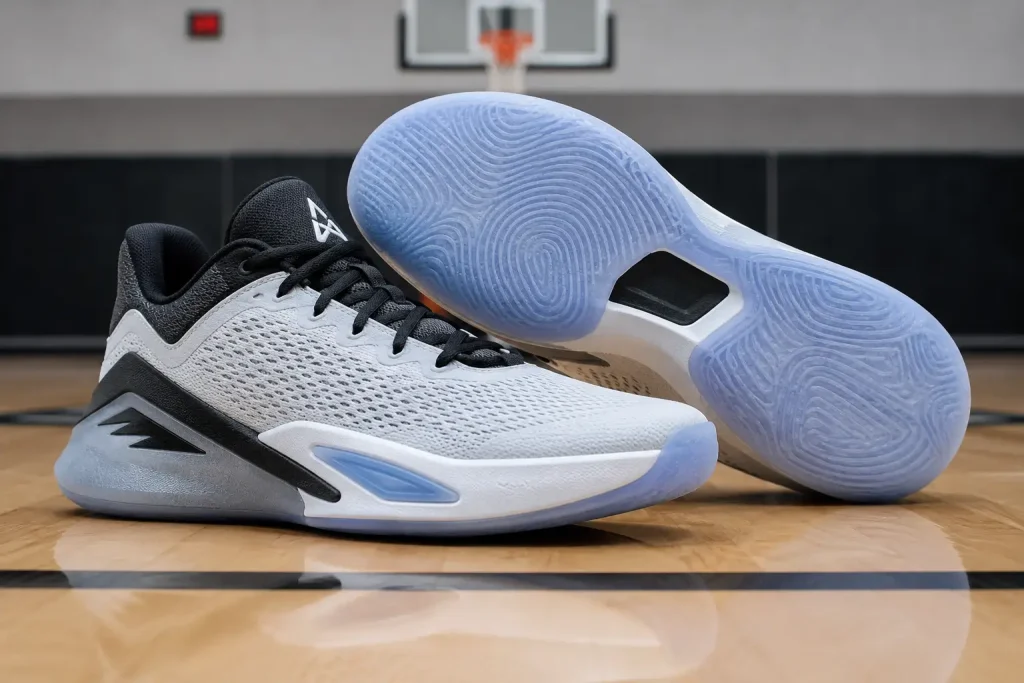
Some running shoes are non marking, but not all of them. A non-marking shoe uses a special rubber outsole that does not leave black streaks or scuff marks on indoor floors.
Many modern running shoes use non-marking rubber compounds, especially those designed for gym use. However, you should always check the shoe description or outsole labeling before assuming a running shoe is non marking.
What Does Non Marking Mean?
A non-marking shoe is designed to protect indoor flooring. The outsole material is made to grip surfaces without leaving visible marks behind.
This is especially important on:
- Basketball courts
- Volleyball courts
- School gym floors
- Indoor fitness centers
- Racquetball courts
- Community sports facilities
Many sports venues require non-marking shoes because floor repairs can be expensive and time-consuming.
According to guidance from organizations such as National Federation of State High School Associations, proper athletic footwear helps maintain court safety and playing conditions.
Are Running Shoes Non Marking by Default?
The simple answer is no.
Not every running shoe is automatically non marking. Manufacturers use different outsole materials depending on the shoe’s purpose.
Some running shoes are specifically designed for:
- Road running
- Trail running
- Treadmill workouts
- Gym training
- Cross-training activities
Because of these different uses, outsole materials vary significantly.
A running shoe may have excellent traction outdoors while still leaving marks on polished indoor surfaces.
How to Tell If a Running Shoe Is Non Marking
The good news is that identifying non-marking shoes is usually straightforward.
Look for these indicators:
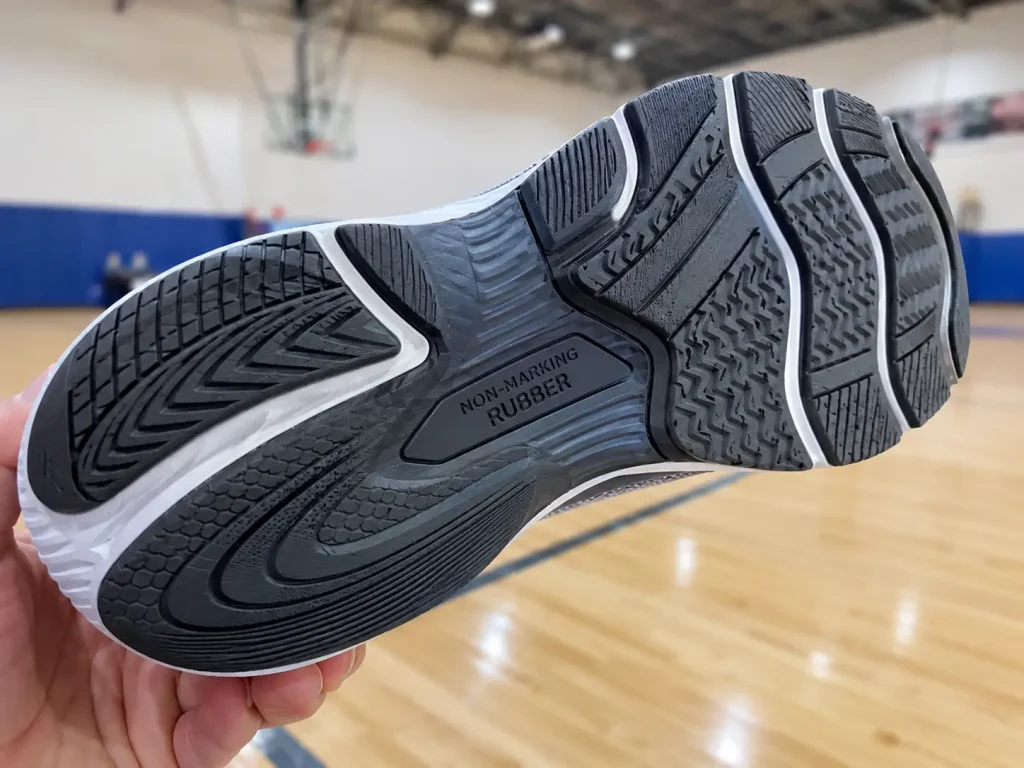
- Non-marking label on the shoe or box
- Product description mentioning non-marking rubber
- Indoor court compatibility information
- Manufacturer specifications
- Light-colored rubber outsoles in some cases
Many major athletic brands clearly state whether a shoe uses non-marking rubber.
| Indicator | What It Means |
|---|---|
| Non-Marking Label | Specifically designed for indoor surfaces |
| Court Shoe Category | Usually uses non-marking rubber |
| Gym Training Shoe | Often non-marking |
| Trail Running Shoe | May or may not be non-marking |
| No Label Present | Check manufacturer details |
Why Indoor Sports Facilities Require Non Marking Shoes
Gym floors are expensive. Wood and specialized sports surfaces require regular maintenance.
When shoes leave marks, facilities must spend additional time and money cleaning them.
Non-marking shoes help:
- Protect court surfaces
- Reduce maintenance costs
- Improve player safety
- Maintain floor appearance
- Prevent slippery residue buildup
The NBA and other organized sports environments place a strong emphasis on maintaining clean and safe playing surfaces.
Can Running Shoes Damage Indoor Courts?
Most running shoes won’t cause serious damage, but some can leave visible marks.
Dark rubber compounds are often more likely to leave streaks on polished surfaces. Dirt, small stones, and debris trapped in the outsole can also create scratches.
Here’s the thing. Even a non-marking shoe can leave temporary marks if the outsole is dirty.
That’s why many gyms ask athletes to wear clean indoor-only shoes.
Warning: Never assume a new running shoe is automatically approved for indoor courts. Always verify the manufacturer’s specifications first.
Running Shoes vs Court Shoes
While both are athletic shoes, they are built for different activities.
| Feature | Running Shoes | Court Shoes |
|---|---|---|
| Primary Movement | Forward motion | Multi-directional movement |
| Indoor Grip | Varies | Excellent |
| Non-Marking Outsole | Sometimes | Usually |
| Lateral Support | Moderate | High |
| Best Use | Running and walking | Indoor sports |
If your primary activity is basketball, volleyball, pickleball, or badminton, court shoes are often the safer and more effective choice.
You may also find our guide to indoor court footwear useful when comparing different athletic shoe types.
How to Test Whether Shoes Are Non Marking
If you’re unsure about your running shoes, use a simple test.
- Clean the outsole thoroughly.
- Find a small, hidden indoor surface.
- Apply gentle pressure while twisting.
- Check for black streaks or scuffs.
- Wipe the area afterward.
Be careful when testing. Always get permission before testing shoes on someone else’s flooring.
Common Mistakes to Avoid
- Assuming all athletic shoes are non marking.
- Ignoring manufacturer specifications.
- Using dirty shoes on indoor courts.
- Confusing grip with non-marking performance.
- Buying shoes without checking facility requirements.
- Using outdoor-only shoes indoors.
Expert Tips from Peter
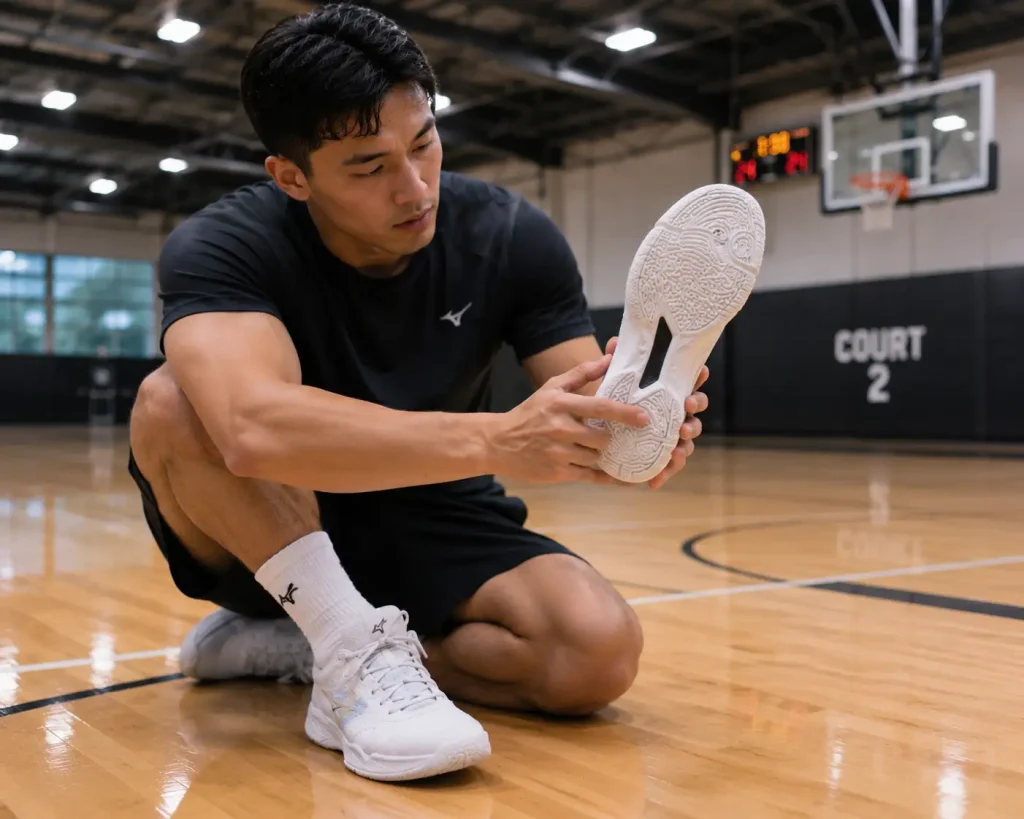
Peter’s Tip: Always check the product description before buying shoes for indoor sports. Most brands clearly identify non-marking models.
Peter’s Tip: Keep a dedicated pair of indoor shoes. This helps maintain traction and reduces dirt transfer.
Peter’s Tip: If a facility specifically requires non-marking footwear, ask staff for approved shoe recommendations.
Peter’s Tip: Clean your outsoles regularly. Even non-marking shoes perform better when dirt and debris are removed.
For additional footwear guidance, resources from ASICS and other athletic brands often explain outsole technologies and intended use cases.
Key Takeaways
- Not all running shoes are non marking.
- Look for non-marking rubber labels and manufacturer specifications.
- Court shoes are more likely to be non marking than running shoes.
- Clean outsoles help prevent marks and improve traction.
- Always verify footwear requirements before entering indoor courts.
Frequently Asked Questions
Are all running shoes non marking?
No. Some running shoes use non-marking rubber, while others do not. Always check the product specifications before using them on indoor courts.
How can I tell if my running shoes are non marking?
Look for a non-marking label, product description details, or manufacturer information. These are usually the most reliable indicators.
Can I wear running shoes on a basketball court?
You can if they are non marking and provide adequate traction. However, basketball shoes are generally better suited for court movements.
Do non-marking shoes provide better grip?
Not necessarily. Non-marking refers to the outsole material’s ability to avoid leaving marks, not overall traction performance.
Why do gyms require non-marking shoes?
They help protect flooring, reduce maintenance costs, and keep playing surfaces clean and safe.
Can trail running shoes be non marking?
Some are, but many are designed primarily for outdoor use. Always check the manufacturer’s specifications.
What happens if I wear marking shoes indoors?
You may leave black streaks or scuff marks on the floor. Some facilities may ask you to change footwear before participating.
Conclusion
So, are running shoes non marking? Sometimes they are, but you should never assume that every running shoe meets non-marking requirements.
The safest approach is to check the product description, look for a non-marking label, and verify the rules of the facility where you’ll be using the shoes.
If you regularly play indoor sports, consider reviewing our sports shoe buying guides to find footwear designed specifically for court performance and floor protection.



3 Comments