Best Running Shoe For Achilles Tendonitis: Find Relief Fast

The best running shoe for Achilles tendonitis combines a soft heel, stable support, a roomy fit, and low tendon strain.
A sore Achilles can make a simple walk feel hard. Running then becomes even more painful. The right shoe cannot cure tendonitis, but it can reduce rubbing, limit harsh impact, and make each step feel safer. I reviewed these shoes, insoles, heel cups, and support products for comfort, heel support, fit, and daily use. Use them with a gradual return to activity, and ask a health professional about sharp pain, swelling, or pain that does not improve.
See the differences between my top picks at a glance.
Men’s Orthopedic Trail Sneakers

These men’s orthopedic trail sneakers stand out as the most complete shoe option in this group. The listing focuses on arch support, heel comfort, and Achilles tendonitis use. The trail style also makes them useful for walks, travel, errands, and light outdoor paths. A supportive shoe can help reduce excess foot motion that may add stress to the lower leg.
The waterproof design may help in wet weather, while the dark blue upper gives the shoe a casual look. I would use this pair for walking and low-impact exercise first. Running with Achilles pain needs a slow return, even when a shoe feels good. Check the size chart and leave enough room for your toes and any insert you plan to add.
Pros:
- Built-in orthopedic support for daily walking
- Trail style suits outdoor paths and travel
- Waterproof design helps in damp conditions
- Arch support may improve foot comfort
- Room for a gradual return to light activity
- Casual look works beyond the gym
Cons:
- Not a proven treatment for Achilles tendonitis
- Trail shoes may feel firm for some runners
- Size and width must be checked before purchase
What Amazon Buyers Are Saying
Buyer feedback should be checked on the current Amazon listing because reviews, sizes, and stock can change. In this product class, shoppers often focus on comfort during walks, arch feel, traction, and overall fit. Some buyers may prefer a softer running shoe, while others like the firmer support of an orthopedic trail model. Read recent reviews that mention your foot width and the activity you plan to do.
My Recommendation
I recommend this as the strongest all-in-one shoe choice in this review for walking and light outdoor use. It offers more direct support than an insert or heel cup alone. I would not use it to push through sharp tendon pain, but it is a sensible starting point for people who need a supportive daily shoe.
WalkHero Plantar Fasciitis Insoles

WalkHero insoles give you a way to change the feel of a shoe without buying a new pair. The main focus is arch support and foot comfort. That can help some people whose feet roll too much or feel tired after long walks. The insole may also work well in a roomy shoe that lacks enough support.
These are not running shoes, so I view them as a support add-on. They may help improve comfort in a trusted pair of sneakers, but they cannot fix a poor heel counter, a hard heel edge, or a narrow toe box. Remove the factory insole first if the shoe feels tight. Then walk indoors for short periods before using them for longer activity.
Pros:
- Easy way to add arch support
- Can fit many walking or running shoes
- Useful for people who dislike flat shoe footbeds
- May extend the use of a comfortable shoe
- Removable design allows simple testing
- Often costs less than a new orthopedic shoe
Cons:
- May take time to adjust to the arch shape
- Can make a close-fitting shoe feel tight
- Does not add heel cushioning to every shoe
What Amazon Buyers Are Saying
On Amazon, buyers of arch support insoles commonly discuss the level of support, comfort during work, and ease of trimming. Fit comments matter most here because foot shape differs greatly. Some shoppers like the added structure, while others find the arch too high or too firm. Focus on recent reviews from people with a similar shoe size and activity level.
My Recommendation
WalkHero is worth considering when your current shoes feel good but lack arch support. It is not my first pick as the best running shoe for Achilles tendonitis because it is an insert, not footwear. Still, it can be a useful low-cost test before buying a new supportive shoe. Start with short walks and stop if it causes new pain.
Dr.Tucker+ Heel Pads

Dr.Tucker+ heel pads are made for people who want more padding under the heel. Heel cups can hold the heel in place and add a small amount of lift. That lift may reduce the stretch felt by the calf and Achilles during some steps. The exact result depends on your foot, shoe, and the reason for your pain.
I like this type of product for testing extra heel comfort in a shoe that already fits well. It can also help when the shoe has a thin footbed but enough space for a pad. Place both pads at the same height to keep your stride balanced. Do not rely on a heel pad to mask serious pain or let you return to hard running too fast.
Pros:
- Adds cushioning below the heel
- May reduce direct heel impact
- Can provide a small heel lift
- Works with many shoes that have spare room
- Simple to install and remove
- Useful for testing a new heel setup
Cons:
- May slide inside some shoes
- Needs enough shoe space to avoid crowding
- May not suit people who need strong arch control
What Amazon Buyers Are Saying
Amazon shoppers usually assess heel pads by comfort, grip, thickness, and whether they stay in place. Some users value the extra cushion for standing and walking. Others report that a pad changes the shoe fit or feels too high. Read the latest reviews for comments about adhesive strength, shoe type, and long-term comfort.
My Recommendation
This is a practical add-on for mild heel discomfort or a shoe that needs more padding. I would not call it the best running shoe for Achilles tendonitis, but it may improve the comfort of a suitable shoe. Buy it only if your footwear has enough room and your health professional agrees that a heel lift fits your needs.
OrthoComfoot Wide Trail Running Shoes
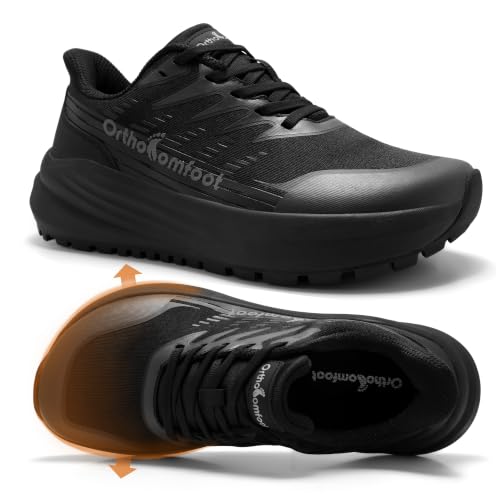
OrthoComfoot’s wide trail running shoes target users who need more room across the foot. A wide fit can reduce pressure on the toes and sides of the foot. The listing also highlights Achilles tendonitis support and outdoor use. That makes this model appealing to walkers and hikers who need a stable shoe with extra space.
A wide shoe still must hold the heel well. If the heel slips, the Achilles may rub with each step. Lace the shoe from the bottom up and use the top eyelets for a secure fit. I would choose this pair for walking, camping, and easy trails before testing it for running. Check the width carefully, since “wide” can feel different from one brand to another.
Pros:
- Wide shape may suit broad feet
- Designed for trail and outdoor use
- Supportive structure can feel steady
- May reduce side pressure on the forefoot
- Useful for walking, camping, and hiking
- Breathable design supports active use
Cons:
- Wide fit may feel loose on narrow feet
- Outdoor shoes can feel heavier than road shoes
- Trail use does not guarantee running comfort
What Amazon Buyers Are Saying
People shopping for wide orthopedic shoes often mention toe room, heel hold, sole feel, and comfort during long walks. Some buyers enjoy the extra space, while others need a narrower heel to prevent movement. Recent Amazon reviews can show whether the current version fits true to size. Look for feedback from buyers who use the shoe on similar surfaces.
My Recommendation
This is one of the better choices here for wide feet and outdoor walking. It may suit you better than a narrow standard shoe if toe pressure causes discomfort. I would rate it as a strong walking shoe, but I would still test it with short sessions before using it as a running shoe for Achilles tendonitis.
Odrix Gel Heel Cups

Odrix gel heel cups offer a simple way to add padding to both shoes. The two-pack format helps keep the left and right sides even. Gel can soften the feel of each heel strike and may make standing more comfortable. The open heel-cup design can also help keep the heel centered inside the shoe.
These cups work best in shoes with a firm heel counter and enough space. A loose shoe may still allow movement, even with a heel cup inside. Clean and position the cups as directed, then try them around the home first. They are useful for comfort, but they do not replace a proper running shoe, strength plan, or medical care.
Pros:
- Two-cup pack supports both feet
- Gel material adds soft heel cushioning
- May reduce harsh heel contact
- Can improve comfort during standing
- Simple option for existing shoes
- Small size makes them easy to move between shoes
Cons:
- May move in shoes with a loose heel
- Can make some shoes feel too tight
- Offers less full-foot support than an insole
What Amazon Buyers Are Saying
Buyers of gel heel cups often look for comfort, grip, thickness, and daily durability. Many shoppers compare how the cups feel in work shoes, walking shoes, and sneakers. Some may find the gel soft and helpful, while others may not like the added height. Review the newest comments for information about your shoe shape and intended use.
My Recommendation
Odrix is a useful comfort accessory for people who want heel cushioning in two shoes. It is not the best running shoe for Achilles tendonitis, but it can support a good shoe during walking or recovery. I would choose it over a single heel pad when balanced support on both sides matters.
Reinforced Lace-Up Ankle Brace
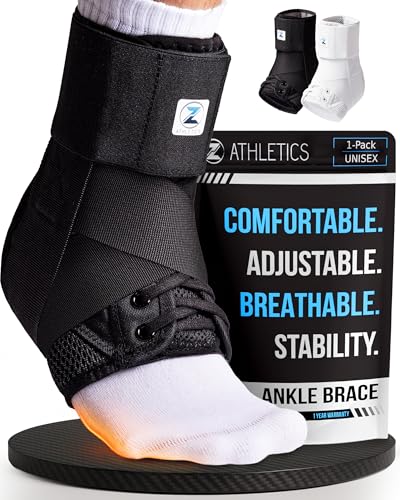
This reinforced lace-up ankle brace is a support product, not a shoe. It may help users who want extra ankle control while wearing roomy footwear. The lace-up design lets you adjust the pressure around the ankle. That can feel useful after a mild sprain or when the ankle feels weak during walking.
Because a brace changes how the ankle moves, fit matters a lot. It should feel supportive without causing numbness, cold toes, or strong pressure. Wear it with a shoe that has enough space and test it for a short time. For Achilles tendon pain, I would use it only with professional guidance, since too much restriction may change your natural stride.
Pros:
- Adjustable lace-up fit
- May provide extra ankle stability
- Useful after some minor ankle problems
- Can fit inside compatible shoes
- Reinforced design offers structured support
- Works for men and women
Cons:
- Not a substitute for a supportive running shoe
- May feel bulky inside close-fitting footwear
- Too much tightness can reduce comfort
What Amazon Buyers Are Saying
Amazon buyers usually discuss brace support, comfort, adjustability, and how well it fits inside a shoe. Some people like the firm feel for daily tasks. Others find that the brace takes time to position correctly or feels bulky. Look for recent reviews that mention ankle size, shoe type, and the length of wear.
My Recommendation
I recommend this brace only when ankle stability is part of the problem. It should not be your main answer to Achilles tendonitis. It may add useful support for short walks, but a proper shoe with a comfortable heel and a gradual activity plan remains more important. Ask a clinician before using it for running.
PROFOOT Achilles Tendonitis Heel Cup

The PROFOOT Achilles Tendonitis Orthotic Heel Cup is made for women’s shoe sizes 6 through 10. Its purpose is to support the heel and help guide foot alignment. This focused design may appeal to shoppers who want a smaller insert than a full-length insole. It can fit in walking shoes, casual shoes, and some athletic footwear.
A heel cup should sit flat and stay centered. If it slides or raises the heel too much, it can create new pressure. Use it with a shoe that has a firm back and enough depth. I would begin with a short indoor test, then increase wear only if the heel and tendon feel calm.
Pros:
- Made for women’s sizes 6–10
- Targets Achilles and heel support
- Compact design uses less shoe space than a full insole
- May help improve heel alignment
- Easy way to test added heel support
- Fits many daily walking shoes
Cons:
- Limited size range
- May not fit every athletic shoe
- Does not provide full arch or forefoot support
What Amazon Buyers Are Saying
People reviewing heel cups tend to mention comfort, fit, heel stability, and whether the product stays in place. Some users prefer the smaller shape over a full insole. Others may need more arch support or more cushioning than a heel cup provides. Check current Amazon feedback for comments from women with your shoe size and foot shape.
My Recommendation
This is a good targeted option for a woman who needs heel support but does not want a full insole. It can complement the best running shoe for Achilles tendonitis when the shoe has enough room. I would not use it as a cure or as permission to run through pain. Begin slowly and replace it if the material loses its shape.
How to Choose the Best Running Shoe for Achilles Tendonitis
Choosing the best running shoe for Achilles tendonitis takes more than picking the softest sole. The shoe must fit your heel, give your toes room, and feel stable when you walk. Achilles pain can have many causes, so no single shoe works for every runner. Use these points as a simple buying guide, not as a replacement for medical advice.
1. Look for a Comfortable Heel and Moderate Drop
Start with the back of the shoe. A padded heel collar can reduce rubbing against a sore tendon. A firm heel counter can help hold the foot in place. Avoid a collar that presses on the painful spot.
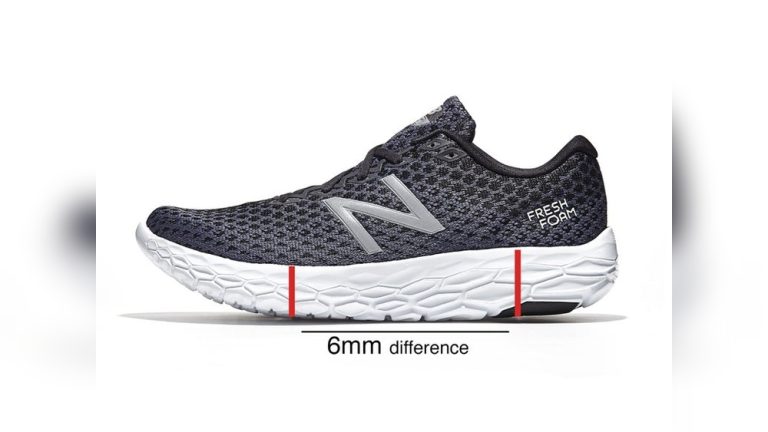
Heel-to-toe drop also matters. This is the height difference between the heel and the front of the shoe. A moderate drop may place less stretch on the calf and Achilles than a very flat shoe. Do not make a sudden change, though. Your muscles need time to adapt to any new shoe shape.
2. Match the Fit to Your Foot
Your heel should stay secure without feeling squeezed. Your toes should have space to spread and move. Try shoes later in the day, when feet may be slightly larger. Wear the socks you plan to use for walking or running.
Check both length and width. A narrow shoe can cause pressure and rubbing. A shoe that is too wide can let the heel slide. If you use an insole or heel cup, bring it when you test the shoe. The best running shoe for Achilles tendonitis should still feel comfortable after you add your support product.
3. Test Cushioning, Stability, and Value
Cushioning should feel protective, not unstable. Walk on hard floors and turn several times. Notice if the heel rolls, slips, or hits the ground harshly. A light trail shoe may work well for walking, but a heavy design may feel tiring during road running.
Buy from a seller with a clear return policy when possible. Wear the shoe indoors first. Start with short walks, then add time if your pain stays calm. A shoe is not good value if it sits unused because the fit is wrong. Also replace worn shoes, since compressed foam and a loose heel can change your stride.
Final Verdict: Which Should You Buy?
For most shoppers, the Men’s Orthopedic Trail Sneakers are the best running shoe for Achilles tendonitis in this group. They provide the most complete shoe-based support. Choose OrthoComfoot instead if you need a wider fit.
Heel cups and insoles can add comfort, but they cannot replace a good shoe or proper care. Start slow, listen to your body, and seek medical help for lasting or severe pain.
FAQs Of best running shoe for achilles tendonitis
What is the best running shoe for Achilles tendonitis?
A shoe with a comfortable heel collar, secure heel, moderate heel drop, soft cushioning, and enough toe room often works well. The best choice still depends on your foot shape and pain pattern.
Can running shoes cure Achilles tendonitis?
No. Running shoes may reduce rubbing and impact, but they cannot cure tendonitis. Rest, gradual exercise, and advice from a qualified health professional may also be needed.
Is a heel cup useful for Achilles tendon pain?
A heel cup may add cushioning and a small lift. It can improve comfort for some people, but it may not suit every foot or shoe. Test it slowly and stop if pain increases.
Should I choose a wide shoe for Achilles tendonitis?
Choose a wide shoe if your feet feel squeezed or your toes lack room. Make sure the heel still feels secure. A shoe that is too wide may allow rubbing and unwanted movement.
Can I run with Achilles tendonitis?
Do not run through sharp pain, swelling, or worsening symptoms. Ask a health professional when to return, then increase distance and speed in small steps.