What Is A G Width Shoe: Fit Guide

A G width shoe is a shoe made with a wider fit than the brand’s standard width. In the United States, however, G does not have one fixed meaning across all shoe brands. A G width may mean wide, extra wide, or a fit between two other width options.
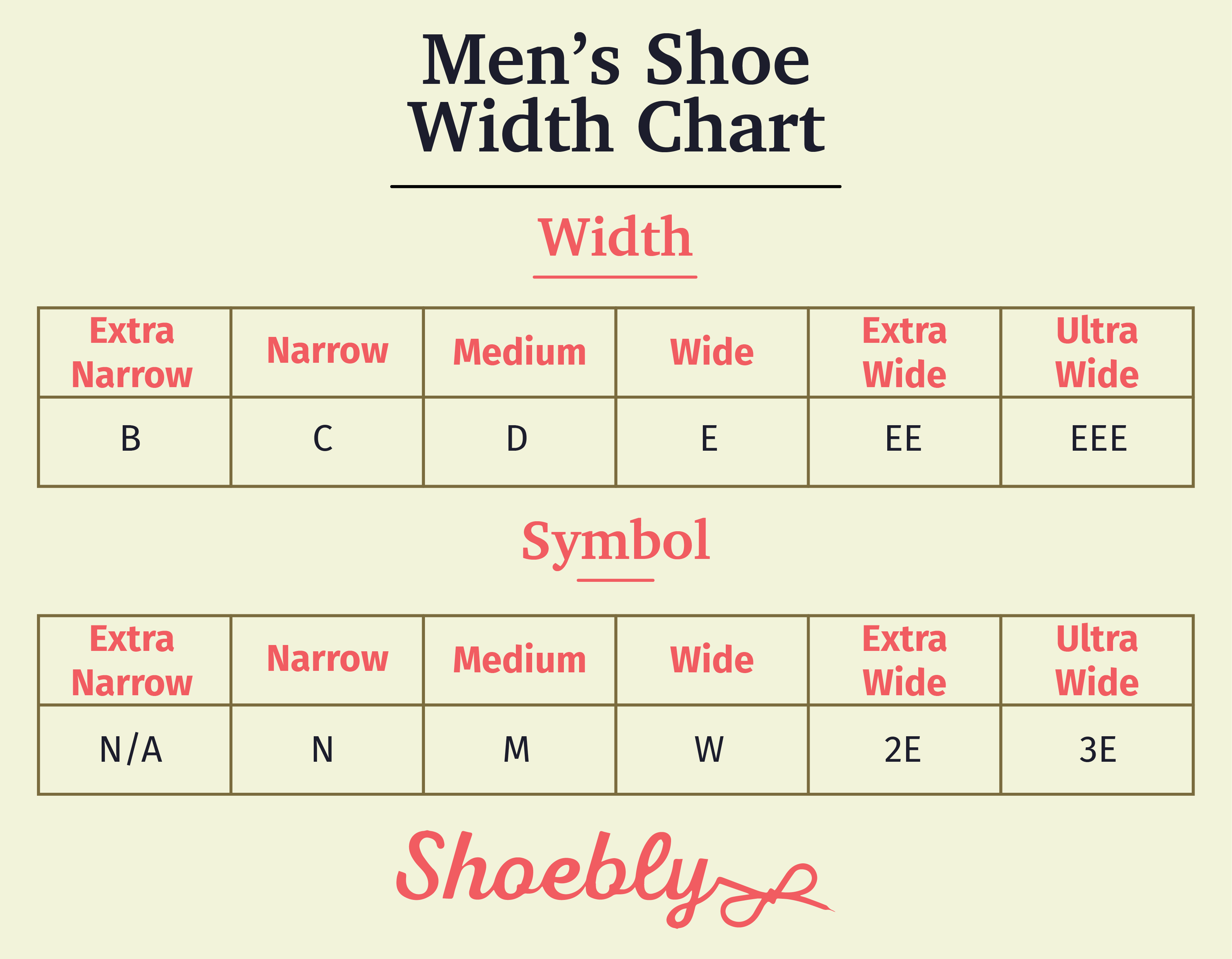
The key is to check the shoe maker’s width chart. In many U.S. men’s shoe charts, D is standard and 2E is wide. In many women’s charts, B is standard and D is wide. A G width often appears in specialty, european, or brand-specific sizing systems.

What Does G Width Mean in U.S. Shoes?
G width usually describes the width of the shoe’s inside fit, not its length. It gives the foot more room across the ball of the foot, around the toes, and sometimes through the instep.
The exact meaning depends on three factors:
- The shoe brand
- The shoe’s gender or size category
- The country or sizing system used
There is no single U.S. law or industry chart that makes every G width identical. Shoe widths are not fully standardized. One brand’s G may feel close to another brand’s wide width, while another brand’s G may feel closer to extra wide.
Common U.S. width letters
Many American shoe brands use these width codes:
| Width code | Common men’s meaning | Common women’s meaning |
|---|---|---|
| 2A | Extra narrow | Extra narrow |
| B | Narrow | Standard or medium |
| D | Standard or medium | Wide |
| 2E or EE | Wide | Extra wide |
| 4E | Extra wide | Very wide |
| 6E | Extremely wide | Available in some specialty shoes |
This table shows common practice, not a universal rule. Always use the brand’s own chart before buying.
Where does G fit into the chart?
A G width can sit in different places. For example:
- In one brand, G may be a wide men’s width.
- In another, G may be an extra-wide women’s width.
- In a European shoe, G may describe a regular or comfort fit.
- In a work boot or orthopedic shoe, G may refer to a special volume or width option.
This is why searching for “G width” alone may not tell you how the shoe will fit. You also need the brand, shoe type, size system, and intended wearer.
Is G Width the Same as Wide?
No. G width is not automatically the same as wide. It may be wide in one sizing system and standard in another.
In common U.S. men’s sizing, wide shoes are often marked 2E or EE, rather than G. In many women’s shoes, a wide fit is often marked D. Some companies use letters such as G, H, or K to show increasing width or foot volume.
The letter itself is less useful than the brand’s fit chart and the actual shape of the shoe.
Why width letters vary
Shoe width can change because of:
-
Different brand systems
Each company may set its own width ranges. -
Different markets
U.S., U.K., and European sizing systems do not use width letters in the same way. -
Different shoe types
Running shoes, dress shoes, boots, slippers, and safety shoes may use separate width systems. -
Different foot volume
Two shoes can have the same width at the ball of the foot but different space over the top of the foot. -
Different shoe shapes
A round-toe shoe may feel wider than a pointed shoe with the same labeled width.
The best comparison is not “G equals X.” It is: What does this brand call G, and where does the shoe add room?
How to Read a G Width Shoe Label
Read the full label instead of looking at the width letter by itself. A shoe label may include:
- U.S. shoe size
- Width letter
- Men’s, women’s, or youth sizing
- Country sizing system
- Special fit notes
- Model or last shape
For example, a label may read:
- 10 G men’s
- 8 G women’s
- 42 G European
- 9 wide/G
- 11 G comfort fit
These labels do not necessarily describe the same width.
Check the brand’s official size chart
Before ordering, find the shoe brand’s official width guide. Look for:
- The measurement across the forefoot
- The length range for your size
- Width terms such as narrow, medium, wide, and extra wide
- Separate charts for men, women, and children
- Notes about fit, socks, and shoe shape
Official brand charts are more reliable than a general width conversion chart because they reflect that company’s own shoes.
For example, major U.S. brands often use different systems. Some use letters such as B, D, 2E, and 4E. Others use words such as narrow, standard, wide, and extra wide. A brand that uses G may not match either system exactly.
How to Measure Your Foot for a G Width Shoe
Measuring your feet can help, but it does not replace trying on the shoe. Measure both feet because one foot is often slightly longer or wider than the other.
What you need
- A sheet of paper
- A pencil
- A ruler or measuring tape
- The socks you plan to wear
- A flat floor
Measurement steps
- Place the paper on a hard, flat floor.
- Stand on the paper while wearing your usual socks.
- Keep your weight evenly balanced.
- Trace around the foot, or ask someone to mark the heel and longest toe.
- Measure from the back of the heel to the longest toe.
- Measure across the widest part of the foot, usually near the ball.
- Repeat the process for the other foot.
- Use the larger measurement when checking the size chart.
Do not measure while sitting if you can avoid it. Your foot spreads and lengthens when you stand.
A simple measurement example
Suppose your left foot measures 10.4 inches long and your right foot measures 10.6 inches. The right foot should guide your length choice.
If the wider foot measures 4.2 inches across, compare that number with the shoe maker’s width chart for your chosen U.S. size. Do not compare the number with a chart for a different size, because foot width usually changes as shoe length changes.
What the measurement can and cannot tell you
A measurement can help identify whether you need more room. It cannot show:
- How soft or firm the upper is
- Whether the toe box slopes inward
- How much the shoe stretches
- Whether the heel will slip
- How the shoe feels during walking
- Whether the insole supports your foot well
Use measurements as a starting point, not as a guarantee.

How Should a G Width Shoe Fit?
A properly fitting G width shoe should hold your foot without squeezing it. Your toes should have room to move, while your heel should stay reasonably secure.
Look for these signs:
- The widest part of your foot sits near the widest part of the shoe.
- Your little toe does not press against the side.
- The upper does not bulge sharply over the forefoot.
- Your toes do not touch the front when standing.
- Your heel does not lift excessively when walking.
- The shoe feels comfortable with your normal socks.
- You can bend and walk without pressure points.
A shoe can be wide enough at the ball of the foot but still too narrow at the toes. This often happens with pointed dress shoes or shoes with a tapered toe box.
Signs the shoe is too narrow
A G width shoe may still be too narrow if you notice:
- Numbness or tingling
- Red marks along the sides
- Blisters near the little toe
- A bunion pressing against the upper
- Toes overlapping or crowding
- A burning feeling in the forefoot
- The upper stretching tightly over the foot
Do not assume that a shoe will become much wider with wear. Leather may soften, but the shoe’s basic shape usually stays the same.
Signs the shoe is too wide
A shoe may be too wide if:
- Your foot slides from side to side.
- Your heel slips with every step.
- You must overtighten the laces.
- Your toes grip the floor to keep the shoe in place.
- The shoe creases in the wrong place.
- You develop rubbing from excess movement.
A wider shoe is not always better. The goal is a secure fit with enough room, not the most space possible.
G Width Compared With Other Width Options
The best width depends on where your foot needs room. A chart can help organize the choice, but the terms remain brand-specific.
| Width option | Usually suits | Possible issue |
|---|---|---|
| Standard or medium | Average foot width | May feel tight if the forefoot is broad |
| Wide | More room across the ball and toes | May feel loose if the heel is narrow |
| G width | Brand-specific wider or comfort fit | Meaning changes by brand and market |
| Extra wide | Very broad feet or high foot volume | Can allow too much movement |
| Stretch or adjustable fit | Feet that swell or need flexible uppers | May not provide enough structure |
If your foot is wide only at the toes, look for a wide toe box, not just a wider heel. If your foot is broad throughout, a wider overall shoe may work better.
If your foot is high over the top, search for a shoe with more instep volume. Width and volume are related but not identical.
Who May Need a G Width Shoe?
A G width shoe may help people whose feet need more room than the standard version provides. This can include people with:
- Naturally wide feet
- Bunions
- Swollen feet
- High insteps
- Broad forefeet
- Thick socks or braces
- Feet that widen during long periods of standing
Foot shape can also change over time. Age, pregnancy, injury, weight changes, and swelling may affect shoe comfort.
A wider shoe may reduce pressure, but it does not treat the cause of foot pain. If pain continues, a qualified podiatrist or other health professional can assess the problem.
People with diabetes, reduced sensation, circulation problems, or recurring sores should take shoe fit seriously. A small pressure point may become difficult to notice or heal. Professional foot-care advice is appropriate in these cases.
G Width for Running Shoes, Work Boots, and Dress Shoes
The same width label can feel different in different shoe types.
Running shoes
Running shoes often need extra room because feet can swell during activity. A good running shoe should leave space in front of the longest toe and should not pinch the forefoot.
Do not size up only to gain width. A longer shoe may cause heel movement. Try a wider version first if the length is already correct.
Work boots
Work boots may use width letters that differ from casual shoes. Thick socks, safety toes, and rigid uppers can make a boot feel smaller than a flexible sneaker.
Check whether the boot has:
- A safety toe
- A removable insole
- A high or low instep
- A work-specific width chart
- Space for the socks you wear on the job
A safety toe may limit the usable space even when the boot is labeled wide.
Dress shoes
Dress shoes often have firmer uppers and narrower toe shapes. A G width may provide more room, but a pointed or tapered toe can still crowd the toes.
For formal shoes, focus on the toe shape as well as the width letter. A round or square toe may fit better than a pointed toe for a broad forefoot.
Slippers and casual shoes
Soft shoes can feel roomy at first but may lack support. Check whether your foot slides forward or sideways. If it does, the shoe may be too loose even if it feels comfortable while sitting.

Common Mistakes When Buying a G Width Shoe
Several buying mistakes can lead to poor fit.
Mistake 1: Treating G as a universal measurement
A G width does not mean the same thing everywhere. Check the product’s chart and return policy.
Mistake 2: Choosing a longer shoe instead of a wider shoe
Extra length does not always create useful width. It can also cause heel slip and poor control.
Mistake 3: Measuring only one foot
Use the larger foot when choosing a size. If the difference is significant, choose footwear that can adjust around the smaller foot.
Mistake 4: Ignoring the toe box
A shoe may be wide at the middle but narrow at the front. Check the shape of the toe area.
Mistake 5: Trying shoes on at the wrong time
Feet often swell during the day. Try shoes later in the day when possible, especially if you stand or walk for long periods.
Mistake 6: Judging fit while seated
Stand and walk. A shoe that feels fine while sitting may become tight once your weight spreads the foot.
Mistake 7: Assuming pain is normal
A brief break-in period may occur with some firm shoes, but sharp pain, numbness, or strong pressure is a warning sign. Do not rely on painful shoes becoming comfortable.
How to Buy the Right G Width Online
Use this short process before placing an order:
- Identify whether the chart is for U.S. men’s, women’s, or youth sizing.
- Confirm what the brand means by G.
- Measure both feet while standing.
- Compare your measurements with the official chart.
- Read the shoe’s toe-box and fit notes.
- Check whether the upper stretches.
- Review the return and exchange rules.
- Try the shoes indoors on a clean floor.
- Test them with your usual socks or inserts.
- Stop using them if they cause pain, numbness, or rubbing.
Keep the original packaging until you know the fit works. Walk on a clean surface so you can return the shoes if the brand’s policy allows it.

Frequently Asked Questions
Is G width wide or extra wide?
It depends on the brand and sizing system. G may mean wide, extra wide, or a comfort width. Read the brand’s official chart instead of relying on the letter alone.
Is G wider than 2E?
Not always. In many U.S. men’s charts, 2E means wide, but G may belong to a different width system. There is no safe universal conversion between G and 2E.
Is G width the same for men and women?
No. Men’s and women’s shoes often use different width standards. A G in a men’s shoe may not match a G in a women’s shoe.
Can I convert a G width to a U.S. shoe width?
Only as a rough estimate. Conversion depends on the brand, shoe type, size, and country. Use the manufacturer’s chart whenever possible.
Do wide shoes help with bunions?
They may reduce pressure if the shoe has enough room at the bunion area. A wide label alone does not guarantee a suitable shape. Look for a roomy, non-tapered toe box.
Should I buy a bigger size if my shoes feel narrow?
Usually, check a wider width before buying a longer size. A longer shoe may create heel slip and still fail to provide enough room across the forefoot.
Why does the same G width feel different in two shoes?
Shoe shape, materials, toe-box design, instep height, footbed, and construction can all change the fit. Width letters do not describe every part of a shoe’s interior.
Key Takeaways
- A G width shoe has a brand-specific width designation.
- In the United States, G does not have one universal meaning.
- G may mean wide, extra wide, or a comfort fit.
- U.S. men’s shoes often use D for medium and 2E for wide.
- U.S. women’s shoes often use B for medium and D for wide.
- Check the brand’s official chart before buying.
- Measure both feet while standing.
- Judge the toe box, instep, heel, and overall comfort—not just the width letter.
- Pain, numbness, or repeated rubbing means the shoe may not fit correctly.
Conclusion
A G width shoe is a shoe with a brand-specific wider fit, but the letter alone does not tell you its exact U.S. width. The meaning can change by brand, gender category, country, and shoe type.
For the best fit, compare your larger foot with the manufacturer’s chart, check the toe-box shape, and try the shoe while standing and walking. If the shoe causes pressure or pain, choose a different width or shape rather than waiting for a poor fit to improve.