Recommended Running Shoes for High Arches: Top Picks for 2024

Finding the right running shoes is more than a matter of style or brand loyalty, especially if you have high arches. Many runners don’t realize how much their arch type affects comfort, performance, and injury risk. High arches, also known as pes cavus, mean your foot has less surface area touching the ground. This puts extra pressure on your heel and forefoot with every step. If you pick the wrong shoes, you might feel pain in your feet, knees, or even your lower back. But with the right pair, running can become smoother and more enjoyable—even if you’re just starting out.
Most shoe stores offer plenty of choices, but it’s not always clear which ones are best for high arches. Some running shoes look great but don’t provide the support or cushioning you really need. In this guide, you’ll learn what to look for, how high arches affect your run, and which models are recommended for different needs and budgets.
You’ll also discover tips that many beginners miss, so you can avoid common mistakes and make a smart choice.
Understanding High Arches
High arches are not as common as flat feet, but they bring unique challenges. If you have high arches, the middle part of your foot is raised more than average. This shape affects how your foot absorbs shock when hitting the ground.
Less surface area means less natural shock absorption, which can lead to discomfort and injuries over time.
Common Problems With High Arches
- Foot pain in the heel or ball of the foot, especially after running.
- Instability—it’s easier to roll your ankle.
- Calluses or blisters on the side or ball of your foot.
- Higher risk of injuries like plantar fasciitis, stress fractures, or shin splints.
Many runners with high arches also have a supinated gait (your feet roll outward when you run). This is important to know because most running shoes are made for people with a neutral or flat arch.
Why Shoe Choice Matters
Choosing the right shoe can reduce pain, prevent injuries, and even help you run faster. For high arches, the main goals are:
- Cushioning to absorb impact
- Arch support to spread pressure evenly
- Flexibility so your foot can move naturally
Shoes that are too stiff or don’t offer enough shock absorption can make running harder and less fun.
Key Features To Look For In Running Shoes For High Arches
Not all running shoes are created equal. If you have high arches, some features are more important than others. Here’s what you should focus on:
1. Superior Cushioning
Look for shoes with extra cushioning in the midsole and under the heel and forefoot. Foam or gel-based cushioning helps absorb shock, protecting your joints and bones from repeated impact. Popular cushioning materials include EVA foam, Gel, and proprietary blends like Nike’s ZoomX or Brooks’ DNA Loft.
2. Arch Support
Good running shoes for high arches include built-in arch support. This helps distribute your weight more evenly and prevents your foot from collapsing inward or rolling outward. Some shoes have removable insoles, so you can use custom orthotics if you need even more support.
3. Lightweight, Flexible Design
A shoe that’s too stiff won’t let your foot move naturally. Look for models that bend easily near the toe box. Flexible materials let your foot flex and push off the ground with less restriction.
4. Wide Toe Box
Many people with high arches also have wider feet or splay their toes more when running. A wide toe box prevents pinching and allows your toes to spread out comfortably.
5. Durable Outsole
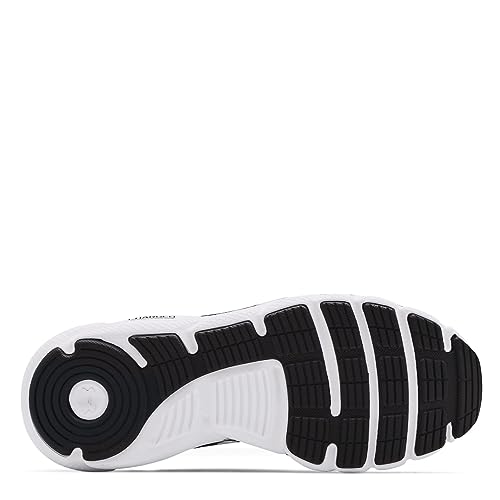
You may wear down the outer edges of your shoes faster due to a supinated gait. A durable outsole made from carbon rubber or similar materials extends the life of your shoes.
6. Breathability
Shoes with mesh uppers or ventilation panels keep your feet cool and dry, reducing the risk of blisters.
Practical Insight
Many beginners focus only on comfort when trying on shoes. It’s smart to walk and jog in them, too. Some discomfort in the store might disappear after your foot adjusts, but sharp or pinching pain is a warning sign.
Top Recommended Running Shoes For High Arches (2024 Edition)
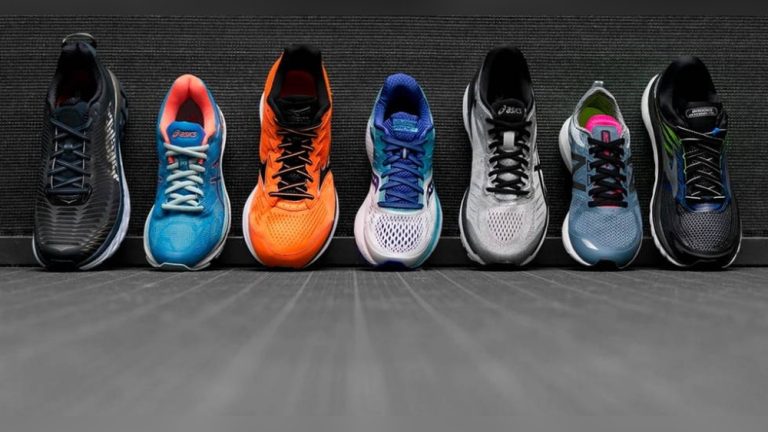
There are hundreds of running shoes on the market. Below, you’ll find ten top picks for runners with high arches. These models are chosen for their support, cushioning, and positive feedback from users with similar foot shapes.
1. Brooks Ghost 15
The Brooks Ghost line is famous for its soft cushioning and smooth ride. The Ghost 15 uses DNA Loft foam, which adapts to your stride and gives excellent shock absorption. The shoe has a semi-curved shape, making it ideal for high arches. It’s also lightweight and has a breathable mesh upper.
- Weight: 9.1 oz (women), 9.9 oz (men)
- Drop: 12 mm
- Best for: Daily training, long runs
2. Asics Gel-nimbus 25
The Gel-Nimbus is a classic for runners needing extra cushioning. The 25th version offers a thick layer of FlyteFoam Blast+ Eco and a large gel pod under the heel. The arch support is moderate, and the shoe is known for a plush, comfortable feel.
- Weight: 9.2 oz (women), 10.5 oz (men)
- Drop: 8 mm
- Best for: Long-distance, recovery runs
3. Saucony Triumph 21
The Triumph 21 is one of Saucony’s top-cushioned shoes. It uses PWRRUN+ foam for a springy yet soft ride. The wide toe box and flexible upper make it a good match for high arches. It’s especially popular with runners who want a little extra bounce.
- Weight: 8.8 oz (women), 9.8 oz (men)
- Drop: 10 mm
- Best for: Daily training, marathons
4. Nike Air Zoom Pegasus 40
The Pegasus line is Nike’s most popular running shoe, and the 40th version continues to impress. It offers Zoom Air units in the forefoot and heel for responsive cushioning. The arch support is subtle but effective. The shoe is lighter than many and works well for runners with high arches who want a more responsive feel.
- Weight: 8.5 oz (women), 9.0 oz (men)
- Drop: 10 mm
- Best for: Tempo runs, daily miles
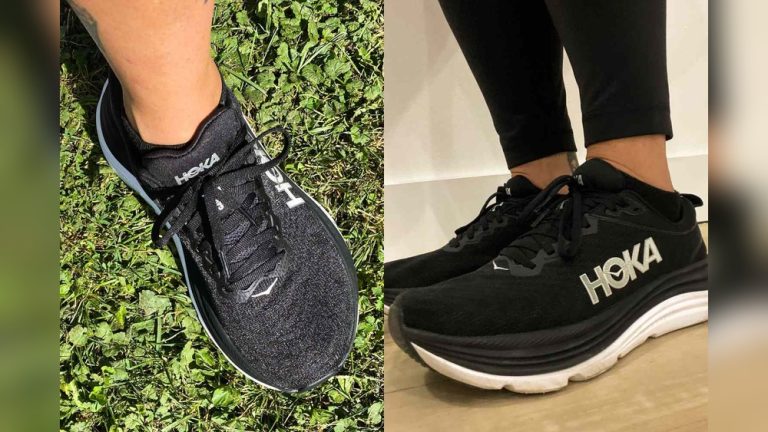
5. Hoka Clifton 9
Hoka shoes are known for their thick, cushioned soles. The Clifton 9 is no exception, with a Meta-Rocker design that helps smooth your stride. The shoe is lightweight and has a wide base, which provides stability for runners who need extra support.
Hoka’s EVA foam is soft but not squishy.
- Weight: 7.3 oz (women), 8.7 oz (men)
- Drop: 5 mm
- Best for: Easy runs, recovery days
6. New Balance Fresh Foam 1080v13
This shoe uses Fresh Foam X, New Balance’s softest foam. The 1080v13 has a curved shape, offering natural support for high arches. The knit upper stretches to fit many foot shapes, and the shoe is wide enough for most runners.
- Weight: 7.2 oz (women), 9.2 oz (men)
- Drop: 6 mm
- Best for: High-mileage, everyday use
7. Mizuno Wave Rider 27
Mizuno’s Wave Plate technology provides both support and cushioning. The Rider 27 has a responsive feel and holds up well over many miles. It’s a favorite among runners who need a firm but forgiving ride. The shoe also offers a roomy toe box.
- Weight: 7.8 oz (women), 9.9 oz (men)
- Drop: 12 mm
- Best for: Versatile training
8. Altra Torin 7
Altra is known for its “foot-shaped” toe box and zero-drop design. The Torin 7 offers balanced cushioning and a natural fit. While the zero drop might take getting used to, it’s popular among runners who want to strengthen their feet and run with a more natural gait.
- Weight: 7.6 oz (women), 8.8 oz (men)
- Drop: 0 mm
- Best for: Natural running, midfoot strikers
9. Adidas Ultraboost Light
The Ultraboost Light is Adidas’ softest, lightest Boost shoe yet. It offers thick, energy-returning foam and a knit upper that hugs your foot. The arch support is moderate, and the outsole is durable enough for road or treadmill running.
- Weight: 9.2 oz (women), 10.5 oz (men)
- Drop: 10 mm
- Best for: Comfort, casual runs
10. On Cloudswift 3
On’s Cloudswift 3 uses Helion foam and CloudTec pods for a unique mix of cushioning and energy return. The shoe is lightweight, with a flexible upper and a responsive ride. While the arch support isn’t as high as some, many runners with high arches find it comfortable for short to medium runs.
- Weight: 7.8 oz (women), 9.5 oz (men)
- Drop: 7 mm
- Best for: Urban running, shorter distances
Comparison Of Top Running Shoes For High Arches
Here’s a quick look at how these shoes stack up on key features:
| Shoe | Cushioning | Arch Support | Weight (Men/Women) | Drop | Toe Box |
|---|---|---|---|---|---|
| Brooks Ghost 15 | Soft | Moderate | 9.9/9.1 oz | 12 mm | Medium |
| ASICS Gel-Nimbus 25 | Plush | Moderate | 10.5/9.2 oz | 8 mm | Medium |
| Saucony Triumph 21 | Springy | Moderate | 9.8/8.8 oz | 10 mm | Wide |
| Nike Pegasus 40 | Responsive | Light | 9.0/8.5 oz | 10 mm | Medium |
| Hoka Clifton 9 | Soft | Moderate | 8.7/7.3 oz | 5 mm | Wide |
| New Balance 1080v13 | Soft | Moderate | 9.2/7.2 oz | 6 mm | Wide |
| Mizuno Wave Rider 27 | Firm | Moderate | 9.9/7.8 oz | 12 mm | Wide |
| Altra Torin 7 | Balanced | Moderate | 8.8/7.6 oz | 0 mm | Extra Wide |
| Adidas Ultraboost Light | Soft | Moderate | 10.5/9.2 oz | 10 mm | Medium |
| On Cloudswift 3 | Responsive | Light | 9.5/7.8 oz | 7 mm | Medium |
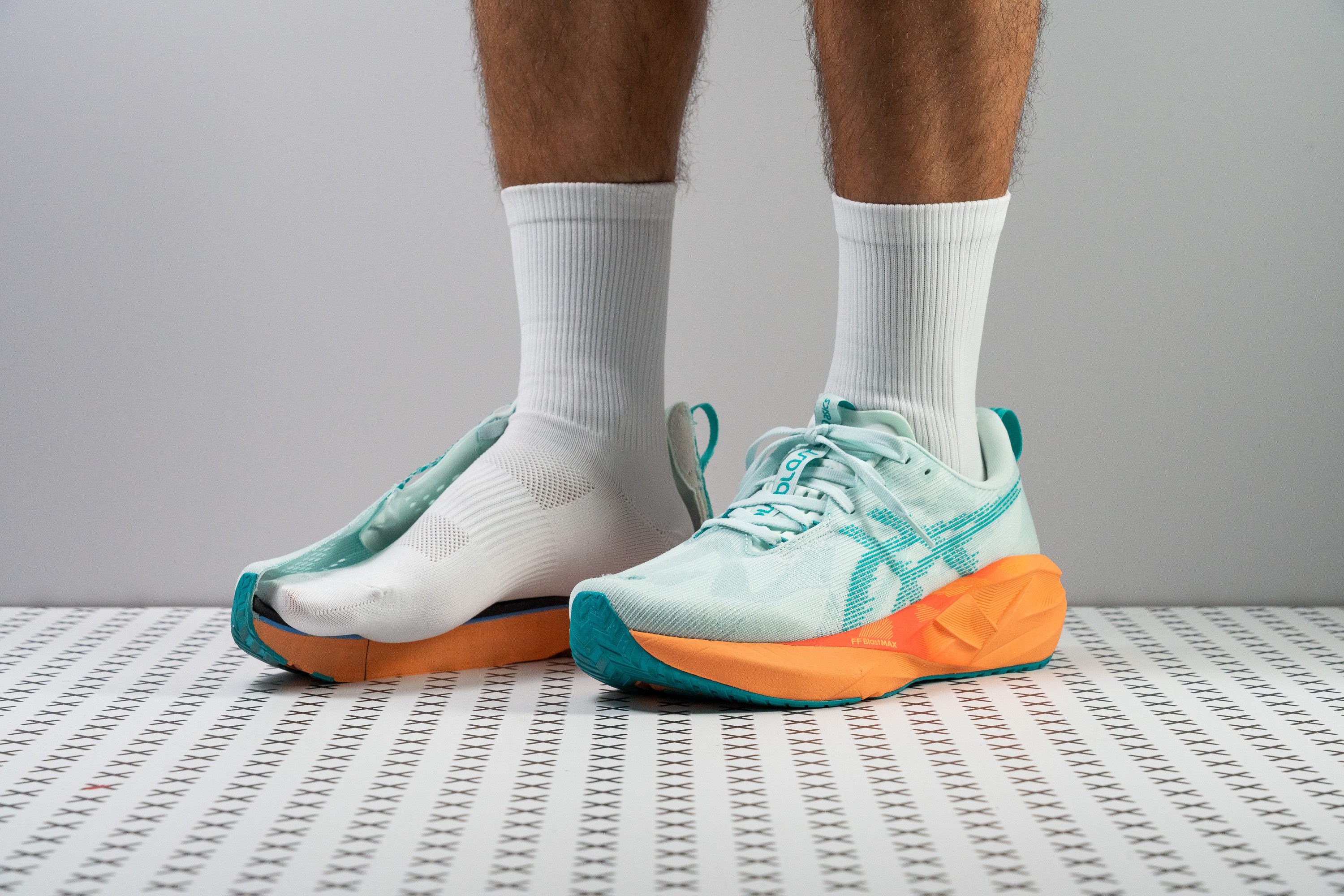
Credit: runrepeat.com
How To Choose The Right Running Shoe For Your High Arches
With so many options, it’s easy to get overwhelmed. Here’s a step-by-step guide to help you decide:
Step 1: Know Your Foot Type
If you’re not sure you have high arches, try the “wet test. ” Wet your foot and step on a piece of paper. If you see only your heel and the ball of your foot, with little or no arch showing, you probably have high arches.
Step 2: Identify Your Running Needs
Think about where and how you run:
- Road running: Most shoes above are designed for pavement or treadmills.
- Trail running: If you run off-road, look for trail shoes with extra grip.
- Speedwork: Choose lighter, more responsive shoes.
- Long distance: Pick models with maximum cushioning.
Step 3: Try Before You Buy
Always try shoes on in the afternoon or after a run, when your feet are slightly swollen. This gives a more accurate fit.
- Walk, jog, and jump in the shoes.
- Check for pinching, slipping, or pressure points.
- Ensure your toes have enough space.
Step 4: Replace When Needed
Even the best shoes wear out. For high arches, worn-out cushioning can lead to pain quickly. Most running shoes last 300–500 miles. If you feel new aches or notice smooth spots on the sole, it’s time to replace them.
Step 5: Consider Orthotics
If off-the-shelf shoes don’t provide enough support, consider custom or over-the-counter orthotic inserts. These can enhance arch support and cushioning. However, always try the shoe with the insert before buying, as it can change the fit.
Key Insight
Don’t assume expensive means better. Some mid-range models offer just as much support as premium ones. Focus on fit and comfort above all.
Common Mistakes When Buying Running Shoes For High Arches
Even experienced runners sometimes make errors when choosing shoes. Here are some pitfalls to avoid:
- Ignoring arch support: Not all “neutral” shoes support high arches.
- Choosing the wrong size: Feet can swell during runs. Always leave a thumb’s width at the toe.
- Skipping flexibility tests: Stiff shoes can cause pain.
- Not replacing shoes in time: Old shoes lose cushioning fast.
- Using the same shoes for all activities: Running shoes are built for forward motion, not lateral movement (like tennis or basketball).

Credit: www.runnersworld.com
How High Arches Affect Running Performance
Some runners worry that high arches are a disadvantage. The truth is, with the right shoes and care, you can run just as well as anyone else.
Potential Benefits
- Efficient push-off: High arches can help store and release energy.
- Better for speed: Many sprinters have high arches.
Challenges
- Shock absorption: Less natural cushioning means you rely more on shoes.
- Injury risk: Without support, you’re more likely to get stress fractures or plantar fasciitis.
Real-world Example
A study published in the Journal of Orthopaedic & Sports Physical Therapy found that runners with high arches were more likely to suffer from lateral ankle sprains and stress fractures. However, the risk dropped sharply for those who wore cushioned, supportive shoes designed for their arch type.
Advanced Tips For High-arch Runners
Once you’ve found the right shoe, there’s still more you can do to stay comfortable and injury-free.
1. Warm Up And Stretch
High arches can mean tight calves and Achilles tendons. Stretch your calves and arches before and after runs. Rolling your foot on a tennis ball can also help.
2. Strengthen Your Feet
Simple exercises—like toe curls, picking up marbles with your toes, or using resistance bands—can make your foot muscles stronger and more stable.
3. Rotate Your Shoes
If you run often, use two pairs of shoes and alternate. This lets the cushioning recover and extends shoe life.
4. Listen To Your Body
Pain is a warning sign. If you notice consistent pain in your heel, arch, or outside of your foot, rest and consider seeing a podiatrist.
5. Care For Your Shoes
Let your shoes air out after each run. Remove the insoles to help them dry faster and reduce odor.

Credit: ypark-lab.com
Price Comparison Of Popular Running Shoes For High Arches
It’s helpful to see how the top choices compare in price, especially if you’re on a budget.
| Shoe | Typical Price (USD) | Best For | Main Strength |
|---|---|---|---|
| Brooks Ghost 15 | $140 | Daily training | Soft ride |
| ASICS Gel-Nimbus 25 | $160 | Long distance | Plush cushioning |
| Saucony Triumph 21 | $160 | Marathons | Bouncy feel |
| Nike Pegasus 40 | $130 | Versatility | Lightweight |
| Hoka Clifton 9 | $145 | Easy runs | Maximum comfort |
| New Balance 1080v13 | $170 | High mileage | Soft foam |
| Mizuno Wave Rider 27 | $140 | All-around | Stability |
| Altra Torin 7 | $150 | Natural running | Wide toe box |
| Adidas Ultraboost Light | $190 | Comfort | Energy return |
| On Cloudswift 3 | $160 | Urban runs | Responsive |
When To See A Specialist
While good shoes help most high-arch runners, some people still have pain. You should see a foot specialist (podiatrist) if:
- Pain doesn’t improve after changing shoes or using inserts
- You have numbness, tingling, or weakness in your feet
- You keep getting blisters, calluses, or ankle sprains
- You want advice on custom orthotics
A podiatrist can check your gait, foot shape, and running form. Sometimes, high arches are caused by nerve or muscle problems, so it’s important to rule these out.
Frequently Asked Questions
What Are The Main Signs That I Have High Arches?
The most common signs are a visible gap under your arch when standing, frequent foot pain (especially in the heel or ball), and shoes wearing out on the outside edge. You may also notice that your toes don’t fully touch the ground when you walk or run.
Can I Use Regular Running Shoes If I Have High Arches?
You can, but it’s not recommended. Regular running shoes may lack the cushioning and arch support you need. Over time, this can lead to pain or injury. Shoes designed for high arches provide better shock absorption and help prevent problems.
How Often Should I Replace Running Shoes For High Arches?
Most experts suggest replacing running shoes every 300–500 miles. For runners with high arches, it’s important not to stretch this limit because worn-out shoes lose their cushioning and support faster. If you notice new aches or your shoes feel flat, replace them sooner.
Are Custom Orthotics Better Than Built-in Arch Support?
Custom orthotics are made to fit your exact foot shape and can provide more precise support. However, many people with high arches do well with high-quality running shoes that have built-in arch support. Try shoes first, and only consider custom orthotics if you still have pain or discomfort.
What’s The Best Way To Break In New Running Shoes?
Start by wearing your new shoes for short walks or easy runs. Gradually increase distance over a week or two. Listen to your feet—if you feel pain or blisters, check for fit issues. Never go on a long run with brand new shoes.
—
Finding the best running shoes for high arches isn’t just about comfort—it’s about protecting your feet and enjoying your runs for years to come. By focusing on cushioning, arch support, and fit, you’ll reduce injury risk and make every mile feel easier. Don’t be afraid to experiment with different brands or models, and remember to replace shoes before they wear out. For more on foot types and shoe technology, visit the official Verywell Fit Running Shoes Guide. With the right pair on your feet, your high arches can carry you farther than you think.