Mens Running Shoes Size 13: Top Picks for Comfort and Performance

Finding the right men’s running shoes size 13 can feel like searching for a needle in a haystack. If you have bigger feet, you know that not every brand or model fits the same. Shoe walls are filled with regular sizes, but size 13 often gets only a few options, sometimes hidden in the back. The reality is: the right running shoes are not just about comfort. They can affect your health, your performance, and how much you enjoy running.
Men with larger feet face unique challenges. Shoes that are too tight can cause blisters, black toenails, or pain in the arches and heels. Too-loose shoes may lead to slipping, lack of support, and even injuries. This article is your complete guide for choosing, buying, and caring for men’s running shoes in size 13.
Whether you’re new to running or a seasoned marathoner, you’ll discover tips, product comparisons, and practical advice that make sense for your feet.
Understanding Running Shoe Sizing
Getting the right shoe size is about more than just the number on the box. For size 13, small differences in fit can have big effects.
What Does Size 13 Mean?
A men’s size 13 in the US usually means a foot length of about 12.2 inches (31 cm). But sizing can change by brand or region. For example, a US size 13 is a UK size 12, or an EU size 47.5.
Why Size 13 Shoes Are Different
Feet get wider as they get longer. Many men with size 13 feet also need wider shoes. But not every brand offers wide options in this size. The design of the shoe, how the upper stretches, and the shape of the toe box all influence comfort for larger feet.
Common Fit Issues
- Narrow toe boxes: Can squeeze toes and cause pain.
- Short laces: May not stay tied, especially with high insteps.
- Low arch support: Big feet often have higher or flatter arches, which need more support.
Understanding these problems helps you know what to look for before you buy.
Why The Right Fit Matters For Size 13
Choosing the right running shoes in size 13 isn’t just about comfort—it’s about injury prevention and performance.
Health And Comfort
When shoes are too small, toenails can turn black or fall off from hitting the front. Tight shoes can also cause blisters and calluses. Too-big shoes can make your foot slide, leading to plantar fasciitis or shin splints.
Performance
Properly fitting shoes help you run faster and longer. They give you better energy return and reduce fatigue. If your shoes fit well, you’ll use less energy to run the same distance.
Injury Prevention
A study by the American Orthopaedic Foot & Ankle Society found that 70% of people wear shoes that don’t fit right. This leads to higher rates of injuries, especially for runners with larger feet. Proper fit can prevent:
- Stress fractures
- Achilles tendonitis
- Knee and back pain
Credit: mncmea.org
How To Measure Your Feet For Size 13
You may think you know your size, but feet change over time. Measuring at home is simple and ensures you get the best fit.
- Stand on a piece of paper at the end of the day (feet swell during the day).
- Trace your foot with a pencil held upright.
- Measure the distance from the heel to the longest toe (usually the big toe or the second toe).
- Repeat for both feet. Use the larger measurement.
- Compare your length to sizing charts from the brand you’re considering.
Pro tip: Always try on shoes with the same socks you plan to run in.
Key Features To Look For In Size 13 Running Shoes
Not all running shoes are built for bigger feet. Here’s what matters most:
1. Roomy Toe Box
Your toes should have space to wiggle. This prevents blisters and black toenails. Look for shoes with a wider or rounded front.
2. Proper Width Options
Some brands offer wide (2E) or extra wide (4E) in size 13. If your feet feel squeezed, try these options.
3. Support And Cushioning
Bigger feet put more pressure on shoes. Look for models with solid midsole support and cushioning that won’t flatten quickly.
4. Strong Outsoles
Shoe bottoms wear out faster if you have bigger feet or are heavier. Durable rubber outsoles can handle the stress.
5. Good Lacing System
Longer feet often need longer laces or extra eyelets. This helps secure the fit and prevent slipping.
6. Breathable Uppers
Large shoes can trap heat. Mesh or engineered knit uppers keep your feet cool and reduce sweat.
Top Men’s Running Shoe Brands For Size 13
Some brands make better shoes for big feet. Here’s how popular brands compare for size 13 availability and fit.
| Brand | Size 13 Availability | Width Options | Known For |
|---|---|---|---|
| Nike | High | Standard, Some Wide | Performance, Style |
| Adidas | High | Standard, Some Wide | Boost Cushioning |
| Brooks | High | Wide, Extra Wide | Comfort, Support |
| New Balance | Very High | Standard, Wide, Extra Wide | Fit Options |
| Asics | High | Standard, Wide | Stability |
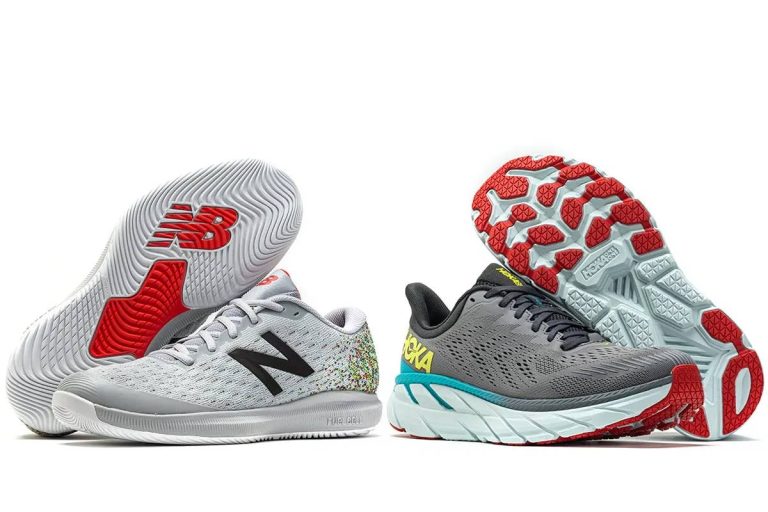
| Hoka | Medium | Standard, Some Wide | Max Cushion |
| Altra | Medium | Wide Toe Box | Zero Drop |
Brands like New Balance and Brooks stand out for their wide range of size 13s with extra width options.
Popular Men’s Running Shoes In Size 13 (2024)
Let’s look at some top-rated models, what makes them good for size 13, and their main features.
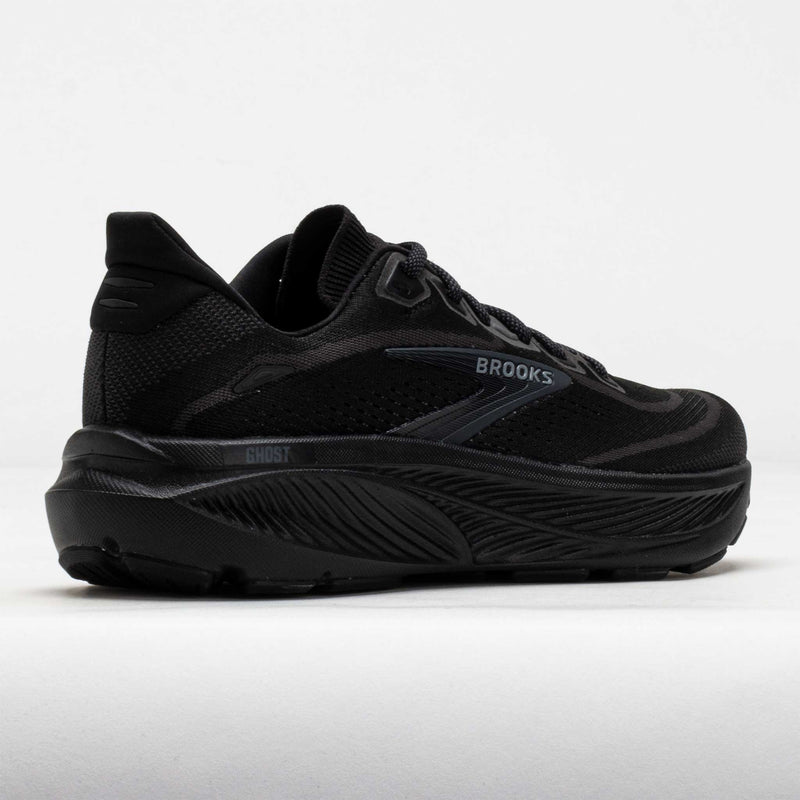
1. Brooks Ghost 15
- Cushioning: Soft and responsive
- Toe Box: Roomy, available in wide
- Best for: Daily training, long runs
2. New Balance 1080v13
- Cushioning: Fresh Foam X (plush)
- Widths: Standard, Wide, Extra Wide
- Best for: Comfort, big mileage
3. Nike Air Zoom Pegasus 40
- Cushioning: Balanced, durable
- Fit: True to size, some find narrow
- Best for: Versatile training
4. Asics Gel-kayano 30
- Support: High stability, for overpronators
- Cushioning: Gel, soft yet firm
- Widths: Standard, Wide
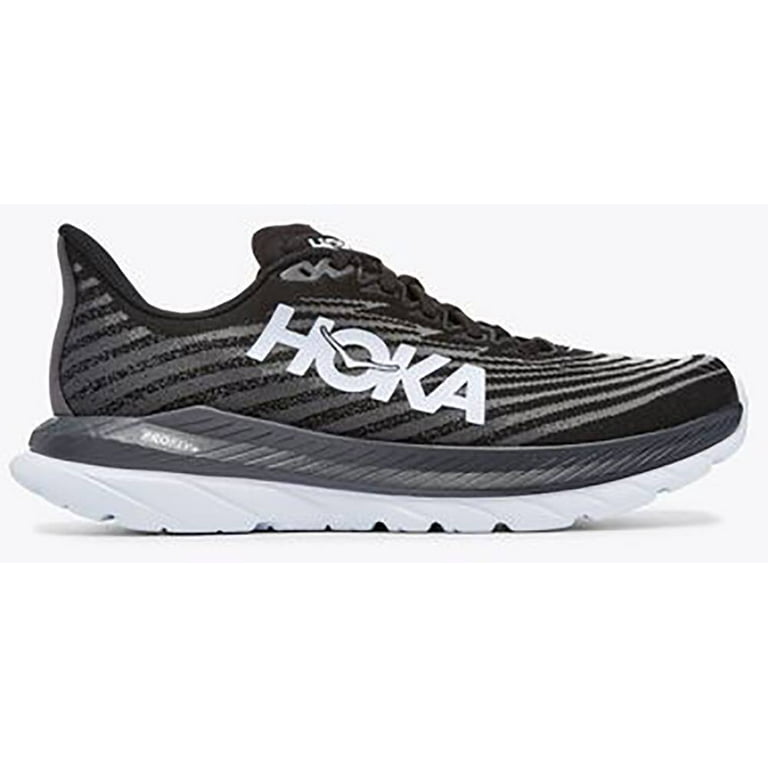
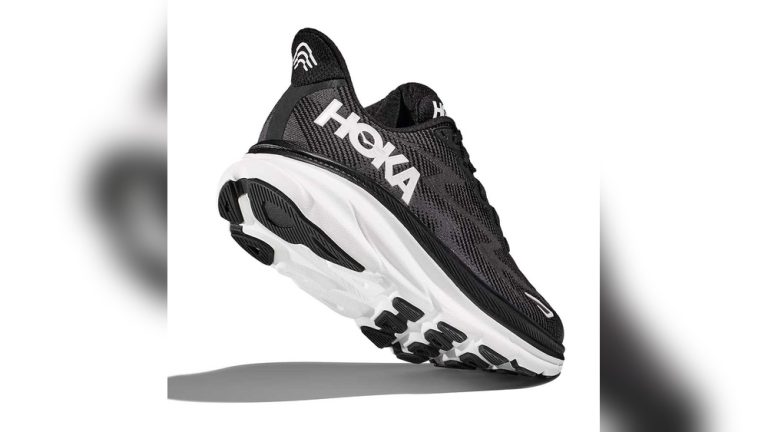
5. Hoka Clifton 9
- Cushioning: Maximal, lightweight
- Fit: Roomy for a Hoka
- Best for: Easy runs, recovery days
6. Saucony Triumph 21
- Cushioning: PWRRUN+ foam
- Fit: True to size, plush feel
- Best for: Long distances
7. Altra Torin 7
- Toe Box: Natural, very wide
- Drop: Zero drop (flat from heel to toe)
- Best for: Runners wanting foot-shaped fit
8. Adidas Ultraboost Light
- Cushioning: Boost foam, very soft
- Fit: Snug, some find narrow
- Best for: Style, urban running
9. Mizuno Wave Rider 27
- Cushioning: Balanced, firm ride
- Fit: True to size
- Best for: Neutral runners
Each model fits a bit differently. Always check reviews from other size 13 runners.
Comparing Fit: Size 13 Across Brands
Size 13 in one brand may not fit like size 13 in another. Here’s a quick comparison of how popular brands’ size 13s fit based on real runner feedback.
| Brand | Length | Width | Toe Box |
|---|---|---|---|
| Nike | True to size | Narrow | Snug |
| Adidas | Shorter | Medium | Pointed |
| Brooks | True to size | Medium-Wide | Roomy |
| New Balance | Longer | Wide | Spacious |
| Asics | True to size | Medium | Medium |
| Hoka | True to size | Medium | Medium |
| Altra | True to size | Wide | Very wide |
Non-obvious insight: Even the insole thickness can make a shoe feel too small. If a shoe feels tight, try removing the insole and testing the fit.
How To Choose The Best Running Shoe For You
1. Know Your Foot Type
Flat feet, high arches, or neutral? This affects the support you need.
- Flat feet: Choose stability or motion control shoes.
- High arches: Look for extra cushioning.
- Neutral: Most shoes will work, focus on comfort.
2. Consider Your Running Style
Do you run on roads, trails, or treadmills? Each surface needs different features.
- Road: Look for cushioning and breathability.
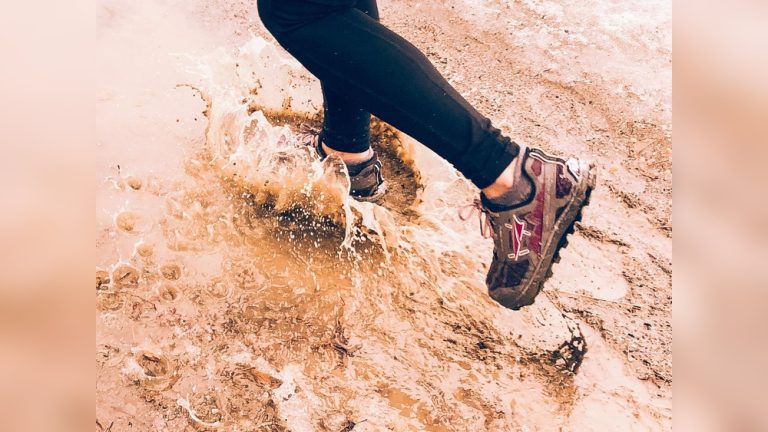
- Trail: Get shoes with grip and protection.
- Treadmill: Lightweight is best.
3. Don’t Ignore Weight
Heavier runners need more durable, supportive shoes. Light shoes may break down faster.
4. Try Before You Buy
If possible, visit a local store and try shoes on. Walk and jog in them. Your toes should not touch the front, and your heel should not slip.
5. Read Reviews From Size 13 Runners
Other runners with similar-sized feet often mention issues you won’t find in generic reviews.
Common Mistakes When Buying Size 13 Running Shoes
- Assuming all size 13s fit the same. Always check brand sizing charts.
- Ignoring width. Some need a wide, some need standard.
- Choosing style over fit. Looks are less important than comfort.
- Skipping the break-in period. Even perfect shoes may need a few runs to feel right.
- Not replacing old shoes in time. Worn-out shoes lose support and can cause injury. Most running shoes last 300-500 miles.
Practical Tips For Shopping Online
Buying running shoes online is convenient, but there are risks. Here’s how to get it right:
- Order two sizes if you’re between sizes. Return the one that doesn’t fit.
- Check the return policy. Make sure you can return shoes after trying them indoors.
- Look for free shipping and returns.
- Read the Q&A section on product pages for size 13-specific advice.
- Buy from official sites or trusted retailers to avoid fakes.
Non-obvious insight: Some brands have free “fit consults” by phone or chat. Use these to ask about size 13 fit before buying.
Credit: www.walmart.com
Caring For Your Size 13 Running Shoes
Big shoes can be expensive. Proper care makes them last longer.
Cleaning
- Remove insoles and laces.
- Hand wash with mild soap and water. Avoid washing machines.
- Air dry away from heat.
Storage
- Store in a cool, dry place.
- Avoid leaving them in hot cars (glue can melt).
Rotation
If you run often, buy two pairs and rotate them. This gives the foam time to recover and extends shoe life.
When To Replace Your Running Shoes
Runners often keep shoes too long. For size 13s, you might notice:
- Worn tread on the bottom
- Flattened cushioning
- Aches and pains in your feet or knees
Replace your shoes every 300–500 miles (480–800 km). Heavier runners or those with a strong toe-off might need to replace them sooner.

Credit: us.amazon.com
Special Considerations For Size 13 Runners
Travel
Size 13 shoes take more space in luggage. Look for lightweight, flexible models for travel.
Orthotics
If you use custom orthotics, check that the shoe’s insole is removable. Not all shoes in size 13 have this feature.
Style And Color Choices
Selection can be limited. Sign up for release alerts from brands or buy early in the season for the best picks.
The Impact Of Running Shoe Technology On Size 13 Fit
Modern running shoes use advanced materials. Here’s how they affect the fit for larger sizes:
- Engineered mesh: Stretches for comfort without losing shape.
- 3D-printed midsoles: Offer custom cushioning and support.
- Carbon plates: Found in some race shoes, can make stiff shoes even stiffer in size 13. Try before you race.
Case Study: Size 13 Runner Experience
David, a 6’3” recreational runner, struggled with toenail issues using standard running shoes. After switching to New Balance 1080v13 in wide, his problems disappeared. The extra room in the toe box and wider fit prevented blisters and black nails, and he ran his first half marathon pain-free.
This highlights how picking the right shoe for your foot shape—not just the length—can prevent injuries and improve performance.
Where To Find Size 13 Running Shoes
Some stores stock only up to size 12 in-store, but you have options:
- Brand flagship stores: More likely to carry larger sizes.
- Specialty running stores: Staff can help with fitting.
- Online: Retailers like Zappos, Running Warehouse, and Amazon have wide selections.
For rare widths or colors, check the brand’s own website first.
Price Range For Size 13 Running Shoes
Larger sizes sometimes cost more, but most brands price all sizes equally. Expect to pay $100–$180 for top models. Discounts are common at the end of the season or on last year’s models.
Comparing Value: Cost Vs. Durability
Some shoes cost more but last longer, especially for bigger runners.
| Model | Average Price | Expected Miles | Notes |
|---|---|---|---|
| Brooks Ghost 15 | $140 | 400-500 | Durable, daily trainer |
| Hoka Clifton 9 | $145 | 350-450 | Softer foam wears faster |
| Nike Pegasus 40 | $130 | 400-500 | Good value |
| New Balance 1080v13 | $160 | 400-500 | Extra width options |
| Asics Gel-Kayano 30 | $160 | 400-500 | Best for stability |
If you run 20 miles a week, a shoe that lasts 400 miles will last about 5 months.
Sustainability And Eco-friendly Options
Many brands now make running shoes with recycled materials. For size 13, options include:
- Adidas Ultraboost Light: Made with Parley ocean plastic.
- Allbirds Tree Dasher: Eco-friendly materials, though fit is snug for size 13.
- Brooks Ghost 15: Upper made from recycled materials.
If sustainability matters to you, look for brands that publish their eco stats.
Summary: Making Size 13 Work For You
Finding great men’s running shoes size 13 is possible with the right approach. Measure your feet, know your fit, and don’t settle for less than comfort. There are more choices than ever, but it pays to try different brands and models. Remember, the right shoes keep you running longer, safer, and happier.
For more about shoe sizing and fit, you can read the official advice from American Podiatric Medical Association.
Frequently Asked Questions
What If Size 13 Feels Too Tight In Some Brands?
Shoe sizing is not universal. Try going up half a size, or look for wide or extra wide options. Removing the insole can also give a bit more space, but only as a temporary fix.
Are There Special Socks For Size 13 Running Shoes?
Yes, some brands make socks in larger sizes with extra stretch. Look for moisture-wicking, seamless socks to prevent blisters.
How Do I Break In New Running Shoes Size 13?
Start with short walks, then short runs. Don’t run a long distance in new shoes right away. This helps the shoe mold to your foot and prevents blisters.
Can I Use Orthotics In Size 13 Running Shoes?
Many running shoes have removable insoles, making it easy to use custom orthotics. Always check before buying, as some shoes have glued-in insoles.
How Do I Know When My Size 13 Running Shoes Need To Be Replaced?
Look for signs like worn soles, less cushioning, or new aches and pains. Most running shoes last 300–500 miles, but bigger runners may need to replace them sooner.
No matter your running goals, having the right size 13 shoes makes every step better. Happy running!
One Comment