
Trail Running Shoes Mens Waterproof: Top Picks for All Terrains

Trail Running Shoes Mens Waterproof: The Complete Guide
Trail running is more than just running off the road—it’s an adventure. Trails can be muddy, rocky, or wet. If you are a man who enjoys trail running, you know the importance of the right shoes. Not just any shoe will do. You need something that supports your feet, keeps you stable, and—especially when facing streams or rain—keeps you dry. That’s where waterproof trail running shoes for men come in.
Choosing the right waterproof trail running shoes can be tricky. There are so many brands, models, and features. Some shoes look great but slip on wet rocks. Others keep water out but feel heavy. Many runners buy shoes that do not fit their needs or do not last long.
This guide will help you avoid those mistakes.
In this article, you will learn what makes a great waterproof trail running shoe for men, how to choose the right pair, and how to care for your shoes. You will see comparisons, get answers to common questions, and discover tips that even experienced runners sometimes miss.
Why Waterproof Trail Running Shoes Matter
When you run off-road, you face mud, puddles, rain, and maybe even snow. Regular running shoes can soak through, making your feet wet and cold. This can lead to blisters, discomfort, and even injuries. Waterproof trail running shoes help you avoid these problems.
Key Benefits
- Dry Feet: Waterproof shoes keep out rain, dew, and shallow puddle splashes.
- Comfort: Dry feet help prevent blisters and chafing.
- Protection: Many waterproof shoes also block dirt, sand, and small rocks.
- Extended Season: With waterproof shoes, you can run in more conditions—spring, fall, and even winter.
When You Need Waterproofing
Not every trail run needs waterproof shoes. If you run in dry climates, you may not need them. But if you run where it rains, in forests, near rivers, or in the mountains, waterproofing is a smart choice.
Non-obvious insight: Waterproof shoes do not just help in heavy rain. Even early morning dew or wet grass can soak your feet if your shoes are not protected.
What Makes A Good Men’s Waterproof Trail Running Shoe
Choosing the right shoe is not just about waterproofing. Several factors make a shoe perform well on the trail.
1. Waterproof Technology
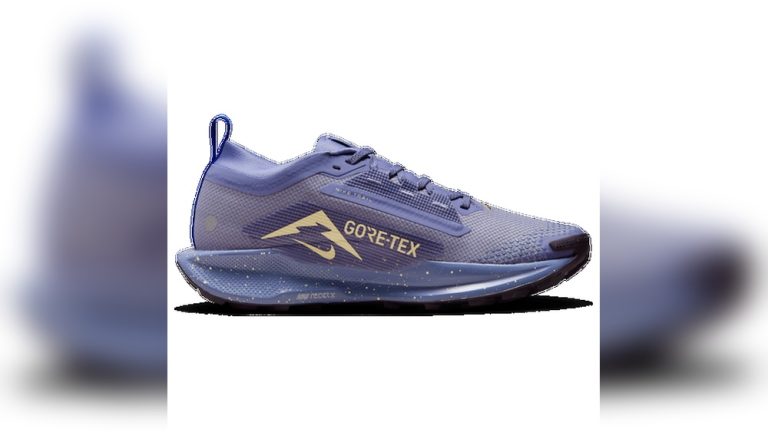
The most common waterproofing is a membrane inside the shoe. The best-known is GORE-TEX, but some brands use their own technologies, like eVent or OutDry. These membranes block water but let sweat escape.
- GORE-TEX: Reliable, often found in higher-priced shoes.
- EVent: Breathable, used by some brands for faster drying.
- Proprietary Membranes: Each brand has its own. Quality varies.
Non-obvious insight: Waterproof membranes can make shoes warmer. This is good for cold weather but may be hot in summer.
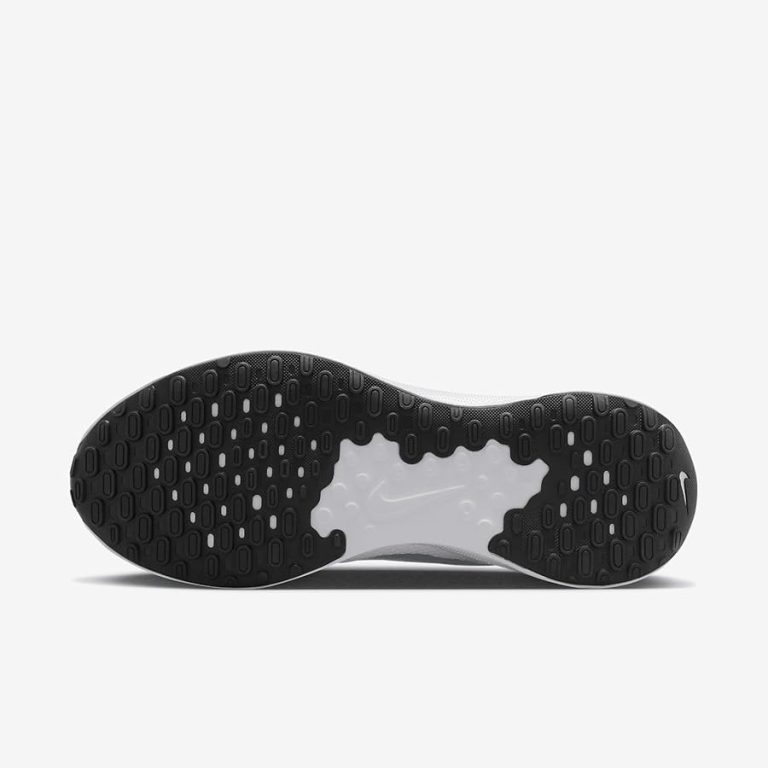
2. Grip And Traction
Trail surfaces change quickly—mud, rocks, tree roots, loose gravel. The outsole is critical.
- Deep lugs (the bumps on the sole) help grip mud and loose dirt.
- Sticky rubber helps on wet rocks.
- Wide spacing between lugs prevents mud from sticking.
3. Fit And Comfort
- Roomy toe box: Your toes should not feel squeezed, even when swelling from long runs.
- Heel hold: A good heel fit prevents slipping and blisters.
- Arch support: Important for stability, especially when the terrain is uneven.
4. Durability
Trail running is tough on shoes. Look for:
- Reinforced toe caps for kicking rocks.
- Sturdy upper materials that resist tears.
- Strong stitching and overlays.
5. Weight
Waterproof shoes are often heavier than non-waterproof models. But some brands now make light options. Lightweight shoes feel faster but may be less protective.
6. Breathability
Waterproof does not mean airproof. Good shoes let sweat vapor out. If not, your feet can get wet from the inside.
7. Protection
Some shoes have rock plates—thin, stiff layers that protect your foot from sharp rocks. Others have extra padding.
8. Lacing Systems
Some shoes use traditional laces. Others use quick-pull systems (like Salomon’s Quicklace). Pick what feels secure.
Key Features To Look For
Here are the most important features summarized:
- Waterproof membrane (GORE-TEX, eVent, etc.)
- Aggressive tread for grip
- Reinforced upper for durability
- Rock plate (optional but helpful)
- Comfortable fit with good heel hold
- Breathable design
- Protective toe cap
- Stable midsole for uneven terrain
Top Men’s Waterproof Trail Running Shoes
Below are some of the most popular and trusted models in the market. This list covers a range of styles, fits, and budgets.
1. Salomon Speedcross 6 Gtx
- Waterproofing: GORE-TEX membrane
- Grip: Deep, aggressive lugs
- Fit: Snug midfoot, wider toe box than older models
- Weight: About 300g (men’s US 9)
- Lacing: Quicklace system
Great for muddy and soft trails. Not the best on hard-packed or rocky ground.
2. Hoka One One Speedgoat 5 Gtx
- Waterproofing: GORE-TEX Invisible Fit
- Grip: Vibram Megagrip outsole
- Fit: Comfortable, roomy toe box
- Weight: About 312g
- Cushioning: Maximal, very soft underfoot
Ideal for long distances and rocky terrain.
3. La Sportiva Ultra Raptor Ii Gtx
- Waterproofing: GORE-TEX lining
- Grip: FriXion XF rubber, stable lugs
- Protection: Reinforced toe, rock guard
- Fit: Snug, secure heel
Excellent for technical trails, mountain use.
4. Brooks Cascadia 16 Gtx
- Waterproofing: GORE-TEX membrane
- Grip: AdaptTrail outsole, flexible lugs
- Protection: Rock plate, toe guard
- Cushioning: Balanced, not too soft
A solid all-rounder, good for most conditions.
5. Saucony Peregrine 13 Gtx
- Waterproofing: GORE-TEX
- Grip: PWRTRAC rubber, aggressive tread
- Flex: Flexible and responsive
- Weight: About 280g
Good for fast, nimble runners who want ground feel.
6. Merrell Moab Flight Sieve Waterproof
- Waterproofing: Proprietary membrane
- Grip: Vibram EcoDura outsole
- Sustainability: Uses recycled materials
- Comfort: Wider fit
A solid value and eco-friendly option.
7. Altra Lone Peak All-weather Low
- Waterproofing: EVent membrane
- Grip: MaxTrac outsole
- Shape: Wide toe box (foot-shaped)
- Cushioning: Moderate
Best for runners who want natural foot splay.
8. Adidas Terrex Agravic Gtx
- Waterproofing: GORE-TEX
- Grip: Continental rubber (like their car tires)
- Weight: Lighter than many competitors
- Style: Modern look
Performs well on mixed terrain.
9. Inov-8 Roclite G 315 Gtx
- Waterproofing: GORE-TEX
- Grip: Graphene-enhanced rubber
- Weight: Light for a waterproof shoe
- Protection: Flexible rock plate
Good for both trail running and hiking.
10. New Balance Hierro V7 Gtx
- Waterproofing: GORE-TEX
- Cushioning: Fresh Foam midsole
- Grip: Vibram outsole
- Comfort: Plush ride
Best for those who want extra cushion and comfort.
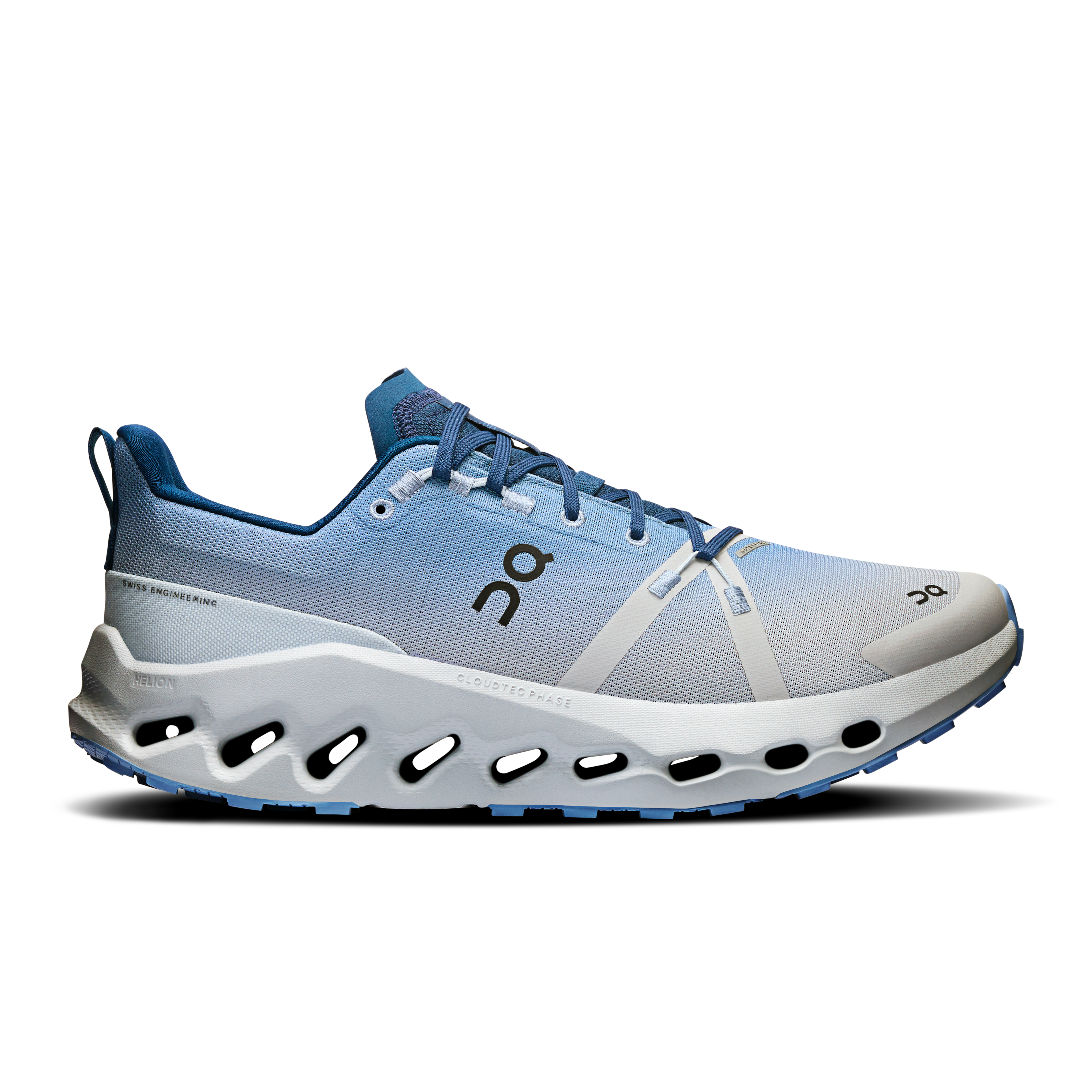
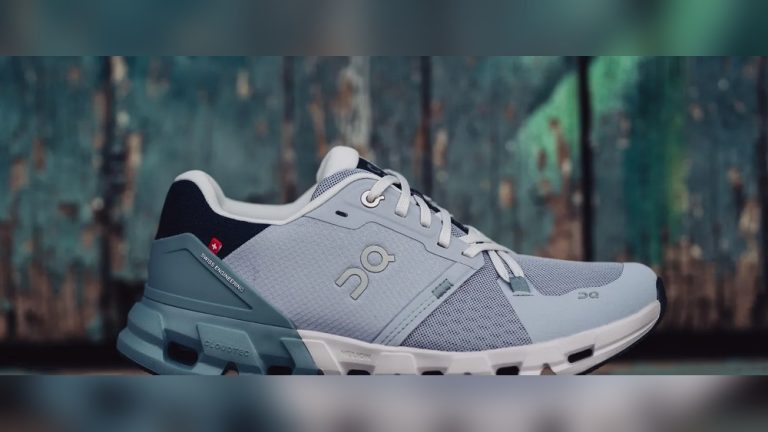
Credit: www.on.com
Comparing Key Models
Here’s a side-by-side view of how some top men’s waterproof trail running shoes stack up:
| Model | Waterproof Membrane | Weight (Men’s US 9) | Best For |
|---|---|---|---|
| Salomon Speedcross 6 GTX | GORE-TEX | 300g | Muddy, soft trails |
| Hoka Speedgoat 5 GTX | GORE-TEX | 312g | Long, rocky trails |
| La Sportiva Ultra Raptor II GTX | GORE-TEX | 380g | Technical mountains |
| Saucony Peregrine 13 GTX | GORE-TEX | 280g | Speed, agility |
| Altra Lone Peak All-Weather | eVent | 325g | Wide feet, natural feel |
How To Choose The Right Pair
With so many options, it can be hard to decide. Here’s how to narrow it down.
1. Know Your Trails
- Muddy, soft trails: Go for deep lugs, aggressive grip.
- Rocky trails: Look for rock plates and sticky rubber.
- Mixed terrain: Choose a balanced shoe with moderate tread.
2. Fit Is Everything
Try shoes on at the end of the day—your feet swell as you run. You should have a thumb’s width in front of your toes. Check heel hold and arch fit.
3. Consider Your Running Style
- Speed-focused: Light shoes like Saucony Peregrine.
- Long distances: Cushioned shoes like Hoka Speedgoat or New Balance Hierro.
- Technical routes: La Sportiva Ultra Raptor or Inov-8 Roclite.
4. Climate And Season
- Cold/wet: Waterproof shoes keep you warm and dry.
- Hot, humid: Waterproof shoes may be too warm; consider non-waterproof for dry heat.
5. Budget
High-end shoes cost more but may last longer and feel better. There are good affordable options, but cheaper shoes may use less durable materials.
6. Personal Preferences
- Lacing systems: Some prefer quick-pull, others traditional.
- Drop (heel-to-toe height difference): Lower drop feels more natural; higher drop helps with heel striking.
Common Mistakes When Buying
- Buying too small: Waterproof shoes do not stretch much. Tight shoes cause blisters.
- Choosing style over function: Look for grip and fit, not just color.
- Ignoring breathability: Sweaty feet can be a problem in waterproof shoes.
- Not considering terrain: Road shoes with “waterproof” labels are not made for trails.
- Skipping in-store testing: Try shoes with the socks you plan to run in.
Pro tip: Bring your trail socks and, if possible, try shoes on a ramp or incline in the store.
Care And Maintenance For Waterproof Trail Shoes
Your shoes will last longer with the right care.
Cleaning
- Remove dirt and mud after every run.
- Take out the insoles and let shoes dry at room temperature.
- Do not use direct heat (hairdryer, heater) as it can damage the waterproof membrane.
Waterproofing Maintenance
Most membranes last for the shoe’s life. The outer fabric can soak up water over time. Use a DWR (Durable Water Repellent) spray as needed.
Storage
- Store in a cool, dry place.
- Keep away from direct sunlight, which can weaken materials.
When To Replace
- Outsole is worn flat.
- Upper is torn or leaks water.
- Midsole feels dead (no bounce).
Non-obvious insight: Waterproof shoes may wear out faster if used often on rocky or technical trails due to the stress on seams and membranes.
Waterproof Vs. Non-waterproof: Which To Choose?
Not sure if you need waterproof shoes? Here’s a quick comparison to help.
| Feature | Waterproof | Non-Waterproof |
|---|---|---|
| Dry in wet conditions | Yes | No |
| Breathability | Less | More |
| Weight | Heavier | Lighter |
| Best season | Fall, winter, rainy | Summer, dry |
| Drying speed if soaked | Slower | Faster |
Tip: Some runners use waterproof shoes only in winter or for mountain runs, and lighter, non-waterproof shoes for dry or summer conditions.
Breaking In Your New Trail Shoes
Brand new shoes can feel stiff. Here’s how to break them in:
- Wear at home: Use them for short periods indoors.
- Short runs: Start with a few 2–3 mile runs on easy trails.
- Check for hotspots: If you feel rubbing, try different socks or lacing.
- Gradually increase distance: Do not wear new shoes for a long race until you have at least 30–50 miles in them.
Pro tip: Some waterproof membranes can feel stiff at first but soften with use.
Real-world Example: Choosing The Right Shoe
Imagine you plan to run the Pacific Northwest trails. It’s wet, muddy, and full of roots. You’d want a shoe with:
- GORE-TEX or eVent waterproofing
- Deep, sticky lugs
- Protective toe cap and rock plate
- Snug fit to avoid blisters
You might choose the Salomon Speedcross 6 GTX or La Sportiva Ultra Raptor II GTX. Both handle wet and technical trails well.
If you run in Colorado’s dry summers, you might prefer a lighter, more breathable shoe instead.
How Waterproofing Works In Trail Shoes
Waterproof shoes use a membrane sewn between the outer and inner layers. This membrane has tiny pores—too small for water drops, but large enough for sweat vapor. The most famous is GORE-TEX.
- The outer layer is treated with a DWR finish to make water bead off.
- The membrane blocks water but lets heat and vapor out.
- The lining adds comfort.
Limitation: If water gets over the collar (top) of the shoe, it can still get inside. Waterproof shoes work best in rain, splashes, and shallow puddles—not deep water crossings.
Are Waterproof Shoes Less Breathable?
Yes, even the best waterproof membranes are less breathable than open mesh. This means your feet can feel warmer and sweat more, especially in hot weather.
Solution: Choose shoes with “Invisible Fit” or lighter membranes if you run in mixed conditions, or consider non-waterproof models for summer.
Best Socks To Pair With Waterproof Trail Shoes
Wearing the right socks is just as important.
- Synthetic or wool: These materials wick moisture and dry fast.
- No cotton: Cotton stays wet and can cause blisters.
- Cushioned: Padding helps prevent rubbing.
- Height: Crew or quarter-length socks protect against dirt and debris.
Advanced tip: Some runners use thin liner socks under thicker socks for better moisture control.

Credit: www.amazon.com
Sustainability And Eco-friendly Choices
Some brands now use recycled materials or eco-friendly waterproof membranes.
- Merrell Moab Flight Sieve uses recycled mesh and laces.
- Adidas Terrex lines use recycled plastics.
- Salomon and Brooks are exploring more sustainable manufacturing.
If sustainability matters to you, check the product specs or brand website.
When Waterproof Shoes Are Not The Best Choice
- Hot, dry climates: Your feet may overheat.
- Long water crossings: Once water gets in, waterproof shoes dry slower.
- Very light, fast runs: Non-waterproof shoes are usually lighter.
In these cases, it may be better to use non-waterproof shoes and quick-drying socks.
The Importance Of Fit: Wide, Narrow, And High Arches
Not every shoe fits every foot.
- Wide feet: Look for brands like Altra or New Balance.
- Narrow feet: Salomon and La Sportiva often run narrow.
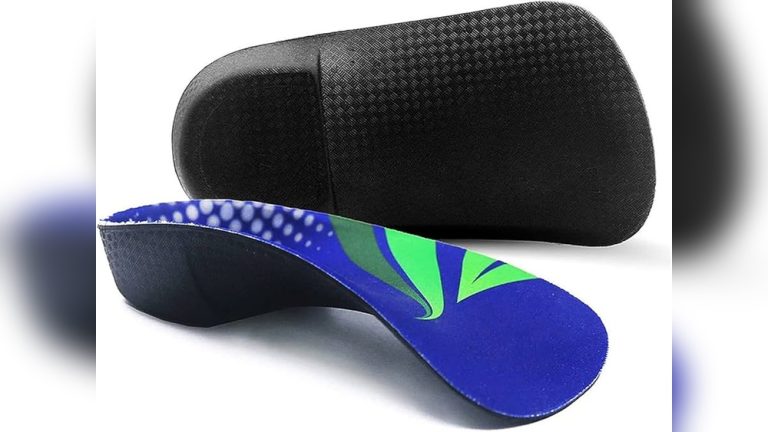
- High arches: Try shoes with more arch support or use custom insoles.
- Flat feet: Look for stability features.
Non-obvious insight: Feet can change size and shape over time, especially with more running. Always check fit before buying a new model.
Price Range And Value
Waterproof trail running shoes for men range from about $100 to over $200.
- Entry-level: $100–$130 (Merrell, older models)
- Mid-range: $130–$160 (Brooks Cascadia, Saucony Peregrine)
- High-end: $160–$200+ (Salomon, La Sportiva, Hoka)
Is it worth paying more? Often, yes. More expensive shoes use better membranes, grippier rubber, and last longer. But for occasional trail runners, mid-range shoes are often enough.
How Long Do Waterproof Trail Running Shoes Last?
Most trail shoes last 300 to 500 miles. Waterproof models may wear out sooner if used in rough, technical terrain. Watch for:
- Flattened lugs (less grip)
- Cracked upper or sole
- Leaks during wet runs
If you run 25 miles a week, expect to replace shoes every 4–6 months.
Where To Buy
- Local running stores: Try before you buy, get expert advice.
- Online: More selection, but check return policies.
- Brand websites: Sometimes offer exclusive colors or sizes.
For more information on trail running shoe technology, check out the Trail Running Wikipedia page.
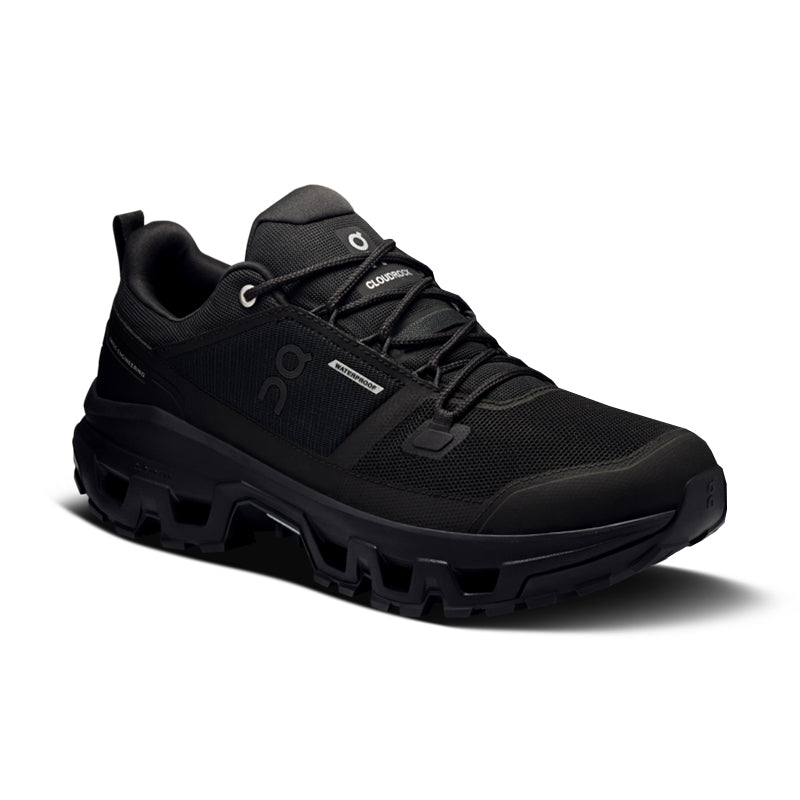
Credit: tradehome.com
Frequently Asked Questions
What Makes A Trail Running Shoe “waterproof”?
Waterproof trail running shoes use a special membrane (like GORE-TEX) inside the shoe. This membrane blocks water from outside but lets sweat vapor escape. The upper is also treated to repel water.
Do Waterproof Trail Running Shoes Breathe Well?
They breathe less than non-waterproof shoes. Sweat can build up inside, especially in hot weather. Look for models with “Invisible Fit” membranes or use thinner socks to help.
How Do I Know If My Shoes Are Really Waterproof?
Check for a branded membrane label (GORE-TEX, eVent, etc.), and read reviews. Try the shoes in a shallow puddle—if your feet stay dry, they work. Remember: water can get in over the collar if the puddle is deep.
Are Waterproof Trail Running Shoes Heavier?
Usually, yes. The membrane and extra layers add weight—sometimes 20–40g more per shoe. Newer models are lighter than before, but expect a small increase.
Can I Make My Trail Shoes Waterproof After Buying?
You can add a water-repellent spray to the outside, but this is not true waterproofing. Only shoes with a waterproof membrane keep water out completely. Sprays help restore water beading but don’t block water under pressure.
Trail running is best enjoyed when your feet are comfortable and dry. The right men’s waterproof trail running shoes will let you focus on the trail, not your gear. Take time to find the perfect fit, and enjoy miles of adventure—rain or shine.
One Comment